Acting
Early Japanese three-part samurai / fantasy serial.
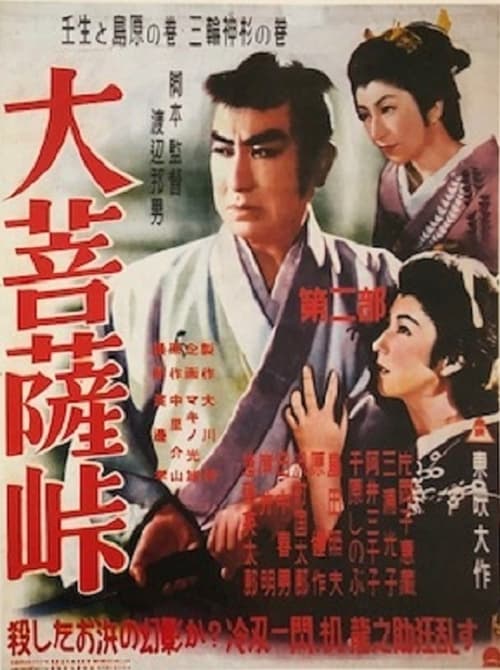
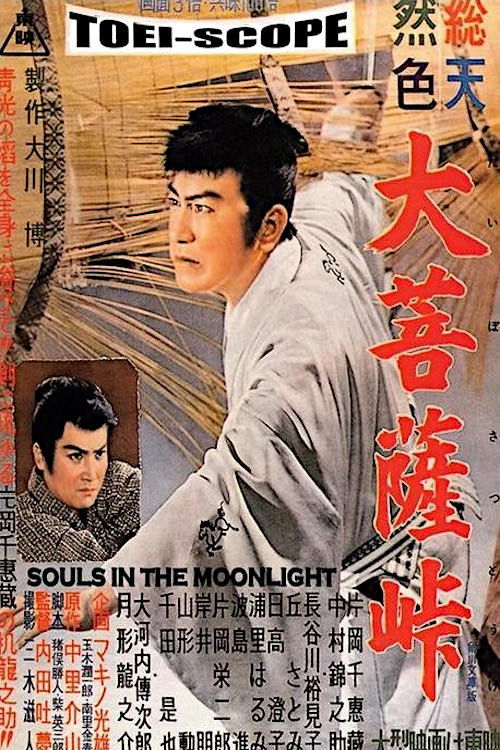
The second film in the 1953 trilogy based on the long novel series The Great Bodhisattva Pass.
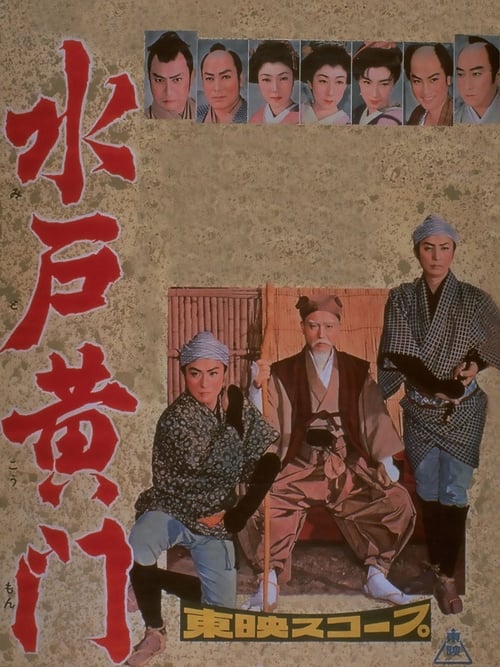
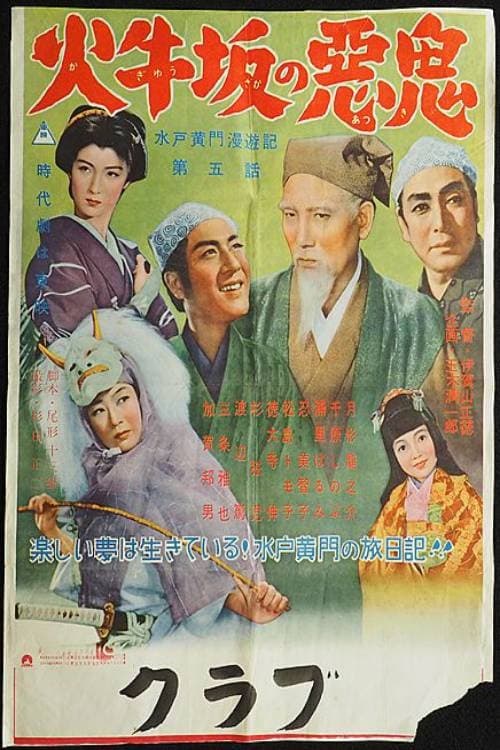
This most celebrated all-star movie version of the popular series features Tsukigata Ryunosuke as Mito Komon, the sage who wanders the countryside rectifying government corruption along with his faithful attendants Suke and Kaku.
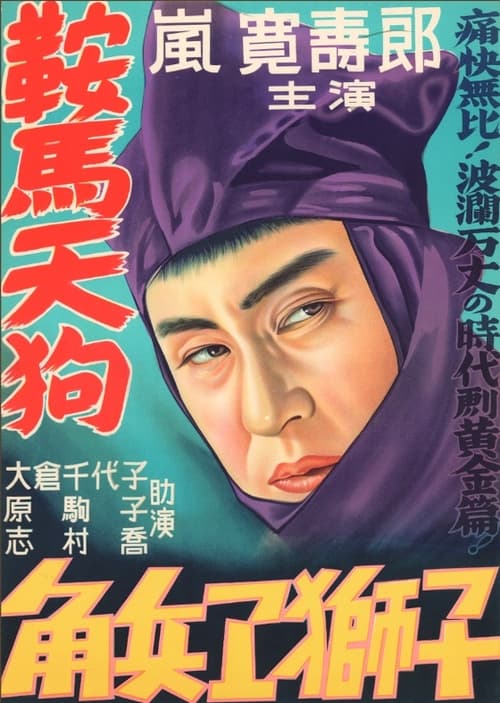
This is Kanjûrô Arashi's first film with Nikkatsu after his independent production company went bankrupt (many of these independent companies went bankrupt shortly after the transition to sound). As he is mostly famous for his portrait of Kurama tengu (and on the other hand, he's the definitive actor for Kurama Tengu as well), Nikkatsu made another version of Kurama tengu, co-directed by Masahiro Makino & Sadatsugu Matsuda who are both sons of Shozo Makino. Scripted by Yoshitake Hisa, a jidaigeki specialist who later scripted several Toei All-Star Jidaigeki.
Japanese horror movie from 1955.
Yaji and Kita: The Battle of Toba Fushimi is a 1928 Japanese film directed by Tomiyasu Ikeda.[1] This comedy film showcases the acting talent of Denjirō Ōkōchi and acts as a complementary film to Yaji and Kita: Yasuda's Rescue, which is part of the Yaji and Kita series. An 8-minute remnant of the film was released on DVD by Digital Meme with a benshi accompaniment by Midori Sawato. The version in the National Film Center is 23 minutes long.
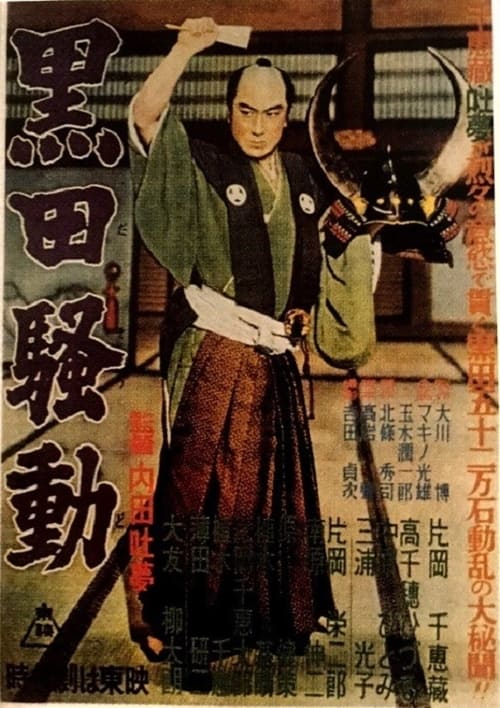
This adaptation of a Hideji Hojo novel, about the historical uprising of the Kuroda clan in 1633, is told through the eyes of retainer, Daizen. As his clan’s new leader, Tadayuki, becomes increasingly militant in his opposition to the Tokugawa shogunate, Daizen is forced to reconcile his loyalty to the clan with his loyalty to Tadayuki, who seems dead set on entangling the clan in destructive conflict. The Kuroda Affair’s mise-en-scène is said to have influenced future Toei director Eiichi Kudo. The film also features two of the greatest stars of Japanese period cinema, Chiezo Kataoka and Ryutaro Otomo.
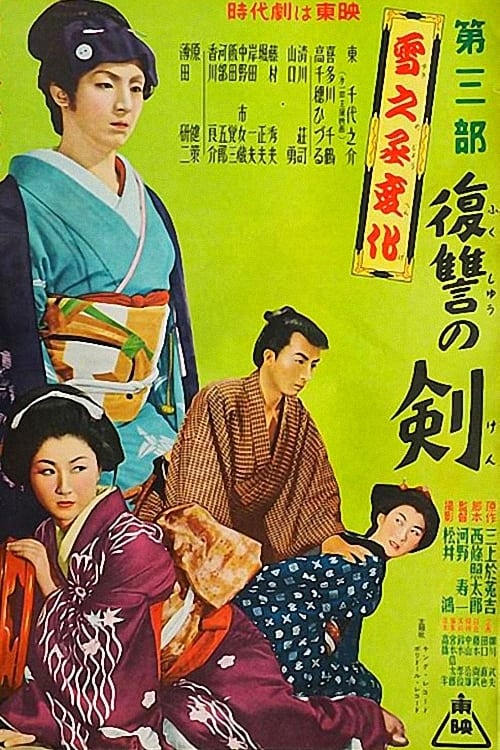
The final, third part of an entertaining historical drama depicting the eventful story of the revenge of an actor with a strange fate, with a variety of characters and exciting developments.
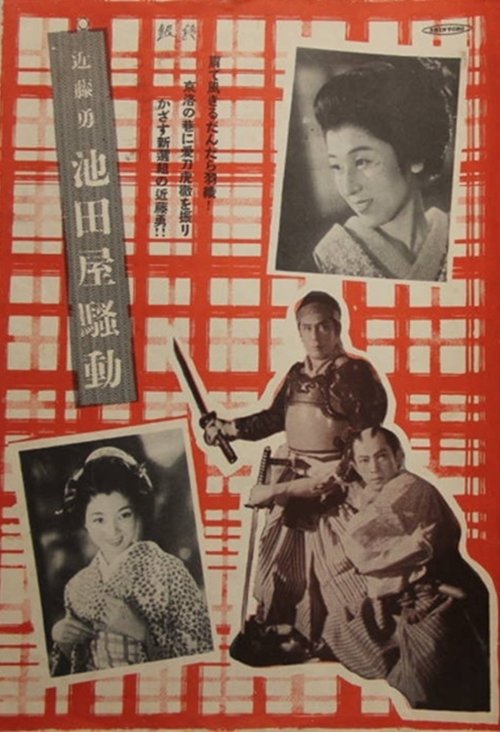
Kyoto in the third year of Bunkyu. --Serizawa Kamo, the head of the Shinsengumi, and the group around him spend their days and nights having fun in Gion and Shimabara, squandering precious military funds, and even robbing townspeople of money and valuables under the pretense of military funds. As a result, the citizens' voices of resentment towards the Shinsengumi grow louder. Kondo Isami, the deputy head, is concerned about this, but he wishes for peace within the group and suppresses the cries of spirited Okita Soji and others who call for them to be killed.
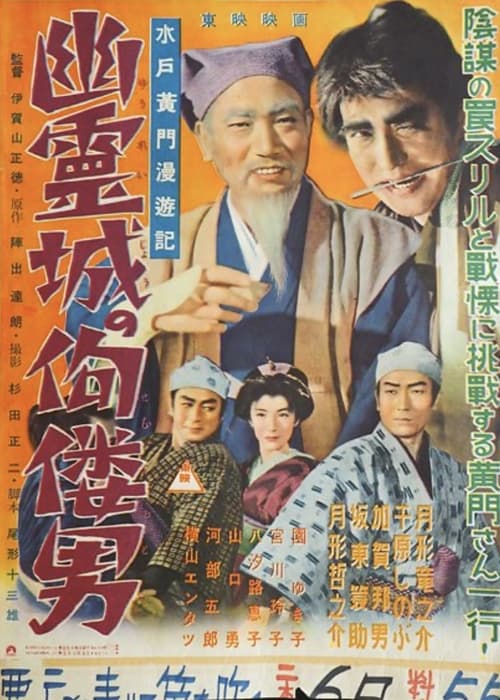
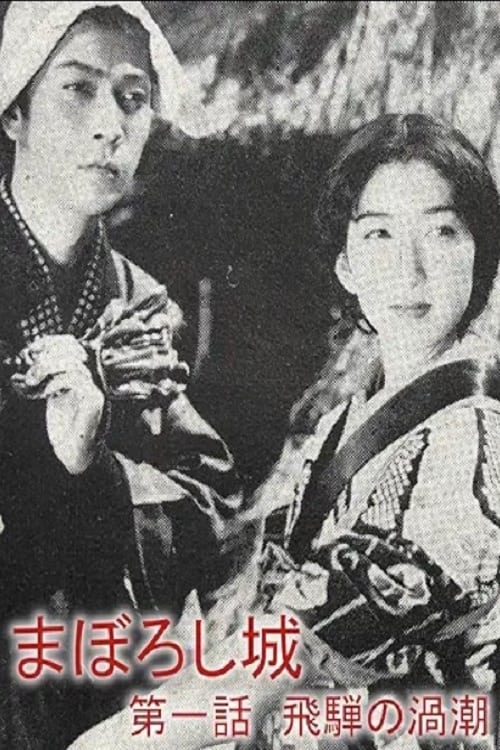
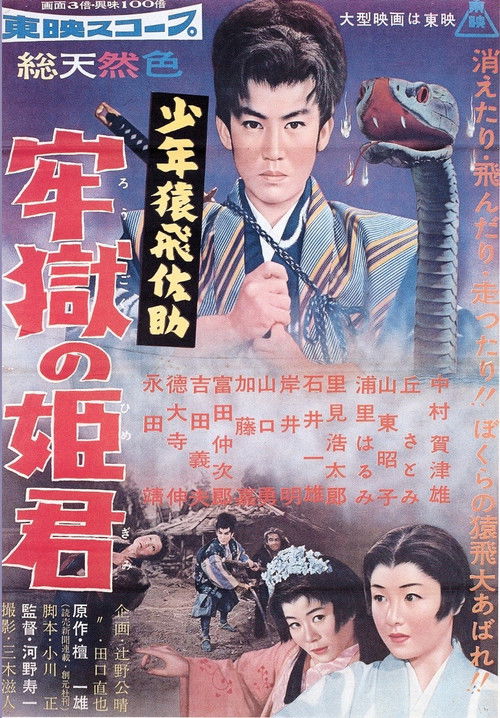
Mt. Norikura's natural fortress, the phantom castle. A white-clad iron mask, offering prayers to the eerie triple-faced deity of the Sennjogadake Rocks - the lord of the phantom castle, scheming to overthrow the Tokugawa shogunate that destroyed his lord. Sent by the shogunate to infiltrate Hida, Kigurumi Tsukinosuke's cover is blown... (Existing version. Please excuse any deterioration in image quality due to original conditions.)
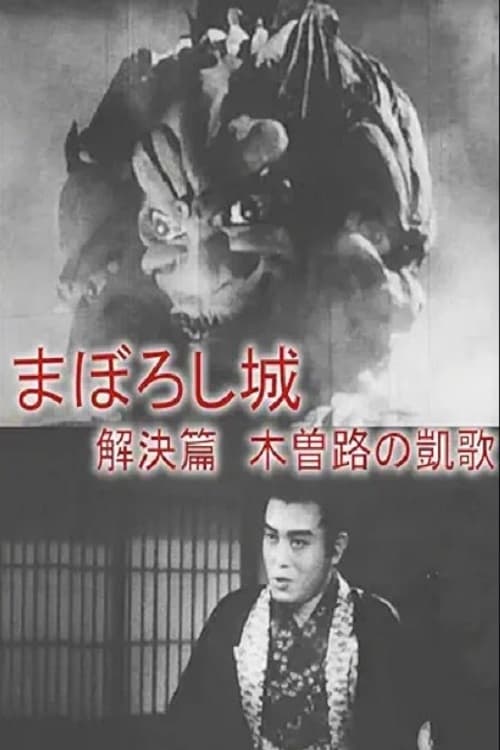
Tsukinosuke narrowly misses capturing the lord of the phantom castle by a hair's breadth. The mountain map was with Kirisaku at the Ashiwara residence, belonging to the phantom gang. Tsukinosuke heads to the Ashiwara residence to rescue Kirisaku, but in the meantime, the Matsudaira residence is attacked by the phantom gang... (Existing version. Please excuse any deterioration in image quality due to original conditions.)
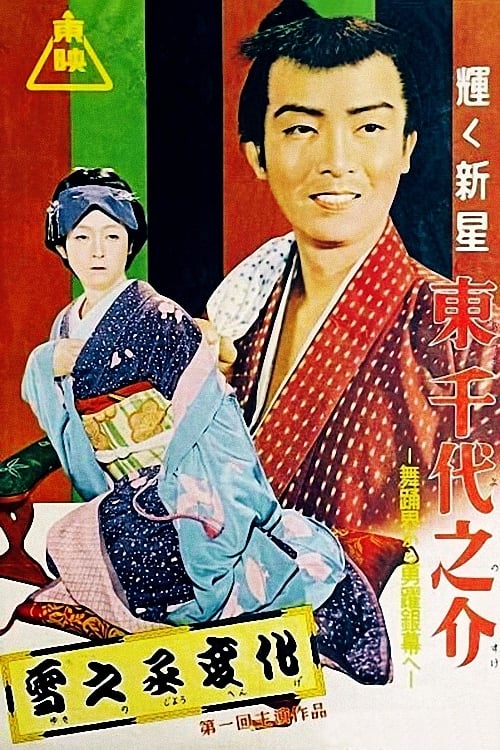
The first part of an entertaining historical drama depicting the eventful story of the revenge of an actor with a strange fate, with a variety of characters and exciting developments.
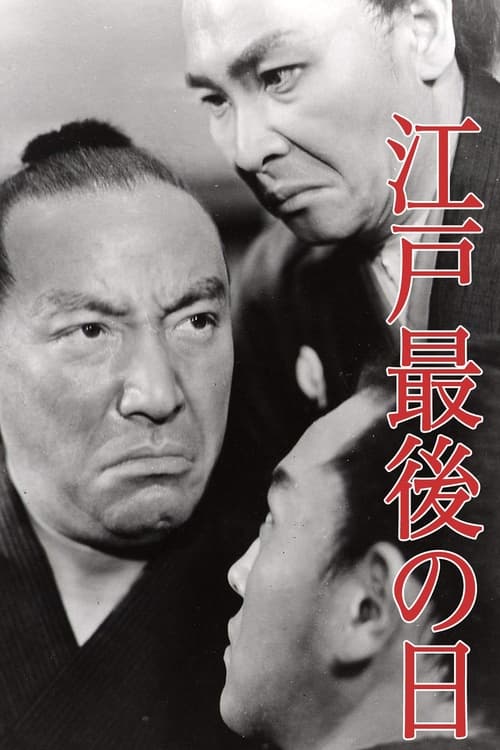
It is a historical drama that follows Katsu Kaishu's efforts to surrender Edo Castle bloodlessly in the first year of the Meiji period.
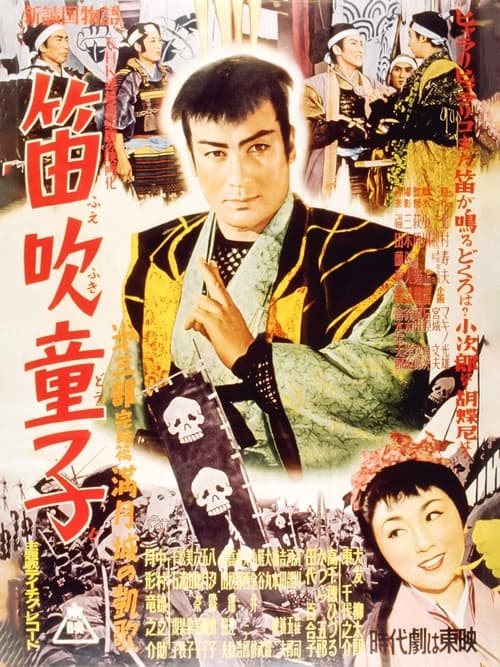
After the Onin War ended in 1477, Kyoto was left in ashes and the nation was in complete disorder. Bands of roving samurai called the "nobushi" terrorized the country under the leadership of Akagaki Genba and overthrew Mangetsu Castle in Tanba Province scattering the few survivors. Lord Niwa's two sons have been studying in China and return to Japan upon hearing of the tragedy in an attempt to restore the clan. On Mt. Oe they meet magician Kiri no Kojiro and try to enlist his aid. With touches of the supernatural and rousing sword-play can they succeed against the evil villains whose symbol is the skull mask?
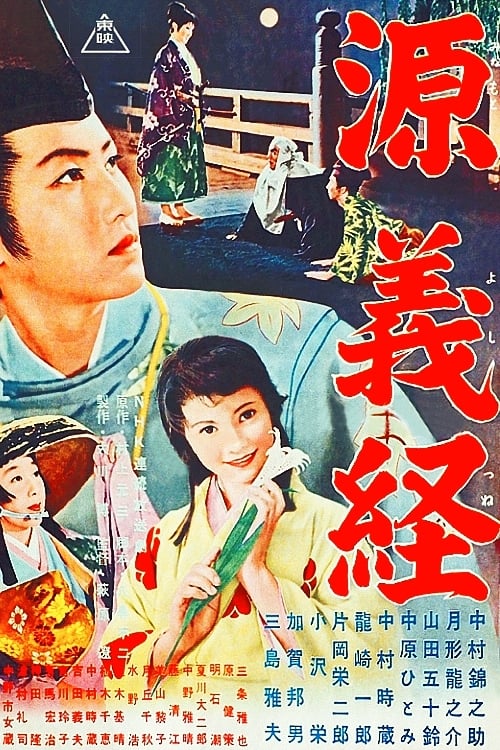
A historical scroll depicting the story of the tragic fate of the young samurai Minamoto Yoshitsune, based on the novel by Genzo Murakami. The action of the first part takes place in the late Heian period, when the Taira clan came to power, and Genji was oppressed. The great dream and ambitions of Genkuro Yoshitsune in his youth are depicted, he joins forces with his older brother Yoritomo to raise an army to defeat the Taira clan, and the second part depicts the fall of the clan, persecution and murder.
First part of the famous Dai-bosatsu toge trilogy, based on Kaizan Nakazato’s unfinished long series of novels (41 books, written from 1913 to 1941). Set in the last period of the Tokugawa Shogunate, Daibosatsu Toge tells the story of Tsuke Ryunosuke, a nihilistic swordmaster who doesnt hesitate to kill anyone, bad or good. Despite the authors explicit refusal, the series were later made into plays and movies several times.
Sixth film in the ‘Travels of Lord Mito’ franchise.
No description available.
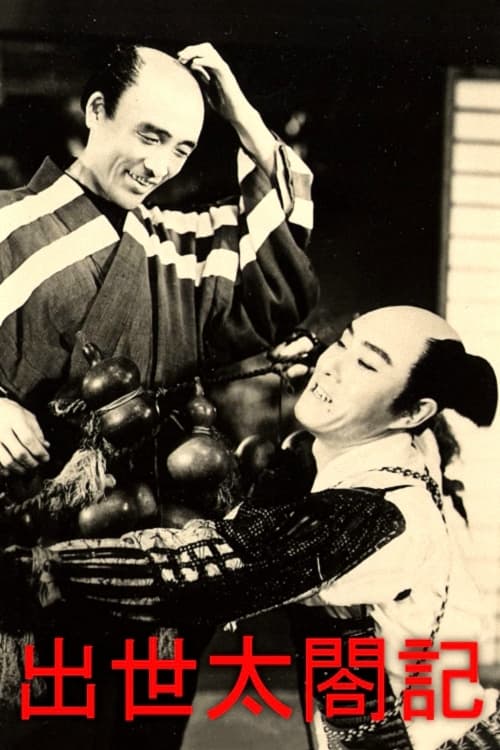
Taikoki is a legendary biography of Toyotomi Hideyoshi, who rose to the office of taikō. And the story of this film is about the rise to power of Toyotomi Hideyoshi from a farmer's son.
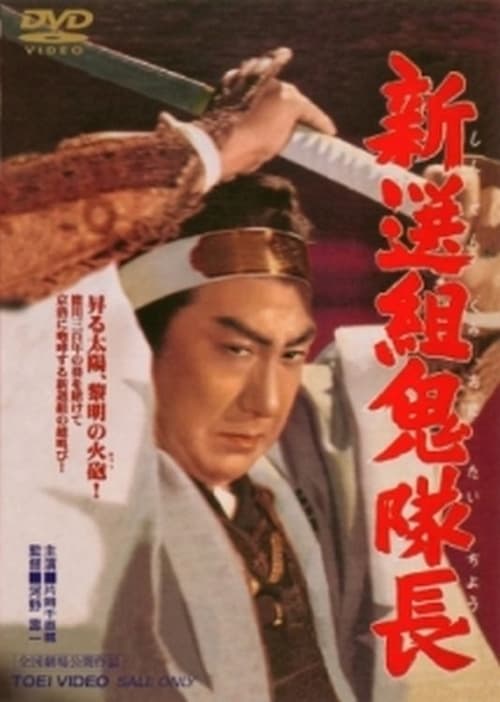
Kondo Isami, the “Devil” commander of the Shinsengumi was one of Japan’s greatest national heroes and a peerless swordsman who devoted his life to protecting the shogun and fighting on the side of the Tokugawa. This tells the story of the Shinsengumi starting at the moment of their greatest triumph through the final battles as the Tokugawa shogunate was brought down.