FEEL IT.STREAM
?

Tomiyasu Ikeda

Directing

Biography

Japanese director and screenwriter. Directed nearly 90 films and wrote nearly 80 screenplays between 1924 and 1954 , he also appeared as an actor in about fifteen films between 1921 and 1960. In 1921 Ikeda was discovered by actor Matsunosuke Onoe and joined Nikkatsu Kyoto. After the Great Kanto Earthquake on September 1, 1923 (Taisho 12), the staff of the contemporary drama club moved from Nikkatsu's Tokyo Mukaishima studio, and in the process of moving from an actor to a director. In 1921 director Ikeda filmed his debut film "Watashîmori to Samurai" - first work in "Nikkatsu Kyoto's historical drama " in which an actress is appointed in place of the Onnagata.
Known For

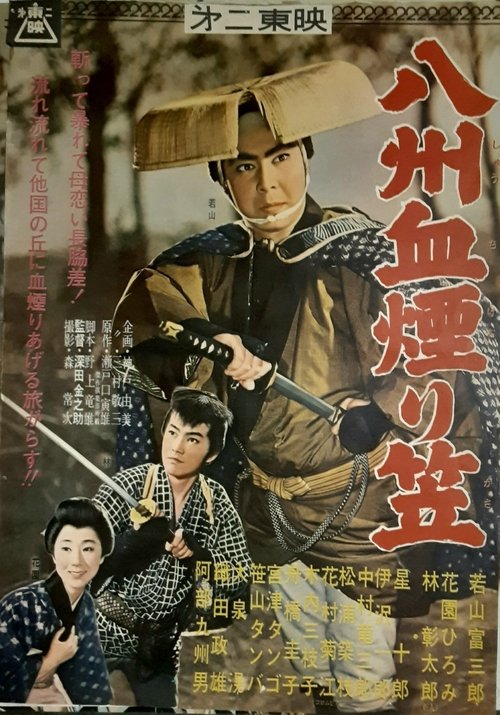
Lord Mito 2: The Nation's Vice Shogun
8.2

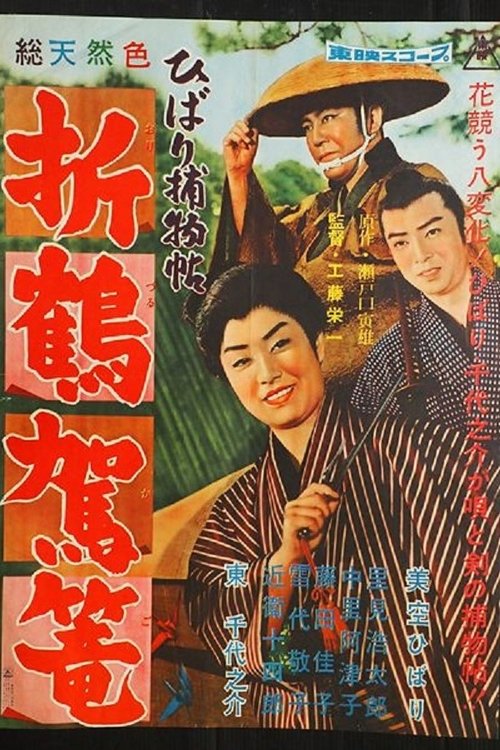
After settling the matter of shogunal succession, the retired Old Lord of Mito finds himself in a sea of trouble when he gets involved in the succession of the Takamatsu clan. The usurpers try by every means to effect their takeover, even if it leads to blood being spilled. Along with Kaku and Suke, the elder must face the most dangerous time of his life, in a battle against those corrupt individuals who would use any means to further their dastardly conspiracy, regardless of how many lives might be destroyed. The great Misora Hibari gives a bravura performance, as does the rest of this all-star cast. This is another outstanding effort on the part of the Toei Films, blending fact and fiction to bright back Japan’s golden era of the Genroku period.

Lord Mito 2: The Nation's Vice Shogun

1959Movie
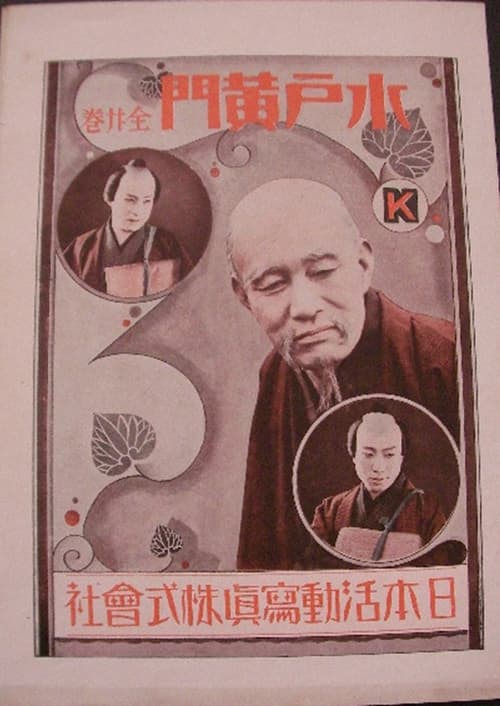
Shibukawa Bangorō
5.8

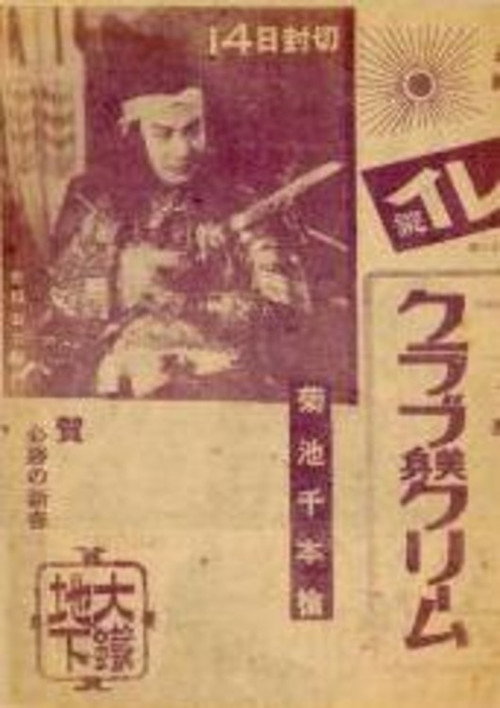
A film on the life of Shibukawa Bangorō, the founder of the Shibukawa-ryū school of jūjutsu. To paraphrase Satō Tadao’s blurb on the back cover of the video, this is an important film for three reasons. 1. it is an almost perfectly well preserved copy of one of only a few full-length movies still available of the first superstar in Japanese cinema history, the very famous Onoe Matsunosuke. 2. it uses a method that was common in the silent era, the dyeing/tinting of film to mark given moments of day (for ex., blue for night-time) or given situations (for ex., red for fire) – and even though most films that used this technique have been redeveloped in straight b&w, this one is available in its original form. 3. it is an early SFX (special effects) movie that uses the basic tools of the trade - a great action movie full of swordsmanship and monsters (bakemono).

Shibukawa Bangorō

1922Movie