Maria Zmarz-Koczanowicz
Directing
Biography
Maria Elżbieta Zmarz-Koczanowicz (born November 8, 1954) is a screenwriter, visual artist and film director. She graduated from the Wrocław Fine Arts Academy (1978) and the Radio and Television Faculty of the University of Silesia in Katowice (1982). In 2008 she got her PhD title in film art. Author of many documentaries awarded in Poland and abroad; in 1988 she received the Stanisław Wyspiański Award for career achievement in that area. She also makes feature films and TV Theatre plays. Lecturer of the Łódź Film School. In 2013 decorated with the Knight’s Cross of the Order of Polonia Restituta for “outstanding merit in researching, documenting and commemorating the history of March ‘68”.
Known For

Maria Zmarz-Koczanowicz directed this insightful TV documentary (2005) tracing the Polish filmmaker's career. Former classmates reminisce about Kieslowski's happy beginnings at the Lodz film school and how his dissatisfaction with some of his early documentaries prompted the dramatic work and stylistic experimentation that led to his monumental series of films The Decalogue (1989). Wim Wenders, Agnieszka Holland, and Juliette Binoche are among the many admirers weighing in on his hard-driving work methods and preoccupation with the ephemeral. In Polish, French, and German with subtitles.
Still Alive: A Film About Krzysztof Kieslowski

The year is 1989, and the country's first free elections in a long time are approaching. A man in a cycling cap organizes a chain of clean hands, using it as a tool in his election campaign. In the queue outside the passport office, people chat, make plans, and ponder what's worth selling abroad. Writers observe the world around them. One of them is applying for a passport. In Dzierżyński Square, the monument to Feliks Edmundowicz is being dismantled. Two drunk men sleep on a bench, and behind them is a sign reading: "All is well." The two writers observe the ongoing transformation of the political system.
At the End of the World
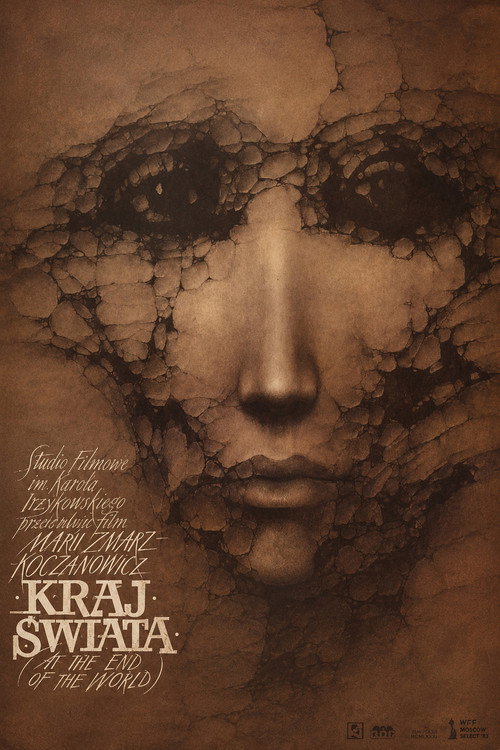
Did the 1989 revolution in Central Europe devour its children? This question is answered by representatives of the anti-communist opposition from Warsaw, Prague, Budapest and Berlin. The documentary shows images of the upheaval, with songs by Jacek Kaczmarski, Jaroslaw Hutka and Wolf Biermann as a backdrop.
Children of the Revolution

Zuzia, a very sensitive teenager with an artistic talent, is struggling with a drug addiction. Her brother, the film director, decides to take a closer look at the family to understand what might have caused this difficult situation.
Sister of Mine
A documentary, focusing on foreign successes of the Polish Master of the cinema - Andrzej Wajda. By using unique archival materials, home videos, fragments of his films - never shown before we would like to create a documentary about the great director who inspired a whole generations of filmmakers - including Martin Scorsese, Nikita Michałkow, Volker Schlondorff. The film will be based on the interviews with many outstanding creators of world cinema as well as the memories of his wife Krystyna Zachwatowicz. We want to reach the unknown foreign archival materials regarding Wajda, photos from the film set and festivals, as well as his personal journal notes from these events.
Wajda
A biographical documentary on Edward Zebrowski, a director, screenwriter, and educator. The film draws from his notes, revealing his thoughts on illness and history as human fate. Friends from the Film School in Lodz and the TOR Film Group, including Wojciech Marczewski and Agnieszka Holland, discuss his legendary status as a scandalmonger and thinker. His wives, Barbara Lisowska and Magdalena Jaworska, share intimate details of his life. Students Agnieszka Smoczynska and Adrian Panek speak respectfully of him. Zebrowski’s biography is complemented by excerpts from his school works and original films, with scenes featuring him in Zanussi’s films like “The Illumination.” Directed by Maria Zmarz-Koczanowicz, the documentary captures a reflective and nostalgic atmosphere, reflecting Zebrowski’s mature life and sense of lost opportunities.
Notes on Life. Edward Zebrowski
A subjective look at the city through the eyes of its inhabitants: artists, intellectuals, but also so-called ordinary people. Each of the characters portrayed "his Warsaw," so the film includes a wide variety of places - both generally known and those known to a few, both beautiful and well-kept, as well as those that arouse dislike.
Moja Warszawa
Bailiffs are people who collect material goods according to the court judgements. In bureaucratic communism, they become ruthless instruments of power, who sometimes resort to violence and don't care about human suffering.
The Office
A biographical portrait of Leszek Kolakowski, an outstanding philosopher and historian of ideas, certainly the most respected contemporary Polish intellectual in the world. It is a cinematic story of his ideological and personal life until 1968 (that is, the date of his departure from Poland).
Profesor. O Leszku Kołakowskim
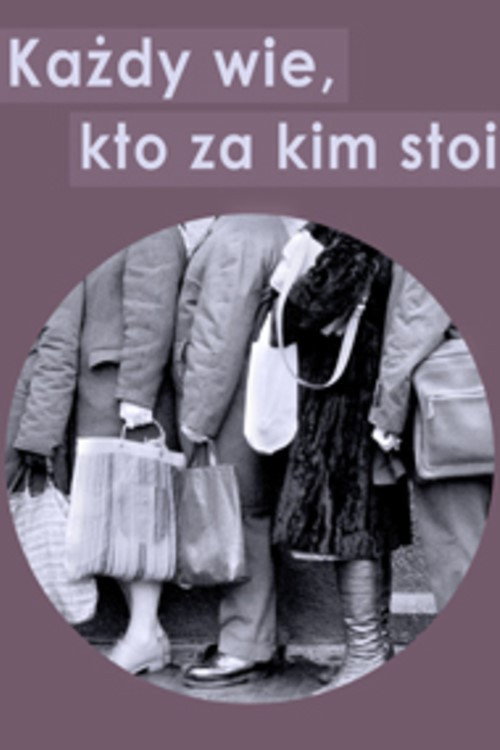
The 1980s Poland was a country of empty stores and long lines of people, standing all night and day to buy virtually anything. This film takes a look at such a gigantic queue and recreates its surreal dialogues and atmosphere.
Everyone Knows Who They Are Standing Behind
When, a dozen years ago, domestic music critics anxiously watched the conquest of the music market by songs of the italo disco genre, they did not expect that in just a few years a much worse mutant - disco-polo - would be born in Polish popular music. It all started at village weddings and parties, where local bands, having gotten their hands on a synthesizer, would serenade guests to dance.
Bara Bara

Full of archival flavors, the story of an aristocrat cursed by his family, a man of many faces and talents living in turbulent times. Who was August Zamoyski? A lover of female beauty, an athlete, a sculptor, and a citizen of the world who draws full attention from life?
Guczo. Notes on Life
The story of a journalist, member of the Communist Party and Solidarity, who gave up his profession during martial law and started selling bread.
Sprzedawca chleba
Disco polo, the most popular as well as criticised music genre of 1990s Poland, is discussed in this film by its creators and major stars.
Hanky Panky
On January 30, 1968, the staging of "Dziady", directed by Kazimierz Dejmek, was taken off the billboard of the capital's National Theater. Warsaw students protested against the decision of the highest party and state authorities - after all, it was not made independently and courageously by censors from the nomen omen Mysia Street - by convening a rally at the monument to Adam Mickiewicz.
Zwyczajny marzec
With the emergence of techno music, a new lifestyle and way of spending free time was born, and discos gave way to clubs. Fans of this music, who seek an everyday escape from reality in techno and related trends (trance, trans energy, house, progressive house, badboybreaks, drum-bass, and many others), a way to manifest their separateness from the adult world, to break out of the prevailing patterns, call themselves new hippies.
Miłość do płyty winylowej
The documentary Generation ’89 portrays the so-called Generation of the Great Change. They are the members of the first generation who lived their own adulthood in the Third Republic. Young people, currently in their thirties, most of them were sitting at school in 1989. They were born in around 1968. The system change reached them during their university studies, which allowed them to decide about their own future freely and independently. The documentary allows an inspection into the individuals of the Generation ’89, who were mature adults when entering the Third Republic. Generation ’89 shows their heroes’ success and failures, worries and fears, as well as, presents the past two decades of the Polish freedom.
Generation '89

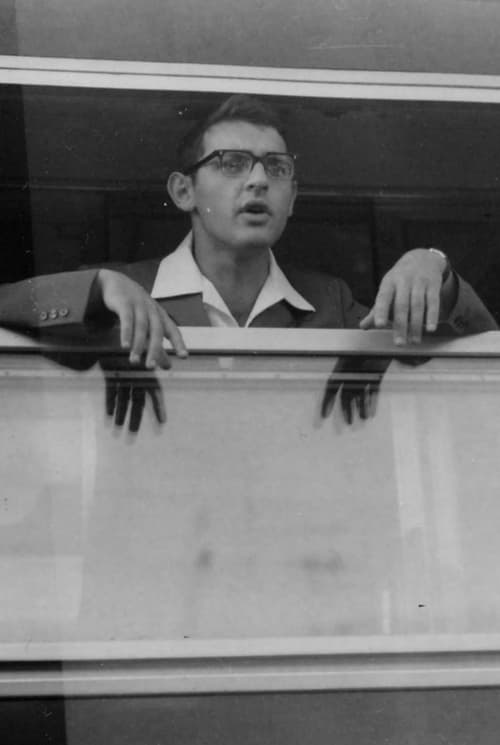
Polish Jews, who were forced to leave their country in 1968, meet every year in Ashkelon. After nearly 40 years, they share their memories of exile, loss and regret, and still consider themselves Polish.
Gdanski Railway Station
Krzysztof Jackowski, Poland's most famous clairvoyant, works in Poland and abroad. He lives in Człuchów in Pomerania with his wife and two children. He mainly searches for missing people based on their photographs and clothing. Hundreds of documents confirm the clairvoyant's achievements.
Jasnowidz
A comic glimpse at the small-town politics where all the functions and privileges are in the hands of one local leader. Despite being a man, he even becomes the chairman of the Women's League.