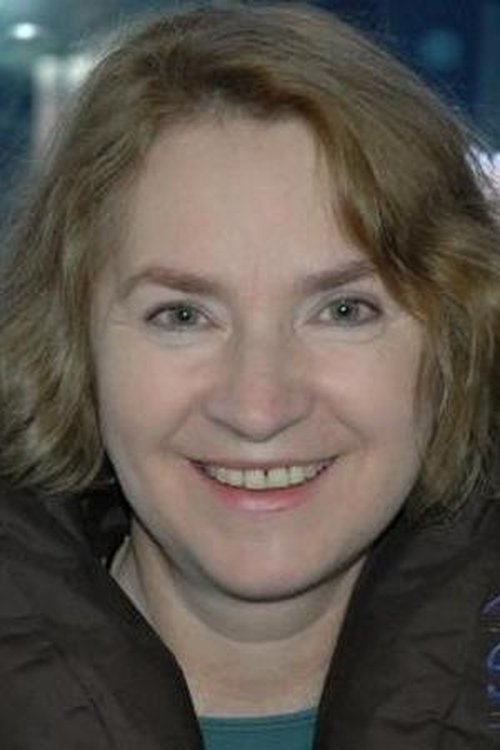
Jolanta Grusznic
Acting
Known For
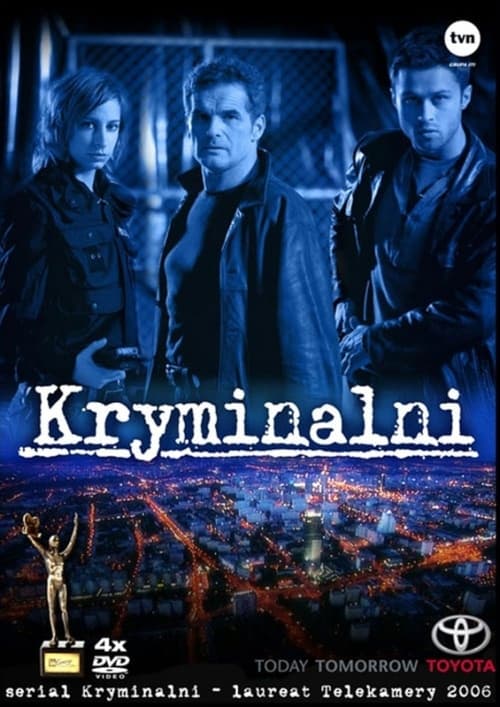
Kryminalni was a Polish crime drama television series that aired on TVN network from September 18, 2004 until May 24, 2008. It ran for 8 seasons and 101 episodes were broadcast in total. It was created by Polish director and screenwriter Piotr Wereśniak and produced by MTL Maxfilm studio. The series followed life and work of police officers from the elite Criminal Terror and Murders Division of the Warsaw Metropolitan Police; the title refers to police officers in the crime section. The three main characters were Adam Zawada, an experienced, tough cup, his younger colleague Marek Brodecki and Barbara Storosz, an ambitious female officer who in the first season joins the team just after graduating. Although none of the main actors had had star status before the series debuted, all three of them rose to prominence and popularity during the 5-year-long run. Many of Poland's best known actors guest starred, usually playing roles of people involved in just one particular investigation. The serial was one of the most popular in Poland: each week it had an audience of 4 million.
Kryminalni
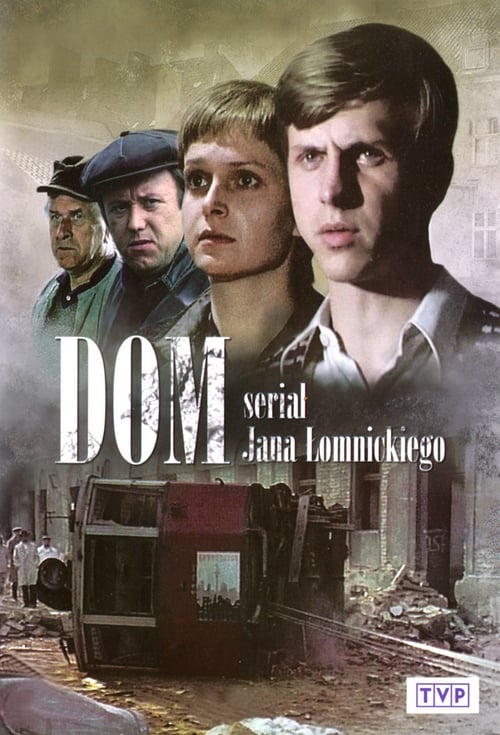
The story of the residents of a tenement house on Złota Street in Warsaw from 1945 to 1980.
Dom
A story about the professional and personal struggles of the lawyers at a law firm in a town near Warsaw. In their work, they encounter a wide range of human problems, while often dealing with complicated family lives of their own.
Zespół adwokacki
No description available.
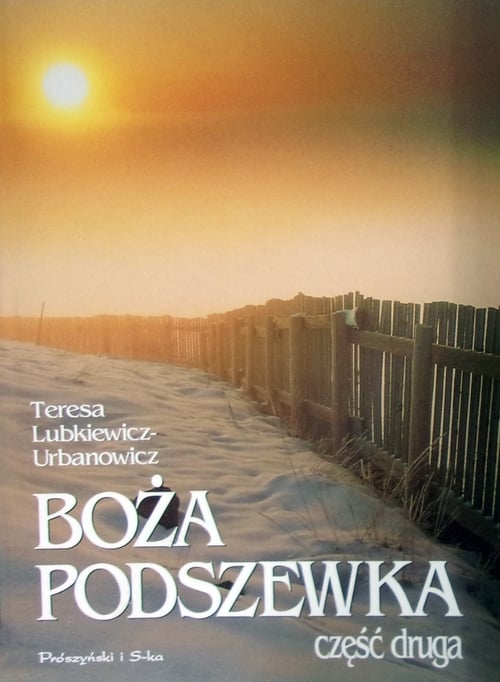
Boża podszewka. Część druga

Anthropology professor Michal develops two overwhelming obsessions. The first one is a mummified, 3,000 year-old, perfectly preserved body of a shaman he and his colleagues have recently dragged out of a swamp. The second is an enigmatic student he meets by chance at a railway station.
Szamanka
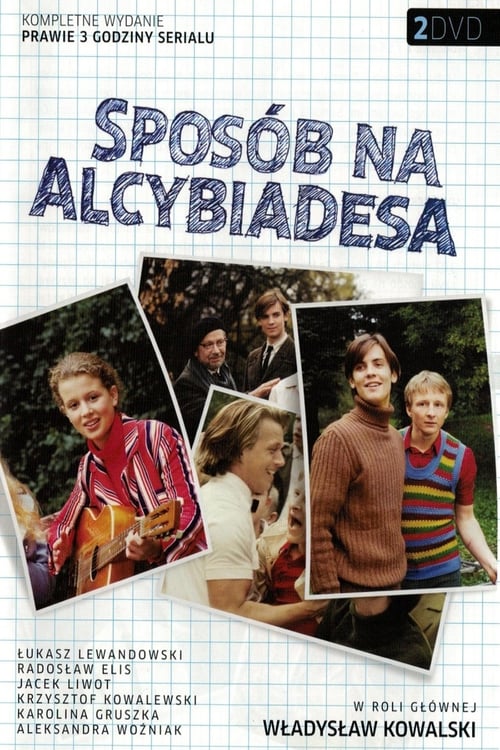
An adaptation of Edmund Niziurski’s novel of the same title.
Sposób na Alcybiadesa
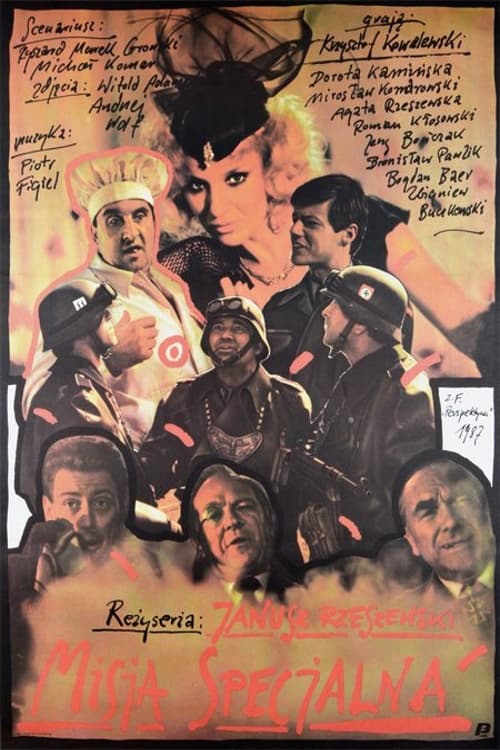
In 1943, a drunk cook is mistaken for a secret agent and sent on a special mission from London to Nazi-occupied Poland.
Special Mission
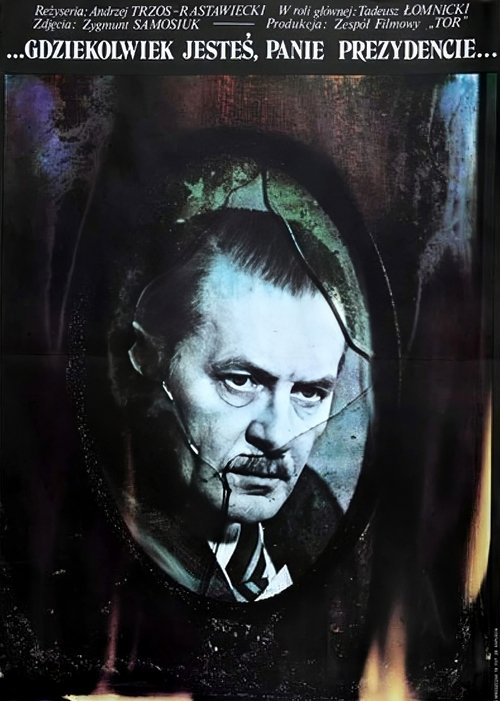
Stefan Starzyński, the mayor of Warsaw, organizes life in the capital in September 1939 and lift the inhabitants' spirits via radio announcements. After the surrender, he does not use his last chance to escape.
Wherever You Are, Mr. President
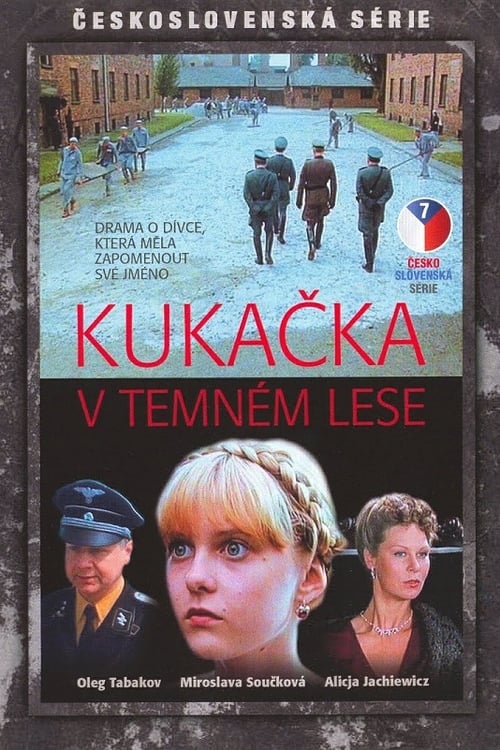
Set in World War 2 as the Germans occupy Czechoslovakia, teenage Emilka's father is murdered by the Nazis, but she is selected for special treatment by virtue of being blonde. She is billeted with the commandant of a concentration camp near the Baltic coast, where his kindness towards her provokes his wife's jealousy, but is compromised when Emilka witnesses his brutality towards the prisoners.
Cuckoo in a Dark Forest
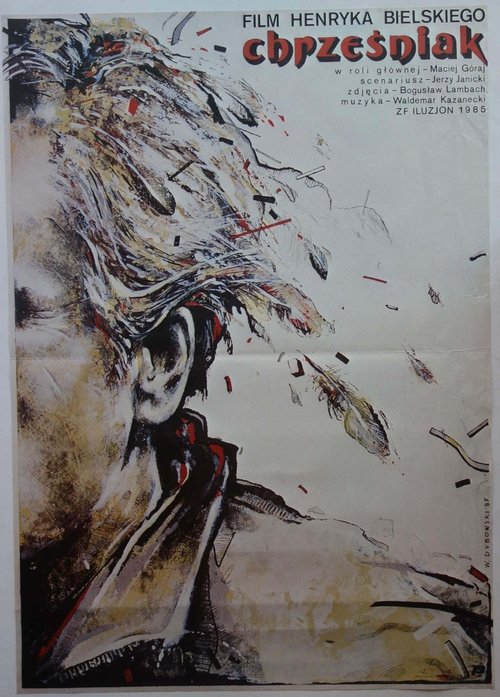
The film depicts three days in the life of a state farm director, during which he celebrates his 40th birthday. He was adopted by four godfathers who have helped him throughout his life and have reached positions of prominence themselves. He makes a mistake at work turning away some foreigh investors and is required to cover the losses, but even his godfathers are unable to help him. He regains affection of his son instead.
Chrześniak
Wroclaw, 1997. The city is threatened by flooding. Hospitals are being evacuated. Young ambitious psychiatrist Konstanty Grot takes a catatonic patient to the bus. He is a severe case, not responding to any attempts at contact. However, when the bus starts moving, he unexpectedly makes a gesture that awakens certain memories in the doctor. The psychiatrist decides to apply an unusual therapy.
Case Unknown
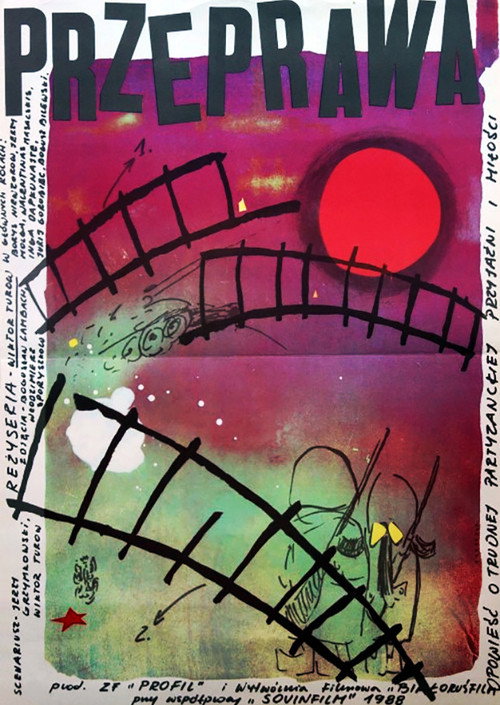
WWII. Joined forces of Polish and Russian partisans (despite they are in conflict) stand against German Sturmwind I & II actions.
The Crossing
The image of Greater Poland in the breakthrough years 1913-1918. It tells about the fate of Polish junior high school students and their attitude towards the Prussian partitioning authorities, activity in the independence underground, and participation in the preparations for the Greater Poland Uprising.
Republika nadziei
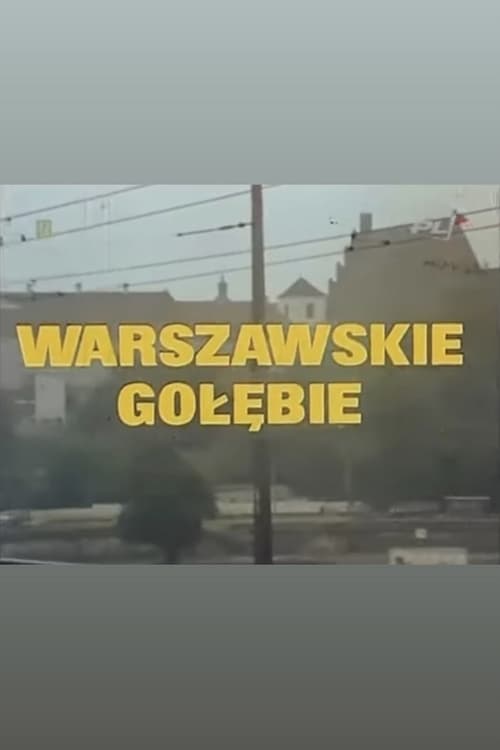
Wacław Kaczmarski has been breeding pigeons for many years, which is a family tradition (his grandfather and father bred pigeons before him). The birds are an important part of his life; he spends every free moment with them, and they are his escape from everyday worries. Kaczmarski and his family live in Targówek in old apartments that are scheduled for demolition. He gets a new apartment in Ursynów, where he immediately installs pigeon boxes on the balcony. The neighbors are outraged.
Warszawskie gołębie
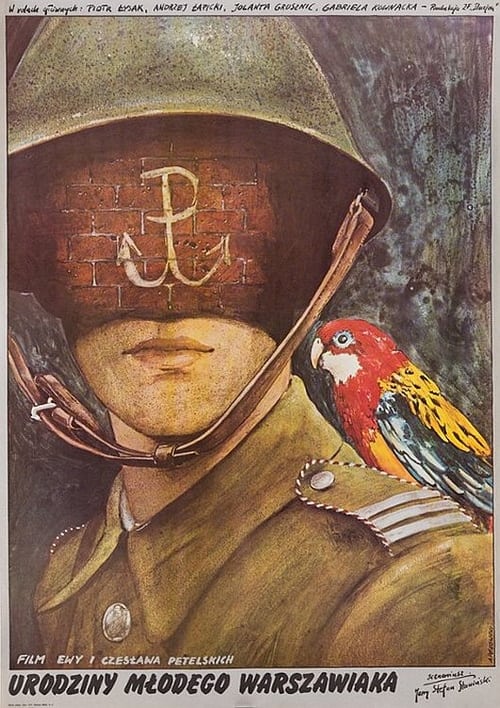
The four sequences in the film cover four days in a life of young Warsaw lad in September 1938, 1939, 1943 and 1944. In the first sequence Jurek decides not to study in the Sorbonne but enlists in a Polish military school instead. In the second sequence the war starts and Warsaw is occupied. In the third sequence he works in the underground resistance. The final sequence takes place during the Warsaw uprising.
The Birthday
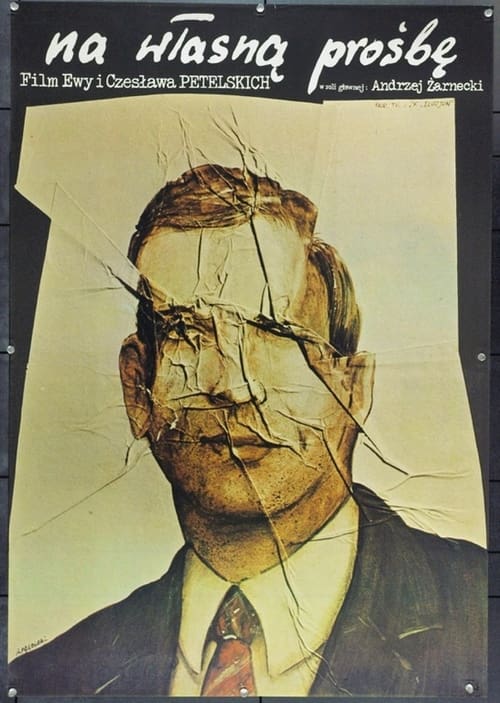
The story is of an engineer in conflict with his superior. He won't go along with the ususal corruption and conformity. He is left to himself amid indifference and ineptitude by his fellow workers and the management.
Na własną prośbę
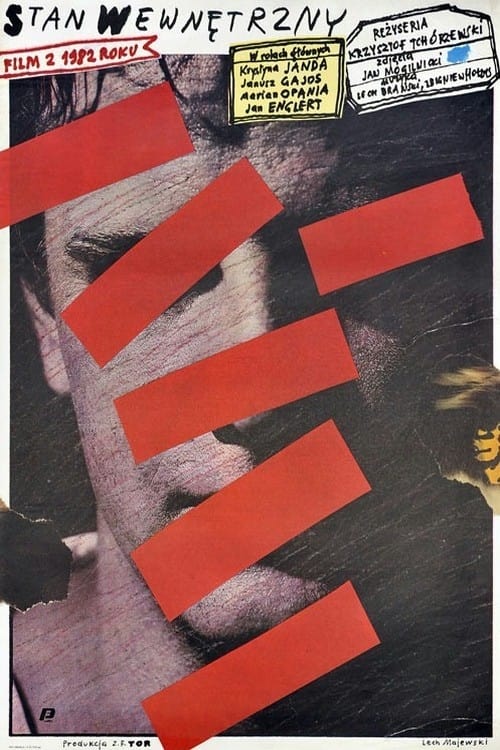
December, 1981. World-class champion Ewa Jaskólska is looking forward to a cruise around the world with her yacht. At her farewell party, several people are present that are connected to the new Solidarnośc movement. The guests are filmed by a TV journalist. The introduction of the martial law in Poland leads to problems for all people involved. Can Ewa go back to her home country after these dramatic changes in Poland?
Inner State
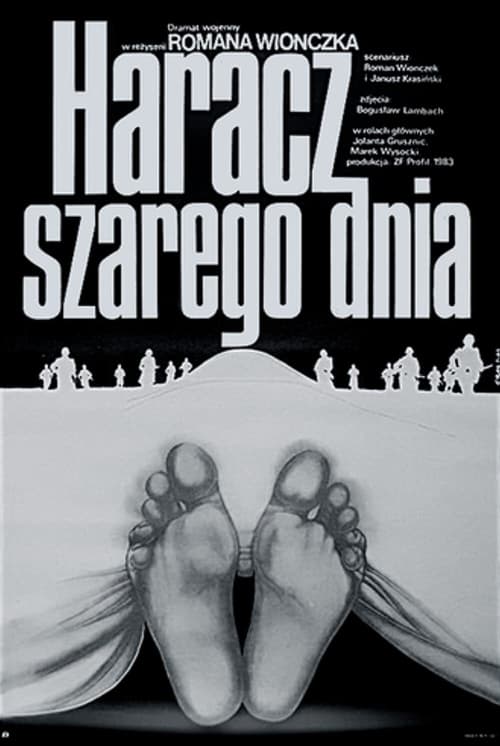
The year 1943. The Second World War is on. A group of partisans, which includes, among others, the young poet Gonczar, his friend Włodek and Zosia, are ordered to blow up a railway bridge during a military transport crossing. The task is completed, but with great losses.
Tribute to a Gray Day
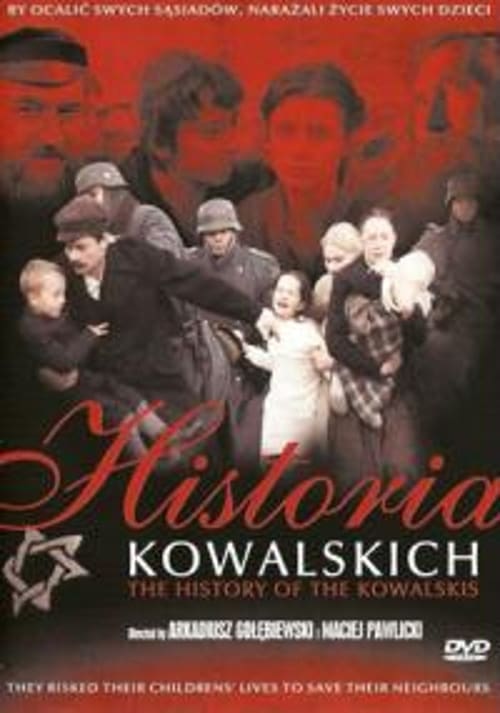
No description available.
Historia Kowalskich
After the death of the director of the Polish company "Gont", the competition for his position begins. It is attended by the chief accountant Joachim Mackiewicz. However, the fight for the director's chair is skilfully manipulated by a certain Szczurowski. Mackiewicz, who wants to remain honest at all costs, quickly becomes his victim. At the same time, serious problems arise in Joachim's life.