Acting
Play for Today is a British television anthology drama series, produced by the BBC and transmitted on BBC1 from 1970 to 1984. During the run, more than three hundred programmes, featuring original television plays, and adaptations of stage plays and novels, were transmitted. The individual episodes were between fifty and a hundred minutes in duration.
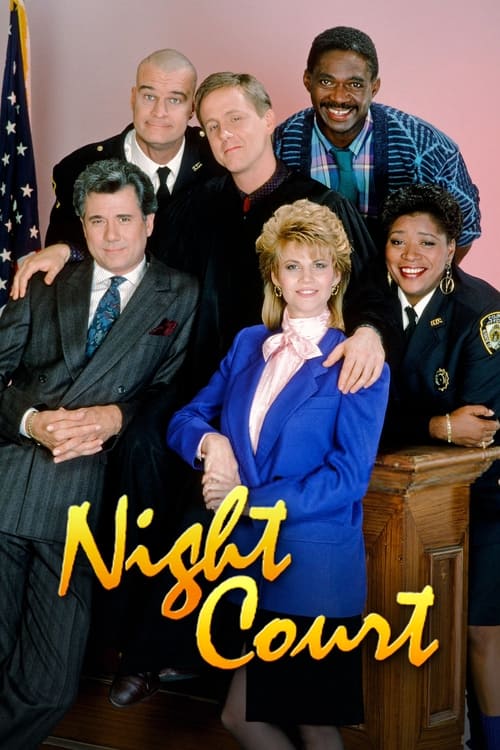
An eccentric fun-loving judge presides over an urban night court and all the silliness going on there.
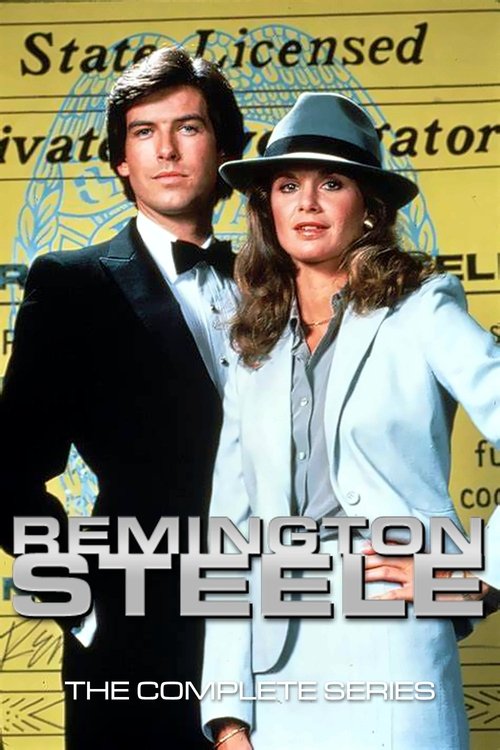
Laura Holt, a licensed private detective, opens a detective agency but finds that potential clients refuse to hire a woman, however qualified. To solve the problem, Laura invents a fictitious male superior whom she names Remington Steele. Through a series of events that unfold in the first episode, "License to Steele," a former thief and con man, whose real name is never revealed, assumes the identity of Remington Steele. Behind the scenes, Laura remains firmly in charge.
An anthology series of television plays which aired on BBC1 from October 1964 to May 1970. The plays were usually written for television, although adaptations from other sources also featured.
Theatre 625 is a British television drama anthology series, produced by the BBC and transmitted on BBC2 from 1964 to 1968. It was one of the first regular programmes in the line-up of the channel, and the title referred to its production and transmission being in the higher-definition 625-line format, which only BBC2 used at the time.
Danger Man is a British television series which was broadcast between 1960 and 1962, and again between 1964 and 1968. The series featured Patrick McGoohan as secret agent John Drake. Ralph Smart created the programme and wrote many of the scripts. Danger Man was financed by Lew Grade's ITC Entertainment.
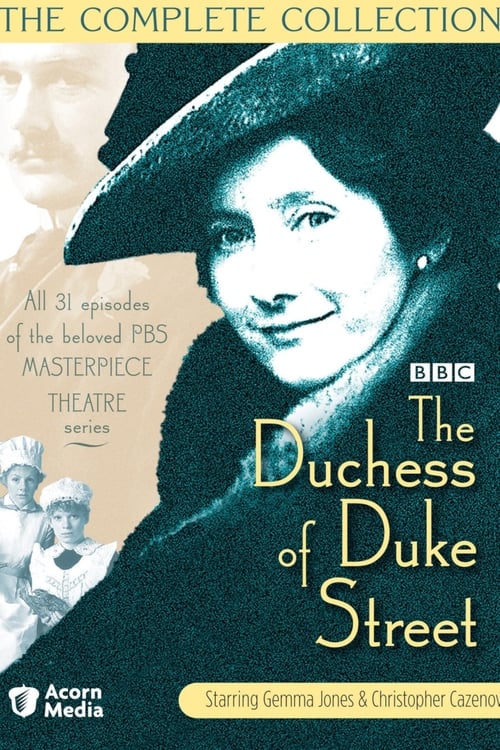
In Victorian London, Louisa Leyton works her way up from servant to renowned cook to proprietress of the upper-class Bentinck Hotel in Duke Street, St James's.
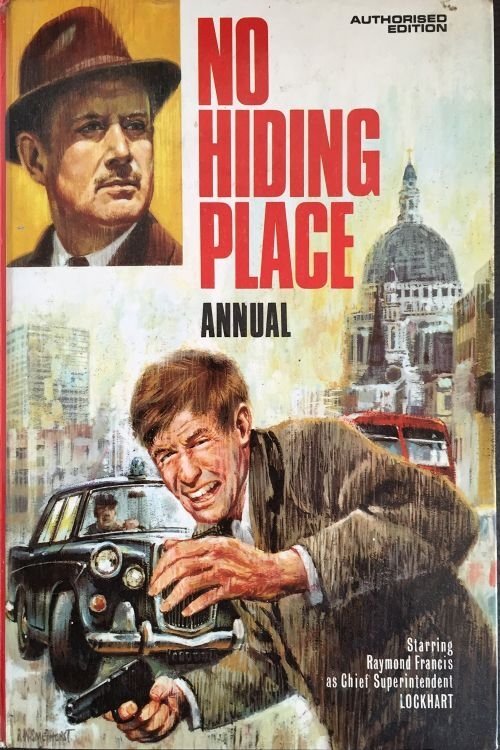
No Hiding Place is a British television series that was produced at Wembley Studios by Associated-Rediffusion for the ITV network between 16 September 1959 and 22 June 1967. It was the sequel to the series Murder Bag and Crime Sheet, all starring Raymond Francis as Detective Superintendent, later Detective Chief Superintendent Tom Lockhart.
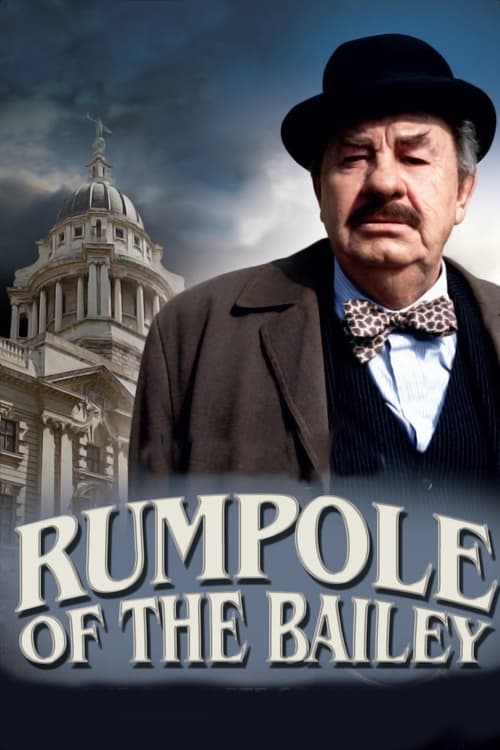
Rumpole of the Bailey is a British television series created and written by the British writer and barrister John Mortimer. It stars Leo McKern as Horace Rumpole, an aging London barrister who defends any and all clients, and has been spun off into a series of short stories, novels, and radio programmes.
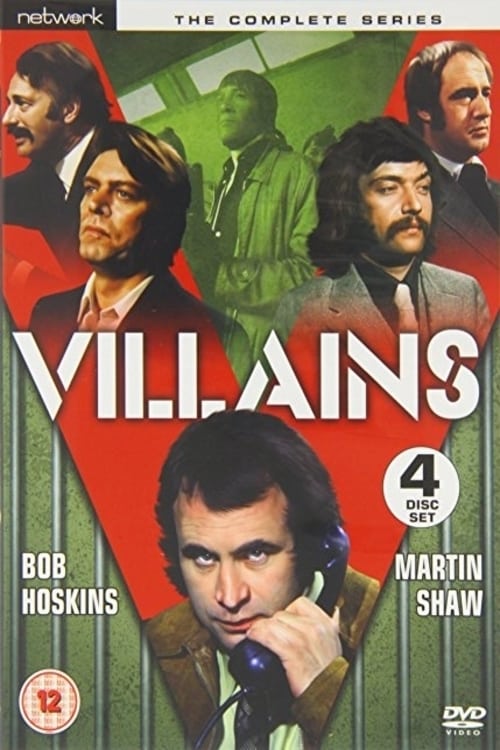
Follows the linked fates of nine bank robbers, led by George. It begins with the nine men meeting in prison during their appeal and traces each individual after the group escape from custody.
Sunday Night Theatre was a long-running series of televised live television plays screened by BBC Television from early 1950 until 1959. The productions for the first five years or so of the run were re-staged live the following Thursday, partly because of technical limitations in this era, and the theatrical basis of early television drama. Some of the earliest collaborations between Rudolph Cartier and Nigel Neale were produced for this series, including Arrow to the Heart and Nineteen Eighty-Four. The Sunday night drama slot was subsequently renamed The Sunday-Night Play which ran for four seasons between 1960 and 1963. ITV transmitted its own unrelated run of Sunday Night Theatre between 1971 and 1974.
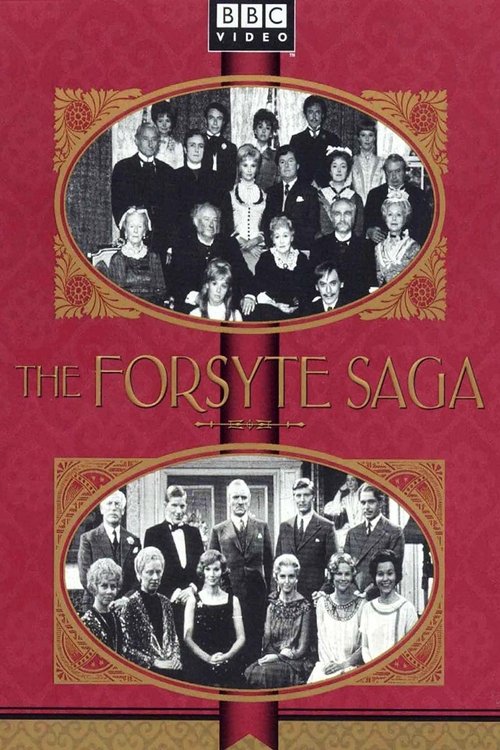
The Forsyte Saga is a 1967 BBC television adaptation of John Galsworthy's series of The Forsyte Saga novels, and its sequel trilogy A Modern Comedy. The series follows the fortunes of the upper middle class Forsyte family, and stars Eric Porter as Soames, Kenneth More as Young Jolyon and Nyree Dawn Porter as Irene. It was adapted for television and produced by Donald Wilson and was originally shown in twenty-six episodes on Saturday evenings between 7 January and 1 July 1967 on BBC2, at a time when only a small proportion of the population had television sets able to receive this channel. It was therefore the repeat on Sunday evenings on BBC1 starting on 8 September 1968 that secured the programme's success with 18 million tuning in for the final episode in 1969. It was shown in the United States on public television and broadcast all over the world, and became the first BBC television series to be sold to the Soviet Union.
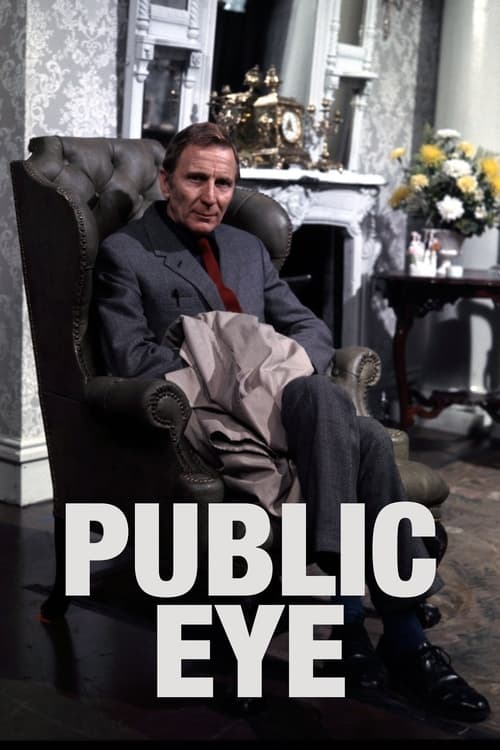
Public Eye is a British television drama broadcast from 1965 to 1975 on ITV1. Produced by ABC Television for three series, and Thames Television for a further four, the programme follows the investigations and cases handled by the unglamourous enquiry agent Frank Marker.
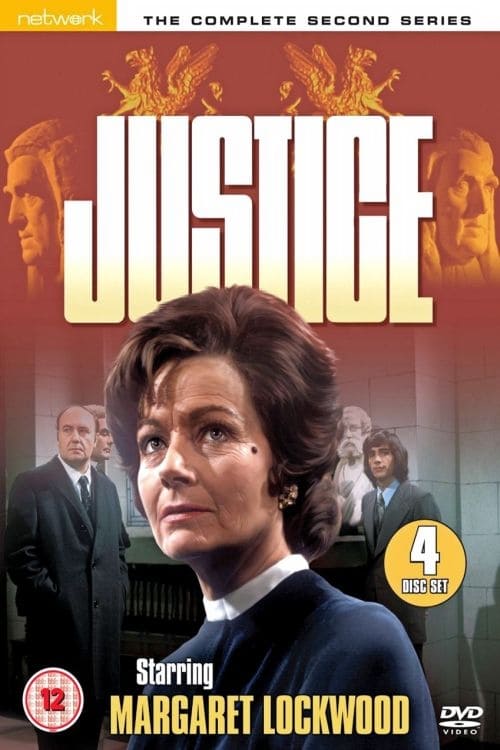
Justice is a British drama television series which originally aired on ITV in 39 hour-long episodes between 8 August 1971 and 16 October 1974. Margaret Lockwood stars as Harriet Peterson a female barrister in the North of England. It was made by Yorkshire Television and was based loosely on Justice Is a Woman, an episode of ITV Playhouse broadcast in 1969 in which Lockwood had previously also played a barrister. The theme music was Crown Imperial by William Walton.
A prince and a fellowship of companions set out to rescue his bride from a fortress of alien invaders who have arrived on their home planet.
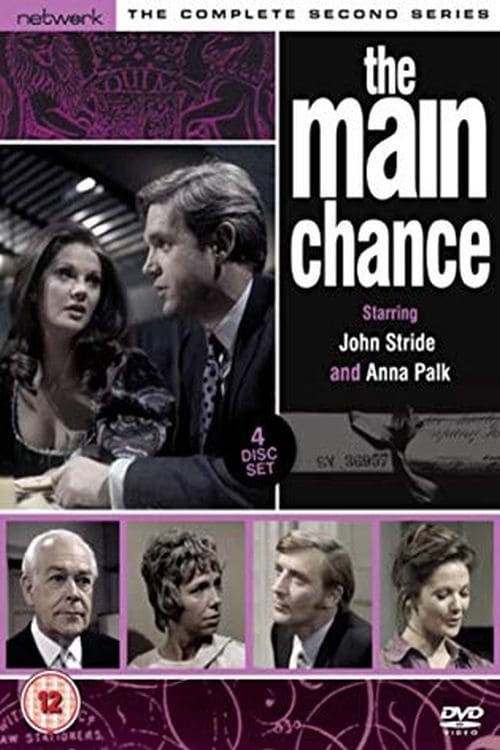
The Main Chance was a British television series which first aired on ITV between 1969,1970,1972 and 1975. A drama, it depicts the sudden transformation in the life of solicitor David Main who relocates from London to Leeds.
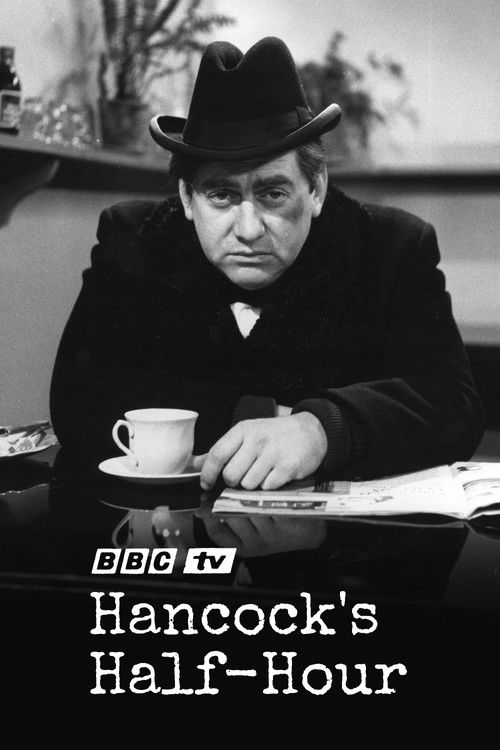
Hancock's Half Hour is a BBC television comedy series of the 1950s and 60s written by Ray Galton and Alan Simpson. The series starred Tony Hancock with Sid James. The final series, renamed simply Hancock, starred Hancock alone. Comedian Tony Hancock starred in the show, playing an exaggerated and much poorer version of his own character and lifestyle, Anthony Aloysius St John Hancock, a down-at-heel comedian living at the dilapidated 23 Railway Cuttings in East Cheam. The series was influential in the development of the situation comedy, with its move away from radio variety towards a focus on character development.
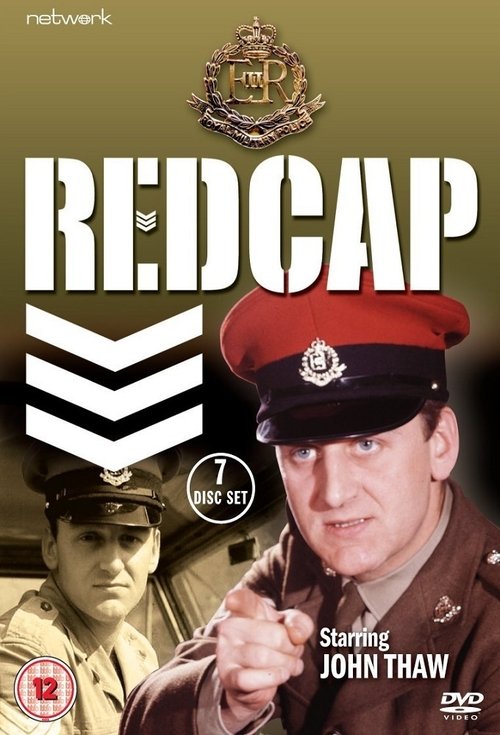
Redcap is a British television series produced by ABC Weekend Television for ITV. John Thaw stars as Sergeant John Mann, a member of the Special Investigation Branch of the Royal Military Police. It ran for 26 episodes over two series between 1964 and 1966, being about 50 minutes in a 60 minute time slot. Surprisingly for a 1960s ABC Weekend Television programme, 23 of the 26 episodes still exist.
London itself takes the starring role in this series of plays from the BBC – a role which varies between hero and villain, enchantress and harpy. The series features extensive location filming, ranging from Soho to the Law Courts, Wembley to the docks. Of the twelve episodes, eleven are believed to be lost.
A medieval wizard (though not a very good one) Catweazle is transported to the modern age... A British television series, created and written by Richard Carpenter which was produced and directed by Quentin Lawrence for London Weekend Television under the LWI banner, and screened in the UK on ITV in 1970. A second season in 1971 was directed by David Reid and David Lane. Both series had thirteen episodes each, with Geoffrey Bayldon playing the leading role. The series was broadcast in Ireland, Britain, Gibraltar, New Zealand, The Netherlands, Germany, Australia, Sweden, Norway, Iceland, Czechoslovakia, Nicaragua and Quebec. The first episode is available to view in full at the BFI Screenonline site.