Acting
Roy Norris, a young author, proposes to pretty Mary Ford and is accepted. The first year or more of their married life is one of bliss, made all the sweeter by the arrival of their first-born. The little trio, father, mother, baby, are bound together by love, until unreasonable jealousy possesses the young couple. While at work in his studio, the young author is visited by his wife just as he is complimenting his stenographer on her valuable aid, and from this the wife sees grounds tor suspicion. On the other hand, the young husband, seeing his wife talking to a stranger, becomes suspicious.
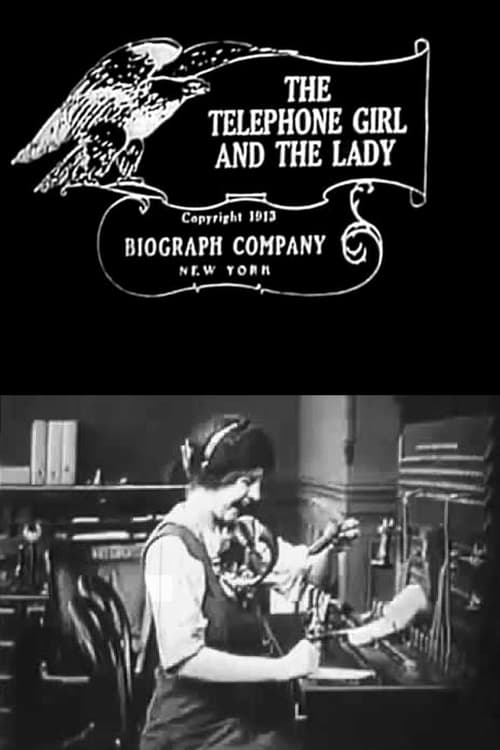
D.W. Griffith short intercuts two different stories before mixing them together at the end. The film focuses on a telephone girl who leaves work for her lunch break at the same time as "The Lady" goes to a jewelry store to pick up some priceless jewels. When the telephone girl returns to work she gets a phone call from the house of "The Lady" as a robber has broken in and is trying to steal the jewels.
Nine-year-old Nedda is a direct descendant of the Trevors, a family that can trace its roots back to the reign of King Charles I. Alas, the Trevors suffer severe financial reverses, and Nedda is yanked from the luxury of her ancestral home in Britain to be raised on New York's Lower East Side. Ten years later, the grown-up Nedda stands accused of the murder of her mother.
A crooked lawyer sells his car.
A lonely young woman lives with her strict father who forbids her to wear make-up. One day at an ice cream social, she meets a young man you seems interested in her. However, unknown to her, he is a burglar who is only interested in breaking into her father's house. One night she is awakened by a noise.
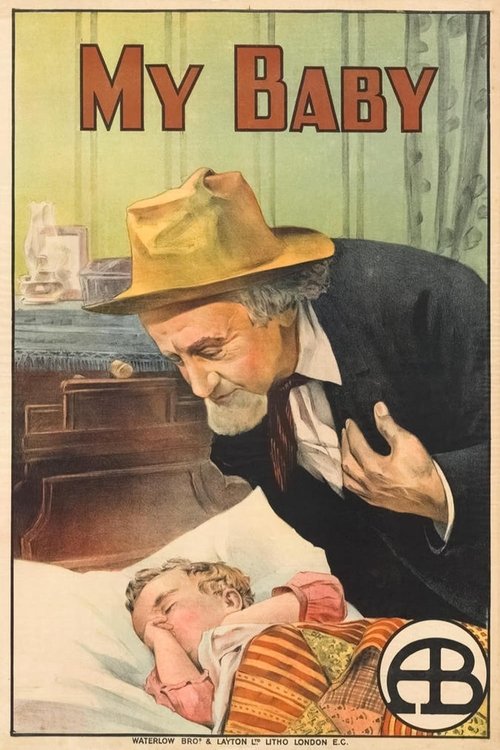
When the double wedding takes two daughters away from the old man at once, the youngest, now the only one left, in outraged spirit promises never to leave her father, but soon she too is departing for a new home. Then comes a cold hard fact of life. The son-in-law claims his right to make a home alone for his wife. In his bitterness and anger, the father denies them both the house. Several years later the lonely old man meets at the gate a babe in arms. When he learns whose baby it is, heart hunger craves another sight, and sought, brings with it the only natural result.
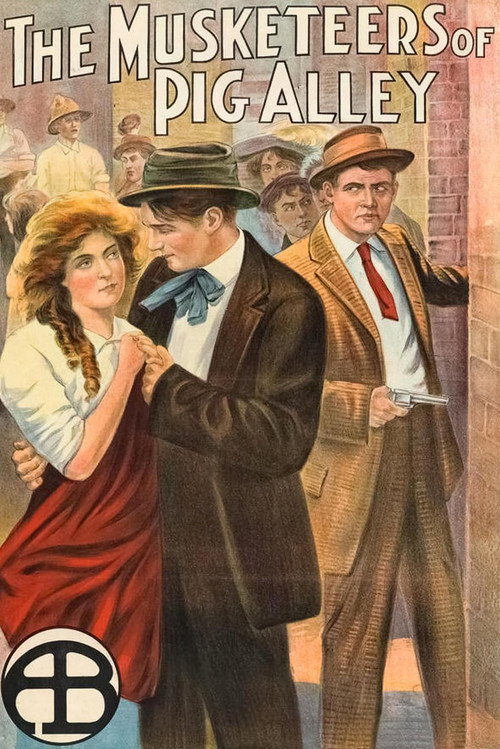
A man recognizes the thief who had previously robbed him as one of the men involved in an unrelated mob shootout.
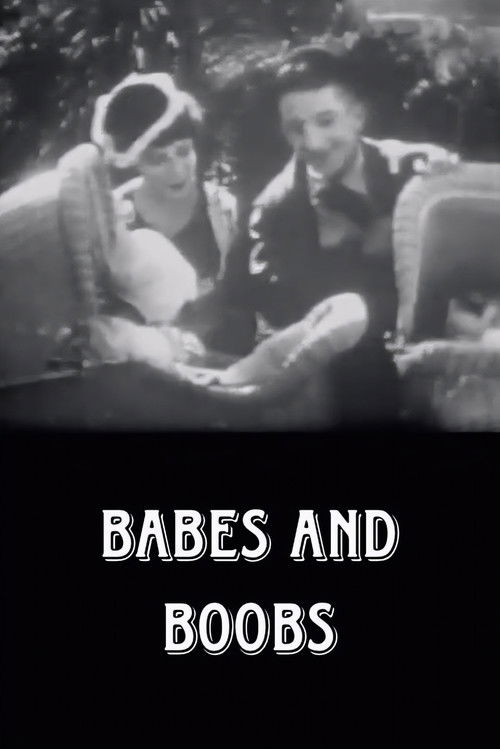
A young couple and their new baby are walking down the street when the wife decides to stop in at a store, and the husband agrees to wait outside with the baby in the carriage. He spots a pretty maid sitting on a bench with a baby in the same kind of carriage and goes over to flirt with her.
The Roman setting provides ample opportunity for a very high concentration of gag titles, many of which are quite witty and many of which are quaint for deriving their humor from the juxtaposition of having ancient Romans use a lot of hip 1918-era slang. The whole thing is an excuse for a good send-up of how the Roman Empire has been depicted in "serious" plays, movies, &c.
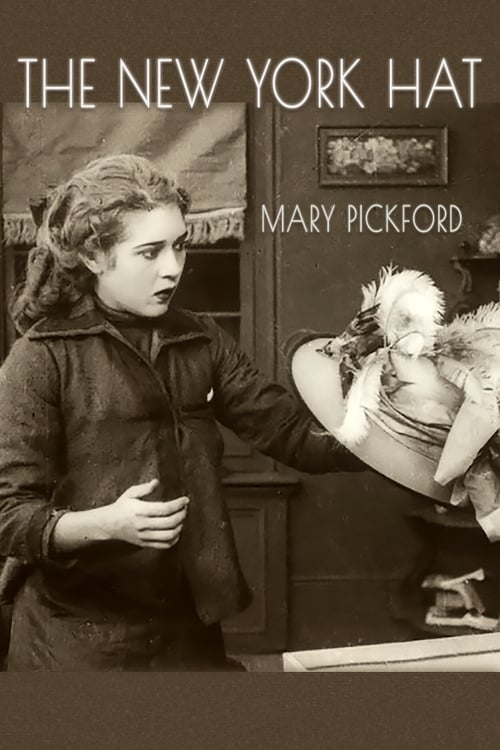
To fulfill a dying mother's bequest for her daughter, the town pastor purchases the daughter a stylish hat, and gossip spreads through the town.
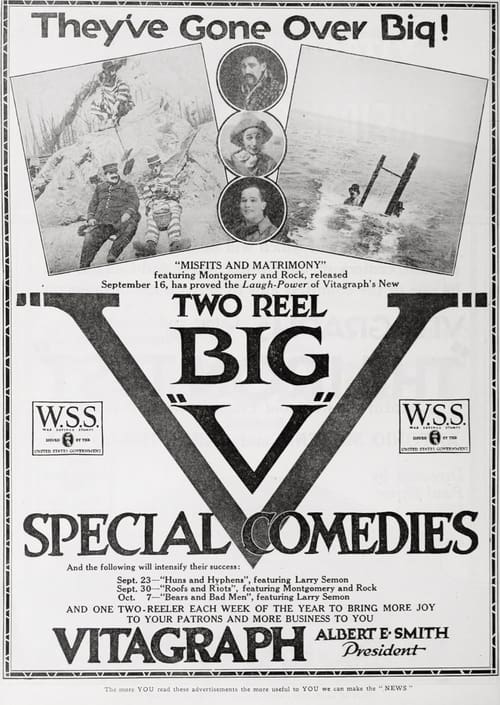
Bears and Bad Men is a 1918 silent comedy film directed by Larry Semon[1] and featuring Stan Laurel.
No description available.
A man decides to stage a fake robbery in front of his girlfriend's father (who doesn't like him), hoping it will make the father change his opinion. Unfortunately, real crooks wind up taking the money from the "robbery", and the boyfriend has to get it back.
When his father commits suicide after being ruined by dishonest stockbroker Abner Hinman, Randolph Shorb resolves to gain revenge and rebuild his fortune by whatever means necessary.
Larry Semon comedy.
Whoever can make the sale of an order for noodles exactly five feet long to the customer in the black beard and white carnation gets to marry the boss' beautiful daughter, Madge Kirby
A Hank Mann slapstick comedy where he plays a Junk Dealer's Helper.
Hank Mann heads Way Out West in this silent comedy.
The misadventures of a hotel bell hop played by Hank Man
A mild-mannered, well-meaning but bumbling janitor gets unwittingly involved in a battle between two opposing political groups, with each side trying to use him to destroy the other, and the secret police--who have already thrown him out of their office when he worked there--watching all of them.