Antonio Reynoso
Crew
Biography
Antonio Reynoso (1916–1996) was a pioneering Mexican photographer and cinematographer born in Toluca. From 1936 to 1940, he studied painting with Manuel Rodríguez Lozano at the Academia de San Carlos before shifting his focus to photography under the tutelage of Manuel Álvarez Bravo from 1940 to 1943 at the same institution. His early work received international attention in 1943 when he exhibited six photographs—including images depicting Día de Muertos, a tomb, a portrait of Nefero, a girl plucking birds, indigenous people in a park, and scenes titled Alegría and Muerte en la vecindad—in the “Mexican Art Today” exhibition at the Philadelphia Museum of Art. This exposure was further bolstered in 1944 when he participated in exhibitions at both the Museum of Modern Art (MoMA) in New York and the San Francisco Museum of Art. In 1950, his film “Una ventana a la vida”—directed by Manuel Rodríguez Lozano with a script by Rodolfo Usigli—was shown in Paris, although the film has since been lost. Throughout the 1960s, Reynoso continued to expand his artistic reach. He participated in the “Lágrimas y Risas” exhibition at the Centro Israelita de México, directed the short film “El Despojo” (with a screenplay by Juan Rulfo and cinematography by Rafael Corkidi), and contributed as a cinematographer to several projects. These included working on “La Creación artística. José Luis Cuevas” (1964) and “Tajimara” (1965), both directed by Juan José Gurrola; “Fando y Lis” (1967) by Alejandro Jodorowsky; and “A Hole in the Fog” (1967) by Archibaldo Burns. In 1968, he was appointed head of cameras for the filming of the XIX Olympic Games in Mexico. During the early 1970s, from 1971 to 1972, Reynoso participated in the filming of “La Magi,” directed by René Rebetez. His reputation as an important figure in Mexican photography was cemented in 1976 when he was included in the exhibition “10 Photographers in Mexican Plastic Arts.” The following year, he held a solo exhibition at Casa del Lago showcasing 13 images curated by Graciela Iturbide, which was part of a book project featuring a prologue by Salvador Elizondo. In 1978, he was featured in the “Photography in Mexico: 9 Photographers” exhibition at the Center for Creative Photography in Arizona, curated by René Verdugo. Reynoso’s international acclaim grew with his participation in the “Mexico: An Exhibit of Mexican Photographers” at the Taller Latinoamericano in New York City (1983–1984) and his solo exhibition at The Photographers Gallery in London in 1986. His work continued to garner global recognition in the 1990s, being shown in a collective exhibition in Kyoto, Japan titled “De la tierra viviente” in 1990, as well as in the “Photographie Mexico 192’-1922” exhibition at Europalia and a solo exhibition at the Poliforum in 1993. Antonio Reynoso’s career left an indelible mark on both photography and cinematography in Mexico, and his work continues to be celebrated for its artistic innovation and cultural significance.
Known For

Fando and his partially paralysed lover Lis search for the mythical city of Tar.
Fando and Lis

Documentary about the XIX Olympic Games in Mexico City in 1968. Preserved by the Academy Film Archive in partnership with Sony Pictures Entertainment in 1999.
The Olympics in Mexico
Two stories: 'Tajimara' the platonic love of a couple; and 'Un Alma Pura' (A Pure Soul) about the incestuous love of some siblings.
The Beloved Ones
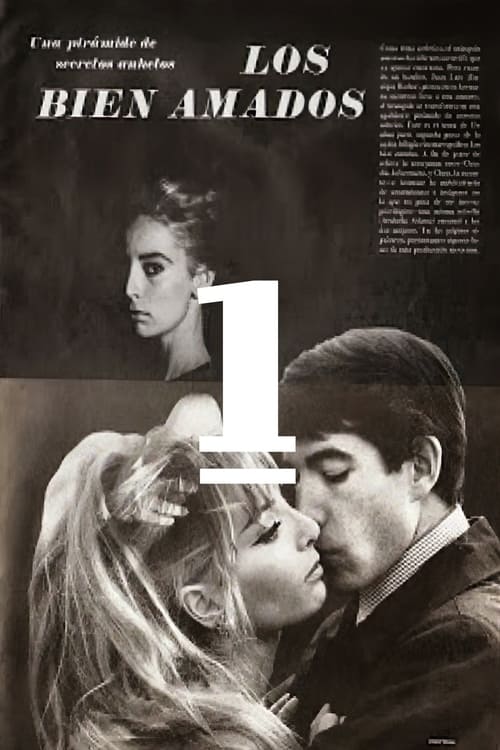
First of two films that make up the collaborative film "Los Bienamados" (The Beloved, 1965). It narrates the encounters and misunderstandings of a pair of lovers during the years, from their adolescence to maturity.
Tajimara
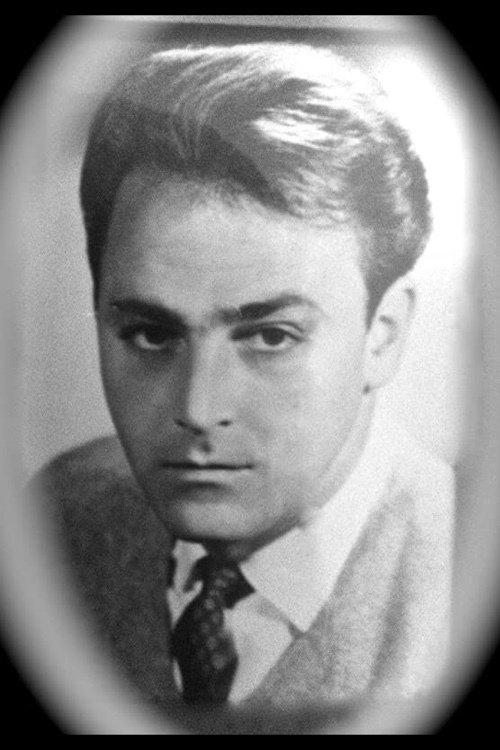
Luisa returns to her village, where she cares for her uncle on his deathbed, who tells her the story of his life with a hidden purpose.
The Shunammite
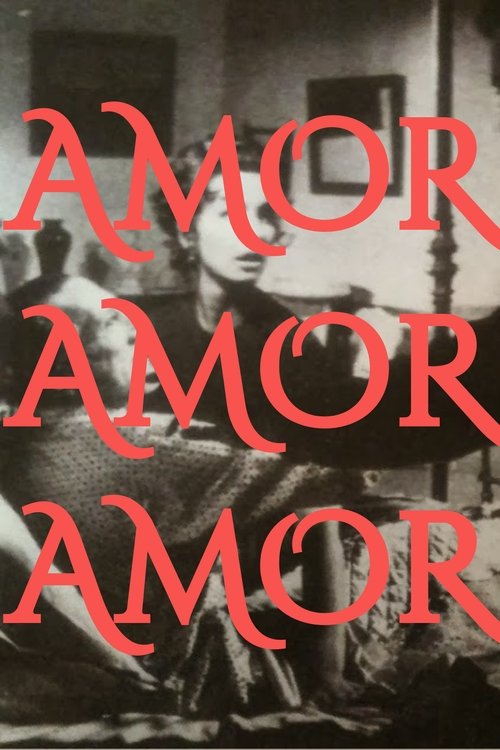
Four stories: The encounter between a soldier and a widow in a cemetery. A woman arrives as a maid in an unknown city where she discovers love. Another woman is tasked with caring for her lecherous uncle on his deathbed. A young man gets into trouble with his girlfriend's family when she suggests opening up their relationship.
Love Love Love
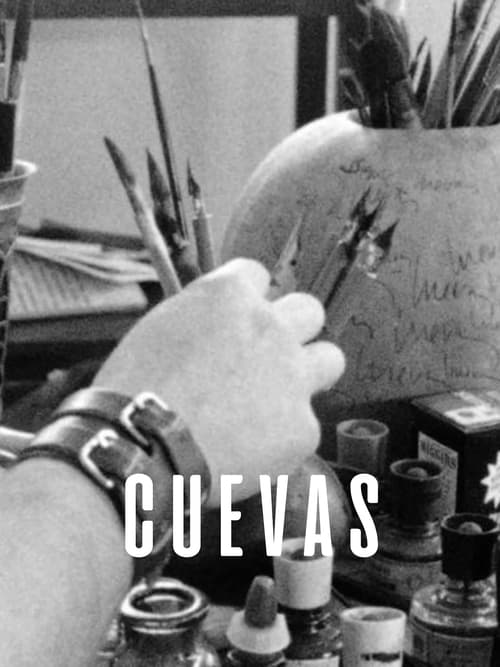
This short film focuses on Mexican artist José Luis Cuevas, who through his work challenged the conventions of Mexican muralism.
La creación artística. Cuevas
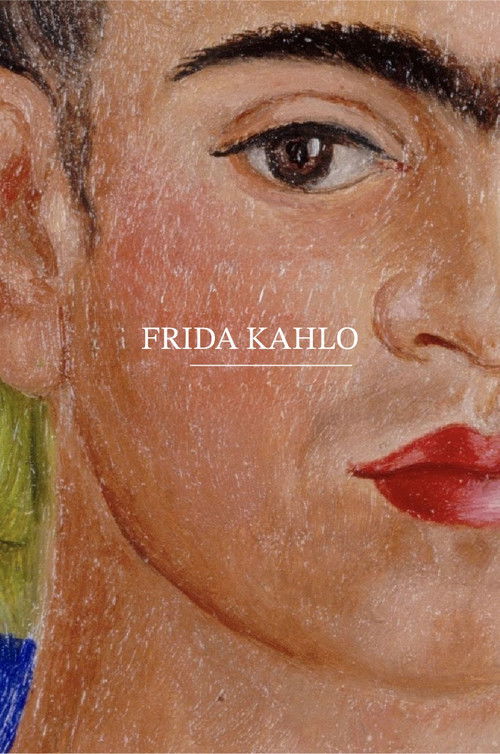
Short documentary on Frida Kahlo's life, illness, art, love and death.
Frida Kahlo
No description available.
Cali, ciudad de América
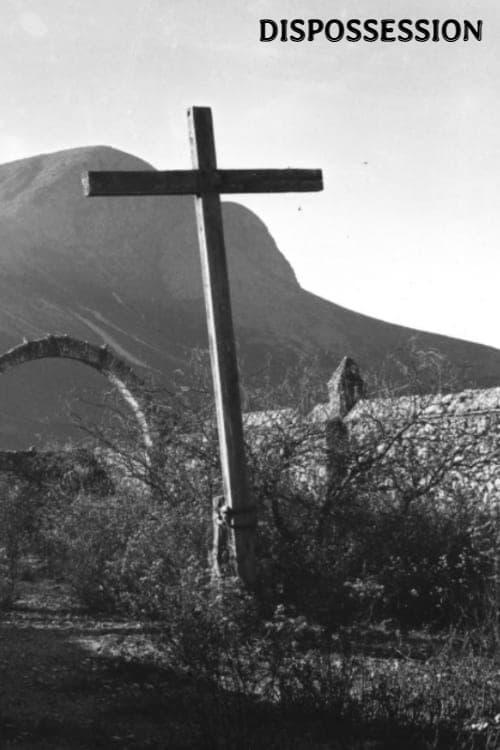
An experimental film in which time breaks again and again at the moment of death, where the seconds become whole lives condemned.
Dispossession
A short film about the famous mexican artist, whose work revolved mostly around depictions of the mexican society as skeletons.
José Guadalupe Posada
A 1978 short film directed by María Antonieta Álvarez.