Josef Hořánek
Acting
Known For
A construction comedy about the labor struggle of two groups of workers in a Prague factory. The old group is led by the grinder Karhan, while the young group is led by his son. The struggle between the two groups leads to the emergence of socialist competition and cooperation, in which the old share their experience with the young, and the young share their new ideas.
Karhanova parta
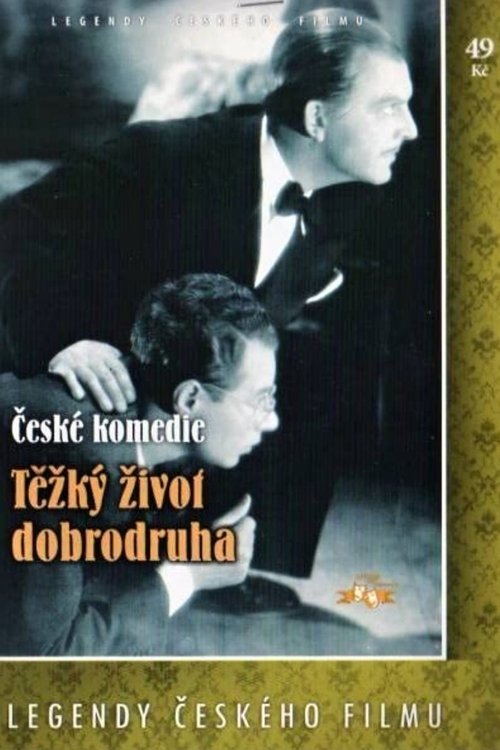
A writer of pulp crime novels is drawn into a series of real crimes. This film was one of the first Czech attempts on a genre parody.
The Hard Life of an Adventurer
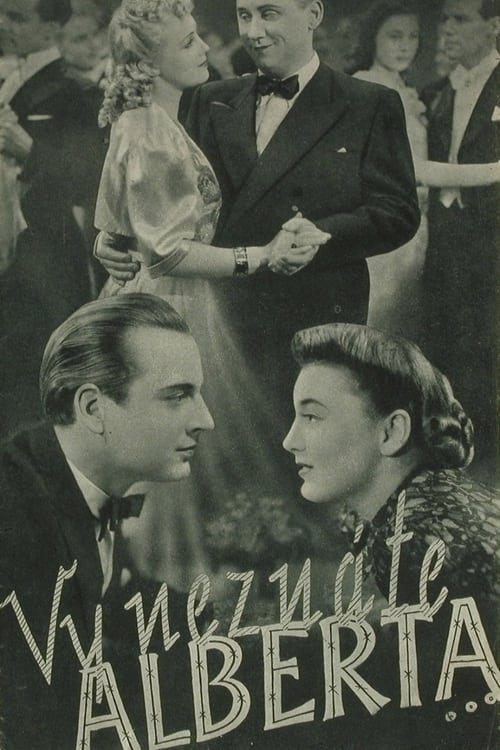
No description available.
Vy neznáte Alberta
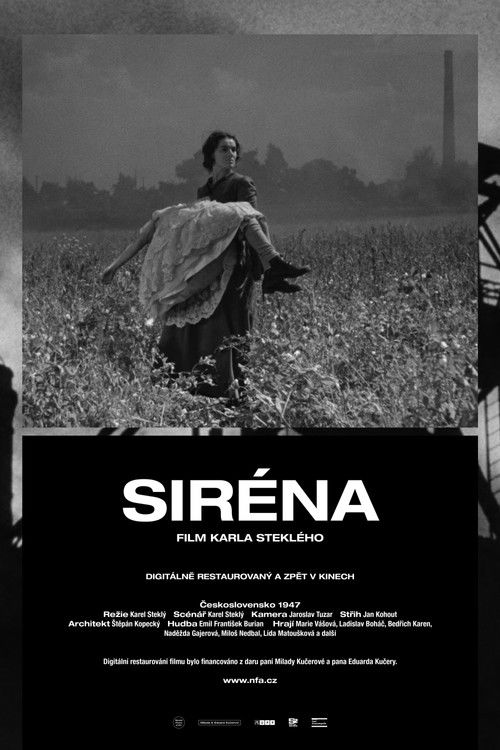
In late 19th century Czech-speaking Bohemia, oppressed workers at German-owned mines and foundries revolt against their harsh working conditions. Made shortly after World War II as Czechoslovakia was falling to communism, the film resonates in Czech resentment of the German occupation.
The Strike
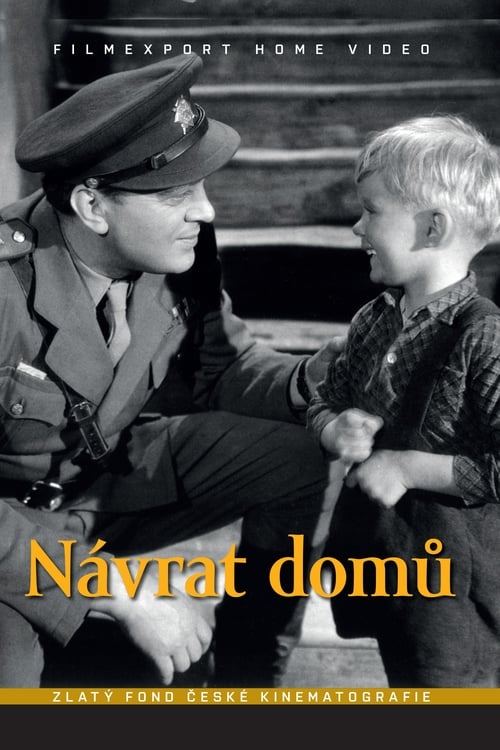
Czechoslovak drama film about soldiers returning from World War II
Lost in the Suburbs
An optimistic collective drama from the life of the workers on the construction site of the Youth Track. An amnestied prisoner wants to atone for his wrongdoing with an honest strike and reveals the vandal who was going to poison the drinking water cistern.
Veliká příležitost
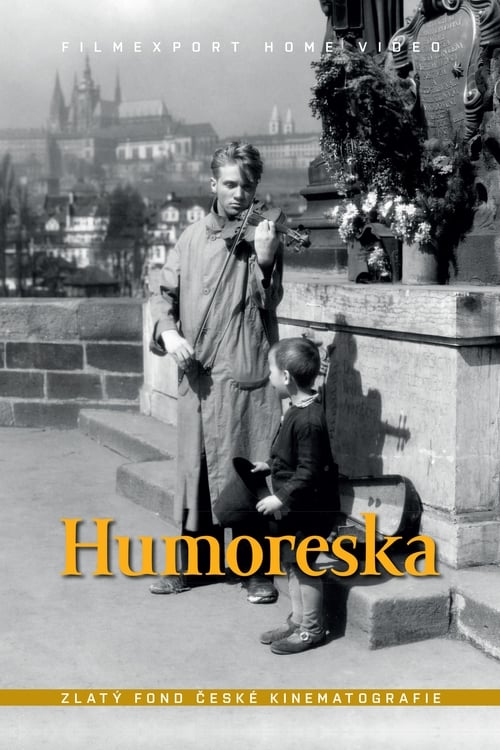
Dvořák's well-known composition reappears again and again in the serious moments of the lives of the father and son Hupeks - talented non-professional musicians for whom music gives them the opportunity to rise above difficulties and problems...
Humoreska
The imperial councilor Ullik decides to modernize his old mills by installing a new turbine. His eccentric brother-in-law Artuš tries to prevent this, as the construction work disrupts the statics of the tower in which he lives. Ullik's older daughter Tynda is a talented singer. The bewitched girl secretly accepts the courtship of the virile Václav, the son of the night watchman. Her younger sister, the doctor Marie, wins the heart and hand of the astronomer Zouplna, despite her father's prohibition...
Turbina

Elén, a girl living with her mother and stepfather in a secluded forest, has a great singing talent. On her twenty-first birthday, she runs away from home and on the train, millionaire René falls in love with her. Their paths soon diverge, only to be reunited soon after. Violinist Pavel Sedloň falls in love with Elén, and although Elén does not love him, she is determined to marry him. At that time, René dies, exhausted from working on the operetta Srdce v delirium. However, he is saved at the last moment and everything comes to a happy ending when Oldřich Nový explains how the authors actually meant it all.
The Poacher's Foster Daughter or Noble Millionaire
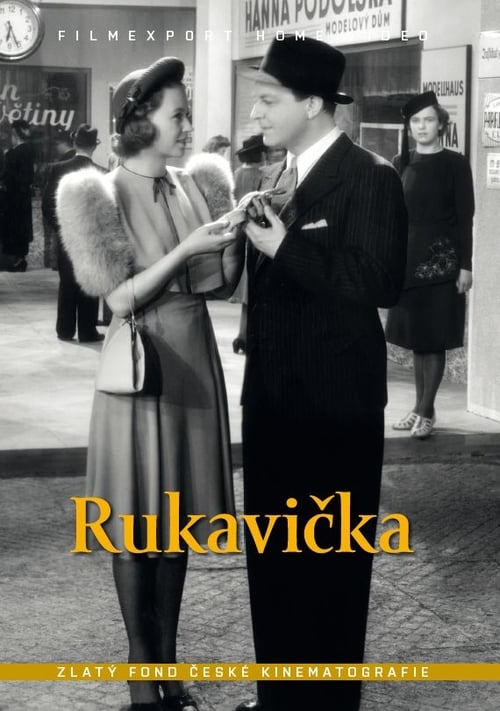
A lost lady's glove that connects several human destinies. The focus here is not on the lost part of the wardrobe, but on piano virtuoso Arne Brant, a man armed with a charming smile and surrounded by women, two of whom have particularly influenced his life. The first is the daughter of a famous can-can star, dancer Pavlína Doré-Zejdová, the second is Mařenka Berková, the main character of the film and a kind of Kristián in skirts. An orderly and well-bred daughter from an honorable family who lives her second life as a lady of high society. The lost glove complicates the situation for all of them considerably, but in the end she finds her rightful place, just like the heroes of the film...
Rukavička
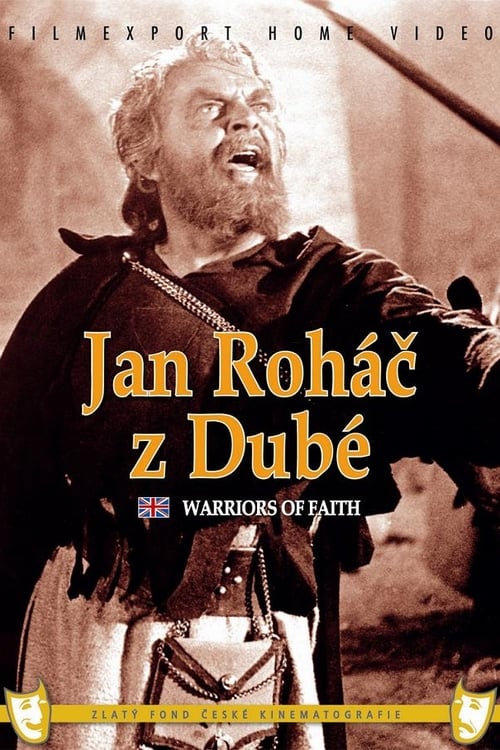
After the Battle of Lipany, the remnants of the Hussite troops concentrated under the leadership of Jan Roháč of Dubé at Sion Castle. However, he had no prospects of victory against the soldiers of the Lordship. Sion was conquered, Roháč of Dubé was captured and executed as a pest in Prague on September 9, 1437.
Warriors of Faith
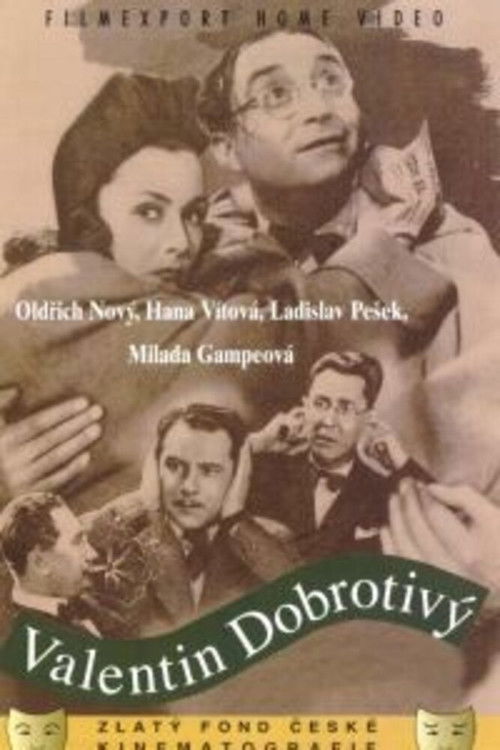
A very hardworking but also very naive insurance company clerk, Valentin Plavec, becomes the target of endless pranks, jokes and recessions from his colleagues Bejšovec and Voborník. However, their last successful trick somewhat gets out of hand. They add a one to the winning number 8456 and convince Valentin that he has won a million in the lottery. However, since Valentin cannot collect his winnings immediately, he withdraws twenty thousand, which is all the savings he has saved together with his fiancée Helena, and starts shopping for a deposit. However, the truth soon comes out and when his colleagues reveal to him that it was just a joke, they all leave him, only the faithful Helena stays and even helps the unfortunate fiancé cancel all the deposits and agreed deals. When the newspaper reports that there has been a mistake and the winning ticket is number 18456, Valentin decides to take revenge on the two pranksters...
Valentin Dobrotivý
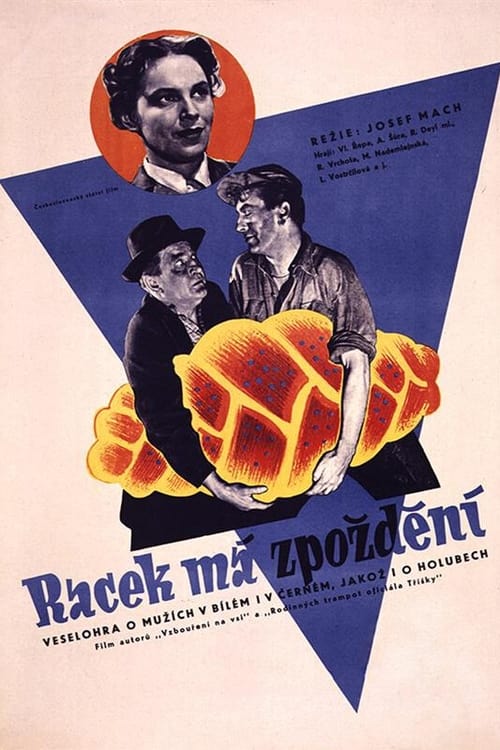
Baker Jan Racek (Vladimír Repa) is a very hard-working and sensible man. His great passion is pigeon-keeping and also, for many years, Ruzenka (Ludmila Vostrcilová). They are going to get married but Racek is busy waiting for the pigeons' return and misses the wedding. The engaged couple is already getting a little older so the otherwise kind Ruzenka gets very angry at this and gives Racek an ultimatum - it's going to be her or the pigeons.
Racek Is Late

It's very human and nice story about lofty princess (her father is amiable but incapable - unforgettable performance of S. Neumann) and good, nice, kind and well-principled young king (prince) who tries to make tender her calm heart to get married with her. After being refused (she's very capricious), he conclude to make her better. He start to work as a gardener at her castle (in secret) and successively bring she to her senses...The story continues when already reformed princess and the young king (she learn about his real identity later) have to take refuge from troops, that princess father (old king) has sent (of course he took a bad and mean counsellors advice). They have to take shelter by several ordinary and poor families, which are always very friendly and give them a help... Of course the tale has happy end.
The Proud Princess
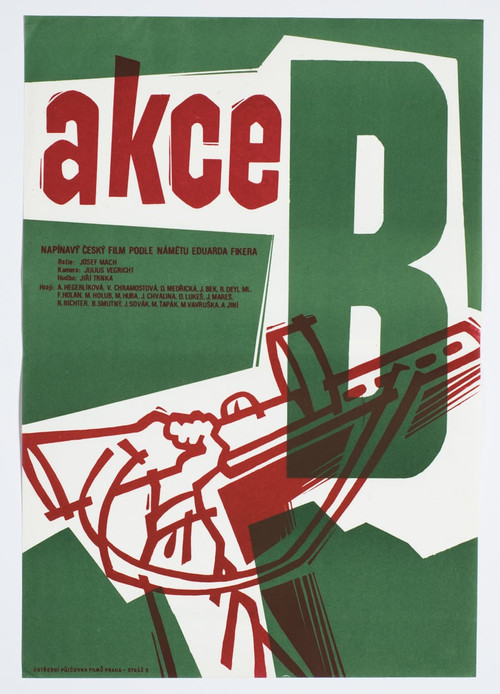
Film shows the struggle of the Czechoslovak armed forces against groups of Ukrainian Insurgent Army (UPA) under command Burlak, who tried to pass through the territory of Slovakia.
Action B
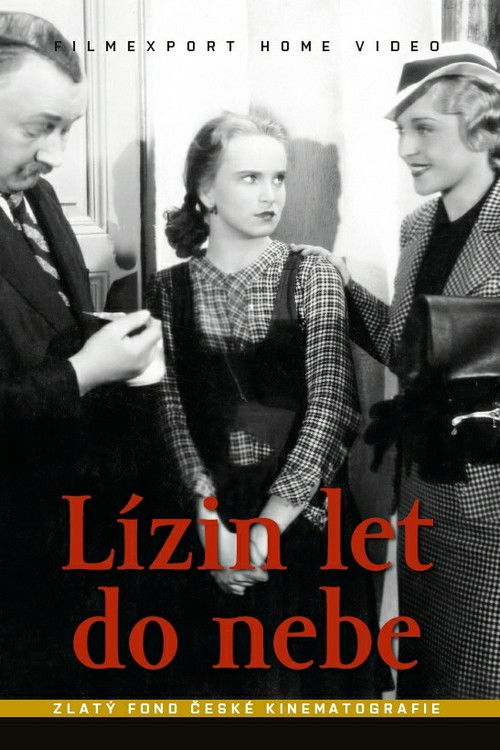
The orphan Eliška Irovská, nicknamed Líza, arrives in her native village of Ptačice. As an orphan she is housed in the local poorhouse and has to go out begging. Her guardian Petr Tumlíř, however, sees that she is competent enough to go to school.
Líza Soars to the Skies

You will meet the family of the miller Kaliba, who is proud not only of his mill, but also of the family tradition, according to which the milling profession has been passed down at the inn's mill for almost three hundred years. And since Mr. Kaliba has no son, it is certain that his only daughter Liduška must marry a miller. Perhaps this would have happened if the Kalibas had not gone to the anniversary exhibition. Here, Liduška meets the handsome engineer Karel Loukota, who is an overly zealous member of the cycling club "Don't Get Married!", but is not immune to love at all. Of course, he will face many hardships and obstacles, the biggest of which is, of course, the miller Kaliba with his fierce efforts to uphold the family tradition...
From the Bohemian Mills
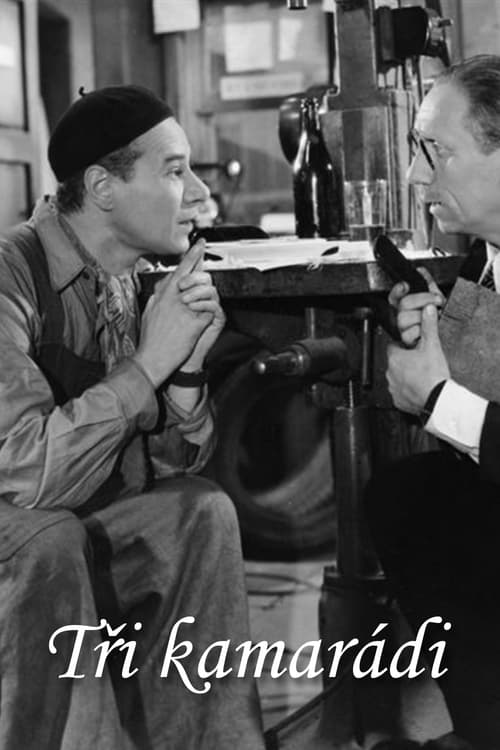
Young men Štěpán, Ludvík and Karel became friends abroad, where they fought during World War II. Now they have returned home and are thinking about their future. Štěpán is a designer, so he starts a car repair shop. There is also work for Ludvík, while Karel gets a job at the Omega car factory. However, the young entrepreneurs are all in debt and their business is not prospering. Štěpán invents a car carburetor, but he has no way to test it. In his greatest need, he receives news that Štěpán will inherit from his uncle from South America...
Three Pals
No description available.
Prosím, pane profesore!
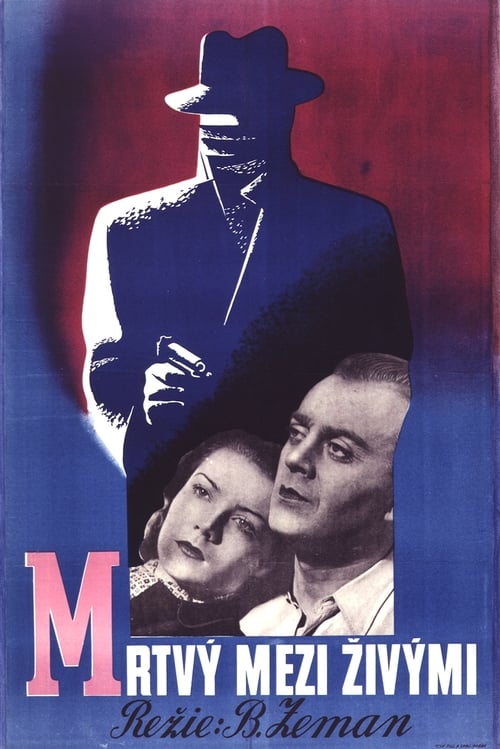
Human bravery can take many forms, just as ideas about it can. Small-town public opinion begins to despise a postal clerk because he gave cash to robbers who didn't hesitate to shoot. The result is a successful study of a man whose previous certainties begin to crumble due to a fateful event.