Acting
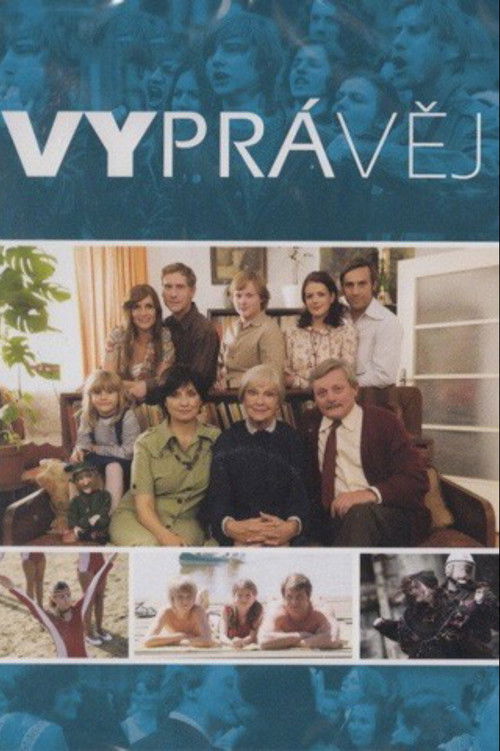
Set in Czechoslovakia, the drama follows the lives of its characters against the backdrop of real historical events that shape their personal stories. To evoke period atmosphere, the series intersperses authentic clips from vintage Czechoslovak film newsreels, using their original commentaries or newly recorded historical voice-overs by Vladimír Fišer. A narrator, initially voiced by Vojtěch Kotek and later by Matěj Hádek, provides continuity and reflection, guiding viewers through changing times. Under the guidance of screenwriter Rudolf Merkner, each episode’s script weaves family and individual dramas into key moments of Czech and Slovak history: political shifts, cultural trends, and social transformations from the 1960s onward.
No description available.
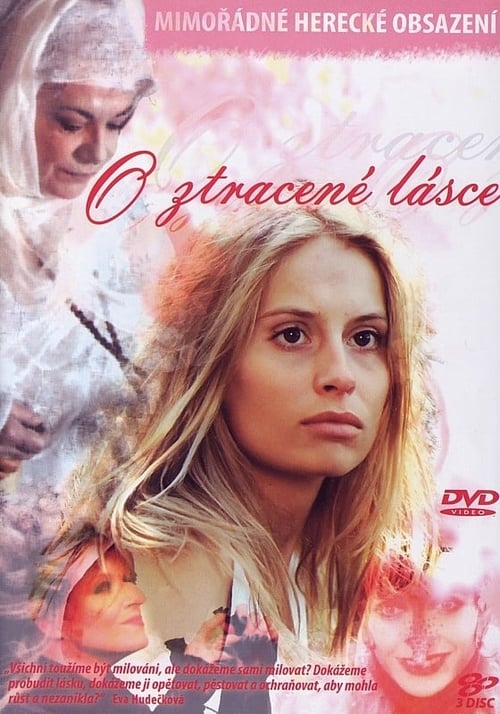
On the eve of Christmas, successful expatriate Karel returns to his quiet mountain village, and suddenly every marriageable girl in town vies for his hand, even storming his cottage. Determined to avoid marriage and instead sell the family farm and leave with his younger brother, he sets his would-be brides impossible tasks, and the very first challenge whittles the contenders down to just one: his stepsister Květa.
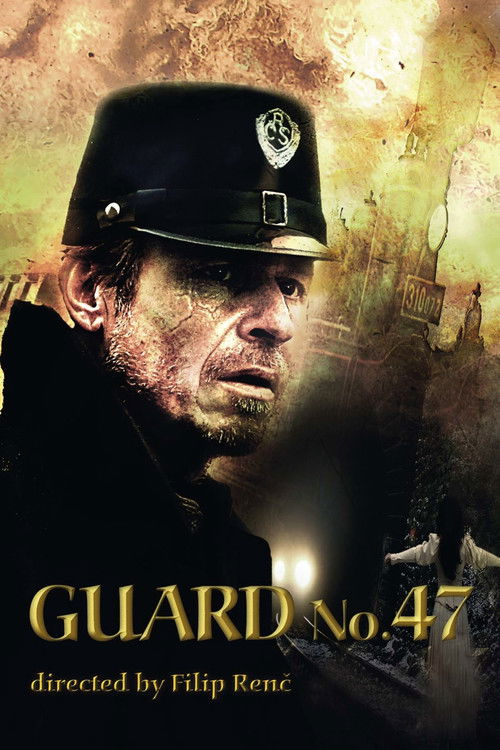
A WW I veteran still haunted by his time in the trenches settles in a small town to work for the railroad company. His pretty wife attracts the attention of the lonely young gravedigger.
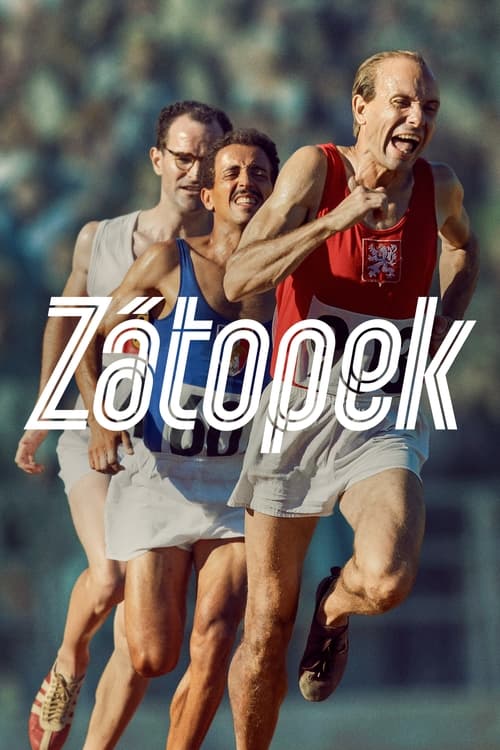
Autumn 1968, the Australian running record holder Ron Clarke is coming to Prague, hoping that his old friend and role model, Emil Zátopek, the most famous Czech athlete of all time, will help him overcome the biggest crisis of his career.
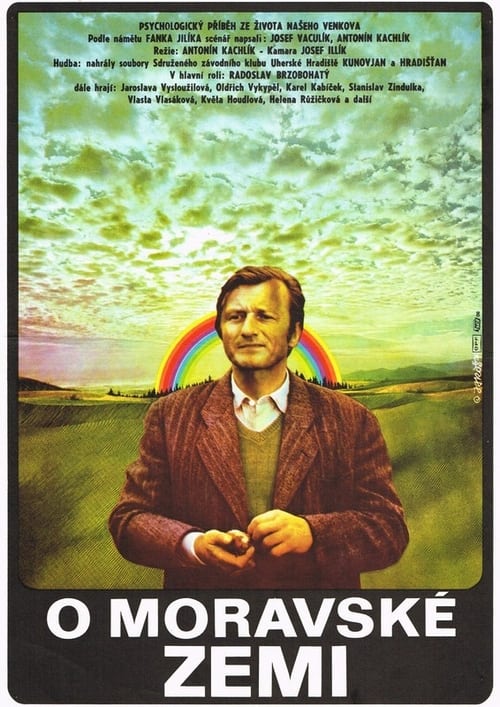
The reason for making this film is clear: it was to cover up Vojtěch Jasný's famous chronicle "All the Good Natives", an account of the tragic consequences of forced collectivisation. The pro-regime director Antonín Kachlík also focuses on the socialisation of the Moravian village, accompanied by mistakes and coercion, but in his optimistic view he emphasises the hopeful prospects leading to a happy future. Although the united village lands were born in pain, they will serve for the benefit of all the working people... As with Jasný, Radek Brzobohatý embodies the stubborn peasant, who is only slowly acknowledging the benefits of communal farming. However, unlike the poetic exuberance and pithiness of Jasný's chronicle, here we encounter a vicious posturing.