Acting
No description available.
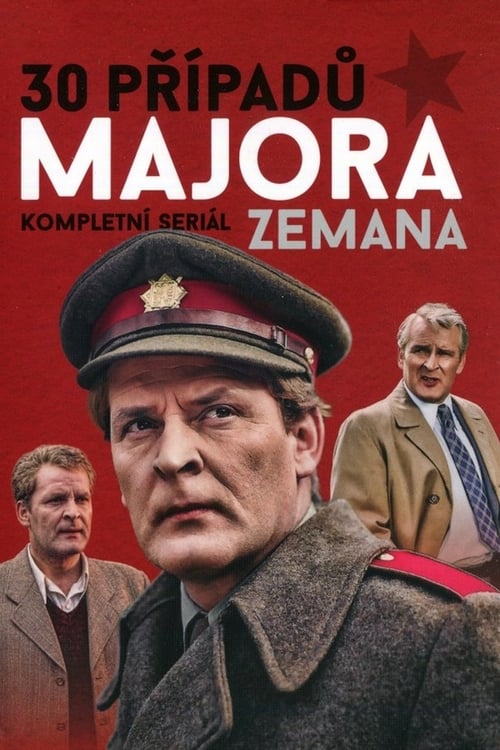
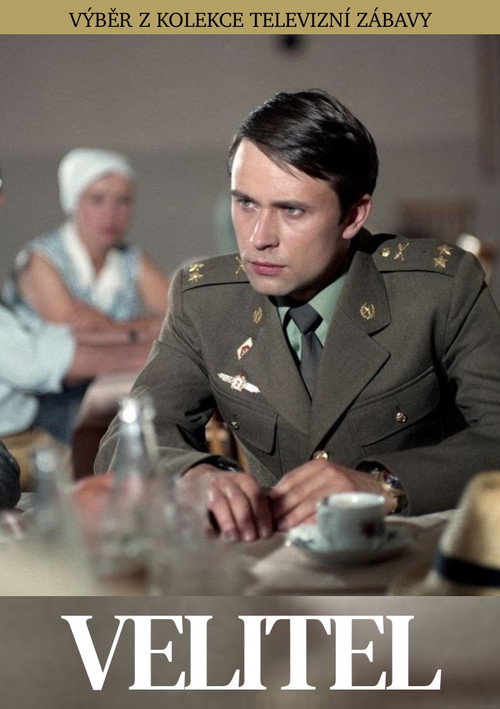
Thirty Cases of Major Zeman is a Czechoslovak action-drama television show intended as a political propaganda to support the official attitude of the communist party. The series were filmed in the 1970s. Each episode encompasses one year, and investigations are stylized to that year. Most are inspired by real cases. The series follows the life of police investigator Jan Zeman during his career from 1945 to 1975.
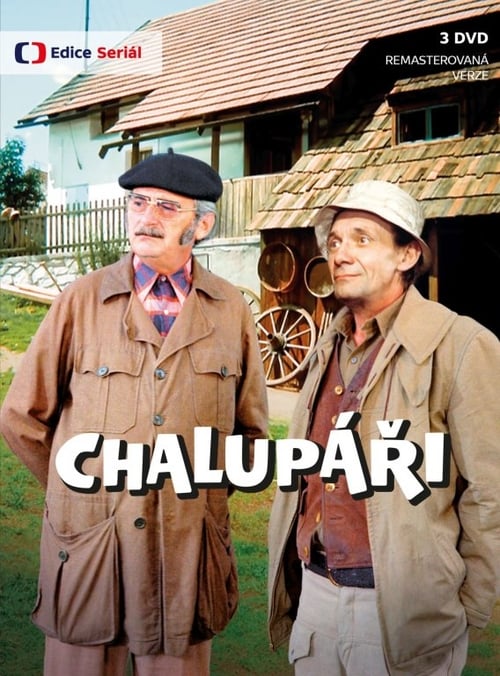
Chalupáři is a Czechoslovak comedy TV series filmed in 1974 and 1975 by František Filip.
Klárka lives with her younger brother and her grandmother in a village. She keeps a special diary of everything she and her friends experience...
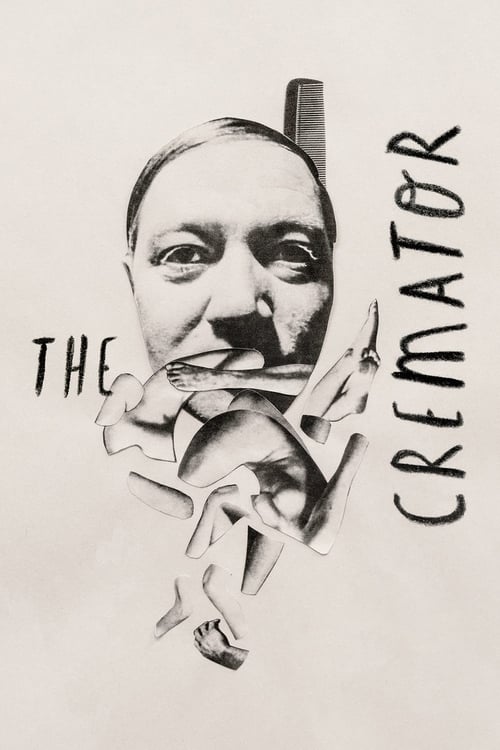
In 1930s Prague, a Czech cremator who firmly believes cremation relieves one from earthly suffering is drawn inexorably to Nazism.
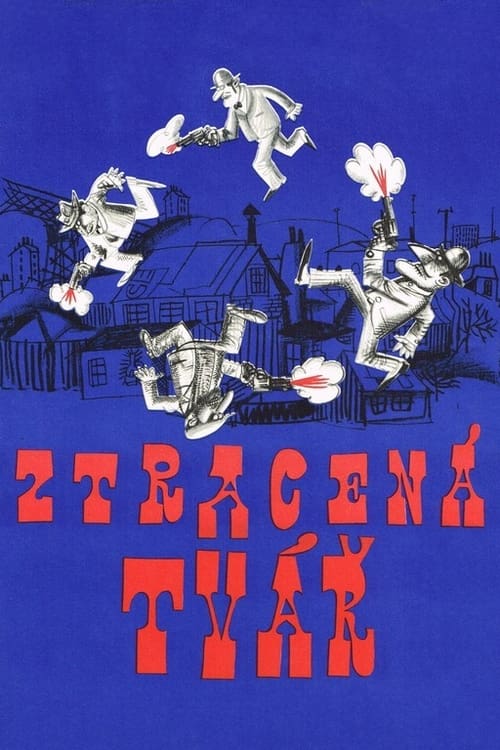
It is the 1930s. Physician Bartos devotedly attends poor patients in the city suburbs, at the same time researching the possibilities of regeneration of human tissues after transplantation. His former colleague Rosen, now working as an assistant at the private clinic of surgeon Kirchenbruch, considers the research a mere utopia. The disappointed Bartos, trying to verify his theories, therefore accepts the outrageous proposal of Marion, owner of a brothel - to surgically replace the face of her lover, the wanted thief Cutter, with the face of murdered Father Hopsasa. Bartos is well paid but his successful operation remains a secret.
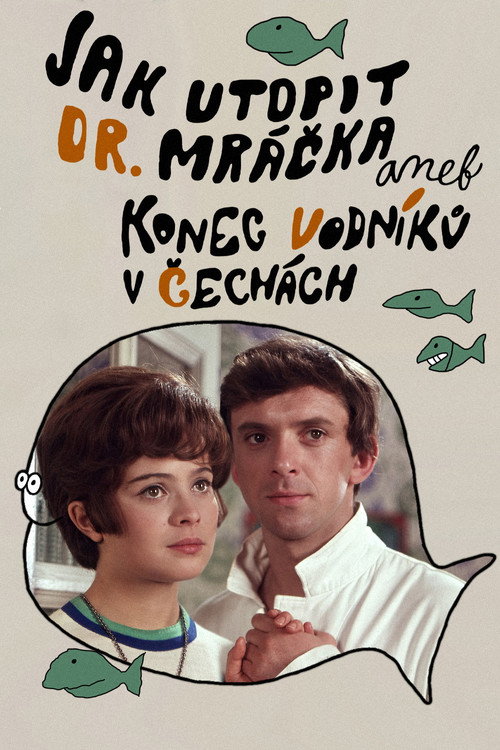
There are still water spirits among us. One group lives in Prague, led by Mr. Wassermann, who is using his wife's family as a servants. All they need is their old house near the river. But the house is to be demolished. They have to stop it. And the only way is to drown Dr. Mrácek, who is responsible for the demolition. But he falls in love with Wassermann's niece Jana. He changes to fish, is mistaken for water spirit from Germany, is drowned and revived again. The other problem is the flour with ears... and so on...
Tóna Bohácek has been a great worry to his mother, Mrs Bohácková. All his friends equal in age are already married and some of them even have children - only Tóna still has nothing. Mother Bohácková thus publishes an ad in the Lonely Hearts column on behalf of her son. From among the girls who responded, she picks out Janicka, a girl from the neighboring village, and then forces Tóna to go to have a look at her and bring her home. The date of the two young people, however, does not turn out well due to the embarrassment on both sides, and Tóna returns home drowning in the feeling of ridiculousness. On the way, he picks up hitchhiker Kveta from Prague. Only then, he realizes that the mother with her festive dinner is waiting for him and Janicka at home and thus asks Kveta to substitute for the girl from the ad.
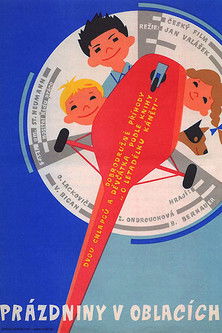
In the beginning, the book of Bohumil Říha was about the aircraft of Kaneti. Both the book and the film that came out of it tell about children's parties spending their holidays near the sports airport. The newly scanned airplane first assigns to aliens, then suspects them of espionage, but in the end it will explain everything. Children will even find the courage to take part in an aviation trip. According to period reviews, the film was a bad thing to teachers, as they said it was inappropriate.
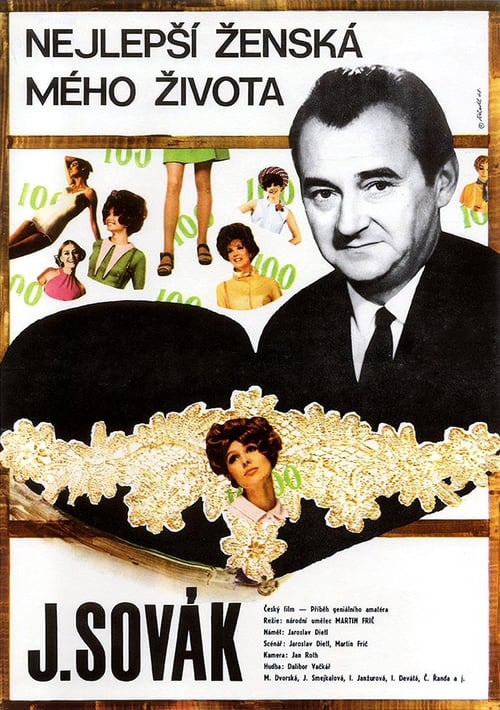
Ordinary man making his dirty actions in the small town and his coming to the right side.
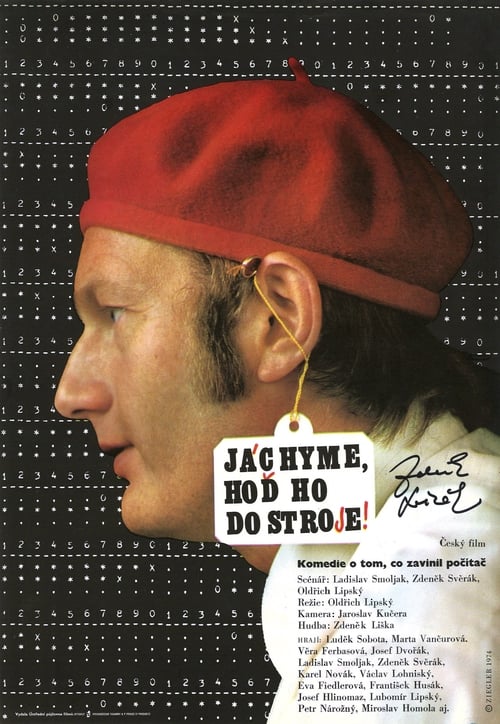
A sincere provincial young man, Frantisek Koudelka leaves to work in Prague. For the trip he buys a computer made horoscope with biorhythms charts, marked according to his date of birth, there are trappy, precarious, unsuccessful and even critical days and few successful days. The clumsy luckless person Frantisek has finally a guidance for his life.
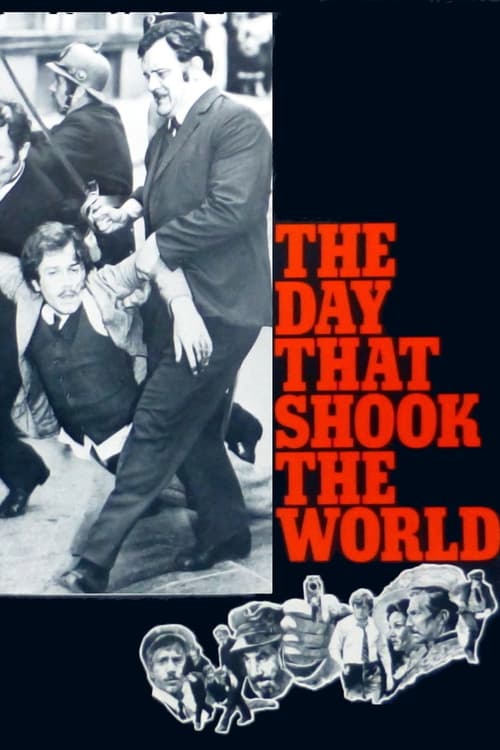
An historical depiction of the events preceding the political murder of Archduke Franz Ferdinand, would-be emperor of the Austro-Hungarian throne, in Sarajevo on June 28th, 1914.
Honza Pavelka (Jan Hrusínský) wins the junior motorbike speed races. His thirteen-year-old brother Martin (Roman Cada), his assistant and biggest fan, answers the questions of his schoolfriend Pavlína in a superior tone. Student Zuzana (Libuse Safránková), who gave her scarf to Honza to wear around his neck for the races as a talisman is Honza's girlfriend. He met her when he came to her parent's home to repair the TV set. Honza declines an invitation to celebration with his friends. He goes off with Zuzana instead, but she refuses his intimate advances. The offended young man, who is about to serve his two years in the army, tries to blackmail her emotionally and the couple breaks up. Martin tries various schemes to bring them together again.
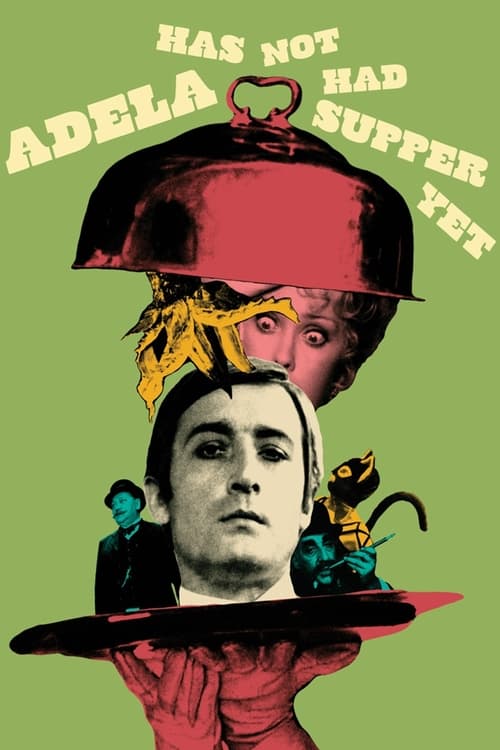
When famous detective Nick Carter visits Prague, he becomes involved in strange case of a missing dog and even stranger carnivorous plant. He becomes convinced that he is standing against his greatest enemy, the Gardener, who supposedly died years ago in a swamp...
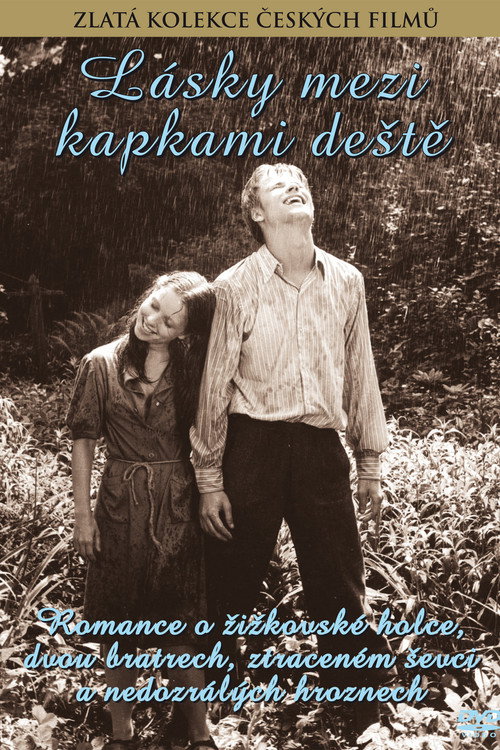
Set in Prague during the years leading up to World War II, this family saga tells the story of a cobbler named Vincenc Bursik (Vladimir Mensik), who uproots his clan from the country to the city, only to suffer the loss of his wife and the failure of his shoe business within months. When his daughter moves away to go live with a wealthy businessman as his mistress, Vincenc is left to take care of his two sons, who spend their days in a secret garden vying for the affections of a teenage girl.
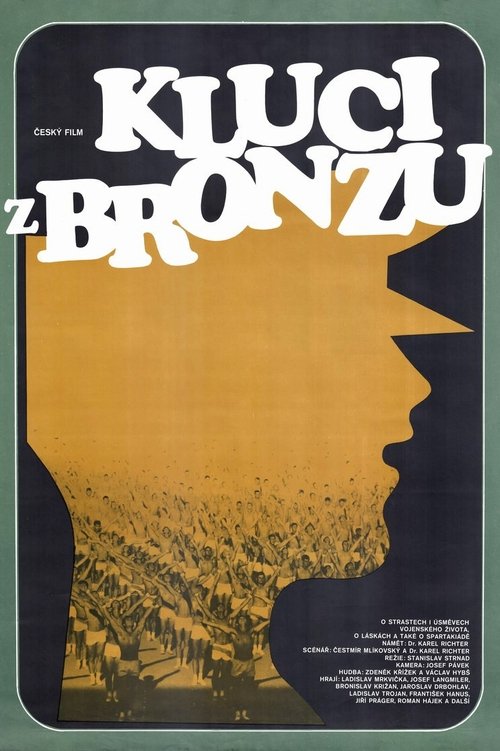
From time to time, we have produced an admirable film about the virtues of the domestic army, which raised the right men in ideal conditions - in this case, we meet the enthusiastic drill sergeants in green, who selflessly rehearse a demanding Spartakiad composition... So, two aspects important to the regime have merged into one. But even this did not change the incredulous, spasmodically optimistic yawn that perhaps even those who had set all this up could not believe. The film uses documentary footage of the soldiers' Spartakiada performance in 1980.
We learn that the greatest virtue of socialist competition is collective cooperation. This is what the young, physically fit assembler refuses to understand. He suspects his co-workers of overlooking his merits out of jealousy. And it takes him a long time to understand that the individual alone can do nothing, that only the collective has the necessary strength - and therefore the truth.