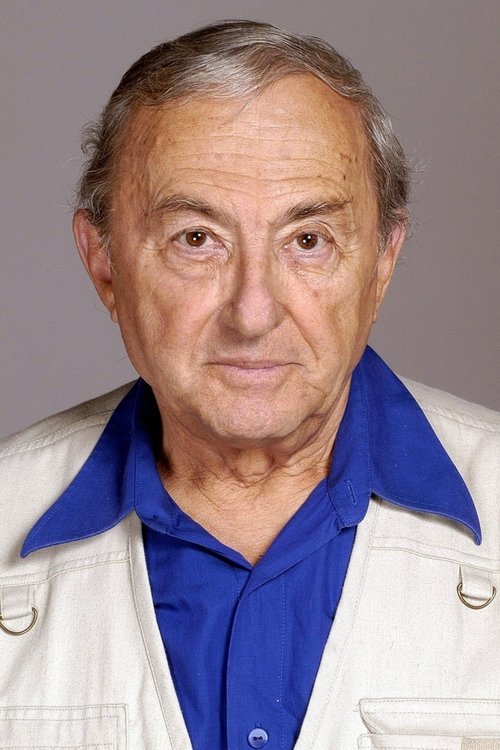
Pavol Haspra
Directing
Known For
This three-part production about the life, work, and times of Slovak literary classic Jozef Gregor Tajovský focuses on Tajovský's childhood. Jozef Gregor Tajovský was born in Tajov in 1874 and died in Bratislava in 1940. A large part of the life of the prose writer and playwright Jozef Gregor Tajovský is connected with his native Tajov, Banská Bystrica, and the surrounding villages of Pohorelá, Lopej, Horná Lehota, and Podlavice. He spent his childhood in Tajov with his grandparents. He speaks of it as the most beautiful period of his life. After completing elementary school in Tajov, he studied at a grammar school in Banská Bystrica and at a teacher training college in Kláštor pod Znievom. He was particularly attached to Tajov, to which he returned throughout his life.
Tá tajovská voda mútna
No description available.
Portrét Doriana Graya
No description available.
Muži s plnou mocou
No description available.
Svadba bez nevesty
No description available.
Tu musíš žiť
No description available.
Janko Búrka
No description available.
Kráľ sa zabáva
No description available.
Krkavci
No description available.
Prípad Daniel
No description available.
Dulcinea z Tobosa
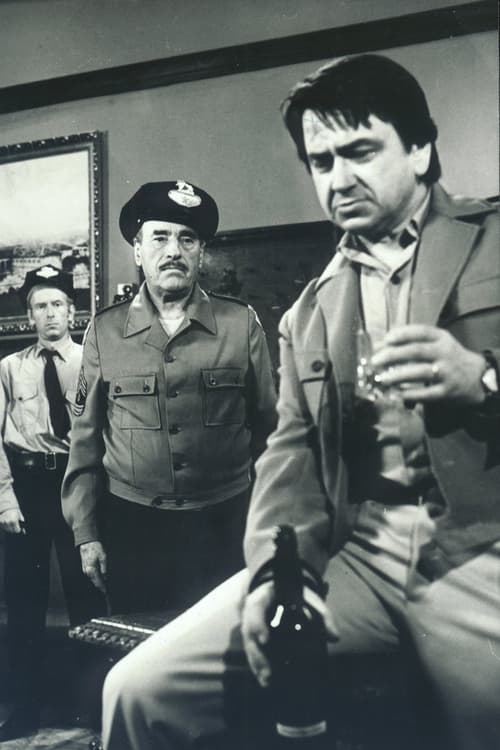
The drama of a man driven to crime by the mechanism of violence in an American prison. It is an indictment of American justice and the barbarically cruel methods of prison staff. Based on Jack London's novel "The Star Rover".
Dynamit
No description available.
Mastný hrniec
No description available.
Hernani
No description available.
Zostane to v rodine
No description available.
Jaríkovský kostol
No description available.
Krásna neznáma
No description available.
Ženský zákon
A lyrical picture of student life. A romantic story of first student love seen through the eyes of an aging writer's memories. In the last years of his life, National Artist Štefan Králík, in addition to his theatrical work, also worked for television. A Trip to Youth takes place in the environment of a current class of high school graduates who have invited a famous writer to a discussion. Shortly before his arrival, however, something happens that contradicts the majority's opinion about morality. And so the planned official discussion suddenly becomes a sincere, open exchange of views, in which the writer becomes one of the actors in the story. A story that happened to him fifty years ago.
Výlet do mladosti
No description available.
Vrabčie lásky
No description available.