Satsuo Yamamoto
Directing
Biography
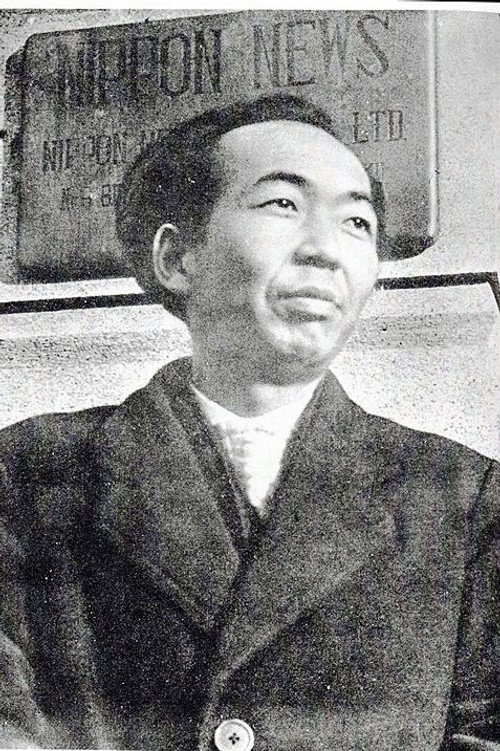
From Wikipedia, the free encyclopedia. Satsuo Yamamoto (July 15, 1910 - August 11, 1983) was a Japanese film director. Yamamoto was born in Kagoshima Prefecture on July 15, 1910. He dropped out of Waseda University to join Shochiku, where he worked as an assistant director to Mikio Naruse and others. He followed Naruse when he moved to PCL, and became a director in his own right after the company was reborn as Toho. During WWII he directed several pro-war propaganda films for them despite being a fervent member of the Japanese Communist Party (JCP), and after the war he rallied against the company as a driving force behind the union during the 1948 Toho labour dispute (in which the JCP was heavily involved), after which was ultimately fired. He subsequently worked on independent films and made numerous intensely rebellious and substantial socially conscious works. From the 1960s onward, he directed a succession of major films including the Toyoko Yamasaki adaptations “The Ivory Tower” and “The Perfect Family”, the “Men and War” trilogy, and “Kotei no inai Hachigatsu”. This body of epic works led to him being dubbed “the Red Cecil B. DeMille”. Three of his films, Shiroi Kyotō, Fumō Chitai and Ah! Nomugi Toge won the Mainichi Film Award for Best Film. He died of pancreatic cancer on August 11, 1983 at the age of 73. Description above from the Wikipedia article Satsuo Yamamoto, licensed under CC-BY-SA, full list of contributors on Wikipedia.
Known For

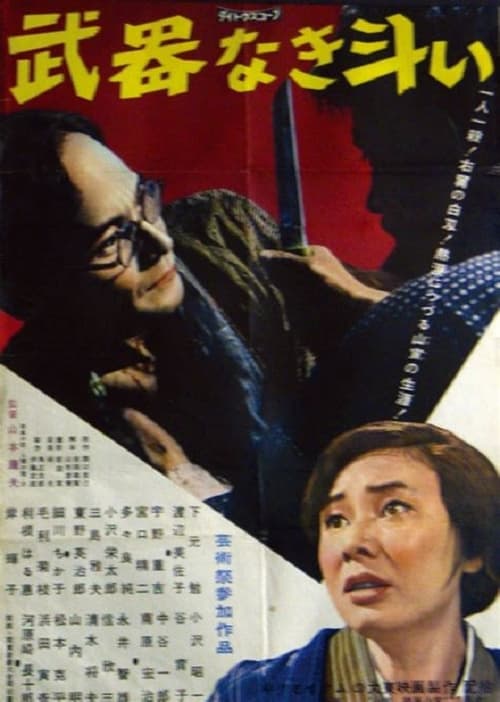
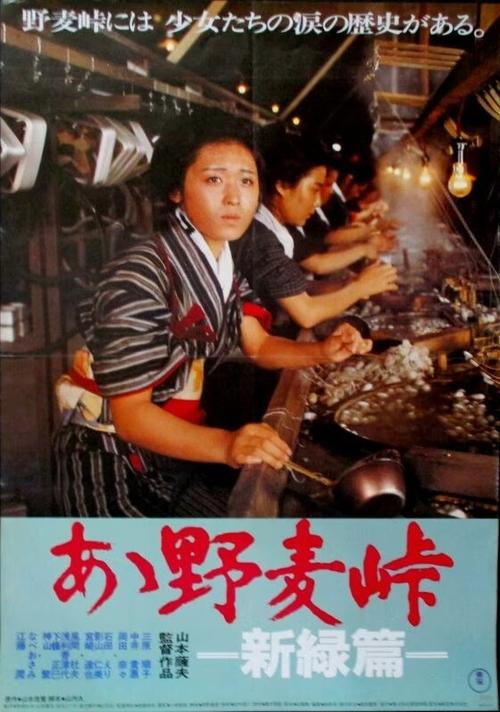
A lifetime story of a woman who stubbornly lives in a poor mountain village in post-war Japan.
The Song of the Cart

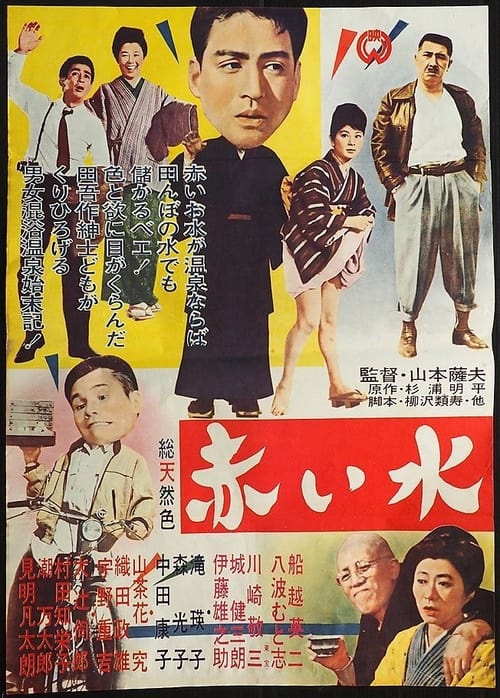
Japanese drama.
Farm Girls

Taking the Chilean coup as an example, a group of young officers plan to overthrow the Japanese government on V-J Day. They aim to abolish the post-war constitution, restore the national army and revive the traditional spirit of Japan. As the conspiracy is exposed, the coup squadrons are wiped out one by one. The remaining squadron takes over a night train bound for Tokyo.
August Without Emperor

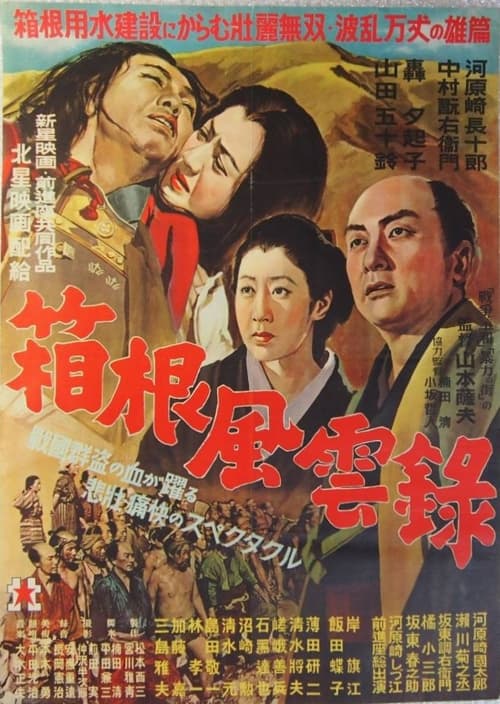
When bribe money from a rigged election funnels into a dam construction project, collusion, lust, greed and even murder are on the ballot.
Solar Eclipse

Tadashi Iki returns to Japan from a Soviet gulag 11 years after being captured during the invasion of Manchuria. He is offered a position in the expansive Kinki Corporation, but rival corporations are competing for a government contract to produce fighter planes.
The Corporation

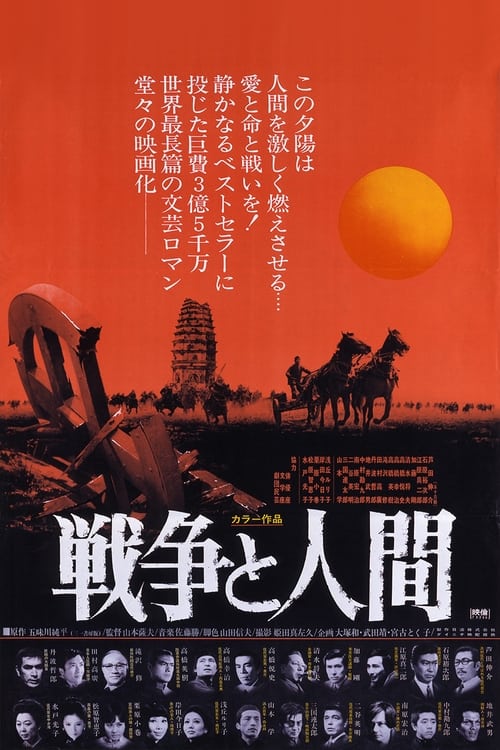
The upstart Godai family conglomerate plans to strengthen ties with the hardliners in the Kwantung Army as they plan military expansion into Manchuria.
Men and War I: Prelude to Destiny

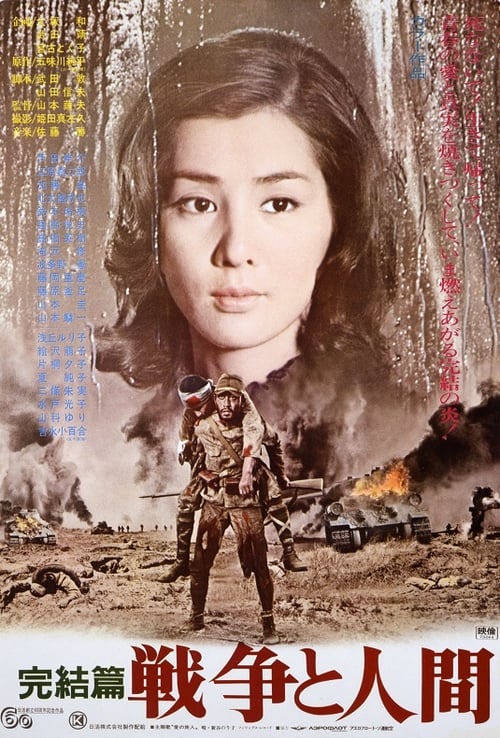
Final part of epic drama about war and its effects upon human beings, follows the fortunes of the Godai family through the Sino-Japanese War through the Soviet Union's sudden attack upon Japanese troops at the end of the war.
Men and War III: The Final Chapter

Warlord Oda Nobunaga seeks to unite a fractured Japan. A young man trained in the arts of ninjitsu is manipulated by a ninja master into attempting to assassinate the warlord before he completes his task.
Ninja, A Band of Assassins

The story contrasts the life of two doctors, former classmates and now both assistant professors at Naniwa University Hospital in Osaka. The brilliant and ambitious surgeon Goro Zaizen stops at nothing to rise to a position of eminence and authority, while the friendly Shuji Satomi busies himself with his patients and research.
The Great White Tower

Set in the post-World War II climate of the 1960s in Kobe, the movie explores the struggle for power within the powerful Manpyo family.
The Family

Second part of an epic drama of war and its effects upon human beings, follows the fortunes of the Godai family from 1935 through Japan's invasion of China. Based on the novels by Jumpei Gomikawa, who also penned The Human Condition.
Men and War II: Land of Love and Sorrow

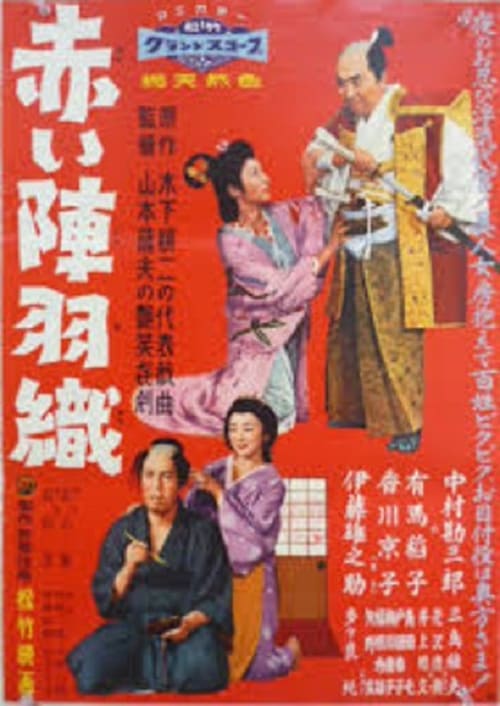
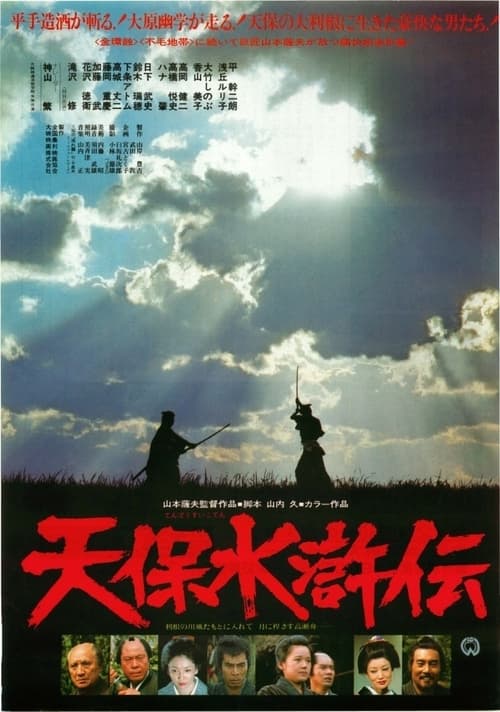
Sentaro is been severely beaten for his defiance of the government and the high taxes during a time of famine. He is befriended by Kada Gentaro, a leader in the Mito Tengu group, which plans to overthrow the shogunate.
Blood End

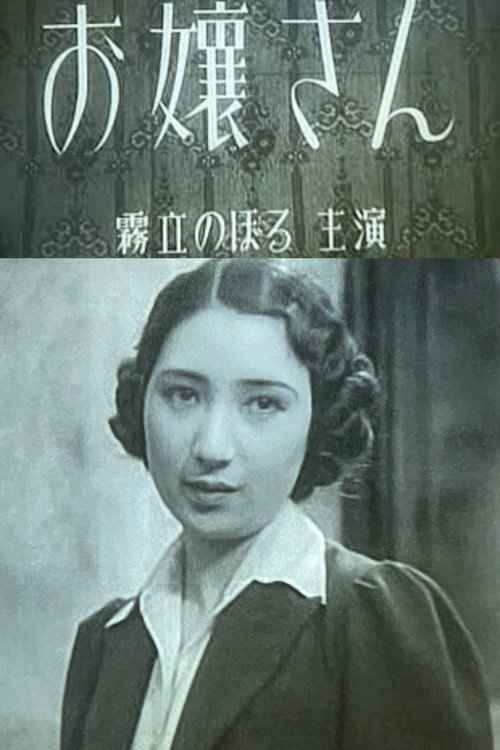
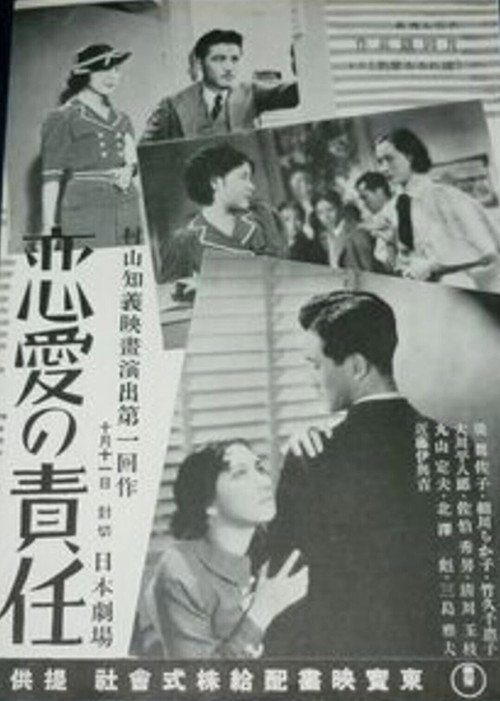
Mikio Naruse’s final silent film is a gloriously rich portrait of a waitress, Sugiko, whose life, despite a host of male admirers and even some intrigued movie talent scouts, ends up taking a suffocatingly domestic turn after a wealthy businessman accidentally hits her with his car.
Street Without End

An attempt is made to suppress a journalist's investigation of collusion between a rural police chief and the local gangster bosses.
Town of Violence

Gisuke Hayashida is an illegal dentist during the day and a burglar by night. One night during a burglary he witnesses a train derailment. Some communists are found guilty of causing the incident, but he knows it wasn't them. He can save innocent people but for that he must confess his own crime.
Tale of Japanese Burglars

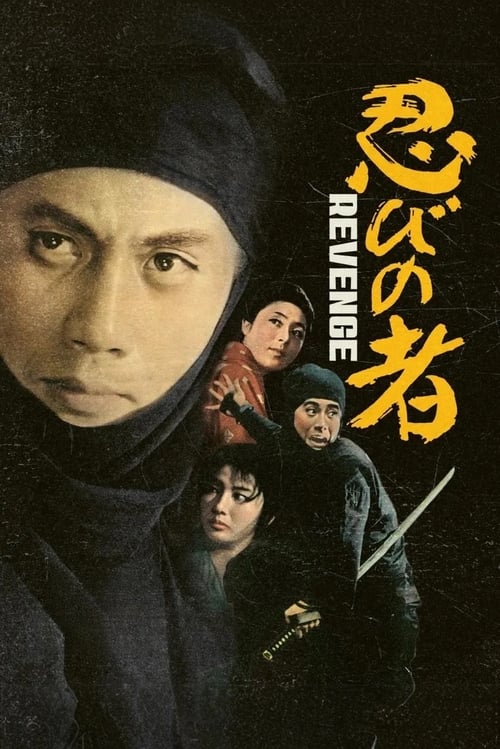
[Period covered: 1582-1594]. As the film opens, the warlod Nobunaga Oda rides to Iga Ayanokuni shrine. He is asked if he thinks he has destroyed all the ninja who opposed him and answers that he suspects that there may be more. A servant brings water and tests it first. The paige dies and we hear gunshots as two ninja flee the scene. His suspicions confirmed, Nobunaga oversees the execution of captured ninja and decides that, in the future, he needs a much crueler method of execution. The daimyo Hideyoshi comes to visit.
Shinobi no Mono 2: Vengeance

On the night of the summer Obon festival, Hagiwara Shinzaburo meets a beautiful courtesan named Otsuyu. Not knowing she's a ghost, he becomes infatuated by her.
The Bride from Hades

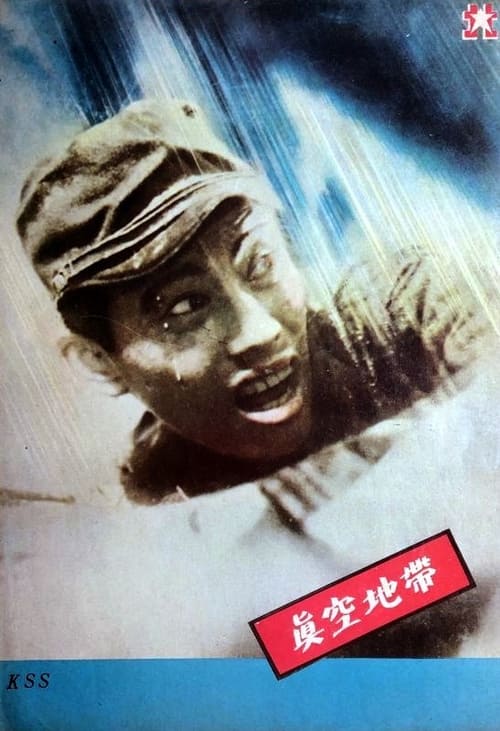
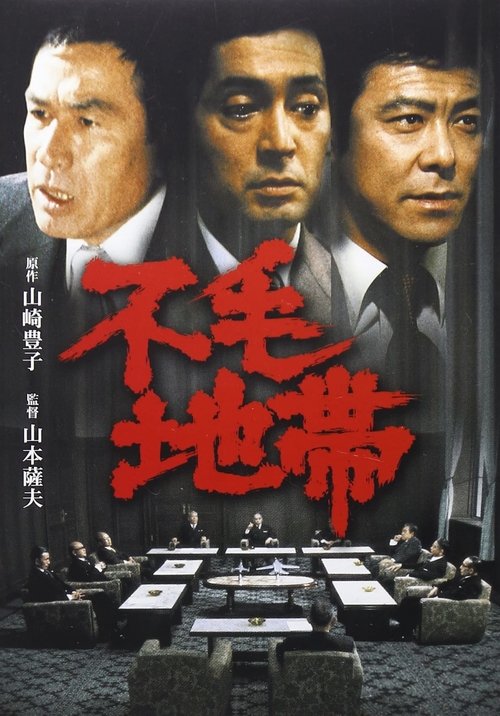
Just before the end of the war, Japanese soldier Kitani is released from prison, having served his term for theft. Told in flashback, viewers learn about Kitani's past and reasons behind his prison sentence.
Vacuum Zone

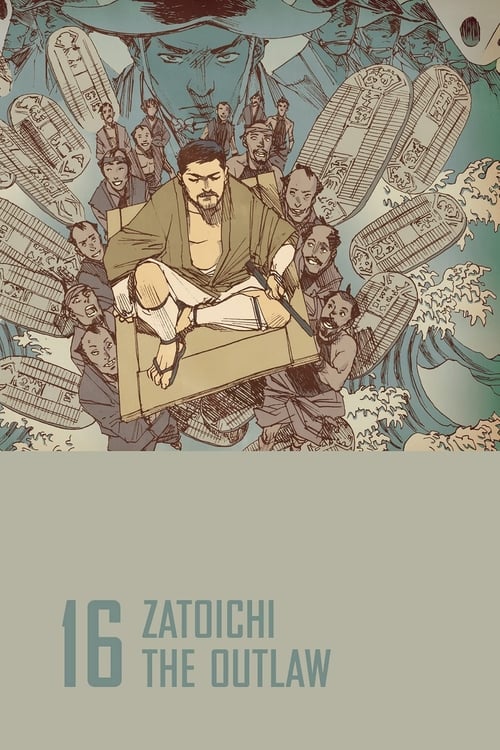
When a local gambling house kidnaps some peasants because they failed to pay their debts, a rival gambling house pays their debts and sets them free.
Zatoichi the Outlaw

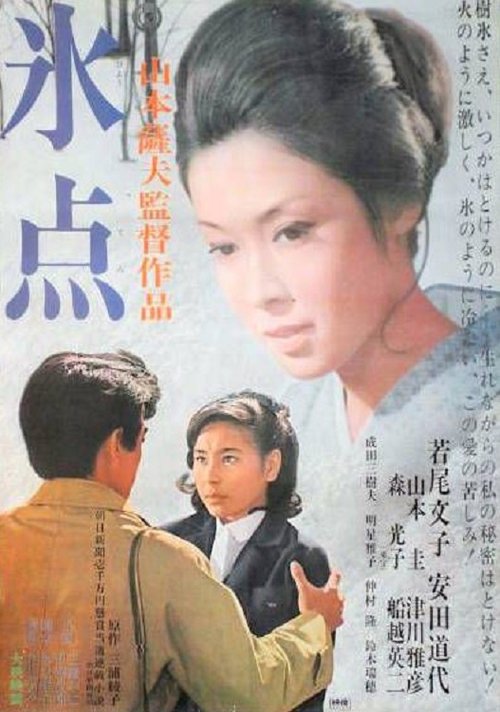
A woman remarries after receiving official notification that her husband has died, but he returns.