Shiho Fujimura
Acting
Biography
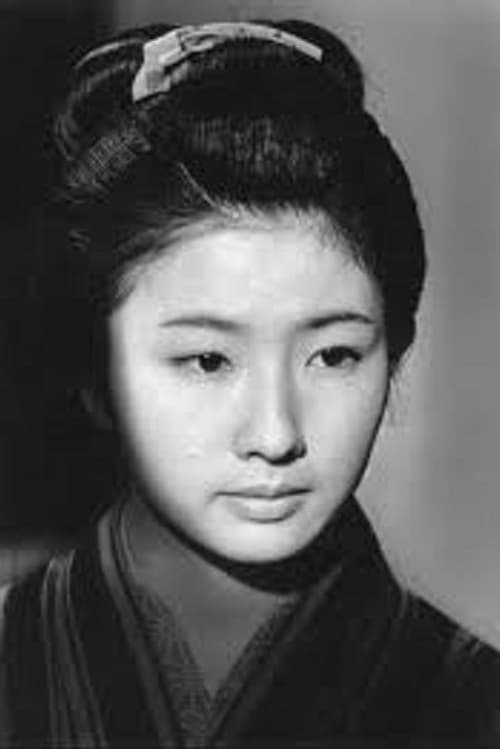
Shiho Fujimura (藤村 志保 Fujimura Shiho, 3 January 1939 – 12 June 2025) was a Japanese actress. She was given a Special Prize for her career at the 2008 Yokohama Film Festival. Fujimura died on 12 June 2025, at the age of 86.
Known For

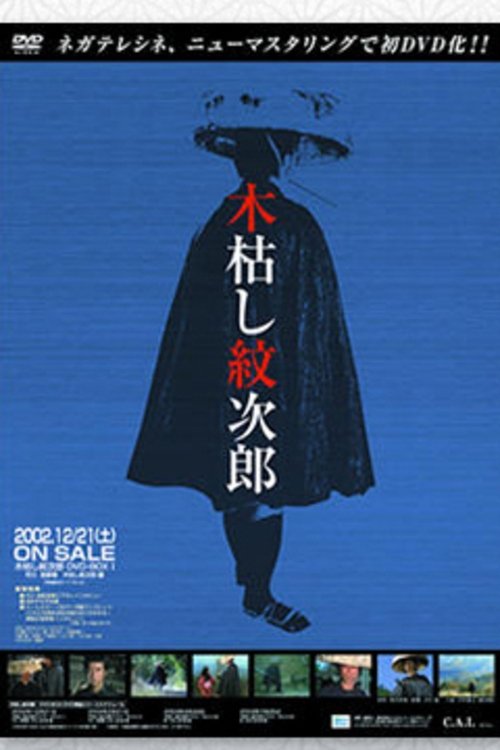
Monjiro was born into a poor farm family in Mikazuki Village, Nitta County, Ueshu, and abandoned his hometown when he was 10 years old. He has been traveling aimlessly with a long toothpick in his mouth. Monjiro avoided getting involved in anything, but wherever he went, he ended up getting involved in incidents
Kogarashi Monjiro

The story follows Minamida Nozomi, the charming female protagonist whose company's performance deteriorates due to the collapse of the bubble economy and who is forced to quit her job as she is prevented from getting married and starting a family. However, after her younger brother is involved in a theft incident within her family, she decides to become a lawyer. She passed the difficult bar exam and faced the harsh reality of legal training in Fukushima.
Himawari

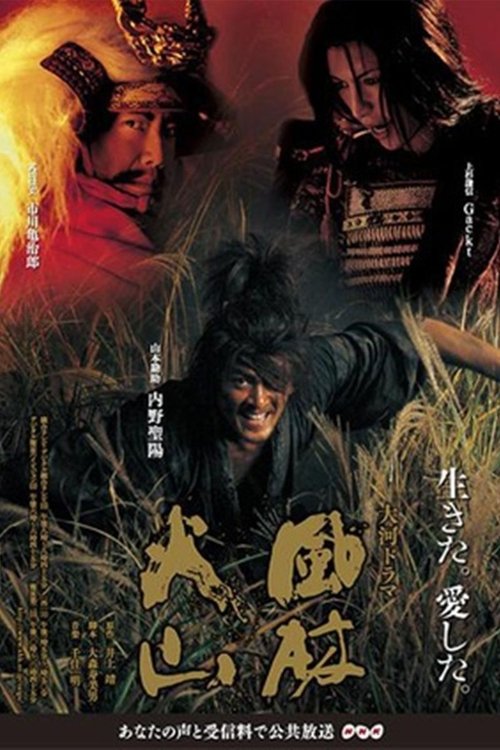
Fūrin Kazan was the 46th NHK Taiga drama beginning on January 7, 2007. It was aired throughout 2007. The four characters from left to right are wind, woods, fire, and mountain. The title is a reference to the war banner used by Takeda Shingen, which in turn was taken from Sun Tzu's The Art of War. It means "Swift as the Wind, Silent as a Forest, Fierce as Fire and Immovable as a Mountain."
Samurai Banners

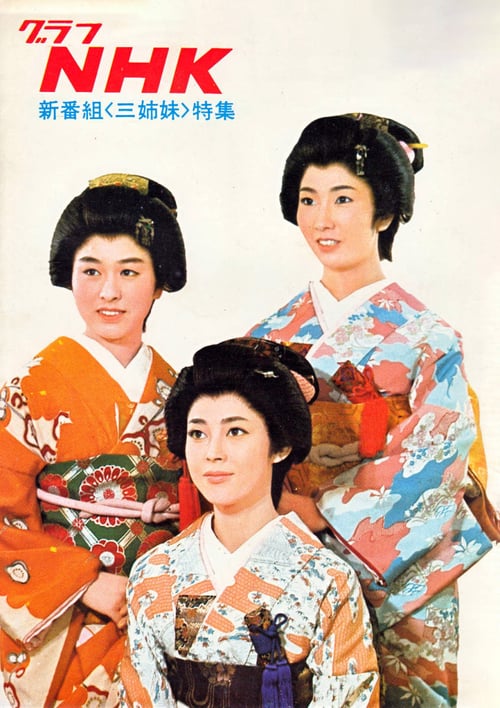
The Story is about three daughters of a "Hatamoto" during the end of the Edo period and the Meiji Restoration.
Three Sisters

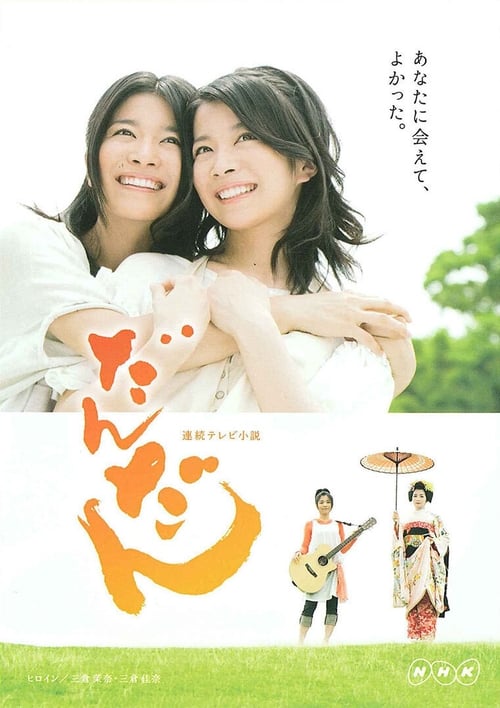
The twin girls Tajima Megumi and Ichijo Nozomi was separated at birth after their parents had divorced. Years later they meet each other. Both of them have a career within the entertainment industry. Megumi who lives in Matsue, Shimane sings in the band Shijimijiru, and Nozomi is a maiko, an apprentice geisha in Kyoto.
Dandan

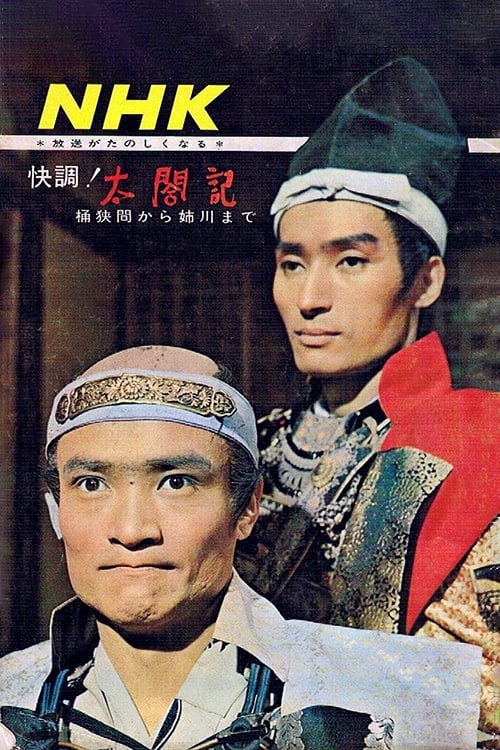
Based on the life of Hideyoshi Toyotomi (February 2, 1537 – September 18, 1598) a Sengoku period daimyo who unified Japan.
Taikouki

The 69th NHK Asadora Drama, based on Rei Nakanishi's novel, is about the Iwata family living in Ikeda, Osaka City between 1950s and 1960s. The story is told through the eyes of the youngest daughter, Fuyuko. The family runs a bakery. The mother, Teruko, is a very energetic woman who is determined to make her dreams come true. Responding to Teruko's expectations, the eldest daughter becomes a figure skater and the second daughter becomes a very famous professional singer. In contrast, Fuyuko finds her joy in bread making.
Teruteru Kazoku

Arashi Kohei, inherits a pharmaceutical company from his deceased father. Despite the hard work he was doing, six months before his parent's death, many people are trying to take the company away from him. Soon, Kohei discovers allies but also enemies, among the people he least expected it to be. Will he manage to hold his position in such a brutal world?
Yesterday Enemy is Still Enemy Today

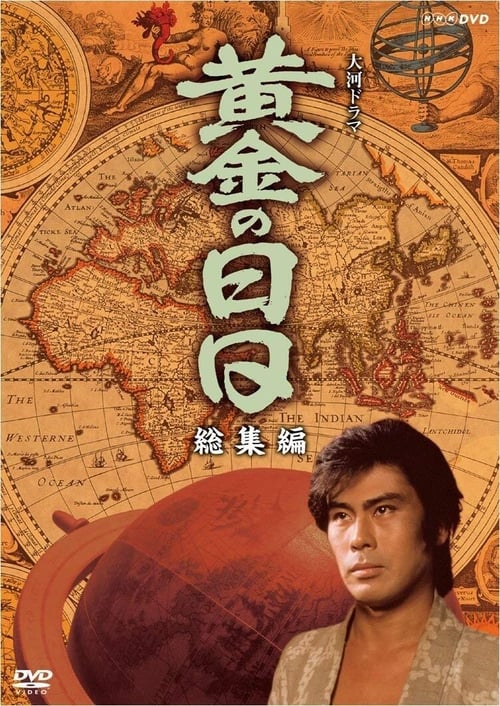
Luzon Sukezaemon is a merchant who imports vases from the Philippines. The vases are highly valued as tea utensils and he makes a huge profit. This was the first taiga drama to concentrate on the lives of commoners and the reviled merchant class of the Tokugawa period. It documents the rise and fall of the merchant city of Sakai, as seen by its most famous resident, the semilegendary Luzon.
Ōgon no Hibi

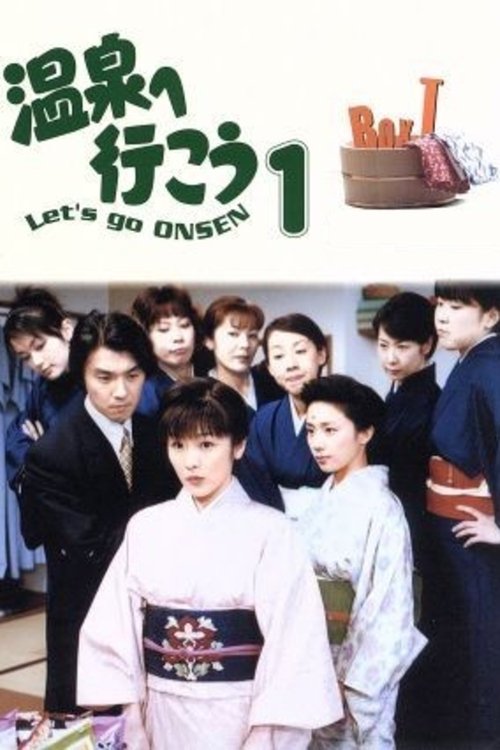
Left at the altar after quitting her job to marry, Kaoru travels to the countryside to work at the Japanese inn and hot spring resort that her mother manages. With her daughter back, Kaoru’s mother decides to groom her to become the next manager, but this causes the woman previously in line for that position to become a jealous rival. On top of that, the rest of the staff don’t respect her and refuse to cooperate at every turn. Fighting to thwart the efforts of her rival, earning the respect of her co-workers, learning a new job and hopefully finding love along the way may be tough, but she is determined to make this her new home!
Let's Go to Onsen

The 16th NHK Asadora. Starring Yoko Akino in a contemporary story about a woman who is an office worker.
Ohayousan

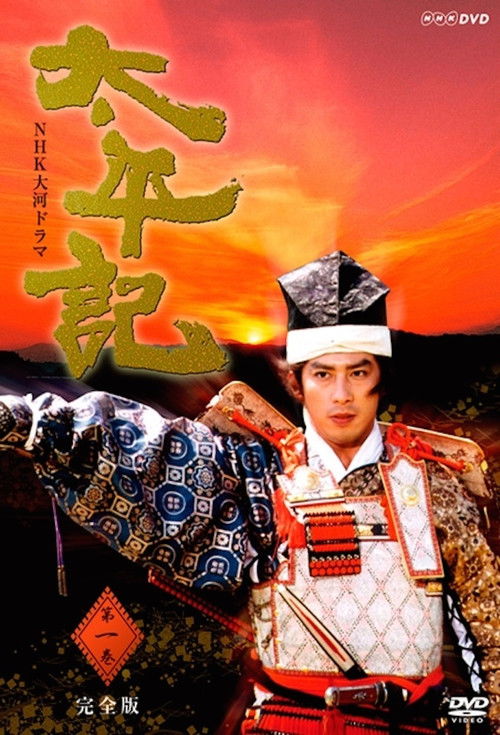
The drama centers on Ashikaga Takauji's rise to power, overthrowing the Kamakura shogunate and eventually establishing the Ashikaga shogunate.
Taiheiki

A dramatization of Ryotaro Shiba's novel of the same title about the life of Kobayashi Sahē, a chivalrous man who actually existed at the end of the Edo period.
Story of Yakuza in Naniwa

The 29th NHK Asadora. Starring Satomi Tezuka as a woman who starts a hotel in the Meiji era.
Haikara-san

Two sculptors spend the night in a mountain lodge after being caught in a snowstorm. A female spirit appears and takes the life of one of the men. She spares the other man's life on the condition that he never tell anyone what happened that night.
The Snow Woman

Akira, a teacher from Tokyo, has just arrived in a small rural town to begin his new job. Soon after arriving, he meets, and begins to fall for, Miki, a papermaker and part of a large and unusual family. When he learns of an ancient legend that the family carries the curse of the Inugami, or Dog God, he brushes it off as silly superstition. After a series of mysterious deaths, however, the townspeople begin to grow restless, and Akira must confront the truth about Miki and her family.
Inugami

When his mother's untimely death quickly follows his father's, a doctor begins to believe a killer may be targeting him and his amnesiac wife.
Gemini

Kaori is pursuing her career as a journalist for a magazine with great enthusiasm. But as a result of an article she wrote, she is sent to work for a community magazine at Fukuoka. An anonymous letter arrives, which puts her in contact with an old and forgotten theater, the 'Minato Theater' in nearby Shimonoseki.
Curtain Call

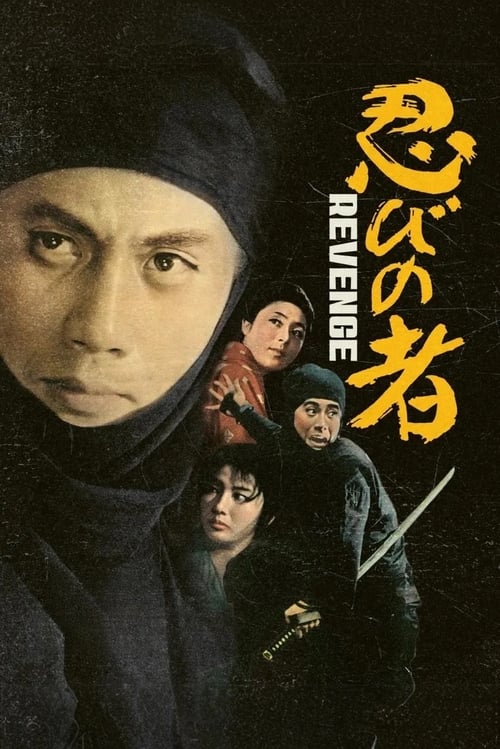
Warlord Oda Nobunaga seeks to unite a fractured Japan. A young man trained in the arts of ninjitsu is manipulated by a ninja master into attempting to assassinate the warlord before he completes his task.
Ninja, A Band of Assassins

Zatoichi comes upon the town of Tonda, overrun by gangsters. Using one of his favorite techniques, Zatoichi proceeds to win 8 ryo in a rigged gambling game. Of course, the local gangsters attempt to kill him, and the adventure begins. It turns out a blacksmith named Senzo examines Zatoichi's cane sword, and discovers it to be forged by his old mentor. Senzo discovers the sword is at the end of its usefulness and will break when it is used next.