Coretta Scott King
Acting
Biography
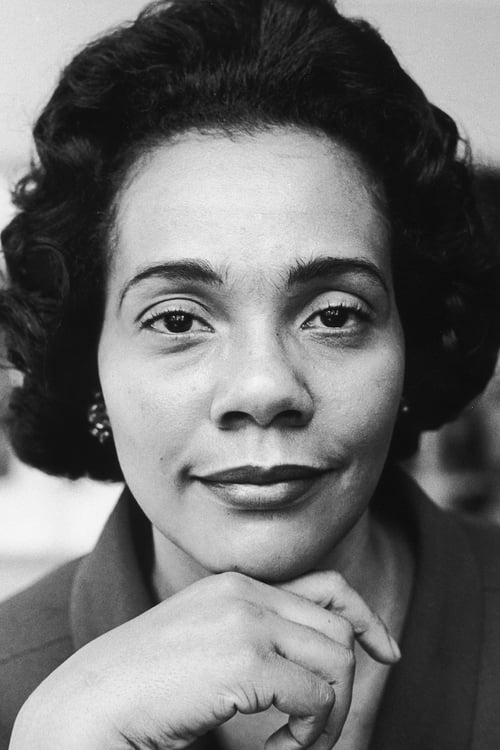
Coretta Scott King (née Scott; April 27, 1927 – January 30, 2006) was an American author, activist, civil rights leader, and the wife of Martin Luther King Jr. As an advocate for African-American equality, she was a leader for the civil rights movement in the 1960s. King was also a singer who often incorporated music into her civil rights work. King met her husband while attending graduate school in Boston. They both became increasingly active in the American civil rights movement. King played a prominent role in the years after her husband's assassination in 1968 when she took on the leadership of the struggle for racial equality herself and became active in the Women's Movement. King founded the King Center, and sought to make his birthday a national holiday. She finally succeeded when Ronald Reagan signed legislation which established Martin Luther King, Jr., Day on November 2, 1983. She later broadened her scope to include both advocacy for LGBTQ rights and opposition to apartheid. King became friends with many politicians before and after Martin's death, including John F. Kennedy, Lyndon B. Johnson, and Robert F. Kennedy. Her telephone conversation with John F. Kennedy during the 1960 presidential election has been credited by historians for mobilizing African-American voters. Description above from the Wikipedia article Coretta Scott King, licensed under CC-BY-SA, full list of contributors on Wikipedia.
Known For

The Mike Douglas Show is an American daytime television talk show hosted by Mike Douglas that originally aired only in the Cleveland area during much of its first two years on the air. It then went into syndication in 1963 and remained on television until 1982. It was distributed by Westinghouse Broadcasting and for much of its run, originated from studios of two of the company's TV stations in Cleveland and Philadelphia.
The Mike Douglas Show

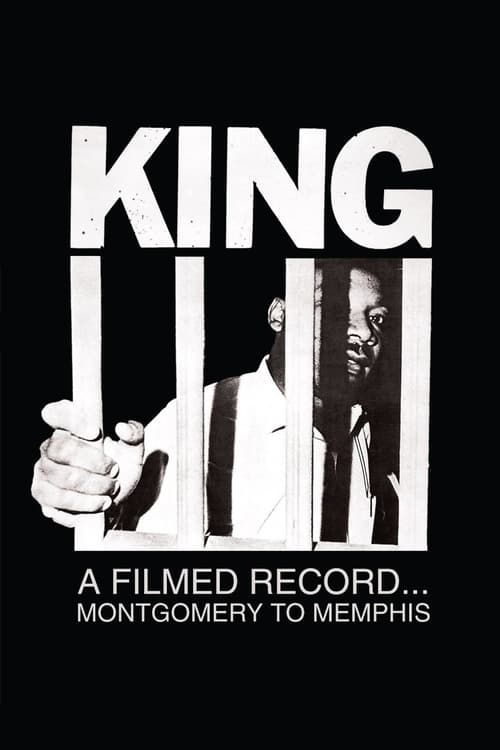
A presentation of key events in the life of civil rights activist Martin Luther King Jr. Beginning with the 1955 bus boycott in Montgomery, Alabama, MLK is followed through major steps in his struggle to promote racial equality. Including footage of King's stirring speeches, it is a fitting tribute to his legacy, and features clips narrated by a wide range of celebrities, including Harry Belafonte, Paul Newman Charlton Heston, Ruby Dee, Burt Lancaster, Anthony Quinn, Walter Matthau, Ben Gazzara, Clarence Williams III, Joanne Woodward, and James Earl Jones.
King: A Filmed Record... Montgomery to Memphis

Parks makes himself the subject, tracing his development as a person and an artist through a non-narrative abstract self-portrait that combines his photographs with his poetry, musical compositions and scenes from his films. It also features footage of Parks, plus interpretations of his personal reminiscences performed by actors Avery Brooks, Roscoe Lee Browne, and Joe Seneca.
Moments without Proper Names

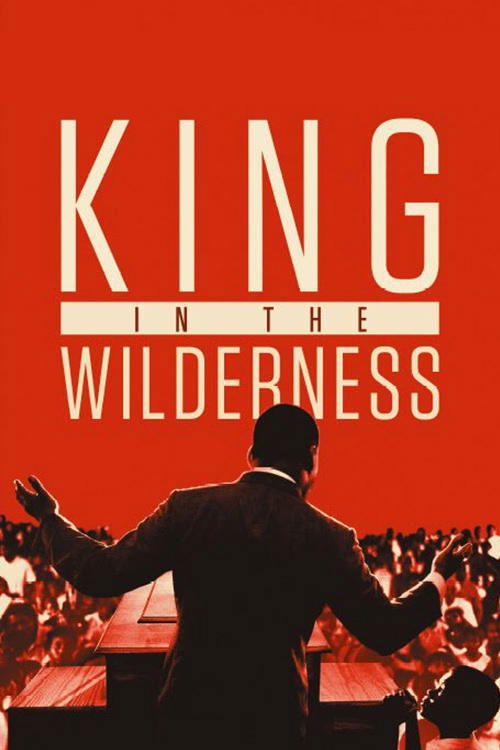
A chronicle of the final chapters of Dr. Martin Luther King Jr.’s life, revealing a conflicted leader who faced an onslaught of criticism from both sides of the political spectrum.
King in the Wilderness

Three actors in Hollywood live and love together. A director comes from New York to make a movie about actors and Hollywood.
Lions Love

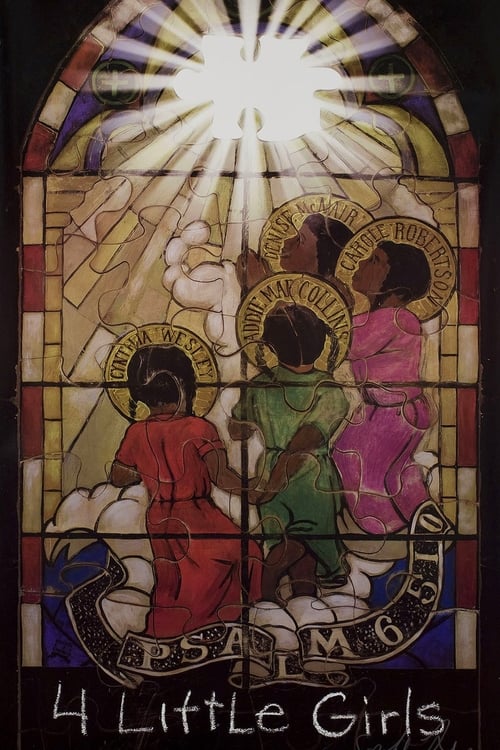
On September 15, 1963, a bomb destroyed a black church in Birmingham, Alabama, killing four young girls who were there for Sunday school. It was a crime that shocked the nation--and a defining moment in the history of the civil-rights movement. Spike Lee re-examines the full story of the bombing, including a revealing interview with former Alabama Governor George Wallace.
4 Little Girls

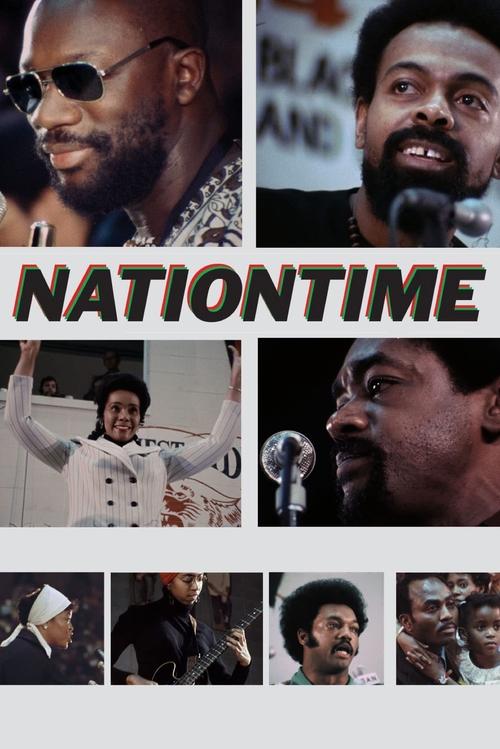
A report on the National Black Political Convention held in Gary, Indiana, in 1972, a historic event that gathered Black voices from across the political spectrum, among them Jesse Jackson, Dick Gregory, Coretta Scott King, Richard Hatcher, Amiri Baraka, Charles Diggs, and H. Carl McCall.
Nationtime

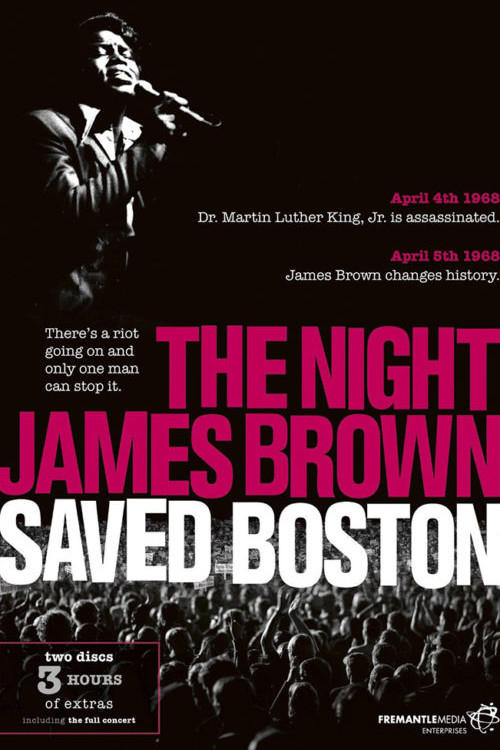
On April 5, 1968, soul legend James Brown performed a concert in Boston that many say shielded that city from the kinds of devastating riots that ripped other cities apart after the assassination of Martin Luther King, Jr.
James Brown - The Night James Brown Saved Boston

Utitlising humour, fantasy, animation, poetry and theatrics, Hochman and her crew challenge the male establishment for ignoring the first meeting of the National Women's Political Caucus and Shirley Chisholm's bid for US vice-president.
Year of the Woman

Relive an unspeakable tragedy detailed with unforgettable images, videos, and recordings only recently rediscovered.
MLK: The Assassination Tapes

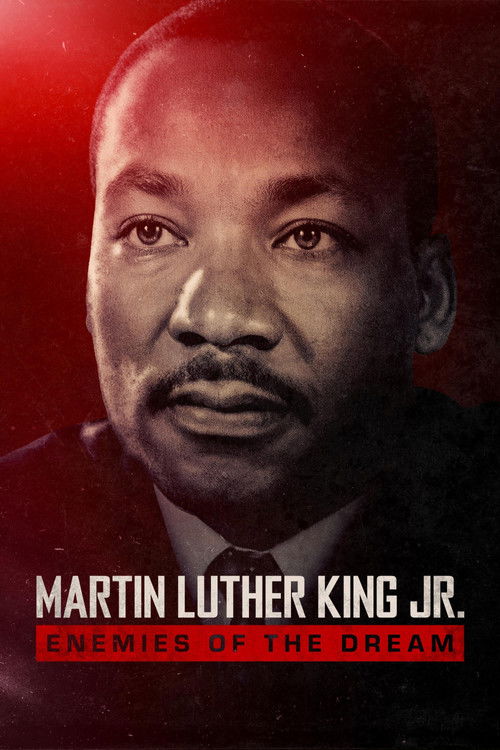
The fight for racial equality came at a cost. Martin Luther King Jr. rose as a powerful voice for justice, yet was seen as a threat by some. Declassified records fuel questions about whether more lay behind the silencing of his voice.
Martin Luther King Jr.: Enemies of the Dream

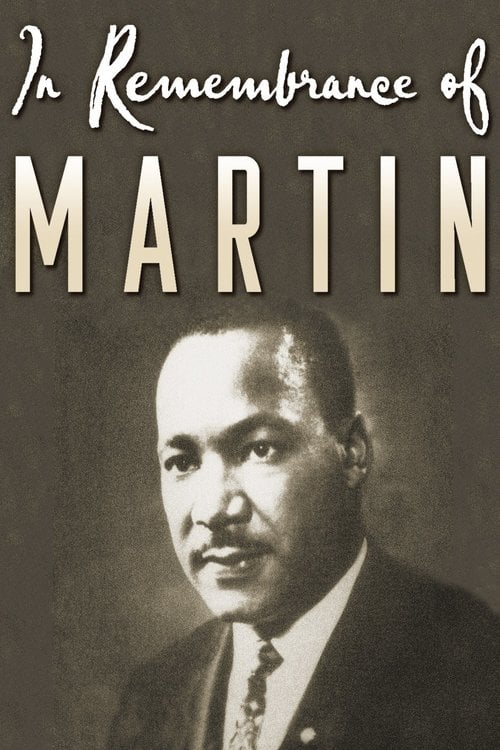
Personal comments from family, friends, and advisors fill this remarkable documentary honoring Dr. Martin Luther King, Jr. Coretta Scott King joins the Reverend Ralph Abernathy, Julian Bond, Jimmy Carter, the Reverend Jesse Jackson, Senator Edward Kennedy, John Lewis, Bishop Desmond Tutu, and Andrew Young, who recall Dr. King's career and trace his leadership in the civil rights movement. Includes portions of his "I Have a Dream" speech.
In Remembrance of Martin
National Geographic documentary on Martin Luther King Jr. helps drive change in the United States in the face of bitter opposition, not least from opponents within the U.S. government; King is subjected to a fierce campaign of intimidation by J. Edgar Hoover's FBI.
Martin Luther King, Jr. : Marked Man
Oscar nominated documentary short.
Mighty Times: The Legacy of Rosa Parks

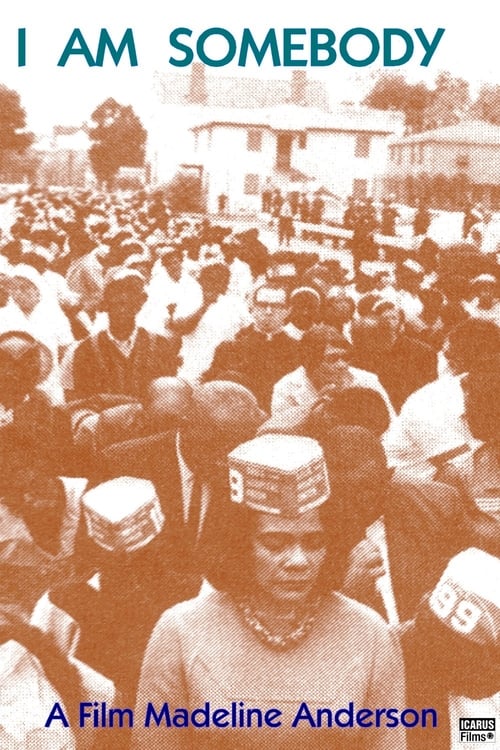
Madeline Anderson’s documentary brings viewers to the front lines of the civil rights movement during the 1969 Charleston hospital workers’ strike, when 400 poorly paid Black women went on strike to demand union recognition and a wage increase, only to find themselves in confrontation with the National Guard and the state government. Anderson personally participated in the strike, along with such notable figures as Coretta Scott King, Ralph Abernathy and Andrew Young, all affiliated with Martin Luther King’s Southern Christian Leadership Conference. Anderson’s film shows the courage and resiliency of the strikers and the support they received from the local black community. It is an essential filmed record of this important moment in the history of civil and women’s rights. The film is also notable as arguably the first televised documentary on civil rights directed by a woman of color, solidifying its place in American film history.
I Am Somebody

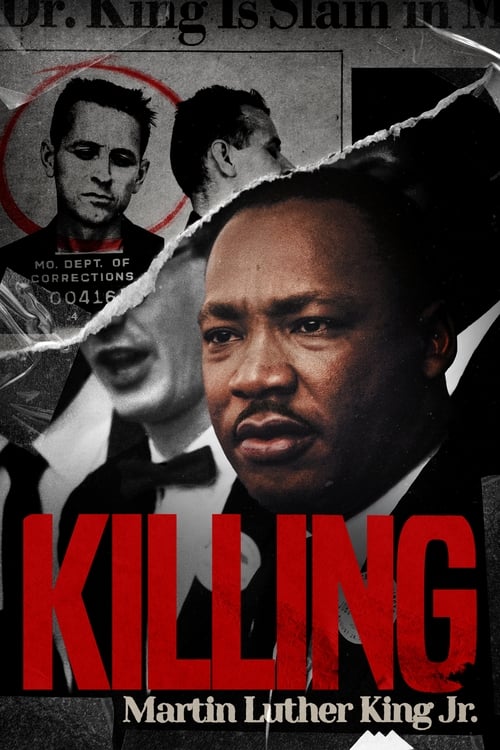
No person has transformed a race’s social standing as Martin Luther King Jr. He transcended racial barriers, But the quest for equality came with consequences. 1968. April 4th. A day that changed the landscape of society forever.