Acting
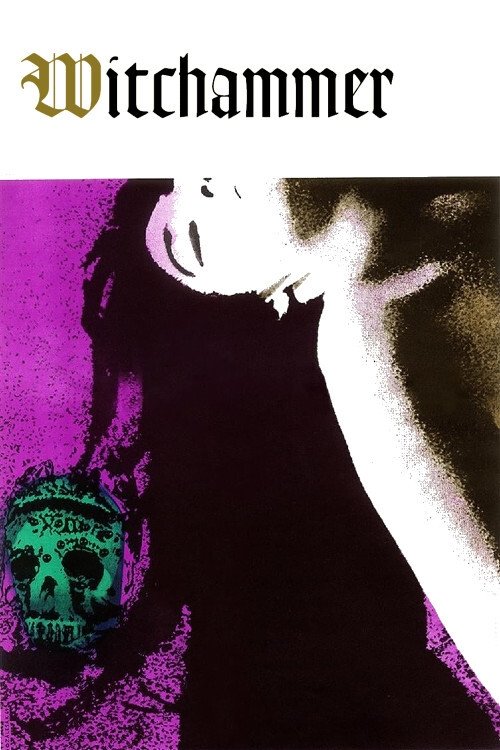
In the 1600s, an overzealous clergy hauls innocent women in front of tribunals, forces them to confess to imaginary witchery, and engages in brutal torture and persecution of their subjects.
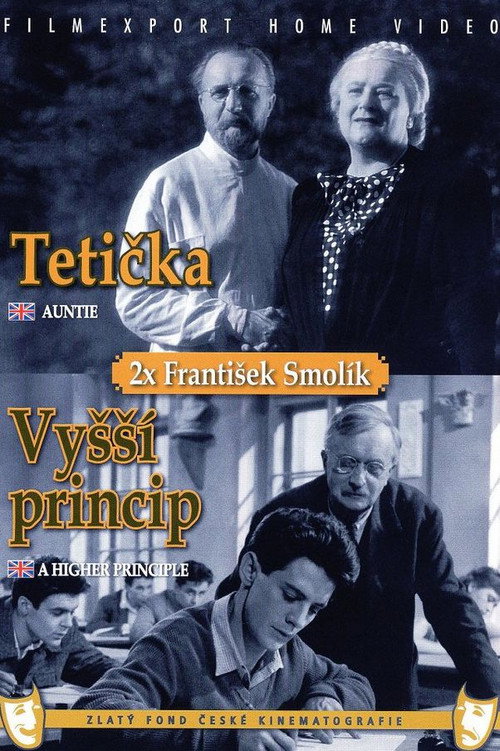
Rich spinster Berta celebrates her sixtieth birthday. Her faithful admirer Dr. Jelinek proposes. But Berta can not forget Edward, the great love of her life, and refuses the offer…
Ten-year-old Martin attends religion at school and is always an altar boy at church. That's the wish of his mother Anci, a bigoted believer. However, Martin encounters hypocrisy at every turn and begins to doubt that God exists. His older brother Eda steals money from his father with impunity, his father steals materials from the cooperative building, and even Martin's best friend Kovajs "sins" without scruples. Pastor Hornof tries in various ways to maintain his influence over his sheep, but is hindered by people with a "progressive" socialist mindset. When Martin's beloved Angora rabbits, who have done nothing wrong to anyone, die, the boy's faith is clear. He decides to join a pioneer organisation. All that's left is to keep it a secret from his mother...
No description available.
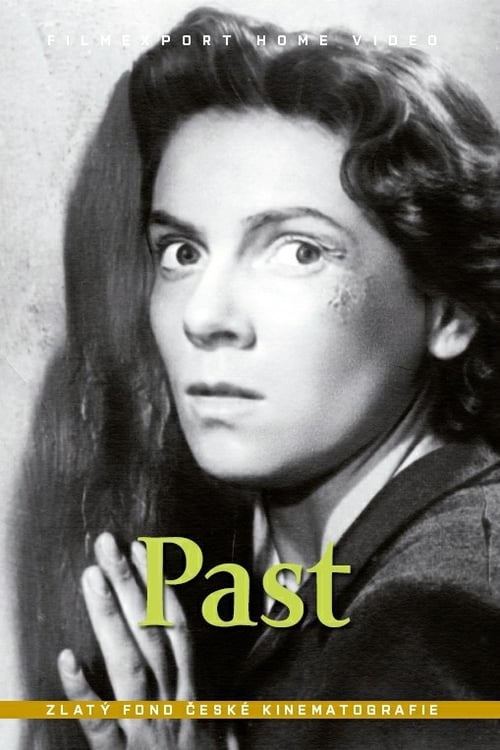
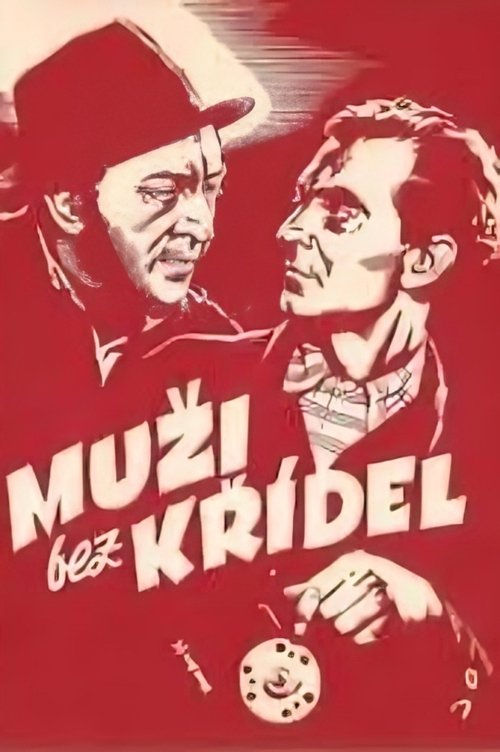
The drama from the time of the Nazi occupation begins at the train station, where a transport with German soldiers is passing. The train is stopped due to improvised sabotage by one of the railway workers. Resistance liaison Růžena Kubínová is arrested in a random raid. The cynical councilor Dönnert discovers her false documents and has her brutally interrogated. He suspects that she could contribute to exposing the entire group. He puts a informant, Herta, in her cell.
After an attack against the guard of the Third Reich, Nazi repression intensifies, and the Czechoslovakian resistance's organized sabotage in an aircraft factory leads to Gestapo shootings.
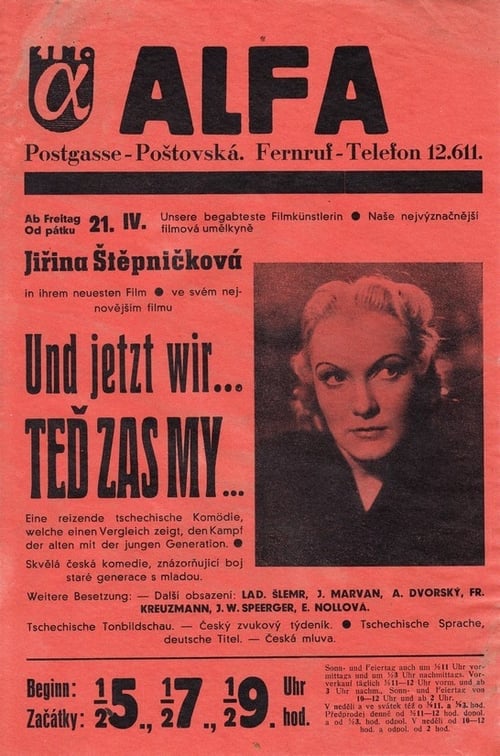
The factory owner Hložek is in a constant dispute with his son Jiří. Jiří wants to modernize the factory, but his father is afraid that the new machines will deprive the workers of their jobs. News of the factory modernization divides the employees into two hostile camps. To prevent unrest, Hložek offers his son money from his mother's inheritance in exchange for his departure. Jiří's biggest opponents include two older employees of the company - the correspondent Málek and the accountant Mazara...
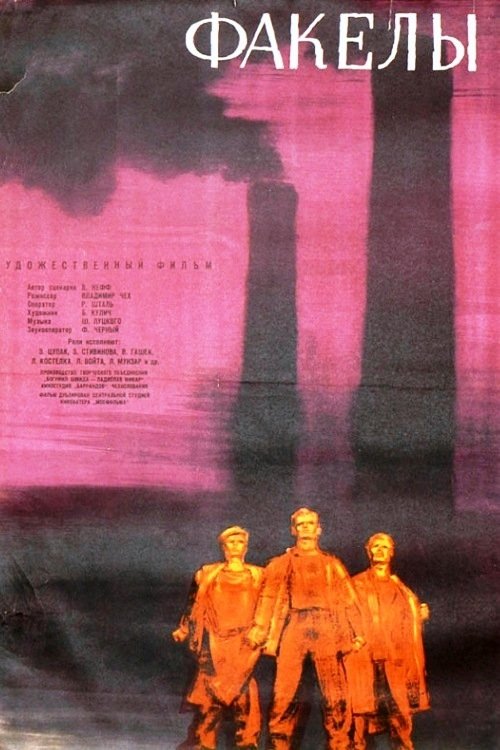
Prague in the 1870s. Work in Smolík's sulphur factory is hard and dangerous to health. The poorly paid workers resemble torches because their clothes are soaked with poisonous phosphorus. Young Josef Rezler also works in the sulphur factory and uses his earnings to feed his mother and little sisters. He throws his perpetually drunken father out of the house. The older worker Brož forces Josef to learn to read and write. A cholera epidemic breaks out in Prague and Josef is the only one of his family to survive the disease...
The Emperor's mismanagement of his country is provoking some in his court to plot to overthrow him. He feels successful, at least, when he discovers the legendary Golem, which he believes can protect him and even cure his imaginary illnesses but, when he disappears while on a bender, his kindly baker, who looks just like him, is mistaken for him, and begins to put things in order. However, the conspirators, not to be outdone, determine to bring the Golem back to life to do their bidding.
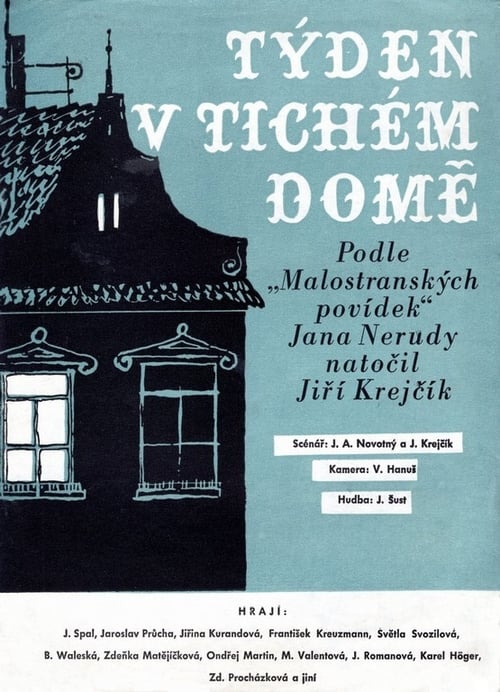
A sometimes humorous, sometimes more serious look at the hustle and bustle of a house in Lesser Town with a diverse array of tenants living there, and often petty quarrels that break out between them. Behind the facade of the house in Lesser Town "U dvou slunců" (Two Suns) there is life. The Bavors live here, eternal slaves to the grocery store. The Ebros, who need to marry their daughter off at a good price. The bachelor Dr. Loukota and other interesting Nerudov characters.
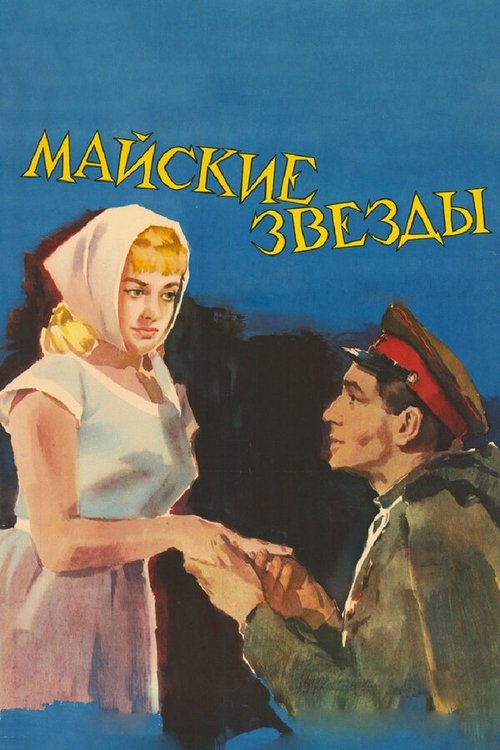
May 1945. On the outskirts of Prague, ordinary people meet Soviet soldiers-liberators with tears of joy in their eyes. In the early days of the lull, someone sadly recalls a pre-war life; someone unexpectedly meets his love; someone is returning from enemy dungeons looking hopefully into the future; and someone, having moved from a tank into a Czech tram, warmly recalls his craft as a car driver... These days, all those who survived the Great War fire swear an oath to keep peace on Earth forever, honoring the memory of those who gave their lives for simple human happiness.
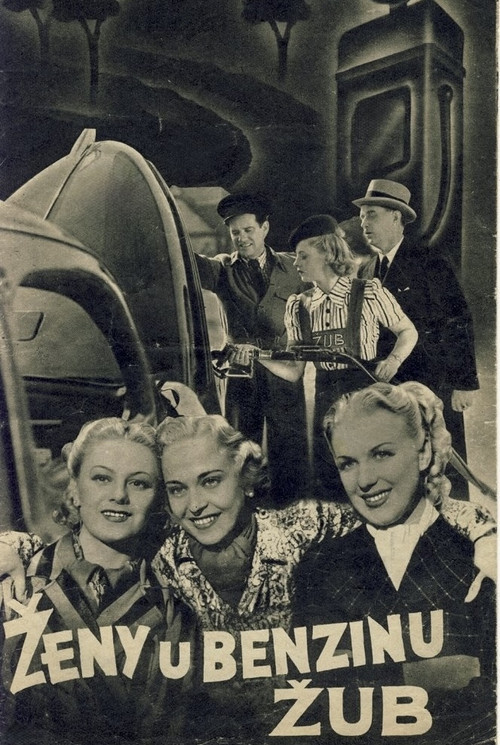
Milada Dvořáková is about to get married to her business partner Dub, a gas station owner. When she catches him hugging his secretary, she breaks up with him. She sets up a rival company, ŽUB (Women at Gas Stations), and employs only single women. Dub also gets into the competitive fight...
Businessman Karel Bočan is a swindler who writes down the debts of his victims in a green notebook. He is stopped by an observant boy who reveals the fraudster and dealer in stolen goods in it.
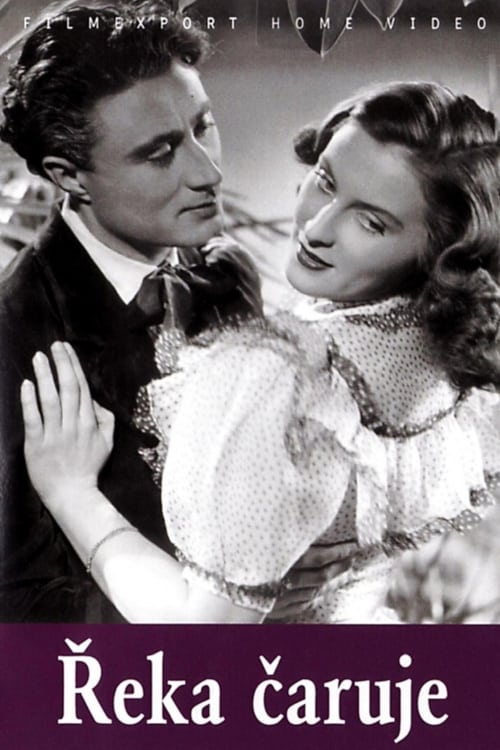
Leopold Kohák married a rich widow a long time ago and now has nothing to do compared to his energetic wife. He's growing old and troubled by the fact that he betrayed his first love Emča and his beloved river Sázava where he spent his childhood and youth. A visit from an old friend Lebeda brings it all back to him. After a nervous breakdown Leopold secretly visits his home instead of going to the spa. A wandering tramp suggest Leopold should bathe in the magical waters of the Sázava, and slowly his youth returns to him.
In a country whose people have just been successfully persuaded of their superiority and the justification for military expansion by the fiery speeches of a dictator, the bacillus of a highly destructive form of leprosy has spread. It is called morbus Tshengi, or popularly „white disease“. The only one who has developed an effective cure for it is a physician of the poor named Galén. But he refuses to reveal the secret of his cure as long as the powerful destroy human lives through wars.
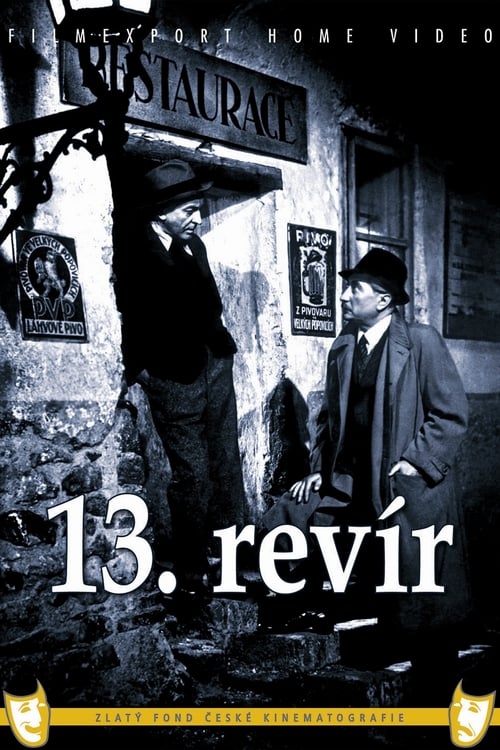
Inspector Cadek from the 13th police station keeps an eye on the released safe-cracker nicknamed The Cat. He rightly suspects that Cat will go and pick up his last loot which the police didn't manage to find and that he will want revenge on Karta who helped put him behind bars. At the hospital, Cat's ex-lover Fróny hopelessly falls for doctor Chrudimský and decides to start a new life. She still refuses to help the inspector in his search for The Cat and Karta.
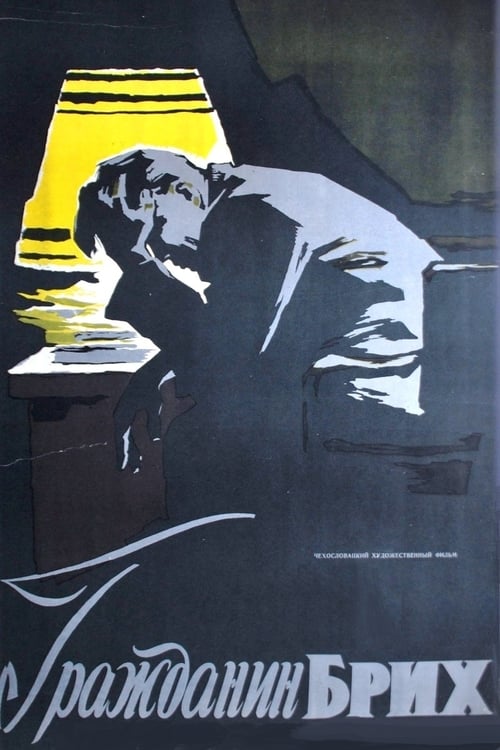
František Brych, a principled lawyer, refuses to back the new Communist regime at his factory and grows increasingly alienated, even as his former love Irena, unhappily married to factory owner Ondřej Ráž, seeks his understanding. When he helps plan an escape over the Šumava border, the group’s panic and violence lead to murder, prompting Brych to abandon the scheme and return home with Irena.
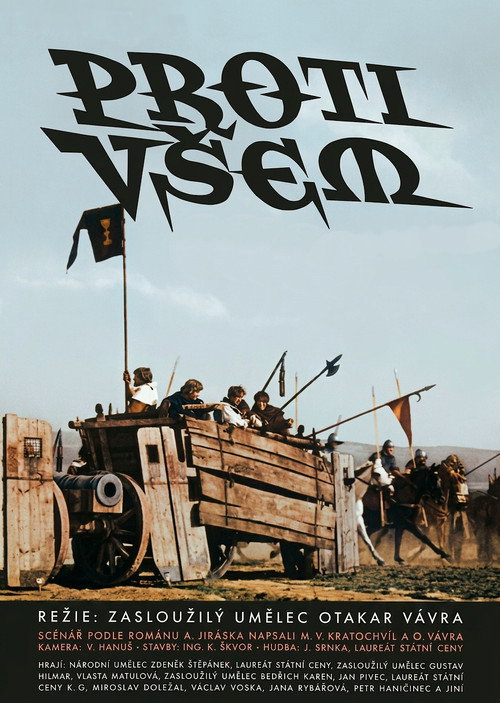
After the battle of Sudoměř the Hussite teaching spreads through the whole country and people start leaving their homes to help build the fortification of Tábor. Prague citizens request help against the army of Zikmund. The Hussite army with Jan Žižka in the lead make their way towards Prague. They fortify themselves on the mountain Vítkov and engage in a bloody battle with Zikmund’s huge army.