Eva Jiroušková
Acting
Known For
No description available.
Bakaláři
Set in Czechoslovakia, the drama follows the lives of its characters against the backdrop of real historical events that shape their personal stories. To evoke period atmosphere, the series intersperses authentic clips from vintage Czechoslovak film newsreels, using their original commentaries or newly recorded historical voice-overs by Vladimír Fišer. A narrator, initially voiced by Vojtěch Kotek and later by Matěj Hádek, provides continuity and reflection, guiding viewers through changing times. Under the guidance of screenwriter Rudolf Merkner, each episode’s script weaves family and individual dramas into key moments of Czech and Slovak history: political shifts, cultural trends, and social transformations from the 1960s onward.
Vyprávěj
Hospital at the End of the City is a popular television series first released in Czechoslovakia in 1977, it featured an ensemble cast and received much viewer praise in central Europe. The series ran from 1977 to 1981 for a total of twenty episodes. The success of the series inspired the German television series The Black Forest Clinic.
Nemocnice na kraji města
No description available.
Úsměvy světa
No description available.
Nejmladší z rodu Hamrů
No description available.
Slavné historky zbojnické
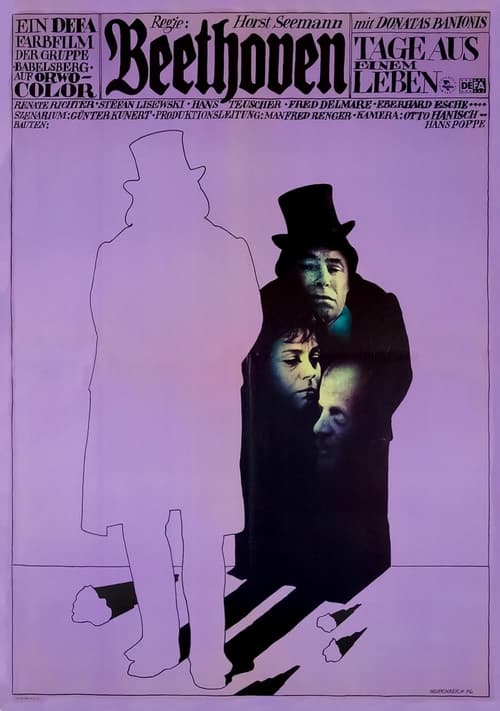
Vienna, 1813-1819: Beethoven (played by Donatas Banionis) is at the peak of his fame. Orchestras all over the world play his music, but he lives modestly and is dependent upon private patrons. Nagged by his patronizing brothers, spied upon by officials for his republican beliefs and faced by his progressive hearing loss, the composer becomes more and more isolated. Seeman’s poetic film explores the joys, heartbreak and artistic spirit of the great composer as he works on his Ninth Symphony.
Beethoven - Days in a Life
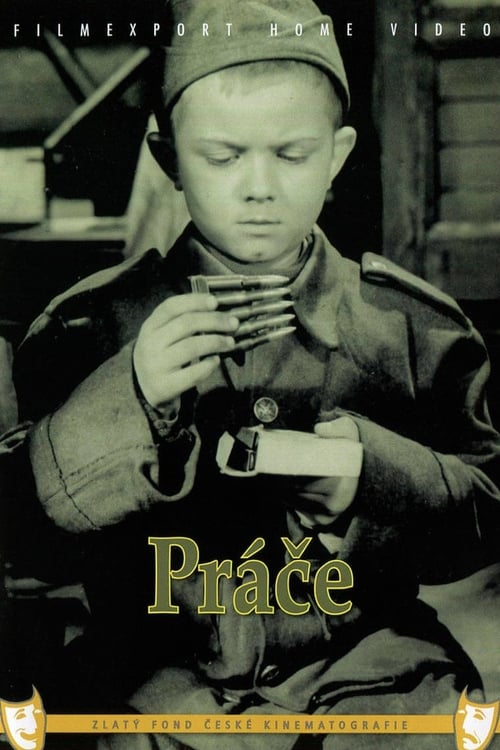
A young Czech boy is freed from a concentration camp and now is working for the army against the Germans.
Slingboy

The Emperor's mismanagement of his country is provoking some in his court to plot to overthrow him. He feels successful, at least, when he discovers the legendary Golem, which he believes can protect him and even cure his imaginary illnesses but, when he disappears while on a bender, his kindly baker, who looks just like him, is mistaken for him, and begins to put things in order. However, the conspirators, not to be outdone, determine to bring the Golem back to life to do their bidding.
The Emperor and the Golem
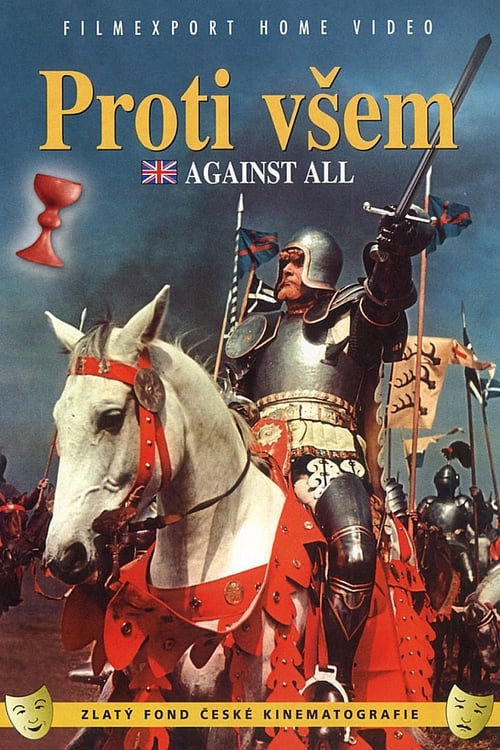
After the battle of Sudoměř the Hussite teaching spreads through the whole country and people start leaving their homes to help build the fortification of Tábor. Prague citizens request help against the army of Zikmund. The Hussite army with Jan Žižka in the lead make their way towards Prague. They fortify themselves on the mountain Vítkov and engage in a bloody battle with Zikmund’s huge army.
Against All
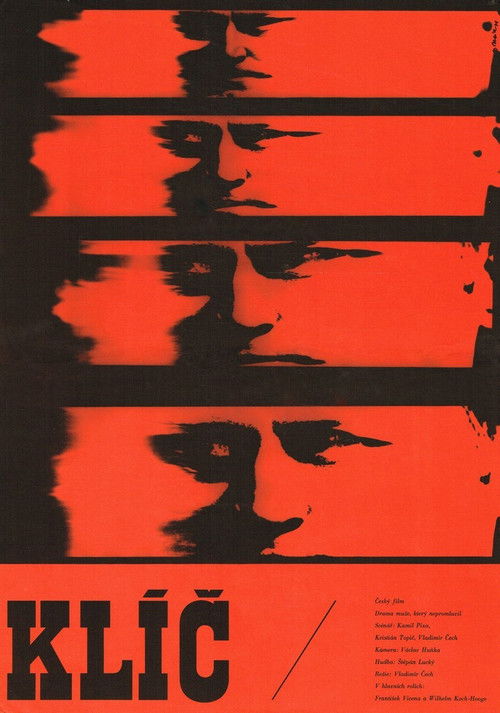
Jan Zika is the legendary hero of the communist resistance movement during World War II and leading functionary of the second underground Central Committee of the Communist Party of Czechoslovakia.
The Key
No description available.
Rodeo
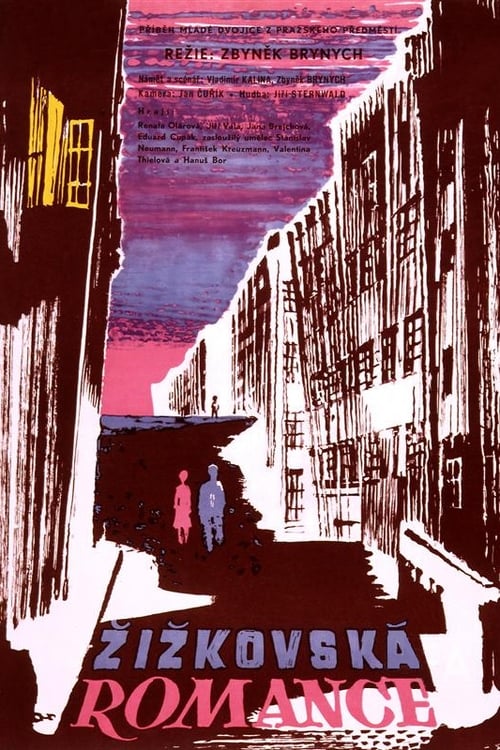
A young, unmarried woman finds herself a "little bit pregnant" and she tries to hide this fact from her mother but it isn't long before the truth is obvious.
A Suburban Romance
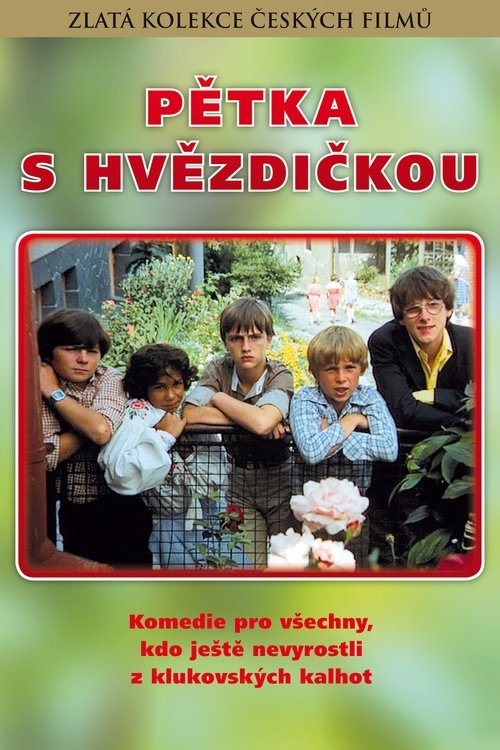
A funny movie about life and adventures of the five inseparable friends from little town in south Czech republic.
Inseparable Five
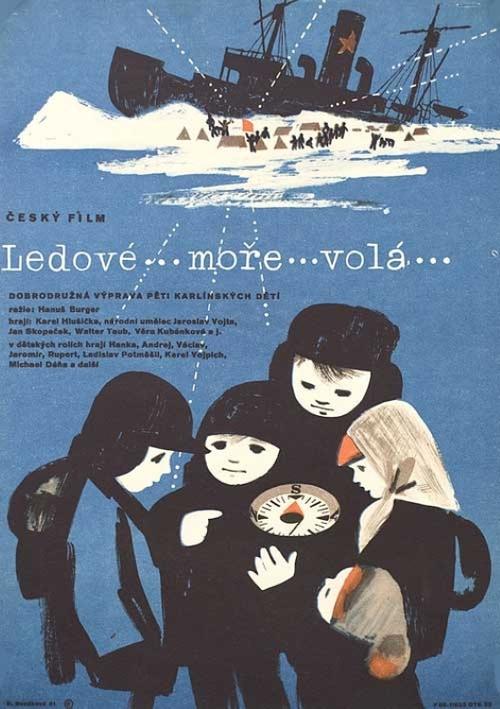
A group of children from 1930s Prague follow the news about the polar expedition of the Chelyuskin, whose members find themselves stranded on a floating crust after the shipwreck. The rescue operation they had planned eventually turns out to be an aid to the striking workers of Děčín...
Ledové moře volá
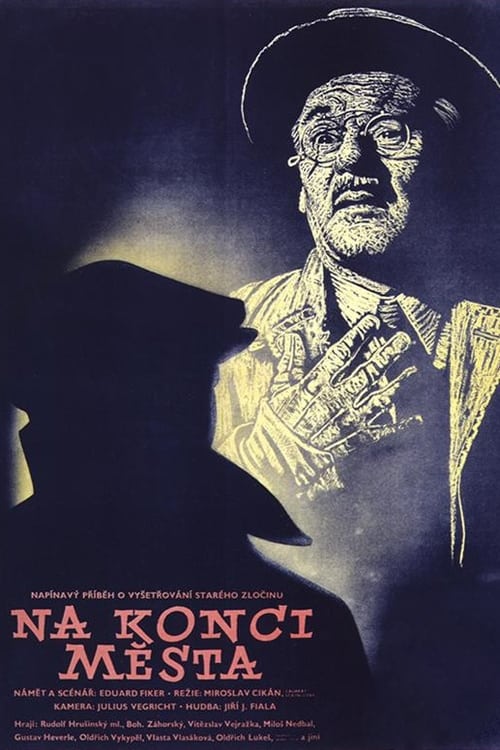
Captain Jirák of the SNB is searching for the perpetrator of the murder of the former owner of an apartment building on the outskirts of town, which took place more than twenty years ago.
Na konci města
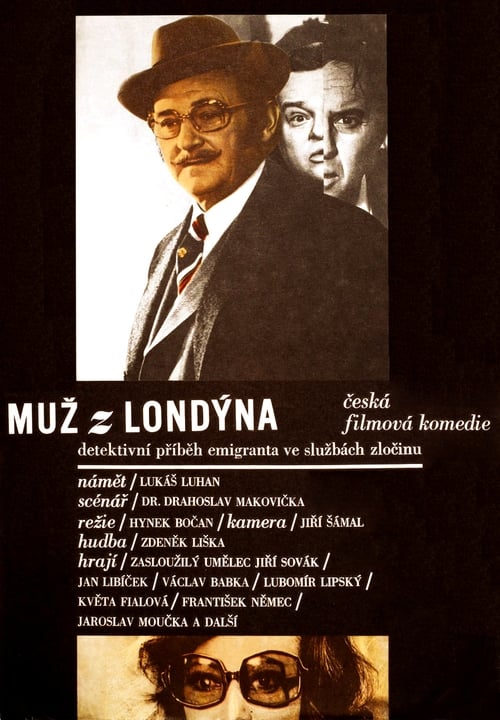
A British citizen by the name of George Reiner (Jirí Sovák) arrives at Prague airport. He was once a Czech safe-breaker, and has now returned home after thirty years to steal twenty-dollar gold coins still kept in the safe at a private villa in Pilsen whose owner fled to the West.
The Man from London

During World War II, dogs were trained in special centres for guard duty in concentration camps. However, one of the prisoners domesticates a female German Shepherd, which saves his life during his escape.
Počkám, až zabiješ

Oligophrenic Fany (Bohdalová) lives with her aunt who suddenly manages to travel abroad. Fany has to move to her sister (Jirásková). Two very different women, one mentally disabled and the second one intelligent doctor has to live together and learn from each other about tolerance, loneliness, life and why call dogs "Mister".
Fany
A comedy about a charismatic man who lacks the confidence of his surroundings. However, he was not completely satisfied with the original script and invited Jiří Mucha to adapt Otto Zelenka's script, which gave the film the final form of a bitter conversational comedy. It is also worth noting that the big beat band Olympic appeared in the film in its early days with the song "Dangerous Figure".