František Holar
Acting
Known For
No description available.
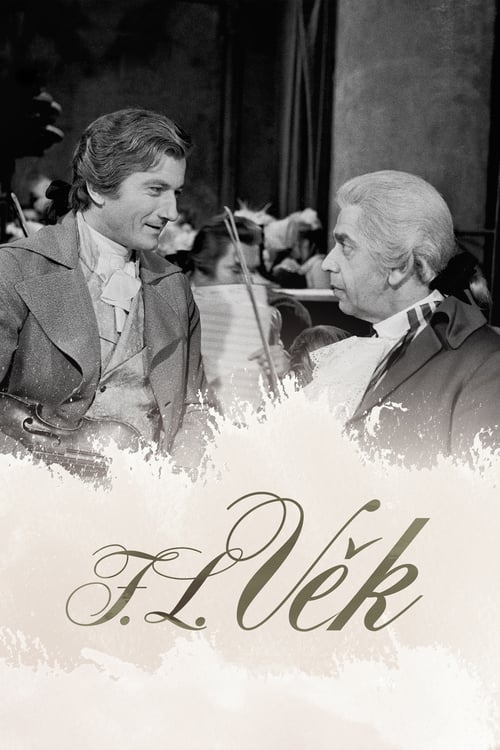
F. L. Věk
No description available.
Bližní na tapetě
No description available.
Případy komisaře Mejzlíka
No description available.
Tři chlapi v chalupě
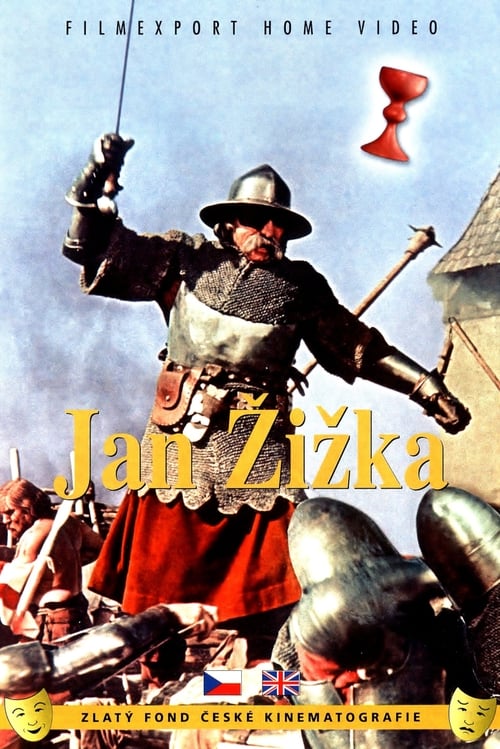
The second part of the revolutionary Hussite trilogy takes place in the years 1419-1420.
Jan Žižka
Amy Dorrit spends her days earning money for the family and looking after her proud father who is a long term inmate of Marshalsea debtors' prison in London. Amy and her family's world is transformed when her employer's son, Arthur Clennam, returns from overseas to solve his family's mysterious legacy and discovers that their lives are interlinked.
Little Dorrit
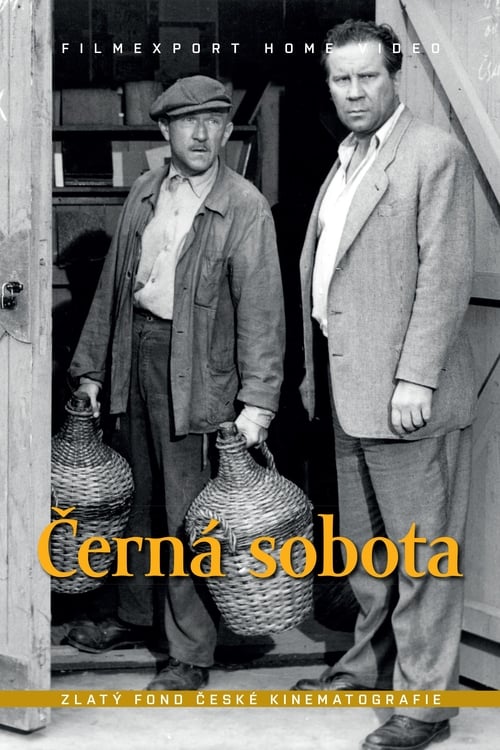
In this crime story, surprisingly, neither the all-powerful criminals nor the spies or saboteurs are pursued, as was once common. The plot is almost mundane: someone unwittingly siphoned off alcohol from a tanker, unaware that it was deadly methyl alcohol, intended for industrial use. Finding out where the poison has been transported and which people it endangers requires painstaking work.
Black Saturday
No description available.
Přiznání
No description available.
Dobrodružství Huckleberryho Finna
No description available.
Alexandr Dumas starší
No description available.
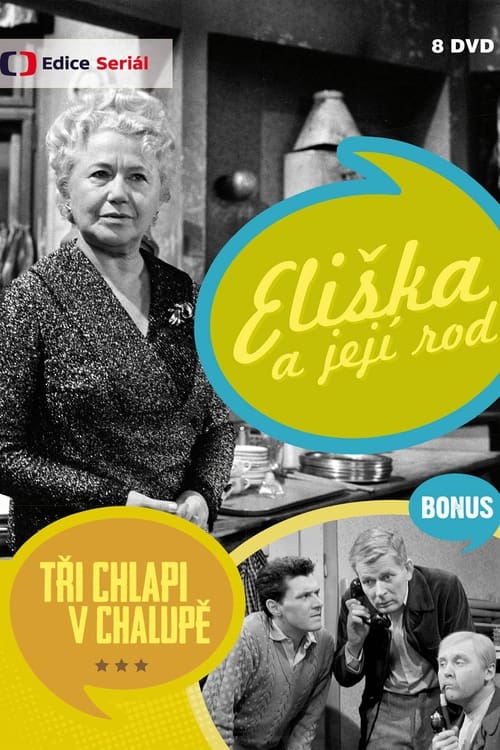
Eliška a její rod
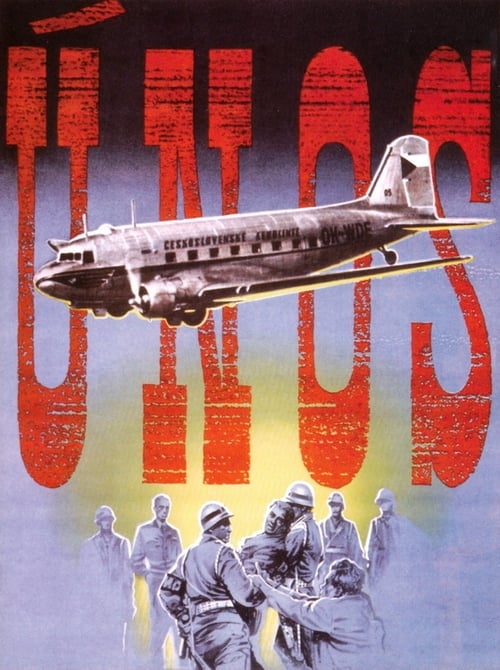
American agents hijack a plane on the Ostrava-Prague route to launch a campaign against the People's Democratic Czechoslovakia. The plane lands in West Germany, but the Americans have an unexpected problem convincing the hijackers to stay in the West. Based on a true story.
Kidnapped
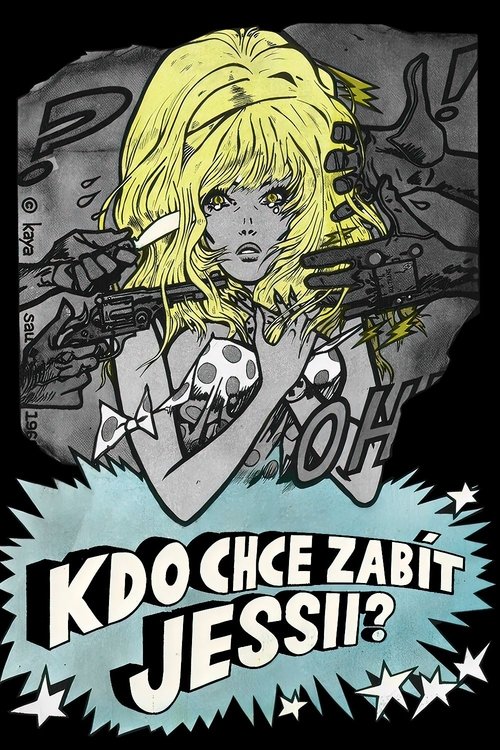
In this zany Czechoslovakian comedy, a scientist invents a machine that projects a sleeping person's dream on a screen; disaster soon follows when the machine malfunctions and the cartoon-like dream characters become very real!
Who Wants to Kill Jessie?
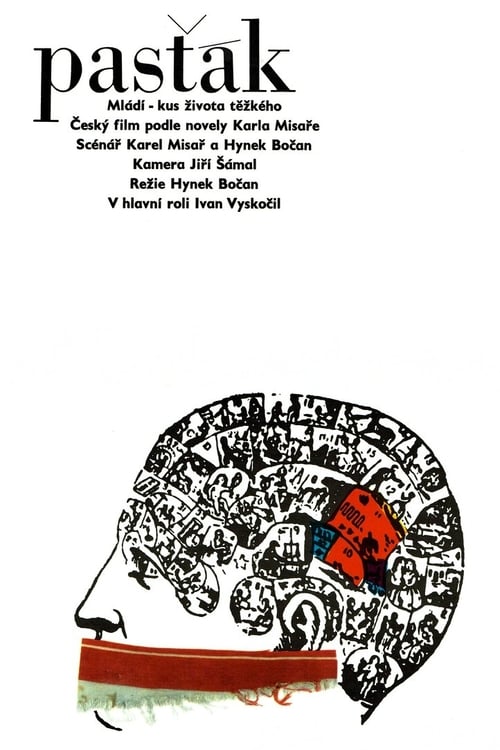
A young teacher is sent to a rural reform school, where he is faced with brutality of the inmates.
The Borstal
The management of the Meteor motorcycle factory is forced by a representative of the central headquarters to accept the expensive design of a racing machine and abandon the unfinished prototype of a folk motorcycle of their own design. However, the factory's workers and technical team decide to complete the prototype of the "Pepíky", as they call their five-hundred-horsepower motorcycles, ahead of schedule.
Pětistovka
On his first day in a new place, waiter Josef Kučera stands up for his old servant Bartoš and bellhop Svát. His actions earn him the distrust of the café owner Stýbl, the admiration of the maid Jindřiška, and the hatred of her suitor, the waiter Vacek. One evening, Kučera overhears a strange conversation between two guests and confides in the editor of Rudý právo Rokos. When a scandal breaks out about the bank robbery of the minister's son-in-law Zakhar, Rokos deduces from the conversation that it was a fake robbery...
Kavárna na hlavní třídě
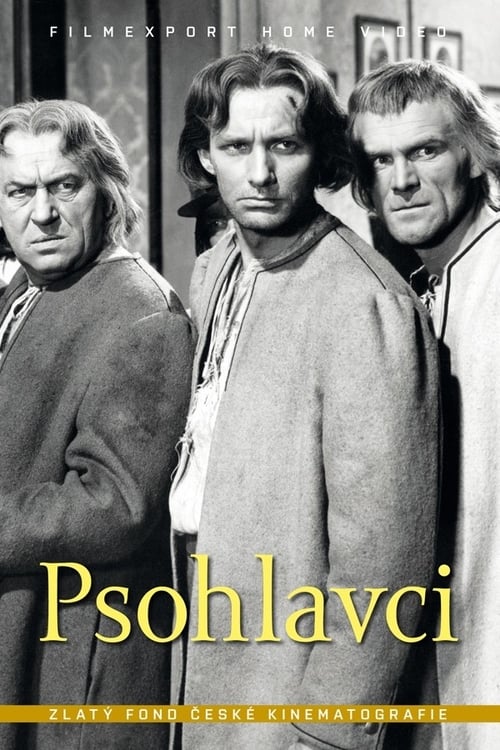
The history of the rebellion of the brave Chody, led by Jan Sladký Kozina and Matěj Přibek, against the violent tyranny of the foreign nobleman Maximilian Lamminger of Albenreuth. Based on the novel of the same name by Alois Jirásek.
Dog's Heads
Oldřich Nový was and will forever remain the embodiment of charm, elegance and personal charm for Czech cinema, to which all women, regardless of age, were subject. In his unforgettable lover roles, he was not only a romantic who was able to fall in love with a girl from an ancient painting, succumb to the chocolate-brown eyes of the minister's girlfriend, but also a seducer for whom infidelity was a regularly practiced sport, or, conversely, a newlywed obsessed with jealousy. This was exactly Viktorin, the main character of a crazy Art Nouveau comedy, where everything revolves around a massive deer antler. Its involuntary owner becomes the jealous Viktorin, and it is certainly not difficult to guess what such a "right" gift can cause.
Parohy
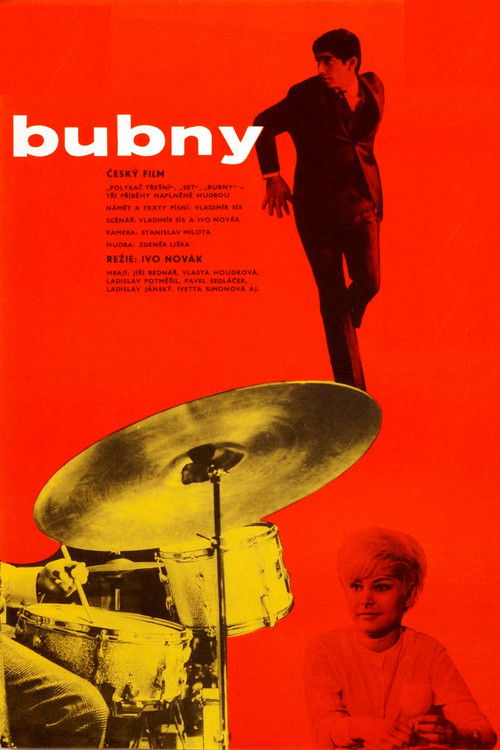
An anthology in three jazz-infused tales: an idealistic student’s romance with a pragmatic trumpeter; a vibraphonist’s urgent journey ending in tragedy; and drummer Honza’s moral dilemma as he confronts how far he’ll go to obtain his dream kit.
Bubny
Businessman Karel Bočan is a swindler who writes down the debts of his victims in a green notebook. He is stopped by an observant boy who reveals the fraudster and dealer in stolen goods in it.