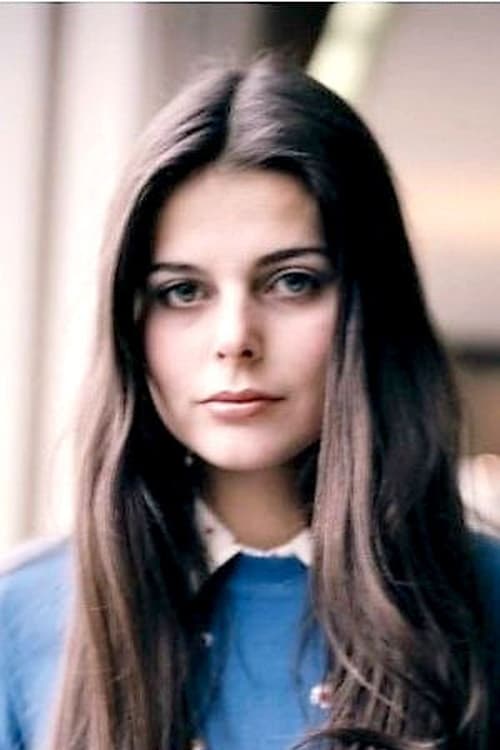
Andrea Čunderlíková
Acting
Known For
No description available.
Bakaláři
Thirty Cases of Major Zeman is a Czechoslovak action-drama television show intended as a political propaganda to support the official attitude of the communist party. The series were filmed in the 1970s. Each episode encompasses one year, and investigations are stylized to that year. Most are inspired by real cases. The series follows the life of police investigator Jan Zeman during his career from 1945 to 1975.
Thirty Cases of Major Zema
Sanitka was a Czech television, drama series, first broadcast in 1984 and eleven episodes were made. It starred Jaromír Hanzlík, Tomáš Juricka and Zlata Adamovská among others.
Sanitka
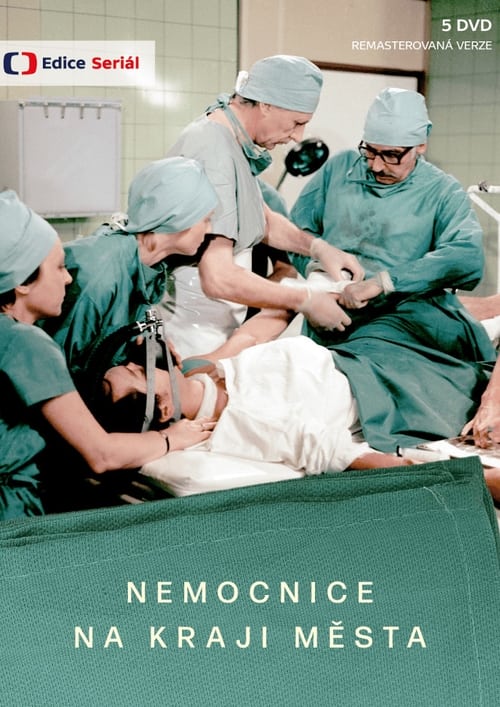
Hospital at the End of the City is a popular television series first released in Czechoslovakia in 1977, it featured an ensemble cast and received much viewer praise in central Europe. The series ran from 1977 to 1981 for a total of twenty episodes. The success of the series inspired the German television series The Black Forest Clinic.
Nemocnice na kraji města
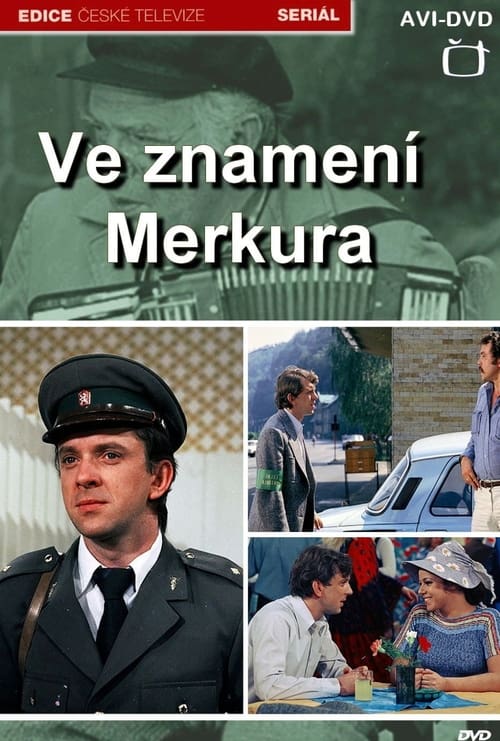
No description available.
Ve znamení Merkura
No description available.
Dnes v jednom domě
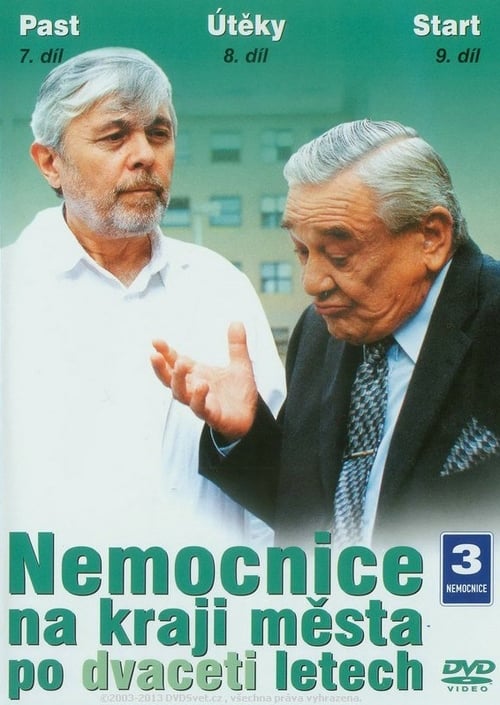
No description available.
Nemocnice na kraji města po dvaceti letech
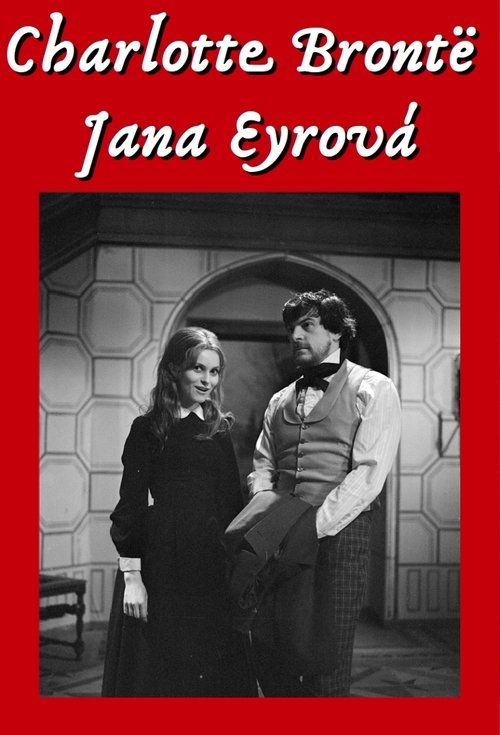
After a bleak childhood, Jane Eyre goes out into the world to become a governess. As she lives happily in her new position at Thornfield Hall, she meets the dark, cold, and abrupt master of the house, Edward Rochester. Jane and her employer grow close in friendship and she soon finds herself falling in love with him. Happiness seems to have found Jane at last, but could Rochester's terrible secret be about to destroy it forever?
Jane Eyre

The little mermaid rescues a prince from drowning and falls in love with him. To be with him, she makes a deal with the evil sorceress: her beautiful voice against a life on land.
The Little Mermaid
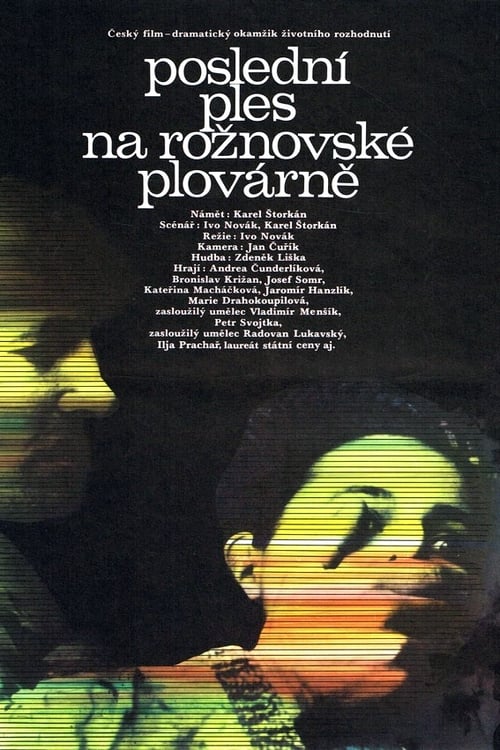
This story from the time of the occupation tells how the students of the teachers' institute decided to hold a traditional ball despite the ban. However, they had to cope with conditions more than threatening: the presence of Nazi thugs who intend to execute captured partisans as a warning...
Poslední ples na rožnovské plovárně
No description available.
Desatinka citu
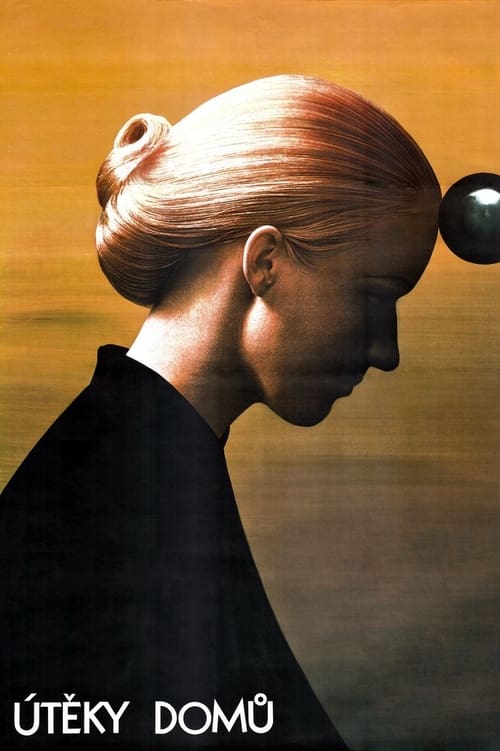
A twelve-year-old is looking for his biological parents after discovering the fact that he was adopted.
Escape Home

Visiting Slovakian Racha to get antiquated with Slovakian wine-making techniques, Rachvelian from Georgia, Zauri, falls in love with Slovak Darina. Consequentially, when Darina visits Georgia, Zauri does his best to make her also love him.
Racha, My Love
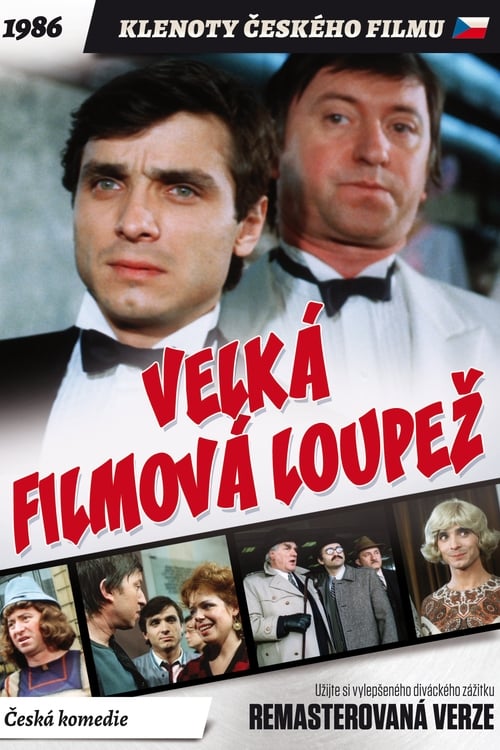
The film is essentially a feature-length commercial for an exhibition to mark the 40th anniversary of the nationalisation of the Czechoslovak film industry, to be held at the Prague U Hybernu venue. The protagonists of the piece are comedians Oldrich Kaiser and Jirí Lábus, who are set to accept an award from Japanese television representatives at the exhibition. At the same time, five gangsters plot to seize a revolutionary invention devised by professor Suzuki - a super holograph, which enables any figure from television to be transported in the flesh into the real world, and vice-versa.
The Great Movie Robbery
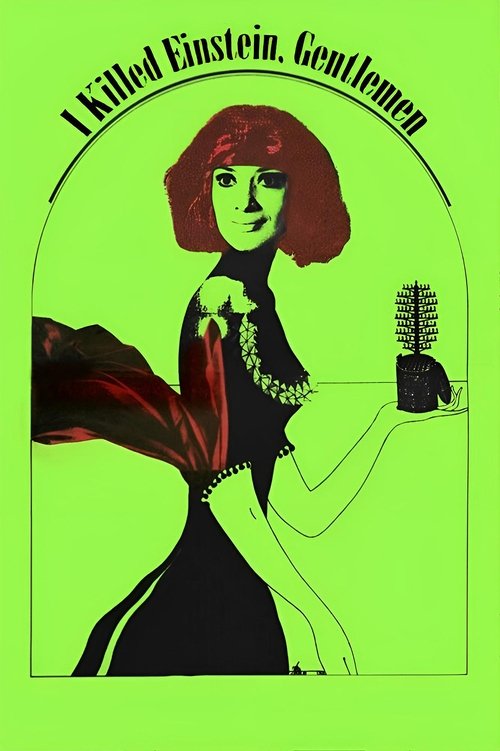
This futuristic science fiction comedy features an atomic bomb blast that causes women to grow beards and lose the ability to have children. A summit meeting is held at the United Nations, with the proposed solution of building a time machine. The decision is made to travel back in time and murder Einstein, with the hopeful result being that without the noted mathematician's research there will be no atomic bombs.
I Killed Einstein, Gentlemen
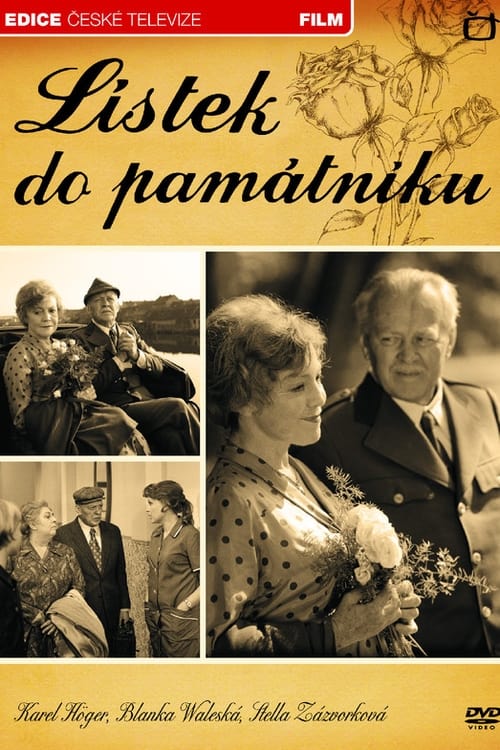
Ing. Kalin is already seventy years old, but he does not recognize old age. He travels, even learns Arabic. He returns to his hometown because he once made a promise to his former love, Bětuška Jarošová, that he would return for her. He is not alone, he is accompanied by his sister, who anxiously watches over him and conducts him. Everything in the town has long been different, although Kalina would like to see it in his old age...
Ticket to the Memorial
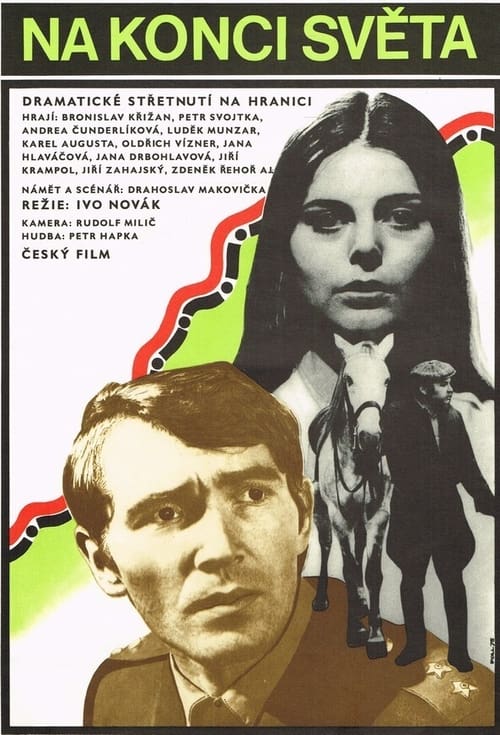
In the 1950s, selected basic soldiers in a small border unit guard the western border with devotion, fighting intruders and uncovering their network of facilitators. It's a story of border guards that thankfully wasn't much of a political nudge, more of a tongue-in-cheek tale of young men at war and their joys and sorrows. And in between, they managed to catch a saboteur.
Na konci světa
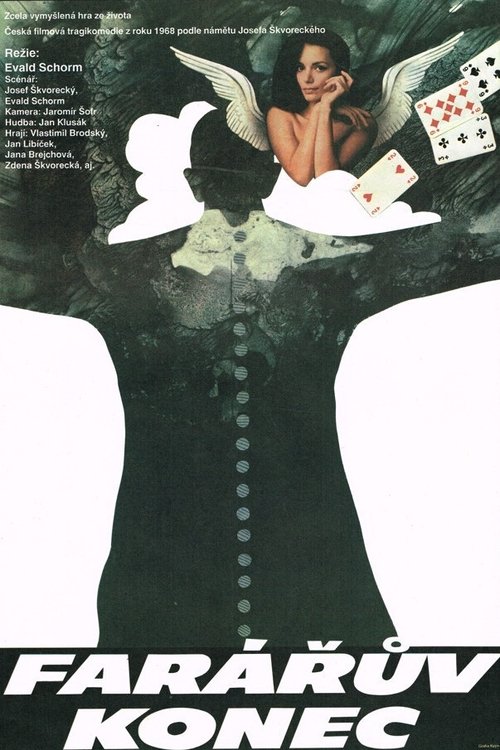
A verger, who likes to dress as a priest, is invited, by one of the villagers, to be the pastor at a vacant church. The atheist teacher resents the pastor, and tries to embarrass him in various ways, including being caught with the local girl, Majka.
The End of a Priest
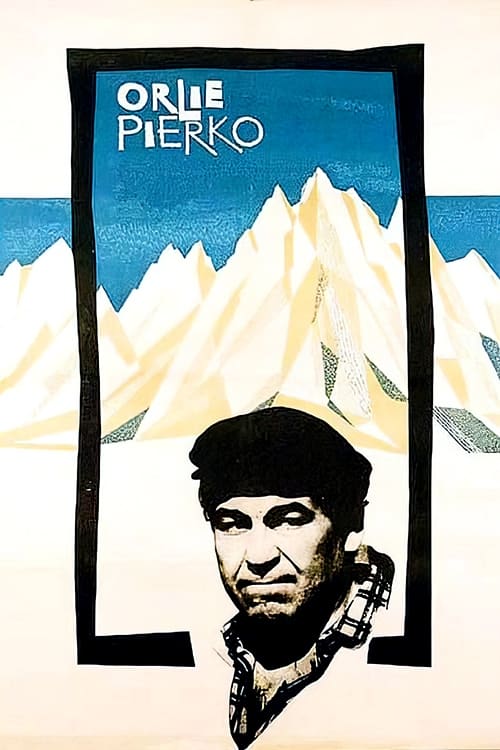
The film captures the new events in the lives of the main characters of the film "The Copper Tower". After two years spent in prison because of smuggling they return to the Stratená dolina valley and plan a revenge on police lieutenant Pardek.
Eagle Feather
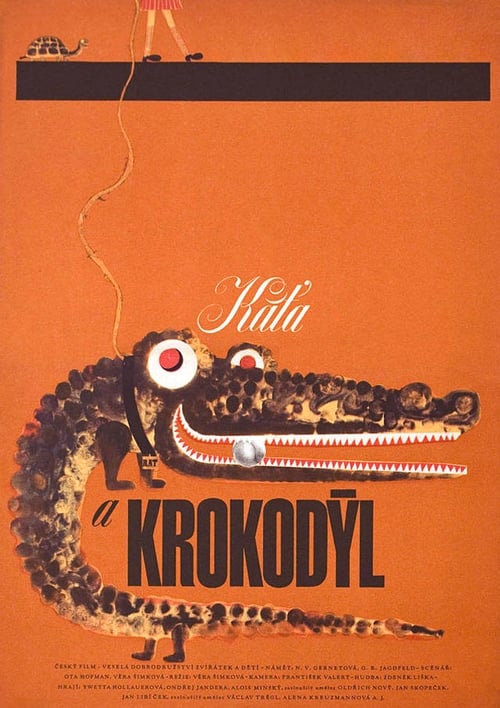
It is the summer holiday and little Mísa Horák has taken a few animals from the school's so-called "Corner of Living Nature" home to care for. But when he brings home two Angora rabbits, a starling, a little monkey, a tortoise and a small crocodile, his parents order him to take them away. He is helped by Káta, who offers to place the animals in the child's room of her family's apartment. Mísa leaves for her friend where the animals will hopefully be able to stay. Káta goes shopping. In the meantime, Káta's younger sister Minka wakes up and begins to play with the animals, who gradually run off in disarray.