Writing
Carey Harrison (19 February 1944 – 22 January 2025) was an English novelist and dramatist.
ITV Playhouse is a British comedy-drama TV series that ran from 1967 to 1983, which featured contributions from playwrights such as Dennis Potter, Rhys Adrian and Alan Sharp. The series began in black and white, but was later shot in colour and was produced by various companies for the ITV network, a format that would inspire Dramarama. Actors appearing in the series included Leslie Anderson, Gwen Nelson, Ricky Alleyne, Pat Heywood, Michael Elphick, Ian Hendry, Edward Woodward, Margaret Lockwood, Jessie Matthews and Lloyd Peters.
An anthology of short plays shown on BBC Television between 1965 and 1973, used in part at least as a training ground for new writers, on account of its short length, and which therefore attracted many writers who later became well known.
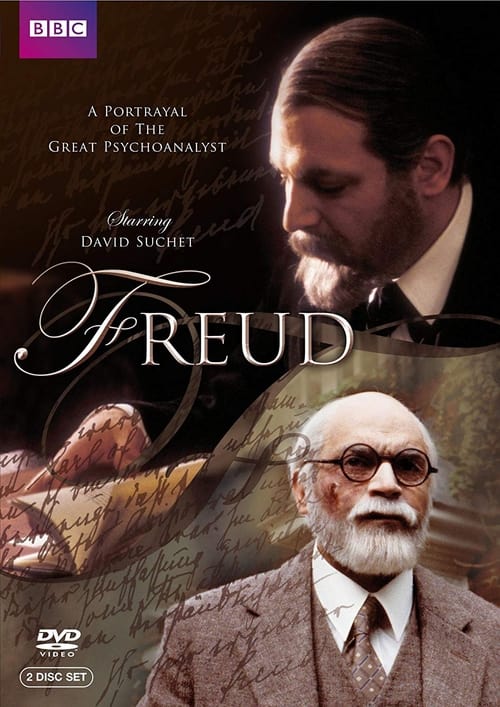
Freud, also known as Freud: The Life of a Dream, is a 1984 six-part BBC television serial dramatised by Carey Harrison, and starring David Suchet as Austrian psychoanalyst Sigmund Freud. Each episode begins with Freud and his family in London, where they had fled from Vienna in 1938 following the Nazi Anschluss, leading up to Freud's death a little over a year later. The rest of the episodes are told mainly in flashbacks to key moments in Freud's life and career
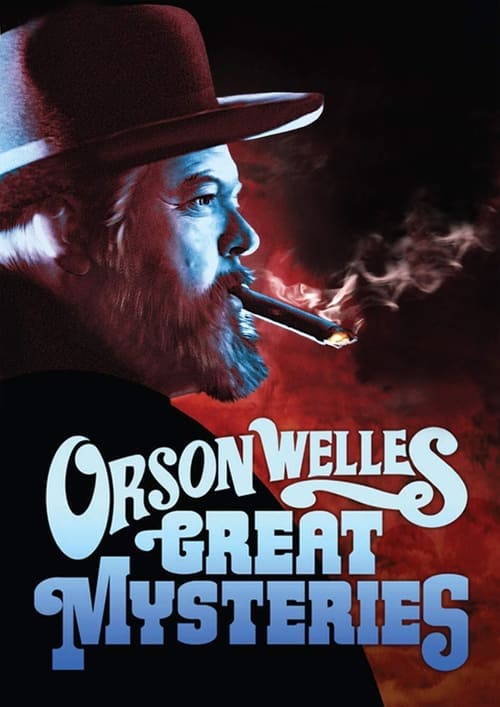
Orson Welles’ Great Mysteries is a British television anthology series produced by Anglia Television for the ITV network and broadcast between 1973 and 1974. The series presents standalone adaptations of classic mystery, crime, and supernatural stories drawn from literary sources including Dickens, Conan Doyle, Wilkie Collins, Balzac, Maugham, O. Henry, and others. Each episode is framed by original introductory and closing sequences performed by Orson Welles, who serves as the series’ host and sole recurring on-screen presence. These segments, written and directed by Welles (uncredited), function as stylized narrative framing devices rather than dramatic participation in the stories themselves. The dramatic content of each episode is performed by separate casts and directors, with no continuing characters or serialized narrative, establishing the series as a unified television anthology rather than a collection of standalone films.
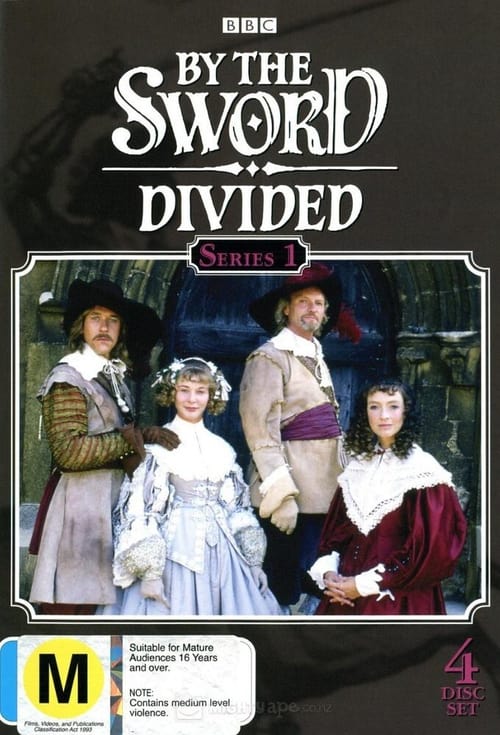
This classic period drama series follows the fortunes of the aristocratic Lacey family, living peacefully in Arnescote Castle until the onset of the English Civil War in 1640. Sir Martin Lacey, the head of the family, is steadfastly loyal to the King. However the family is torn apart when his eldest daughter Anne weds John Fletcher - son of a merchant family who support the forces of Cromwell.
The Regiment is a 1972 BBC One television drama series starring Christopher Cazenove and follows the story of a British Army regiment from the view of two families.
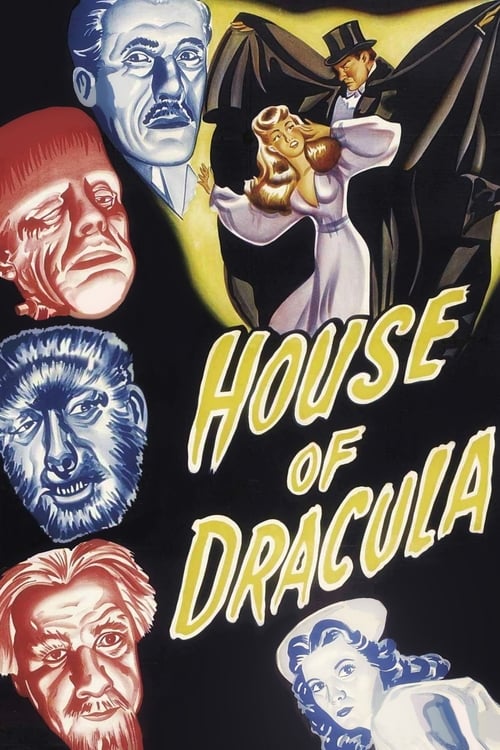
A scientist working on cures for rare afflictions, such as a bone softening agent made from molds to allow him to correct the spinal deformity of his nurse, finds the physical causes of lycanthropy in wolf-man Larry Talbot and of vampirism in Count Dracula, but himself becomes afflicted with homicidal madness while exchanging blood with Dracula.
An anthology of self-contained plays focused on the personal experiences of characters who find themselves taking a break from their normal lives—such as going on holiday, taking a retreat, or travelling.
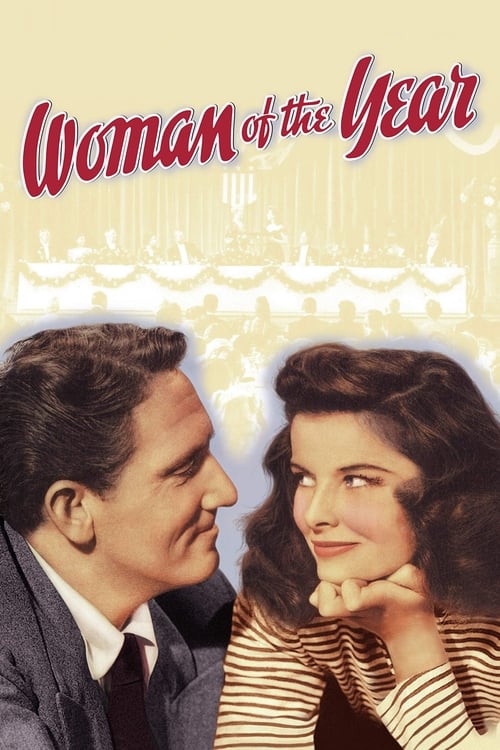
Rival reporters Sam Craig and Tess Harding fall in love and get married, only to find their relationship strained when Sam comes to resent Tess' hectic lifestyle.
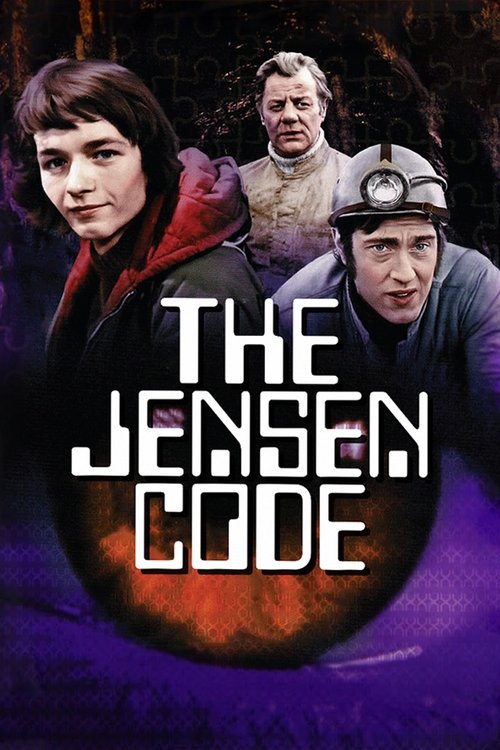
16-year-old Terry Connor uncovers a secret government plot involving mind control and espionage at a Ministry of Defence facility near his Outward Bound camp.
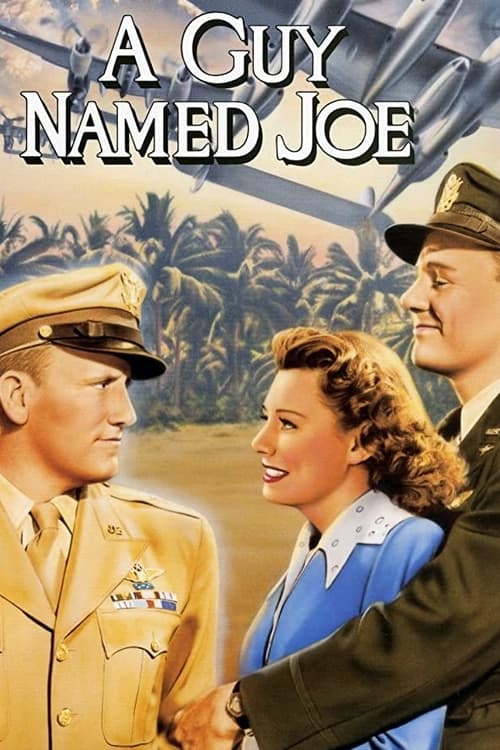
A cocky U.S. Army Air Force pilot stationed in England during World War II falls for a daring female flier. After he's killed on a mission, he's sent back to Earth by a heavenly General with a new assignment.
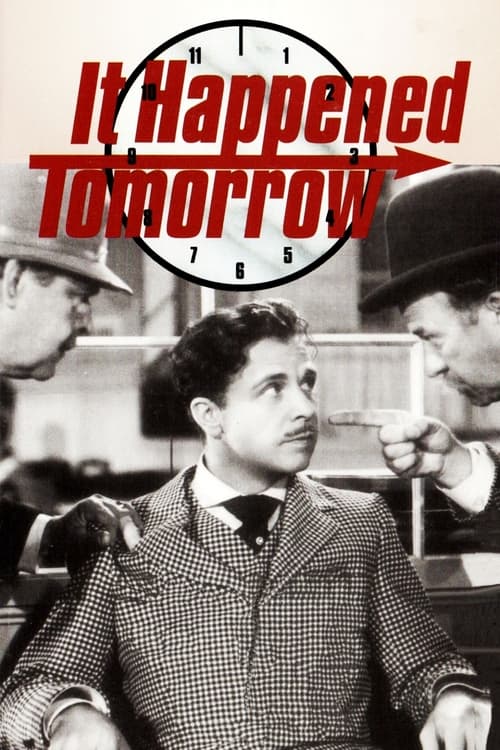
A young turn-of-the-century newspaper man finds he can get hold of the next day's paper. This brings more problems than fortune, especially as his new girlfriend is part of a phony clairvoyant act.
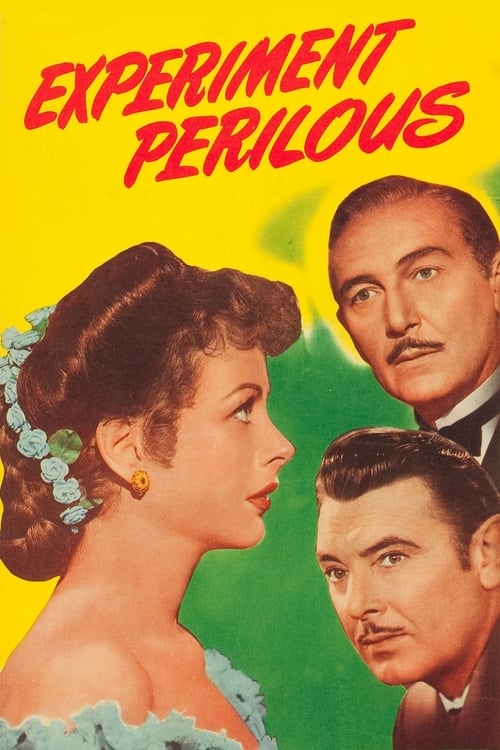
In 1903, Doctor Huntington Bailey meets a friendly older lady during a train trip. She tells him that she is going to visit her brother Nick and his lovely young wife Allida. Once in New York, Bailey hears that his train companion suddenly died. Shortly afterward, he meets the strange couple and gets suspicious of Nick's treatment of his wife.
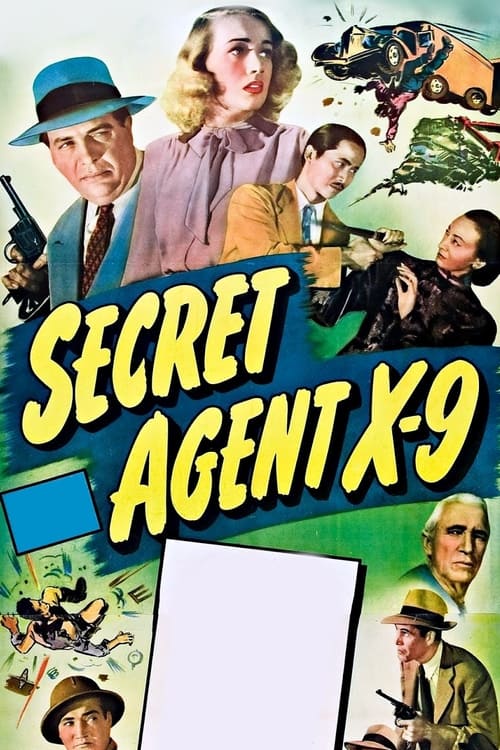
American, Chinese and Australian agents join forces to stop the Nazis from obtaining the formula for synthetic fuel.
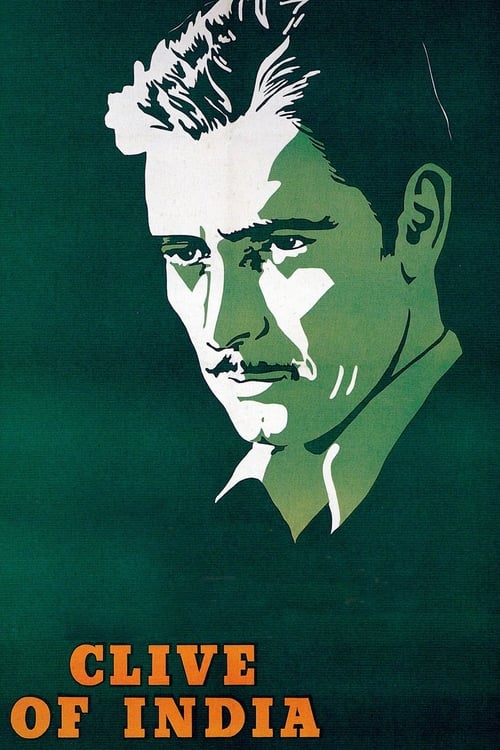
Fort St. David, Cuddalore, southern India, 1748. While colonial empires battle to seize an enormous territory, rich in spices and precious metals beyond the wildest dreams, and try to gain the favor of the local kings, Robert Clive (1725-1774), a frustrated but talented clerk who works for the East Indian Company and struggles to earn his fortune, makes a bold decision that will change his life forever.
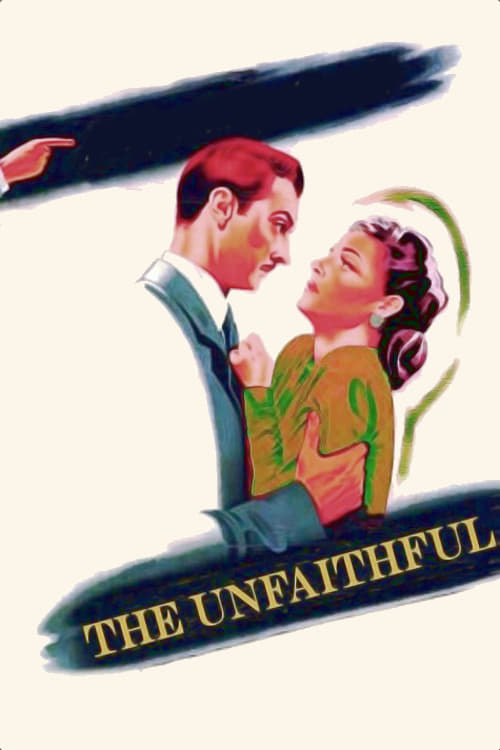
Christine Hunter kills an intruder and tells her husband and lawyer that it was an act of self-defense. It's later revealed that he was actually her lover and she had posed for an incriminating statue he created.
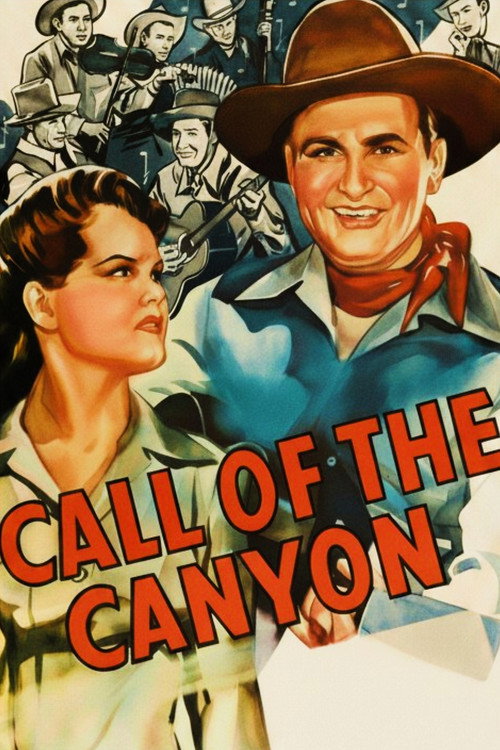
A radio saleswoman helps a singing cattleman trap a shady meat buyer with a bogus broadcast.
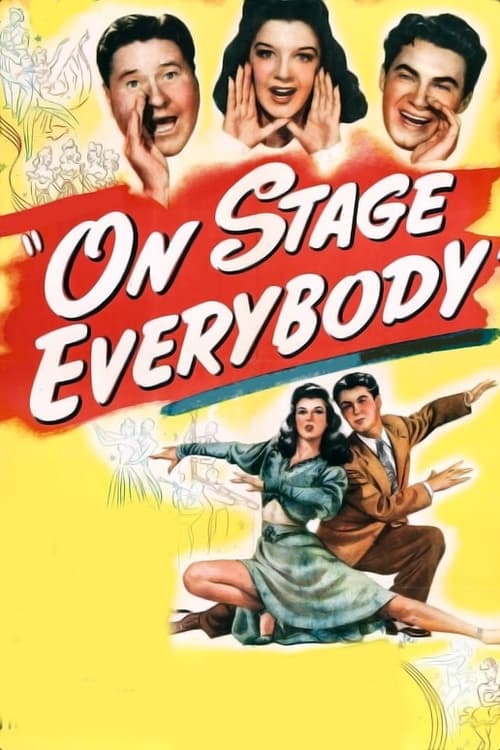
Radio's miracle show is on the screen.
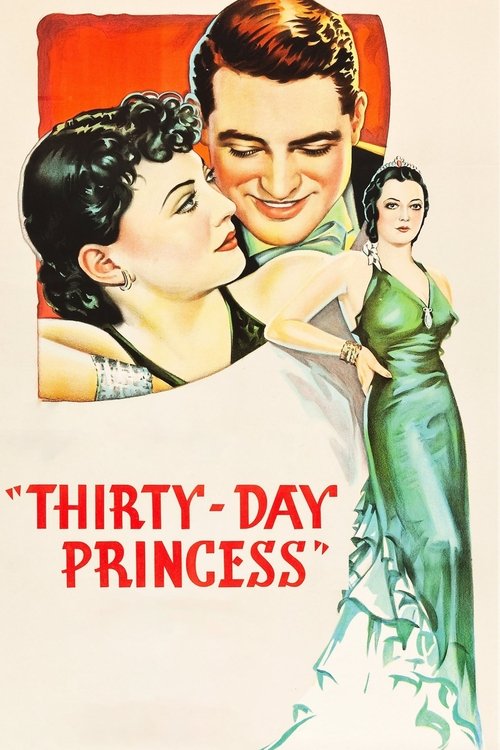
A European princess arrives in New York City to secure a much-needed loan for her country. She contracts the mumps, and an actress who looks exactly like her is hired to impersonate her.
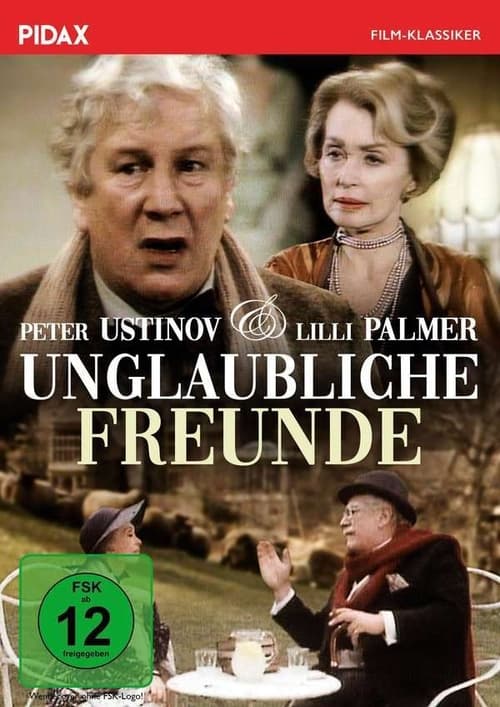
Ellen Pitblado is a widow who lives in recluse in 1930s Gloucestershire. When her scummy journalist nephew, Douglas, tries to force her to give him her money, she calls her mysterious lookalike gentlemen friends to her aid.