FEEL IT.STREAM
?

Jorge Prelorán

Directing

Biography

Jorge Prelorán was an Argentine-American filmmaker renowned for his ethnographic documentaries that intimately portrayed the lives and cultures of rural communities in Argentina. His pioneering work in "ethnobiography" combined anthropological research with cinematic storytelling, offering deep insights into his subjects' personal experiences. Notable films include Hermógenes Cayo (1969) and Luther Metke at 94 (1980), the latter earning an Academy Award nomination. Prelorán's extensive body of work is preserved at the Smithsonian Institution's Human Studies Film Archives, ensuring his contributions to documentary filmmaking and cultural preservation continue to be recognized.
Known For

No image
8.0

Don Emilio is a humble, 63-year-old man who lives in the Amazon rainforest, seven miles from the city of Iquitos, Peru. For all of his adult life he has worked as a curandero and vegetalista, a traditional healer. He estimates that in his career he has treated more than 2,500 clients. Through the camera lens of anthropologist Luis Eduardo Luna, Don Emilio tells us about his practice, his beliefs, his community, and his life. He shows us how he prepares ayahuasca and other herbal medicines. Finally, we see Don Emilio treat a man who has come to him for help, and hear from a poor woman who has brought her infant son for medical care.

Don Emilio and His Little Doctors

1982
My Aunt Nora
7.5

Two women are torn between the past, with its traditions and apparent security, and the future full of uncertainty.

My Aunt Nora

1983
It Happened in Hualfin
7.4

This three-part documentary on Indian peasant life in the Catamarca region of Argentina is an emotionally moving examination of the generational cycle of poverty in underdeveloped countries.

It Happened in Hualfin

1965
No image
N/A

Jorge Prelorán was one of the most prolific documentary filmmakers from Argentina. This documentary presents an interview which focuses on his creative work, and on how his ideas about documentaries are key in the uniqueness of his topics and characters.

Jorge Prelorán, el cine de un humanista

2007
Claudia
10.0

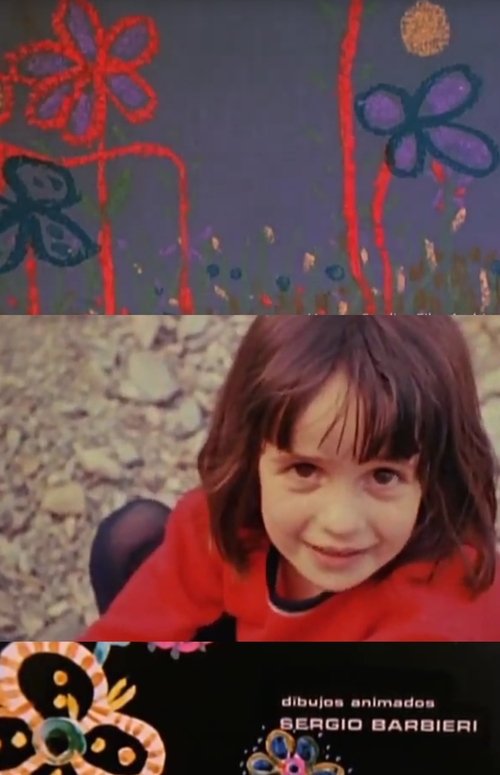
An experimental film documentary of a playful little girl exploring nature.

Claudia

1972
Quilino
8.0

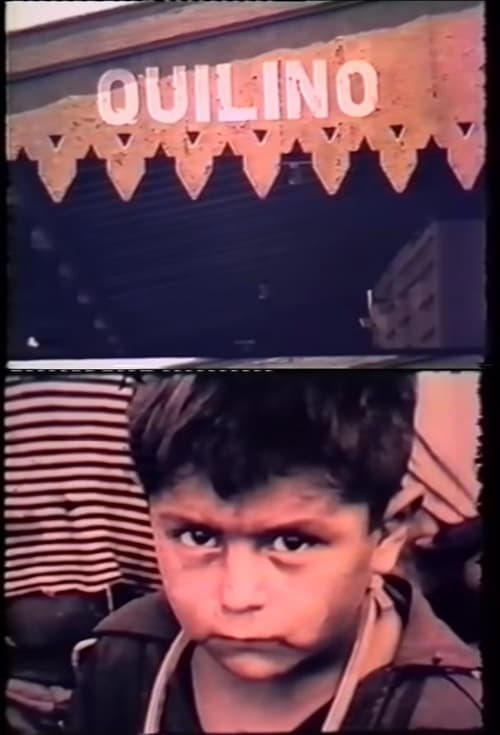
Gleyzer’s first color film was his final collaboration with his old classmate Jorge Prelorán, who preferred a less polemical approach to documenting poverty. QUILINO details the Cordoba villagers’ reliance on the railroad that brings them customers from the cities, and the looming likelihood that the route will be shut down.

Quilino

1966
Zerda's Children
8.0

Ethnographic film documents a family of woodcutters living in isolation in the mountains of Calden, at the geographic center of Argentina. Through his narration, Sixto Ramon Zerda explains his wish for his children to be educated and to avoid the punishing work and exploitation he has suffered. Introduction narrated by Henry Fonda.

Zerda's Children

1978
The unvictorious one
N/A

No description available.

The unvictorious one

1957
Zulay, Facing the 21st Century
N/A

Made over a span of eight years, this documentary is structured as a conversation between anthropologist Mabel Prelorán and Zulay Saravino, who has left her Ecuadorian mountain village to explore opportunities in Los Angeles. Working the land and making textiles to sell, Zulay’s industrious family sent all of their daughters to school — at the time an unusual move in Quinchuqui — and raised an intelligent, independent daughter whose literacy, business sense and introduction to the Preloráns led her to try her luck in the States. Devoted to her village, she relates a mesmerizing account of Otavaleñan traditions and reflects on her experiences in the US.

Zulay, Facing the 21st Century

1989
Chucalezna
6.5

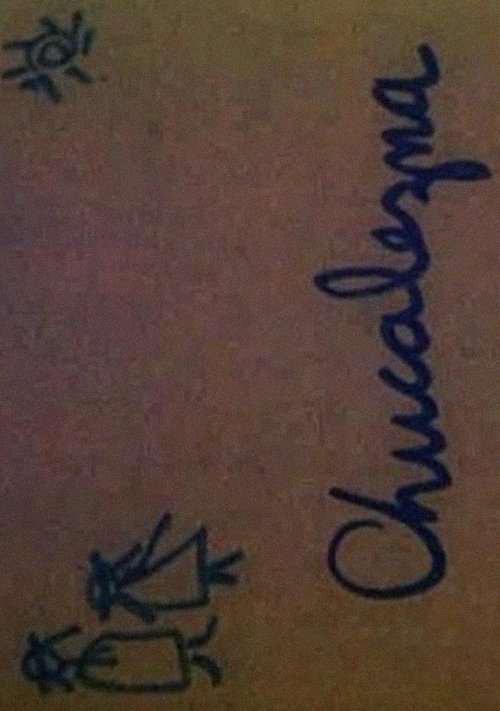
Edited documentary film by Jorge Preloran presents a portrait of the children of a small rural school in Chucalezna, in Humahuaca Canyon, Jujuy Province, Argentina. In addition to working in the fields and attending their classes, the children paint. Their colorful depictions of the life and landscape of Chucalezna, painted on donated paper tacked to the exterior walls of the school, have garnered international recognition. Filmed in October 1966. Produced at the Universidad Nacional de Tucumán with assistance from the Fondo Nacional de las Artes.

Chucalezna

1968
Hermógenes Cayo (Imaginero)
7.8

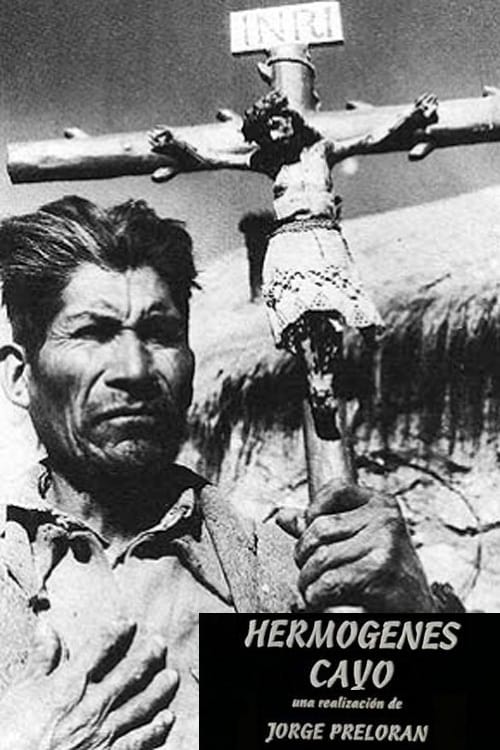
IMAGINERO is an ethnobiography of Hermogenes Cayo, a self-taught woodcarver and painter who lives on the high Andean plateau of Argentina. The film portrays Hermogenes, his wife Aurelia Kilpe, and their children in their Andean lifestyle, as well as Hermogenes' passion for painting, carving, building, and his devotion to the Virgin Mary. Devout, austere and dedicated to craftsmanship, he can make anything from religious figures carved from cactus wood to a working harmonium. Inspired by a trip to Buenos Aires to advocate for land rights, Hermogenes has labored to replicate the style of the capital's grand cathedral and shrine to the Virgin with resourcefulness and skill.

Hermógenes Cayo (Imaginero)

1969
Medardo Pantoja
6.0

Through soft landscape images of Tilcara, accompanied only by music, Medardo Pantoja, known as "the painter of the Quebrada de Humahuaca", in Jujuy, allows us to access the mysteries of that region.

Medardo Pantoja

1969
Araucanos de Ruca Choroy
8.0

No description available.

Araucanos de Ruca Choroy

1969
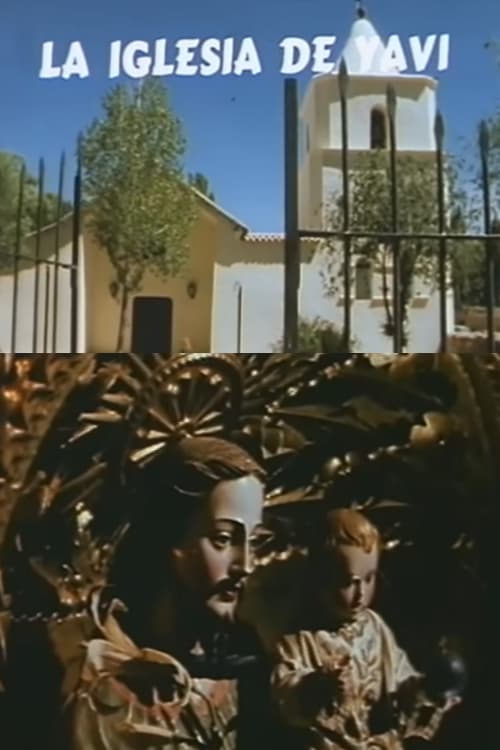
La feria de Yavi
9.0

Version re-edited from film of same title released in 1967 and shot in 1966. Easter weekend market in Yavi, a small town in Jujuy Province, Argentina, along the border with Bolivia.

La feria de Yavi

1967
Iruya
N/A

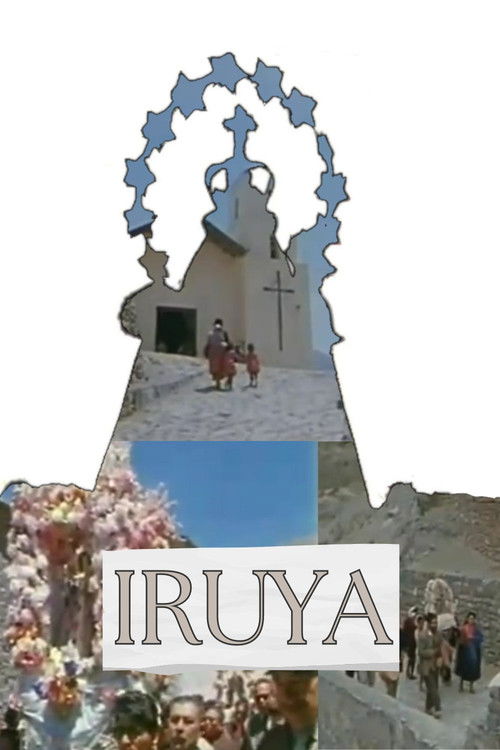
The feast of the Virgin of the Rosary in Iruya, in a remote village in the Zenta Mountain Range in the province of Salta, is one of the many festivals celebrated in the Northwest of Argentina, where the fusion of the ancestral cultures of the region is represented, along with elements of Hispanic influence, building a transcultural look as a strategy of resistance.

Iruya

1968
Eva's Man
7.0

A short film, based on a novel by Gayl Jones. The film treats a black woman, Eva, who kills her lover. She refuses to speak to a white psychiatrist who questions her about her motives, so he leaves her with a tape recorder to confide in. In flashbacks, we see the abuse Eva suffered at the hands of a husband and two lovers.

Eva's Man

1976
Valle fértil
9.0

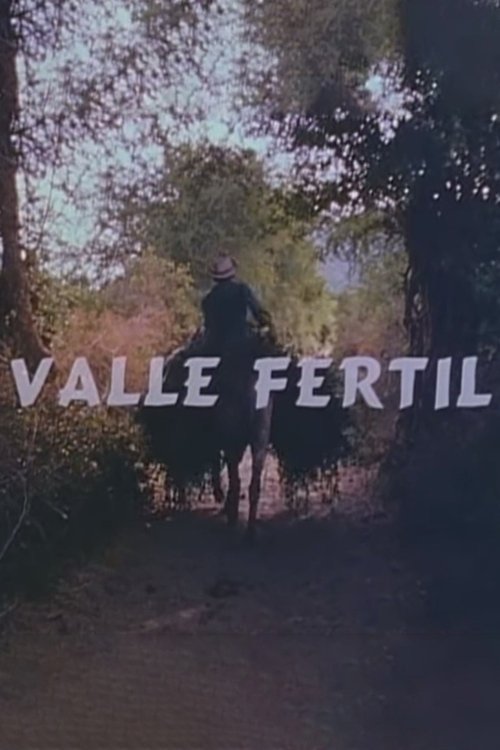
It deals with traditions related to cattle and horses as well as changes in the agricultural economy in the region of the Sierras de Elizonda , in the Sierras de Valle Fértil , on the way to Valle de la Luna in the province of San Juan

Valle fértil

1972
Venganza
N/A

No description available.

Venganza

1954
Trapiches caseros
N/A

No description available.

Trapiches caseros

1965
No image
10.0

No description available.

Castelao (Biografía de un ilustre gallego)