FEEL IT.STREAM
?

Julio Diamante

Directing

Biography

Julio Diamante (27 December 1930 – 1 August 2020) was a Spanish film director and screenwriter . He directed ten films between 1959 and 1976. His 1965 film The Art of Living was entered into the 15th Berlin International Film Festival . He died on 1 August 2020 in Madrid at the age of 89.
Known For

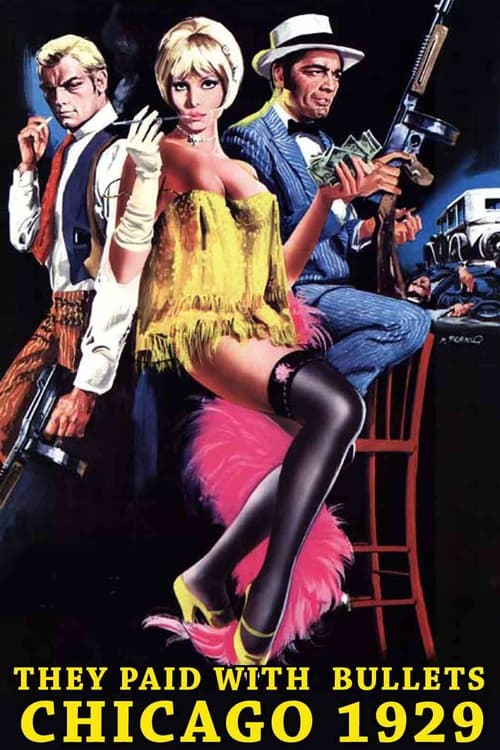
They Paid with Bullets: Chicago 1929
5.8

Country bumpkin Frank runs into a gangland shooting, driving the victims to the gang's headquarters. He soon earns a place in Erik's mob. Syndicate head Big John wishes to unite the four gangs in Chicago, but Erik defies them, wishing to remain independent. An assassination attempt forces him to reconsider, and his gang isn't impressed with what they take for his cowardice. This is the point that allows the ambitious Frank to muscle in on Erik's mob, and his moll, Lucie. Frank's first move is to hire outside pros, and shoot up a casino of Big John's, challenging the entire syndicate. Erik, meanwhile, harbors feelings of revenge.

They Paid with Bullets: Chicago 1929

1969
Martes de Carnaval
N/A

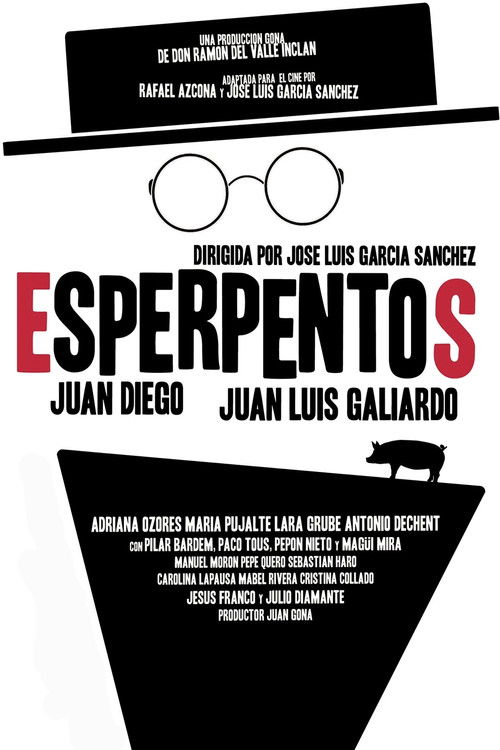
Mr.Manolito and Mr.Estrafalario– characters of Valle-Inclán’s plays– spend the last days of Primo de Rivera’s dictatorship chasing the plays written by their admired Valle-Inclán whose works are banned by a Government Law. One day, they find a piece of The Daughter of the Captain, a portrait of the crazy soldiers who returned home after losing the Spanish Colonies. In other occasion, they attend one of the limited performances of Valle-Inclán’s:The deceiving Mr. Friolera. They are just longing for the best premiere ever: the Second Spanish Republic, a drama on for a very short time. It was a beautiful dream thought, like the Esperpentos (strange-looking characters) of Valle-Inclán.

Martes de Carnaval

2009
El arte de vivir
6.3

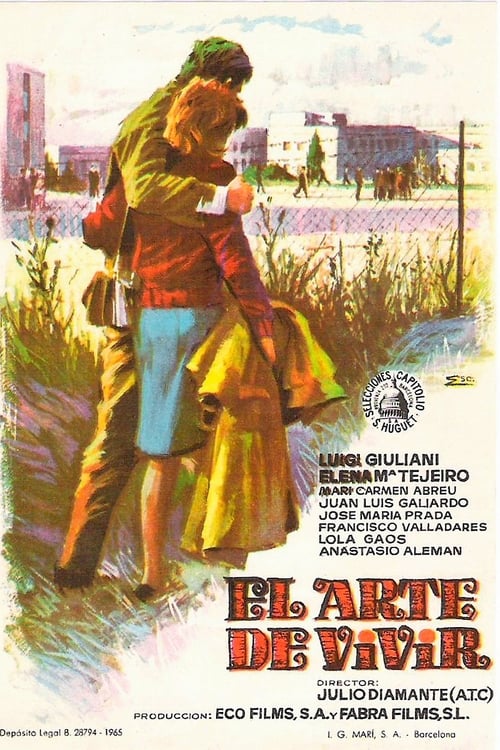
After graduating in Economics, Luis is seeking to burst through in life. His partner Ana sees how his way of being is changing by the standards of his company into a different person. Ana tries to draw his attention in a failed suicide attempt.

El arte de vivir

1966
Neurosis
9.0

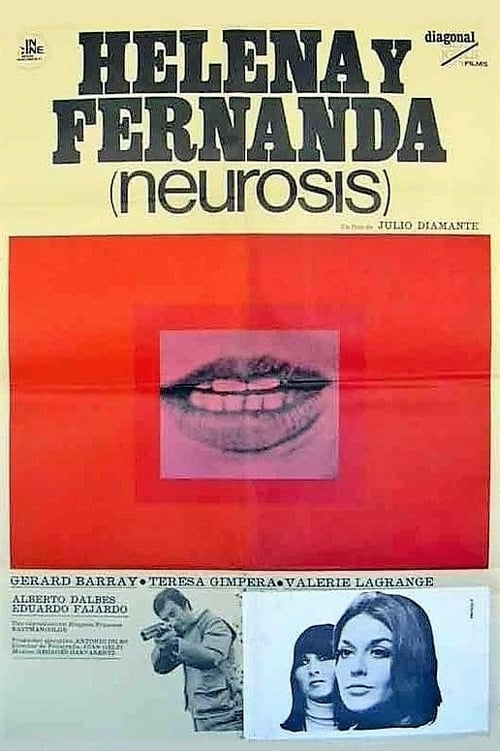
Inspired by the French classic Les diaboliques (1955), this psycho-thriller copies that film rather closely. In Barcelona, ​​a couple falls apart and the husband falls in love with his wife's cousin. To hide the former‘s accidental death, the cousin takes her identity. But one evening the husband thinks he recognizes his wife in the street...

Neurosis

1970
Tiempo de amor
5.8

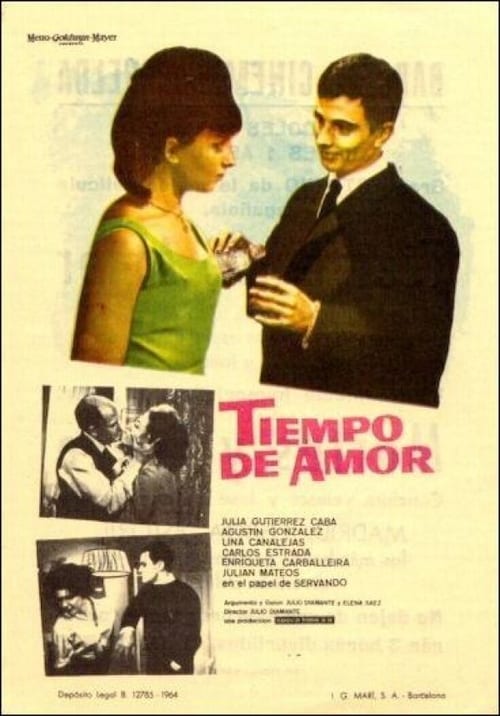
Three stories in which love plays a decisive role intersect. The first of them is led by a couple who decides to break with the chastity they have been keeping until then. In the second Mary discovers that the man with whom he wants to lose his virginity is a ruffian and in the third, and last, a marriage tries to maintain happiness despite the miseries of his daily life. Second film by director and screenwriter Julio Diamante , composed of three autonomous episodes, minimally chained, called " The sunset ", " The night " and " The morning ". The three chapters are very influenced by the social realism that invaded the Spanish literature of the time and by the badly assimilated cinema of Michelangelo Antonioni. This means that, for example.

Tiempo de amor

1964
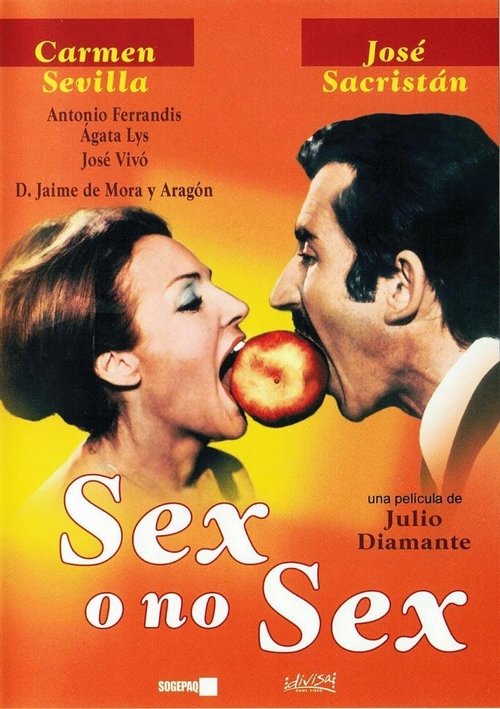
Sex o no sex
5.0

Paco, a frustrated office worker, goes to the office of a psychologist, to whom he tells his most delirious sexual fantasies in the hope that he will apply a curative therapy. Unfortunately, the doctor will end up confessing that he can not help, because he lives with a doll that has become his companion sentimental.

Sex o no sex

1974
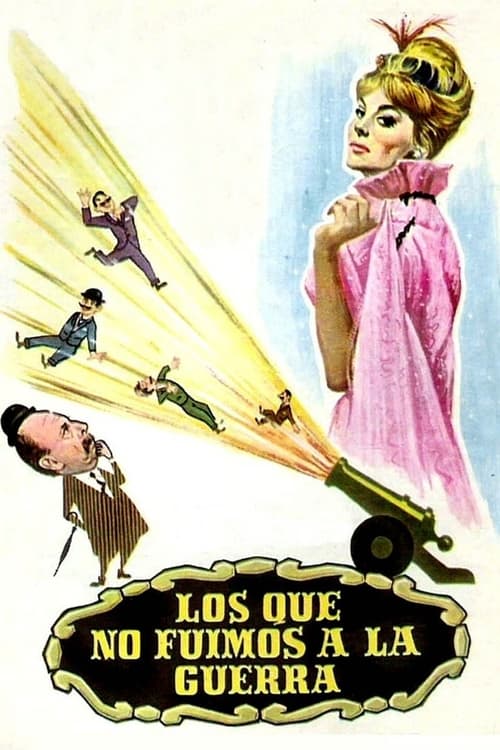
Those Who Did Not Go to War
6.5

First World War. In a largely rural area of neutral Spain, two families confront one another and play a part in embarrassing situations because they don't support the same side in the war. This will influence the breakup of an engagement.

Those Who Did Not Go to War

1962
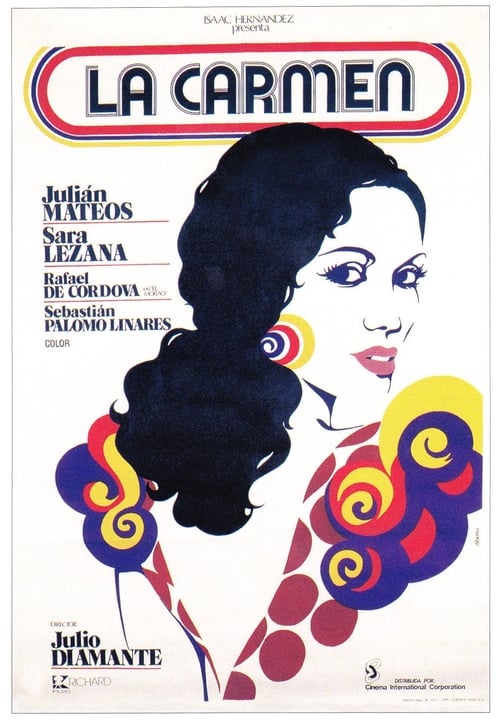
La Carmen
6.0

A young ex-seminarian named José is doing his military service in Córdoba. There he meets Carmen, a beautiful flamenco dancer who falls madly in love, to the point that he steals to get money for her, so he will be imprisoned. José does not support the separation and, when he is driven by the Civil Guard on a train, he runs off by jumping out the window. He then left for Madrid in search of Carmen, who now lives in the company of his uncle, the lame, master of dancers. The woman welcomes José coldly, although they engage in a strange and tense relationship behind the back of El Morao, her former pimp, who lives with her again.

La Carmen

1976
No image
5.0

A man, whom we don't identify, kills himself with his razor because he can no longer bear the complaints of his wife, whose face we can't see well either. An impressionistic work with very close shots that cut out reality until, for example, the faces of the characters are omitted. A kind of description and brief chronicle of daily life in a house for a few minutes serves as a framework for the irruption of an unusual tragedy. Filmed without sound, it lacks any subsequent dialogue, although a piano band with a jazzy air has been added.

Before Breakfast

1955
El proceso
3.0

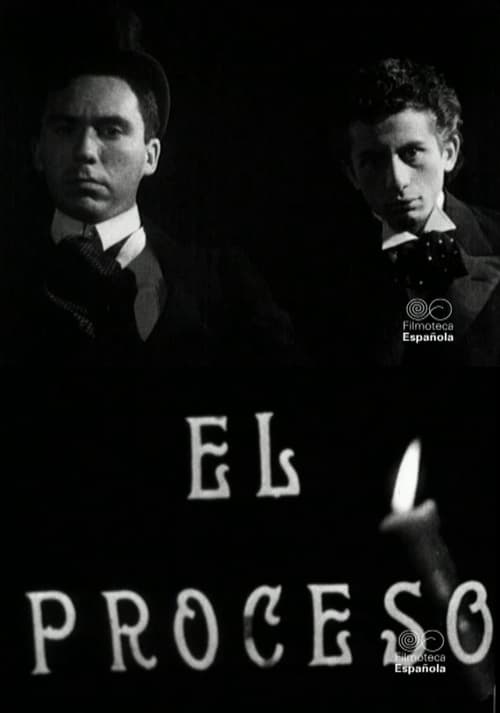
Taking Franz Kafka's "The Process" as a source of inspiration, a poetic approach is made to his plot, to his characters and sets turned into icons, a meta-theatrical reflection where the gestural language and the surrealist elements imply a very personal reading of the Czech author.

El proceso

1955
No image
N/A

No description available.

La lágrima del diablo

1960
La memoria rebelde
7.0

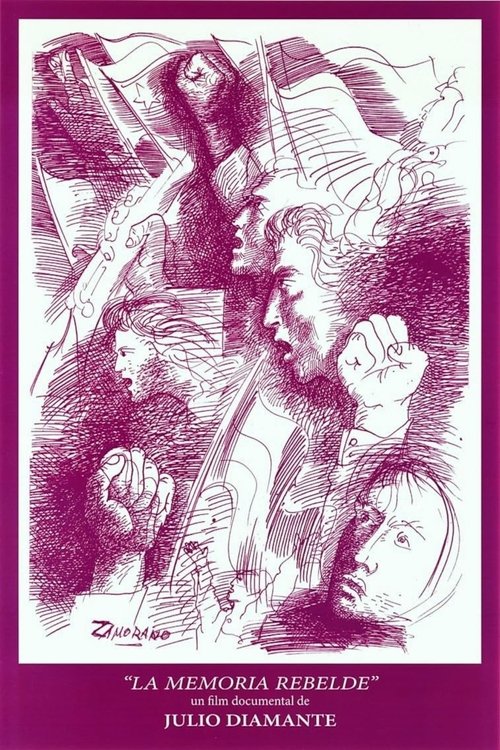
"La memoria rebelde" gives us a different version of the history of Spain from the Second Republic to the Democratic Transition. It shows to us how that period was using some oral evidences that reconstruct the events. It has a touch of defense of the democracy and the freedom, and it criticize the ones that didn't want a full democracy and the ones that put an end to the Republic and support the dictator Francisco Franco.

La memoria rebelde