Directing
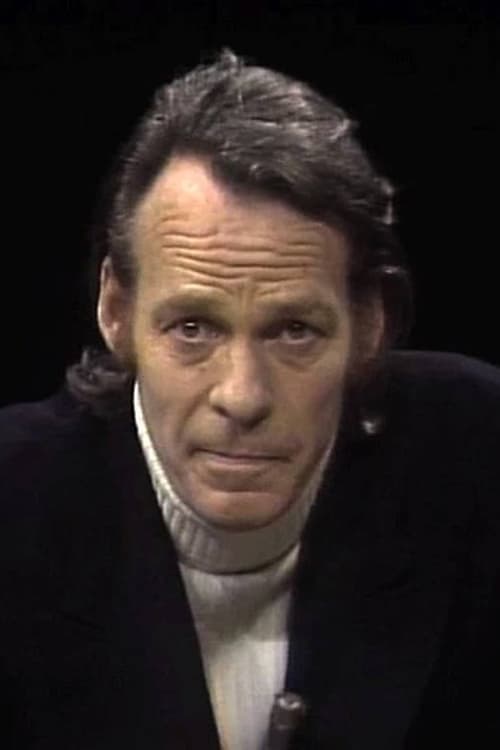
Independent filmmakers are given a chance to show and discuss their work on a commercial (ABC-TV) affiliate station.
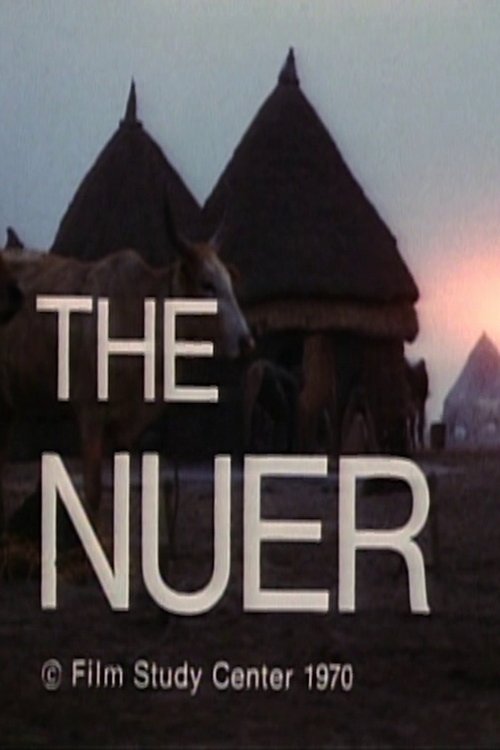
Portrays the Nuer, Nilotic herdsmen of the Nile basin. Shows how their daily lives revolve about their cattle, and depicts the psychological bonds between them. Includes extensive use of Nuer music and poetry.
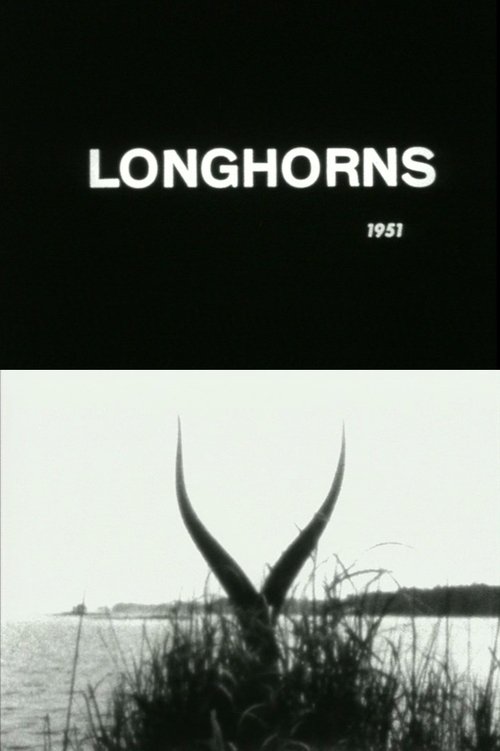
Longhorns is cine-dance with a surrealist tang. There are no human figures in this early short from Hilary Harris, only a pair of Texas longhorns turning endless spirals in the tall reeds of a New York inlet. The strangeness of this scene abstracts the horns’ mesmerizing rotation, the better for Harris to explore the choreographic possibilities of cutting and framing (Cyril Jackson’s propulsive drum score provides the beat). Harris was a lifelong sculptor in addition to being a pioneering experimental filmmaker, and in Longhorns we see him reveling in the interplay between the two mediums. Though somewhat shaggier than his later motion studies (such as 9 Variations on a Dance Theme), Longhorns remains a tactile treat. The majestic images of clouds, in particular, evince his special ability to transform the mundane into something revelatory. —Max Goldberg, fandor.com
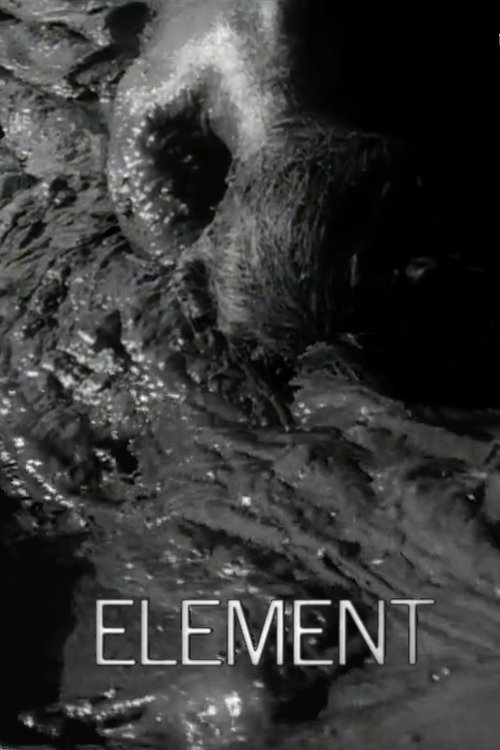
Like female artists in other forms - Carolee Schneeman, Versuchka, Charlotte Moorman- who covered their bodies with earth and paint and chocolate, Greenfield in Element reveals a femaleness both transgressive and erotic. She unites complex associations of death and birth in a visceral mud-caked performance.
Hilary Harris’ nervy tour of Robert Moses’ New York hearkens back to the classic city symphonies of the 1920s but cut to fit the “go go go” energy of the new era. “The most exciting thing in film is movement,” Harris once wrote, and in Highway he shows why, shooting from a moving car for the road itself of its ramps, signs and overall pretzel logic. The film can be enjoyed purely as a riot of graphic forms, but at a deeper level Harris is revising the traditional panorama to capture the automotive experience of urban space. He peppers the expressway view with all manner of camera effects, but it’s finally his simple fascination with the changing shape of the road at speed that makes the screen come alive. Bronze medalist at the Brussels International Experimental Film Festival in 1958, Highway today appears a snappy detour between “On the Road” (published the year before) and the early films of the French New Wave (just around the bend). —Max Goldberg, fandor.com
Documentary about shipbuilding on the Clyde. In 1960, Glasgow and other towns and ports on the River Clyde, on the west coast of Scotland, were still one of the world's great centres of shipbuilding. The film gives an idea of the business of building a ship - the largest moving thing made by man - from the naval architects who design her to the workmen, the shipbuilders in the yard, through to a ship's launching.
Short film by Hilary Harris.
Video by Amy Greenfield
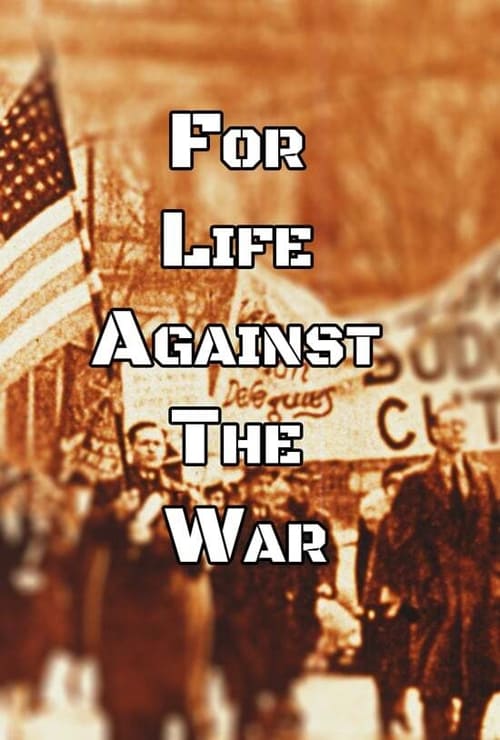
First shown on January 30, 1967, FOR LIFE AGAINST THE WAR was an open-call, collective statement from American independent filmmakers disparate in style and sensibility but united by their opposition to the Vietnam War. Part of the protest festival Week of the Angry Arts, the epic compilation film incorporated minute-long segments which were sent from many corners of the country, spliced together and projected. The original presentation of the works was more of an open forum with no curation or selection, and in 2000 Anthology Film Archives preserved a print featuring around 40 films from over 60 submissions.
Filmed between 1959 and 1974 using pioneering time-lapse techniques, Hilary Harris’ experimental documentary presents New York City as a living organism. Through a dynamic montage of traffic, crowds, and urban movement, the film explores the parallels between the rhythms of city life and the processes of the human body.
Since June 1, 1960, the Committee for Nonviolent Action (CNVA) had been in New London and Groton, CT for Polaris Action, a summer-long campaign to disrupt the production of nuclear-armed submarines at General Dynamics: Electric Boat and to educate the public about the dangers of the nuclear arms race. Most participants traveled in from other places and, according to the Hilary Harris documentary Polaris Action (1960), included “men and women, old persons and the very young, ministers and atheists, ex-servicemen and conscientious objectors.”
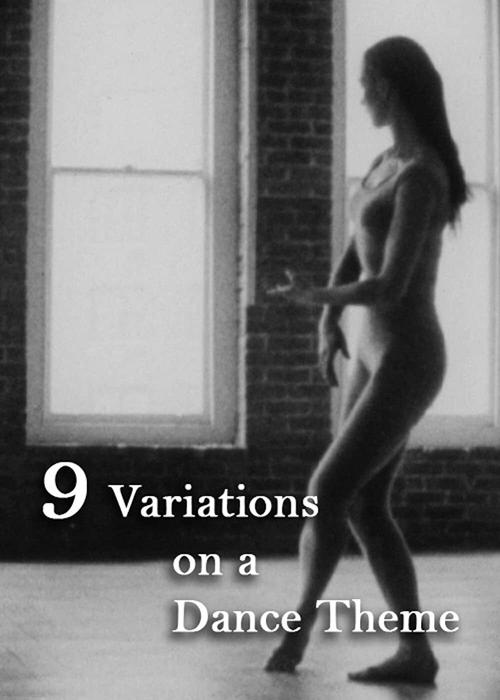
Bettie de Jong performs the same dance nine times, starting and ending in a reclined position. As the film proceeds the camera becomes more and more adventurous.
This film shows draft card burning demonstrations that took place in New York City during the fall of 1965, relating these incidents to the protests against the draft system & the war in Vietnam.
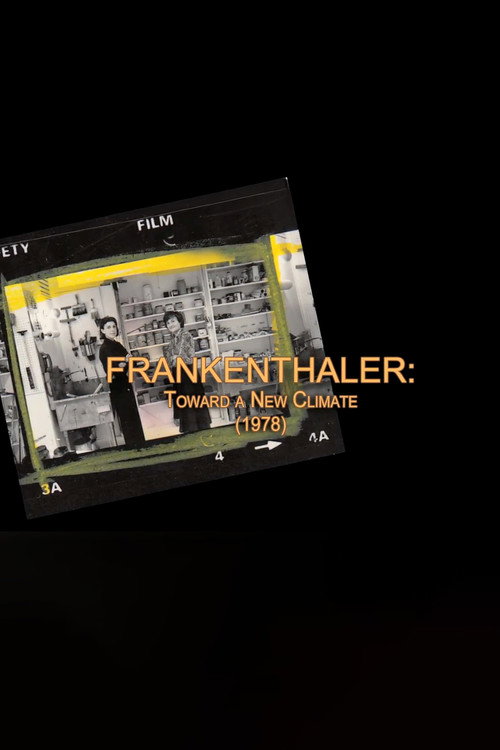
A 30-minute film about Helen Frankenthaler, who invented the stained canvas at the age of 24 and influenced a whole generation of "color field" painters.