Acting
A quirky spy show of the adventures of eccentrically suave British Agent John Steed and his predominantly female partners. Jonathan Steed - an urbane, proper gentleman spy - teams with various assistants throughout the series' run, including Dr. David Keel, Cathy Gale, Emma Peel and Tara King, to repeatedly save the world from diabolical schemes plotted by equally diabolical evil-doers (among them robots and man-eating monsters).
Crown Court is an afternoon television courtroom drama produced by Granada Television for the ITV network that ran from 1972, when the Crown Court system replaced Assize courts and Quarter sessions in the legal system of England and Wales, to 1984.
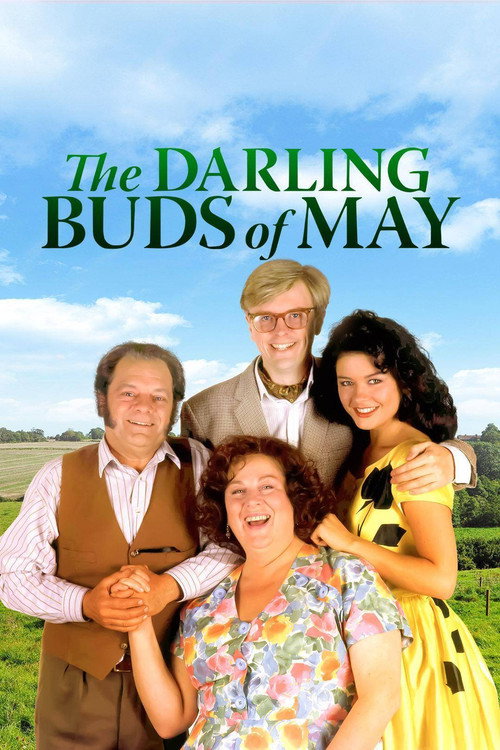
Set during the 1960s in the fictional North Yorkshire village of Aidensfield, this enduringly popular series interweaves crime and medical storylines.
An anthology series of television plays which aired on BBC1 from October 1964 to May 1970. The plays were usually written for television, although adaptations from other sources also featured.
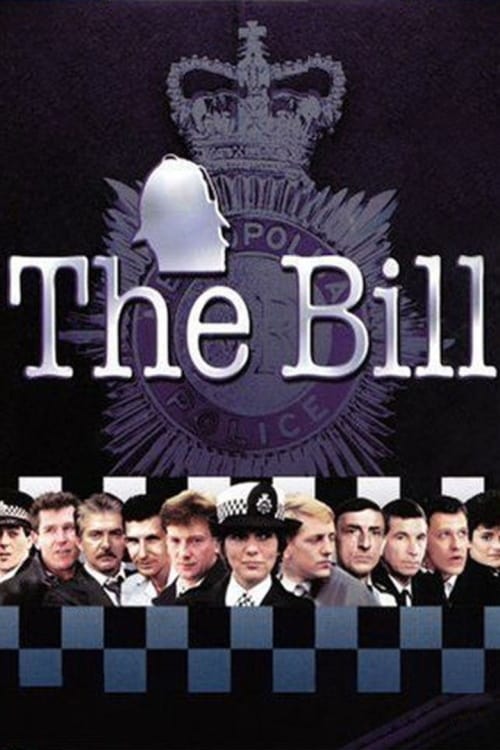
The daily lives of the men and women at Sun Hill Police Station as they fight crime on the streets of London. From bomb threats to armed robbery and drug raids to the routine demands of policing this ground-breaking series focuses as much on crime as it does on the personal lives of its characters.
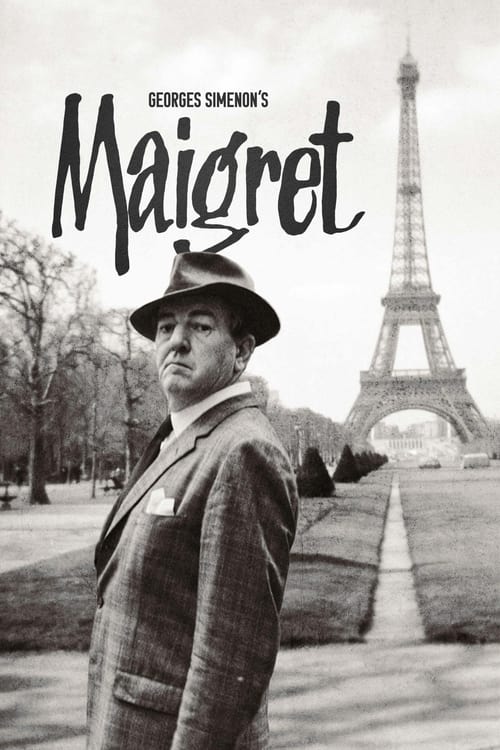
BBC series based on the novels by Georges Simenon which starred Rupert Davies as Inspector Maigret, a French police detective who preferred to watch and listen in order to solve crimes. The series ran from 1960-63 on British television.
ITV Playhouse is a British comedy-drama TV series that ran from 1967 to 1983, which featured contributions from playwrights such as Dennis Potter, Rhys Adrian and Alan Sharp. The series began in black and white, but was later shot in colour and was produced by various companies for the ITV network, a format that would inspire Dramarama. Actors appearing in the series included Leslie Anderson, Gwen Nelson, Ricky Alleyne, Pat Heywood, Michael Elphick, Ian Hendry, Edward Woodward, Margaret Lockwood, Jessie Matthews and Lloyd Peters.
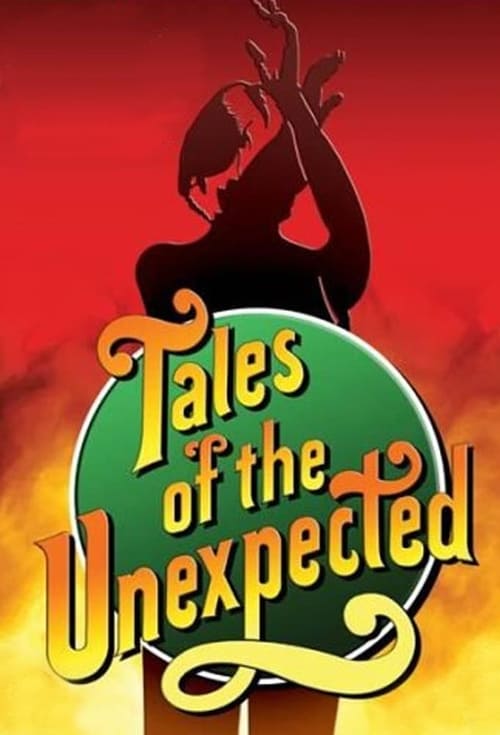
A British television anthology of stories, often with sinister and wryly comedic undertones, and a twist at the end. With early episodes written and presented by Roald Dahl, the series featured a plethora of big name guest stars.
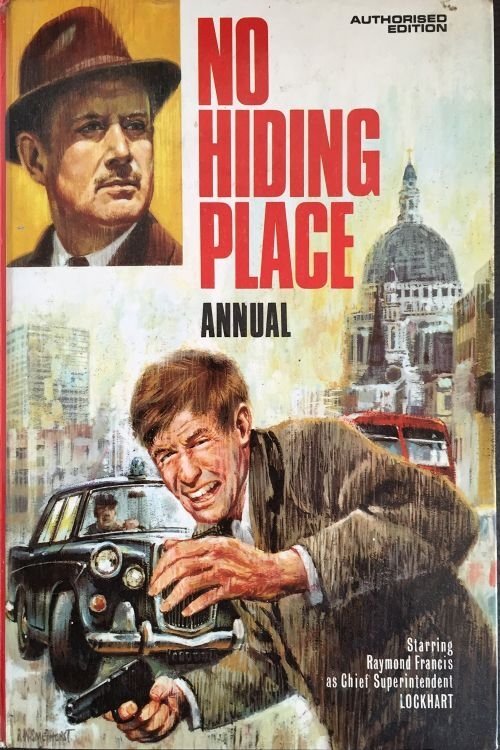
No Hiding Place is a British television series that was produced at Wembley Studios by Associated-Rediffusion for the ITV network between 16 September 1959 and 22 June 1967. It was the sequel to the series Murder Bag and Crime Sheet, all starring Raymond Francis as Detective Superintendent, later Detective Chief Superintendent Tom Lockhart.
Sunday Night Theatre was a long-running series of televised live television plays screened by BBC Television from early 1950 until 1959. The productions for the first five years or so of the run were re-staged live the following Thursday, partly because of technical limitations in this era, and the theatrical basis of early television drama. Some of the earliest collaborations between Rudolph Cartier and Nigel Neale were produced for this series, including Arrow to the Heart and Nineteen Eighty-Four. The Sunday night drama slot was subsequently renamed The Sunday-Night Play which ran for four seasons between 1960 and 1963. ITV transmitted its own unrelated run of Sunday Night Theatre between 1971 and 1974.
Devised and written by Lynda La Plante as a follow-on from her successful television series Prime Suspect, this vast police procedural follows police detectives in England as they investigate crimes and the trials that come about as a result.
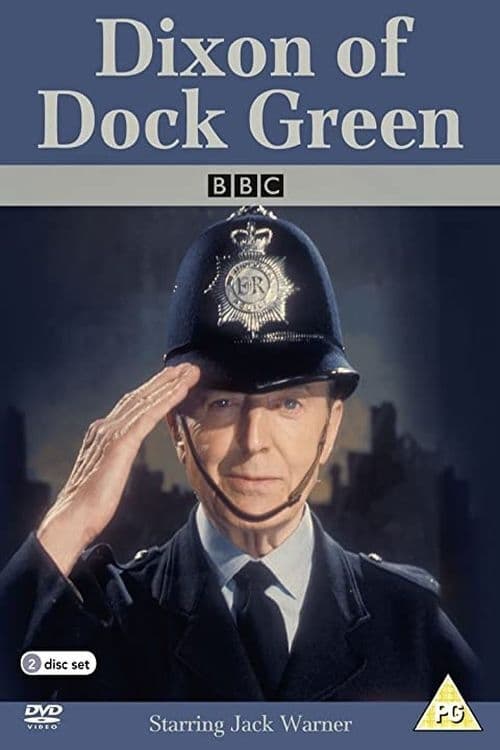
Dixon of Dock Green was a BBC television series following the activities of police officers at a fictional Metropolitan Police station in the East End of London from 1955 to 1976. Some episodes were later remade as a BBC radio series in 2005 and 2006.
An idyllic picture of 1950's rural England as seen through the lives of the Larkins, a farm family living in Kent. The show revolves around Pa Larkin, a man of a kind and mischievous nature with a penchant for getting into scrapes and talking his way out of them with equal equanimity; and his daughters, as they deal with growing up and discovering the joys and sorrows of young love.
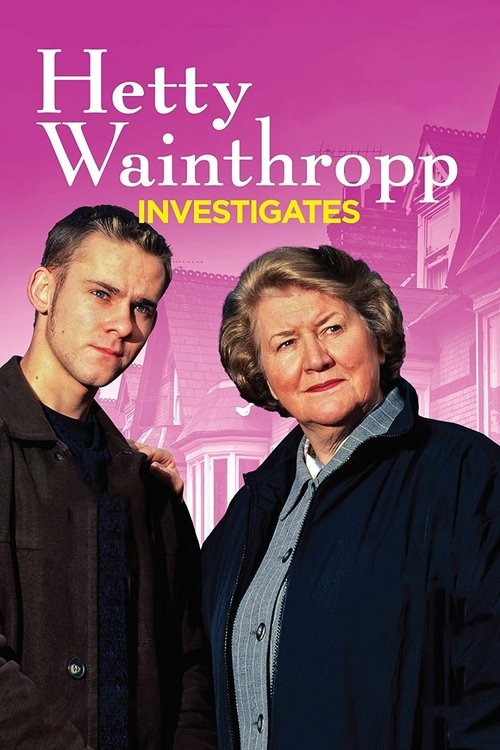
Instead of spending her golden years lying down, the indomitable Hetty Wainthropp found her calling late in life. Combining common sense, her husband, and her pocketbook, this senior sleuth takes on all the cases the police deem too minor.
A BBC anthology series featuring adaptations of detective stories over 45 episodes in three seasons that ran from 1964 to 1969. As with many BBC programmes made before the early 1970s, many of its episodes no longer exist. Of the eighteen episodes from the first season only twelve are currently known to exist; likewise six of the sixteen editions from the second run are considered lost, and just one of the final ten survives in the archives.
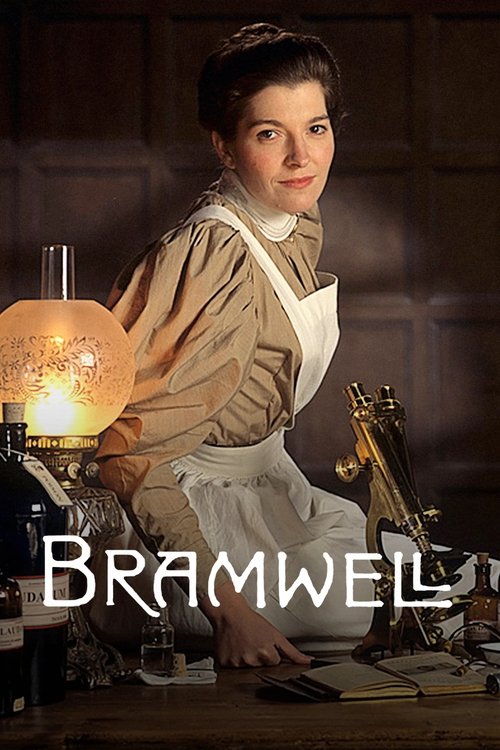
The story of Eleanor Bramwell , a pioneering female doctor in the late nineteenth century, and the struggles she has with her friends, her colleagues and society. Determined to take the medical profession out of the dark ages, her strongly held opinions often draw her into conflict with the chief surgeon, a man keener on tradition than he is on progress.
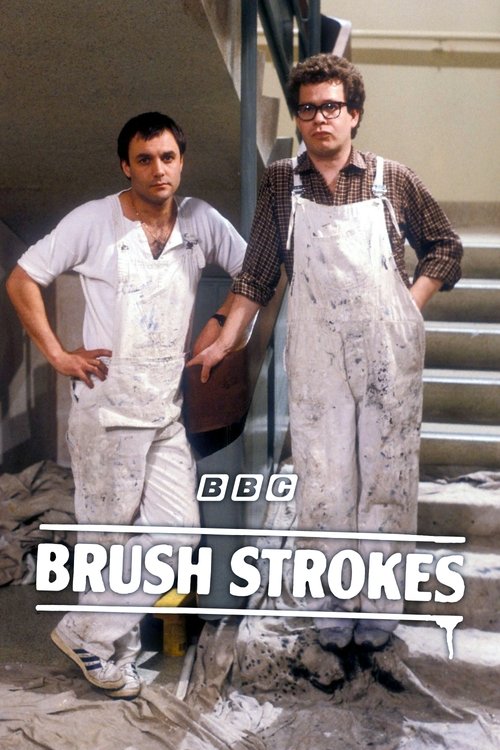
Jacko is a painter and decorator with an eye for the ladies. He works with Eric, who's married to his sister Jean. The painting and decorating firm they work for is owned by Lionel Bainbridge.
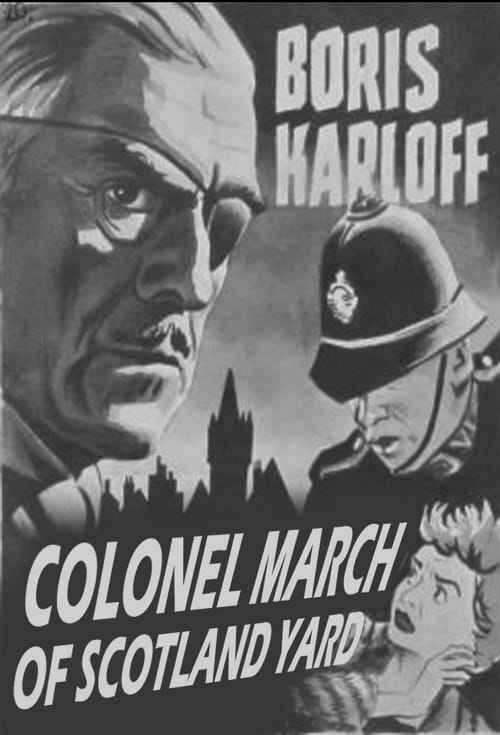
Colonel March of The Department of Queer Complaints investigates unusual cases, locked-room murders, and mysteries concerning the supernatural.
An anthology series based on the varied stories by W. Somerset Maugham divided into three categories: "Rule Britannia" about colonial life, "Women of the World" which focus on female characters, and "Victims of Fate".
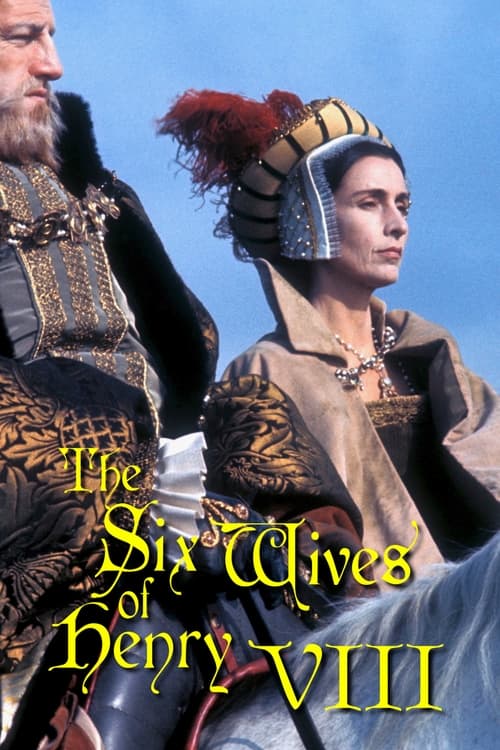
A six-episode dramatisation of Henry VIII's relationships with each of his six wives. Each episode, with a different writer, is devoted to one wife, and is a complete play in itself.