Shi Tou
Acting
Known For
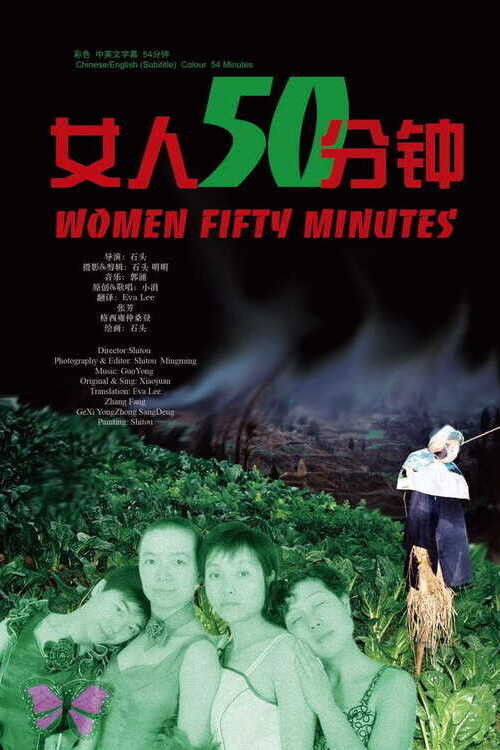
A representation of queer and feminist imagery that was mainly shot in the Qinghai-Tibetan Plateau, remote and developing areas in southwest China, and metropolitan cities like Beijing from 2000 to 2004 to document the social changes in contemporary China. The director sympathetically and erotically represents a variety of women, including women as laborers, women as prayers, women in the ground, women in marriage, and women who lie on the funeral pyre with their dead husbands. Her camera juxtaposes the mountains and rivers in old times, the commercialized handicrafts as exposition, the capital exploitation of the elders’ living space, and the erotic freedom of the young people in a changing city.
Women 50 Minutes

A lesbian deals with her former girlfriend and a divorced mother who wants her to meet men.
Fish and Elephant

School For Passionate Girls
School For Passionate Girls
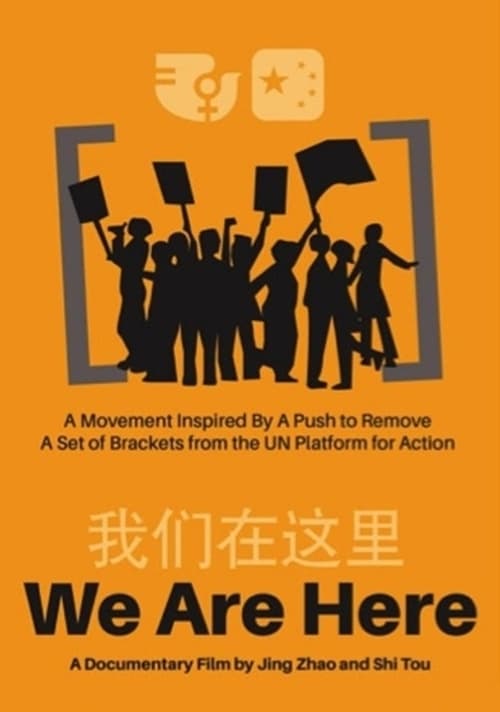
What happens when 300 lesbians from around the world attend the largest United Nations conference? How did two busloads of lesbians headed to an underground nightclub help spark the birth of a lala (LBT) movement in China? At the 1995 Fourth World Conference on Women in Beijing, the first ever lesbian tent at an UN NGO Forum was created. Emerging from hidden shadows of shame and invisibility, Chinese lalas began a hard-fought path of deliverance from themselves, from family, and from an apprehensive environment. In doing so, they sought empowerment and change as they explored concepts and issues from self-affirmation to rights consciousness. The film powerfully moves forward to the present day and shows the drastic change in today’s young feminist lalas – their challenging of sexism and homophobia with daring public street actions on subways – a parallel action to their forerunners in 1995, with much vigor and defiance 20 years later.
We Are Here

On February 14, 2007, Valentine's Day, eight people who support gay relationships and marriage went to SOHO Modern City and various bus stops to give roses and cards to passersby, wish them a happy Valentine’s Day, and ask their support for gay rights. Upon seeing the words in the cards, everybody reacted differently. When they were asked their opinion of homosexuality, or what they would think if a family member were gay, their answers were all different and interesting, and even blackly humorous.