Ana Poliak
Editing
Biography
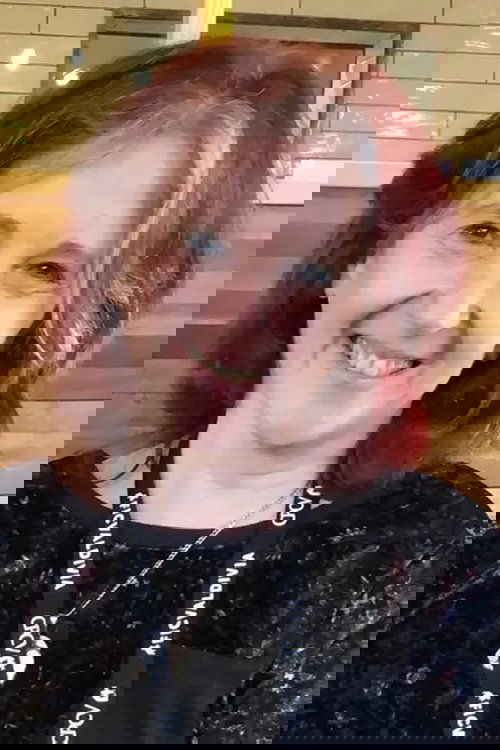
Ana Poliak (Buenos Aires, Argentina, July 30, 1962) is a film director and screenwriter who, among other films, directed "¡Que vivan los crotos!" (1990), "La fe del volcán" (2002) and "Parapalos" (2004). He studied Drawing and Painting with Anselmo Piccoli and graduated with a specialty in Directing from the Experimental Film School of the National Institute of Cinematography (ENERC), of the National Institute of Cinema and Audiovisual Arts. In 1989 he founded the production company Viada Producciones.
Known For

After the end of the military dictatorship in Argentina in 1983, Floreal is released from prison. Instead of returning to his wife, he wanders through the night of Buenos Aires. He meets some people from his past–most of which are only imaginary–and remembers the events of his imprisonment.
The South

When the Germans invade Poland during World War II, a family of Jews seeks refuge in a well. Based on real events, the three survivors moved to Buenos Aires in 1952.
Under the Earth

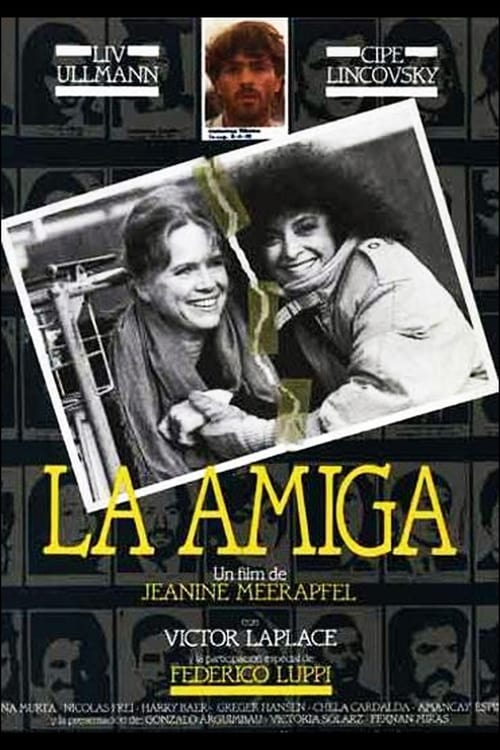
Since childhood, Raquel and Maria have been close friends. Now all grown-up, Raquel has fulfilled her dream of becoming an actress, while Maria has married a handyman, given birth to three children and runs the family household. In the wake of the Argentine military coup of 1976, Maria's oldest son Carlos is abducted. Desperate, Maria turns to her prominent friend for help. Yet the more Raquel gets involved in the search for Carlos, the more she becomes herself a target of the junta. Finally, she flees from Argentina to Berlin. Meanwhile Maria joins a group of women who investigate the fate of their disappeared relatives. In 1983, after the fall of the dictatorship, the two friends meet again.
The Girlfriend

Two men in search of a mysterious briefcase that can drive them mad.
Historias Breves II: Al cielo, no

Trelles and Amílcar share a room in a boarding house, the rent of which has not been paid for a long time. Trelles is a waiter in a typical Buenos Aires bar while Amilcar is an amateur bolero singer, who divides his time between sleeping and singing for free in a cabaret.
Us

Two children, victims of a controlling and violent stepfather, organize a plan to get their mother to abandon him.
Mocoso malcriado

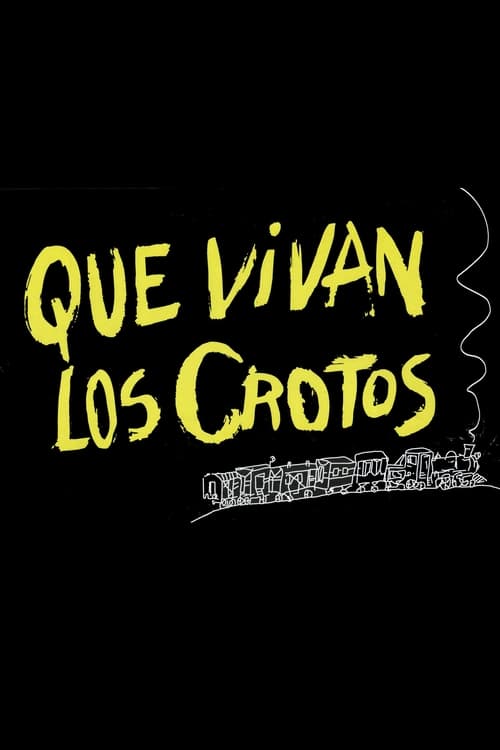
The film tells the story of an imigrant to Argentina who works for the railway company of this land. Being a witness to the history of the land of silver in this century the film is also a shortcut of the changes in Argentina during the last 100 years.
¡Que vivan los crotos!

It chronicles a few hours in the life of a family living on the southern coast of Buenos Aires. After breakfast, a father (Guillermo Arengo) heads off with his son (Agustín Alcoba) to a desolate beach for the day, while his wife (Roxana Berco) visits her seriously ill mother (Susana Campos) in a remote, wooded area.
Cómo pasan las horas

When Rey left Argentina after it fell under a military dictatorship in the late 1970s, he also left behind a very controlling and authoritarian father. Now he has returned to the country from exile for the funeral of his father. Though he left the man behind physically, their relationship still haunts him. Meanwhile, his old college pal Isabel has also returned to Argentina to help her husband and child cope with the effects of her long absence, brought about because she had a politically unsuitable lover. The two returnees are contemplating filming an autobiographical film about their experiences.
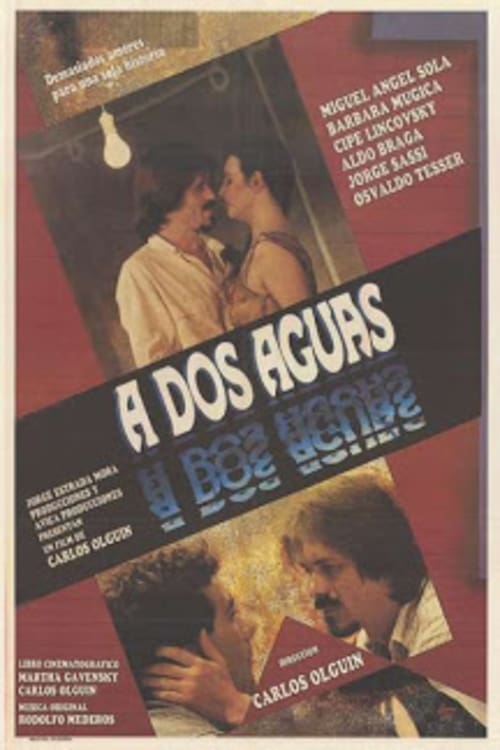
A dos aguas

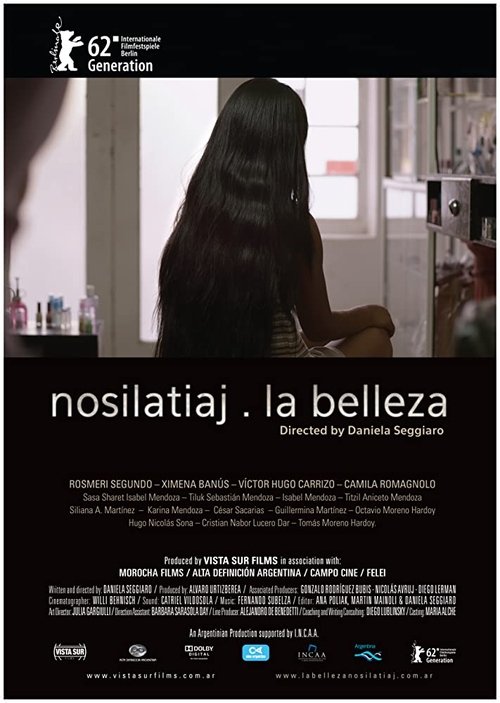
Set in the north of Argentina. Yolanda, a young girl of Wichi origin, tells in her native language (Wichi Lhämtes), the story of how, as a family maid in a "criollo" home, she has her hair unjustly cut: this is her most particular trait, her beauty. This event jeopardizes her cultural ties with the "criollo" world and defines her destiny.
Beauty

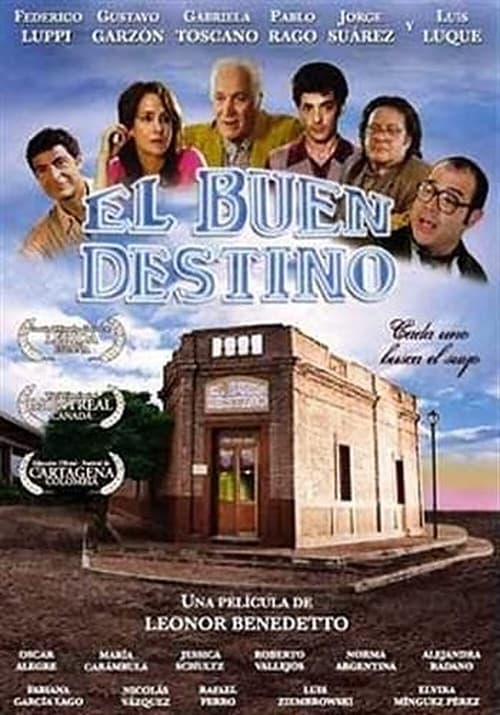
It tells the story of a people who stood on the side of the freedom, civilization and progress, but also some who are on the side of unbridled capitalism and race. However, they is still a possibilities of utopia and solidarity.
The Good Destiny

This documentary tells the tale of Buenos Aires lesbians, focusing on three personal stories. A former militant woman who now devotes her time to feminine soccer; a young woman who is active so no girl has to go through what she went through and a lesbian mother who recounts how hostile the laws are regarding the rights of lesbian women. In spite of the difficulties their characters go through, the stories have a lot of humour, some soccer and a tour of the city.
Lesbians of Buenos Aires

A playwright going through a period of crisis returns to his childhood home and begins to nostalgically recall the relationships that shaped his life.
La rosa azul
A teenage couple spends their lives knowing that the way to success is to work on the railroad.
El sol en botellitas

Saturday night in the humble house of a working-class family, narrated in parallel between the mother and a night out and the son who lives among street children.
Suco de sábado

A little girl talks with a tramp lady.
El eco

A country boy tries to find his place in Buenos Aires. He goes to live with his cousin in the outer suburbs and works as a parapalos ("pin setter") in one of the city's last hand-operated bowling alleys.
Pin Boy

Ani, an apprentice hairdresser who loses her job meets Danilo, a forty-something street scissors sharpener.
La fe del volcán

Desire, adolescence, and the first time can be as unique as it is surprising and very different.
Historias Breves II: Marisa en la Siesta

A young boy dreams and draws about an apparently fictional father figure. He materializes in real life, starring surrealist and colorful scenarios.