Wojciech Wiszniewski
Directing
Biography
Wojciech Wiszniewski was a Polish film director and screenwriter, renowned for his innovative approach to documentary filmmaking. He graduated from the National Film School in Łódź in 1972, where his early work, Zawał serca (Heart Attack, 1967), received recognition at the Oberhausen Short Film Festival. Wiszniewski's films are characterized by their critical examination of Polish society, often blending documentary and fictional elements to challenge official narratives. Notable works include Elementarz (The Primer, 1976) and Sztygar na zagrodzie (The Foreman in His Own Home, 1978). His unique style and bold subject matter have left a lasting impact on Polish cinema.
Known For
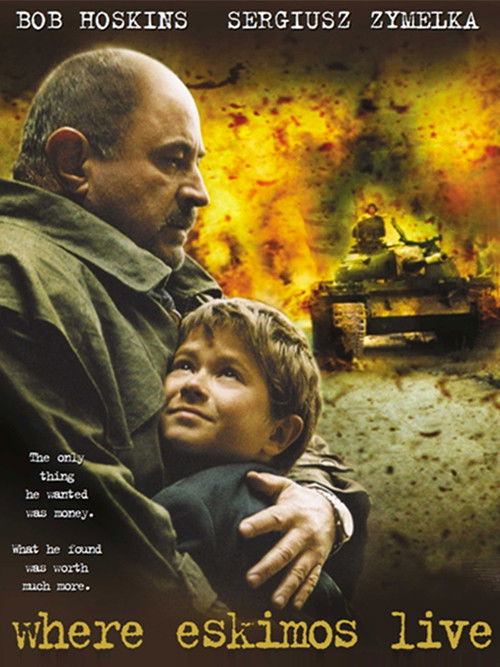
Sharkey, part of the sinister world of child trade, picks up Vlado, an orphan of war, dreaming of freedom and a better life. They embark upon a strange and enlightening journey through war torn Bosnia. As they struggle to get out of the country and fight to stay alive, they find a special love and compassion from which emerges their ultimate moral and spiritual redemption.
Where Eskimos Live
Despite the fact that the film is a documentary, its lead character and his life story are fictitious, though very probable. It is one of the best examples of creative documentary film-making of Wojciech Wiszniewski.
A Carpenter
A school teacher from a small town in Poland comes to Warsaw to see his estranged wife, a window dresser, in the hope that she will return to him rather than give him a divorce.
Pedestrian Subway
This 50-minutes long TV production, Wiszniewski's only feature film, is the story of a young worker, who is given a flat by his union commission on condition that he gets married.
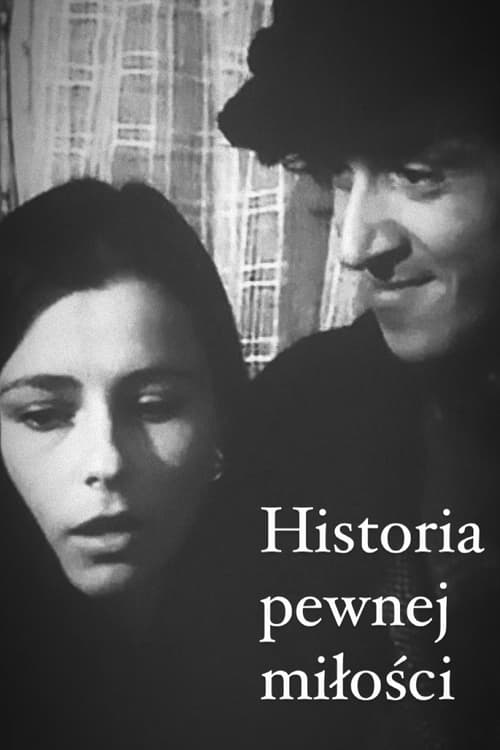
Random Love Story
A dilligent portrayal of the railway community depicts the mundanity of a pensioner's life set against lively scenes from his workplace, in the form of memories or dreams. (FILMAFFINITY)
Trace
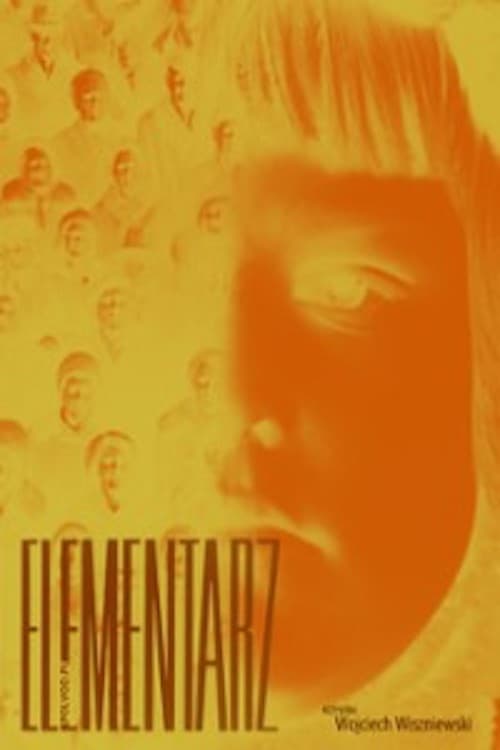
A staged cinematic parable, it presents in symbolic images a painful diagnosis of Poles' sense of identity in the 1970s.
ABC Book
Many years after finishing their education, a colorful cast of characters decides to attend a night school to finally earn their high school diplomas.
Profesor na drodze
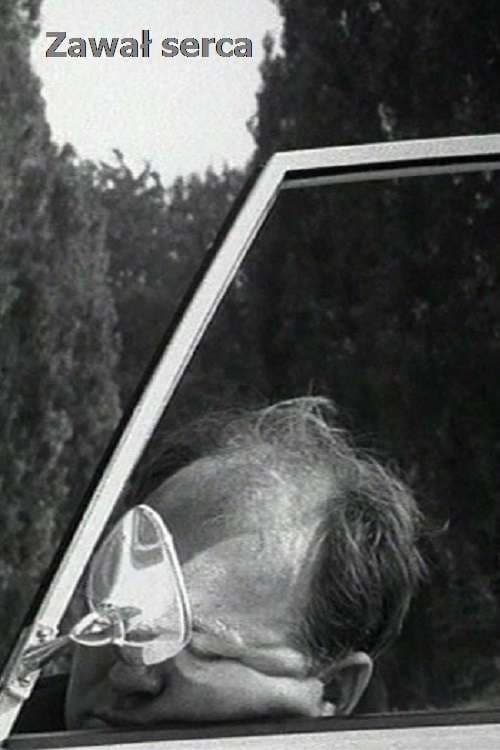
One of his first and the most famous undergrad shorts, which seems to forshadow the director's death. A prize winner at a film festival in Oberhausen, it does not bear any great resemblance to Wiszniewski's later films.It attempts to illustrate the subjective states of a character through expressionistic photography, hardcore jazz and associative editing.
Heart Attack
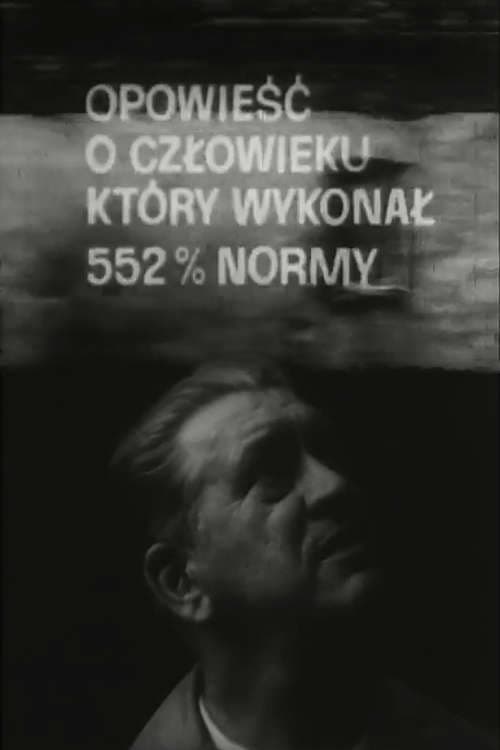
A movie quintessential to Wiszniewski's artistic output. Its protagonist, Bernard Budgol, is a miner and a legendary leader of socialist labour in the 40s and 50s. Structured around a dissonance and contradiction, the film is reminiscent of a broken mirror. Budgol's utterances do not for a cohesive whole, but come into conflict with one another. His wife, children and fellow miners tend to be critical of him while the protagonist himself feels compelled to defend his legend and the rightousness of his own conduct. (FILMAFFINITY)
A Story of a Man Who Filled 552% of the Quota
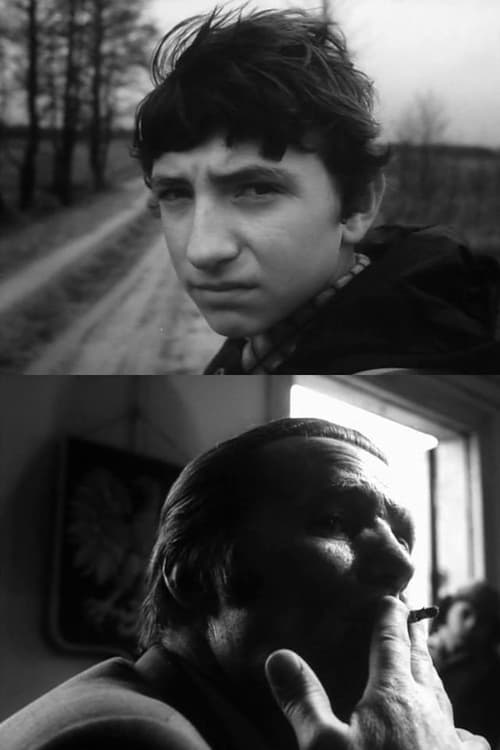
The story of a miner who decides to change his life by migrating to the countryside with his wife and children.
Foreman on a Farm
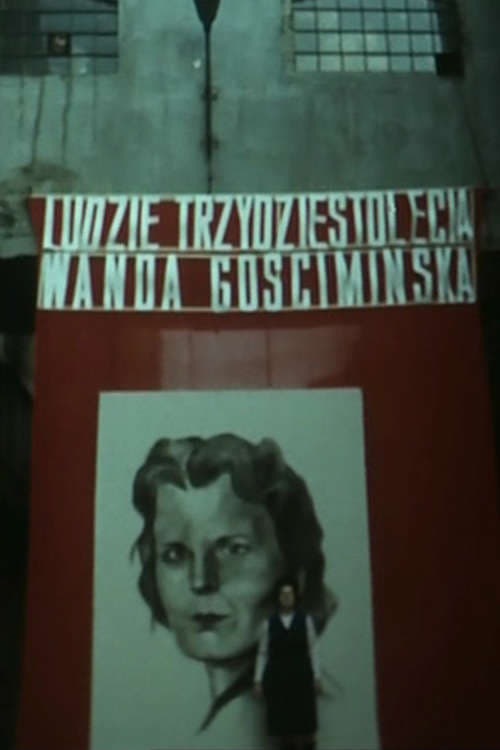
The life of a female weaver is thrown onto the socio-political canvas of pre-war and post-war communist Poland through the use of expressive allegorical and symbolic imagery in this imaginative take on the documentary form.
Wanda Gosciminska – A Textile Worker
A reportage about a summer camp for art students, in which carefree youth in red ties break into song at solemn flag ceremonies and meetings. Commissioned by the Socialist Youth Association Board and a surprise for Wiszniewski fans, particularly those who are convicted about the director's aversion to contemporary political system, since it appears blantantly propagandist.
Wilkasy 70
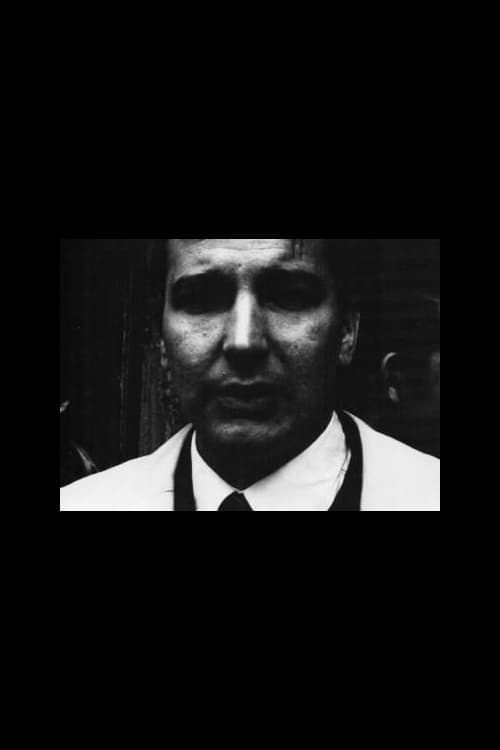
There's no April 31 and May the 1st is a Labour Day - the most important communist holiday. A gritty morning in the city of Lodz seen through the eyes of a worker who spends it with his colleagues drinking and talking about shady businesses. He's proud of his proletarian roots, but the reality is rather bitter than sweet for him. However, he seems to be happy living in his simple world of dreams, TV programs and drinking cheap wine. The viewer is left with a dissonance between the backyard and the facade, bwetween "normal" existence and the ideology and content of TV programs.