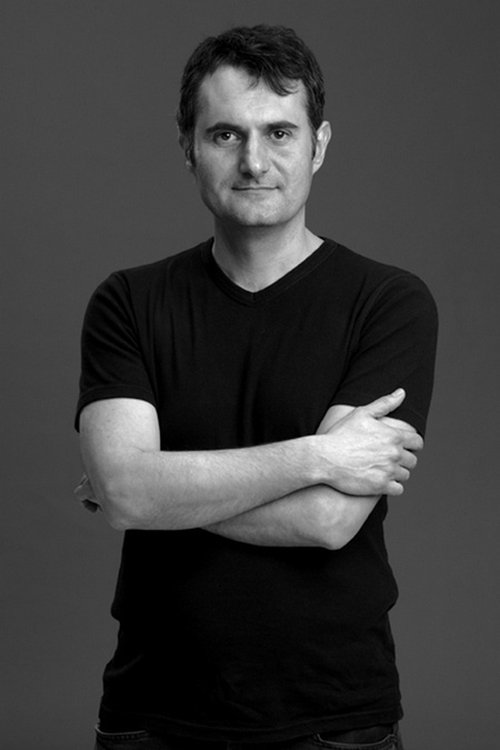
Carlos Ruiz
Directing
Biography
Carlos Ruiz is a Spanish filmmaker born in Barcelona and formed in London in the areas of film production, directing, film editing, script writing and cinematography. Since 1990, Carlos Ruiz has worked in the film industry in various capacities.
Known For
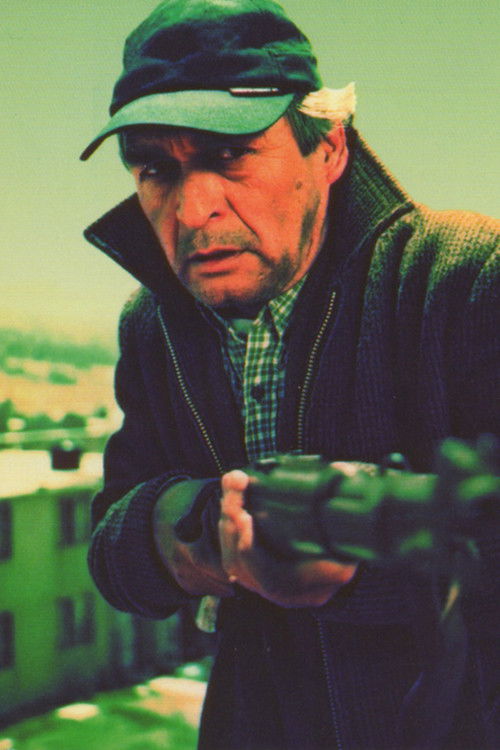
What would happen if the world's largest city ran out of clean water? The situation is portrayed through the eyes of a mature couple who are reluctant to leave their home and who defend their last drops of water at gunpoint.
El Día Menos Pensado

The Waning Sky tells the story of two lovers united by a love as strong as it is forbidden, haunted by the imminent presence of their unfulfilled desires and the guilt that follows them. Their relationship is founded on a shared lie, a guilt that torments them both, and an unrelenting desire that threatens to consume them both. They married young, not knowing the depths of love or passion, but when they met, they knew they had found their soulmate. The characters Luís and Ana, played by Carla Chambel and Rúben Garcia, are united by a passion that lasts for several years, supported by furtive encounters, declarations of love, conflicts and guilt. The Waning Sky presents a poetic and lyrical narrative of the complexities of desire, love and the lingering pain of living with the consequences.
The Waning Sky
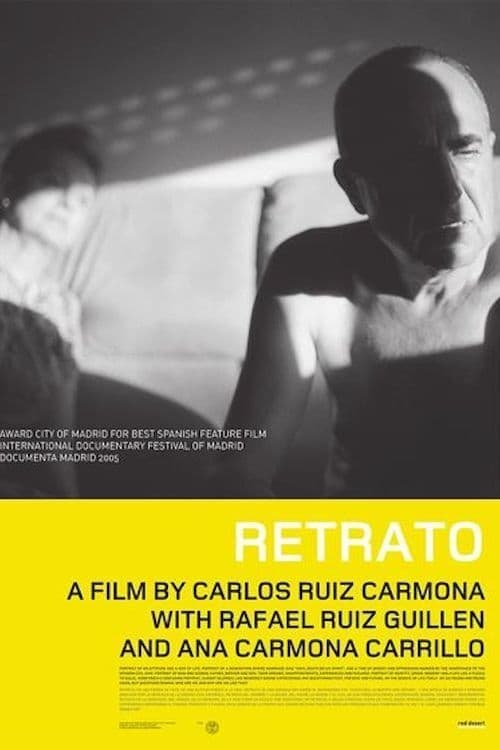
The director questions his parents about their private life, past and present. They belong to a generation marked by misery and oppression, where marriage was "until death do us part". Although they are seen frequently together, they answer openly but alone. It's a portrait of identity, origin, memory - a stunning black and white intimacy.
Retrato
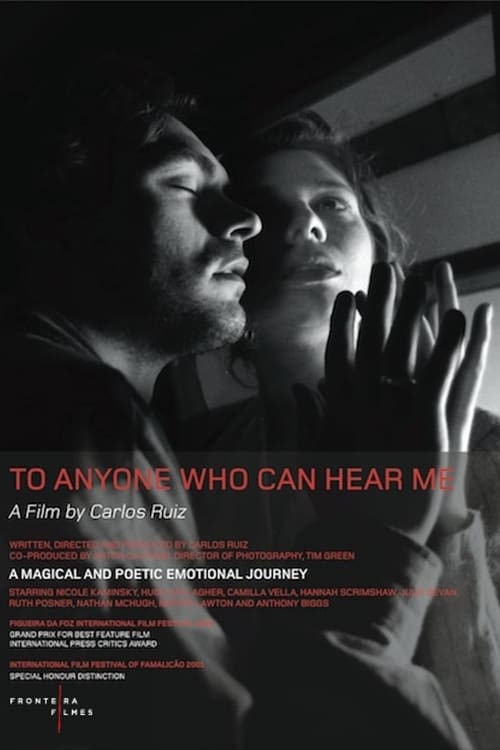
A magical, vivid and poetic exploration of damaged human relationships. Nine passengers on a train must confront their fears, solitude and emotional emptiness.
To Anyone Who Can Hear Me
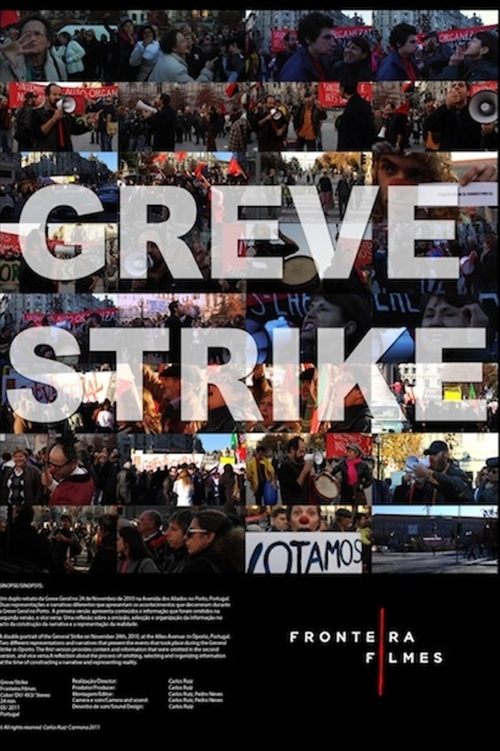
A double portrait of the General Strike on November 24th, 2010, at the Allies Avenue in Porto, Portugal. Two different representations and narratives that present the events that took place during the General Strike in Porto. The first version provides content and information that were omitted in the second version, and vice versa. A reflection about the process of omitting, selecting and organizing information at the time of constructing a narrative and representing reality.
Greve
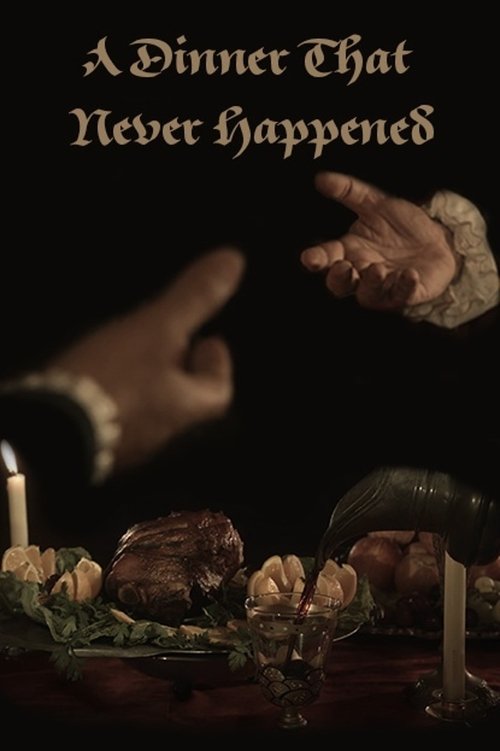
Five characters from the Renaissance have dinner and talk about the state of Europe.
A Dinner That Never Happened
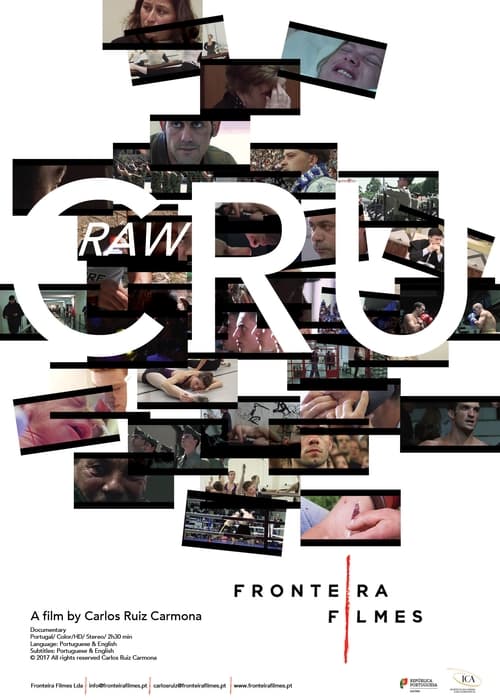
An observational documentary film shot and produced in Porto, Portugal. On the one hand, this film partly falls under the genre where a specific point of view of a city, its existence and identity grows into a full character. On the other, also falls in line with the observational documentary practice without interviews, testimonies or voice overs. The film intends to discuss and question modern society values and human nature through a non-linear contemporary portrait of intimate life stories. Violence, education, health, poverty, the role of our institutions in the organization of life and the ethical and moral quality of our society represent the main body for reflection.
Cru

Desert, mythical, twilight. This visual contemplation is a kind of silent western about life in the landscape of Alentejo, a remote town in Portugal. Using Alentejo’s landscape as the canvas and the camera as an instrument for the expression of an original look, a cinematographic structure is created around references to the history of cinema, a revisiting of forms, styles and models that made the cinema and its more direct antecedents: photography, painting, music, theater.
Alentejo Late Afternoon
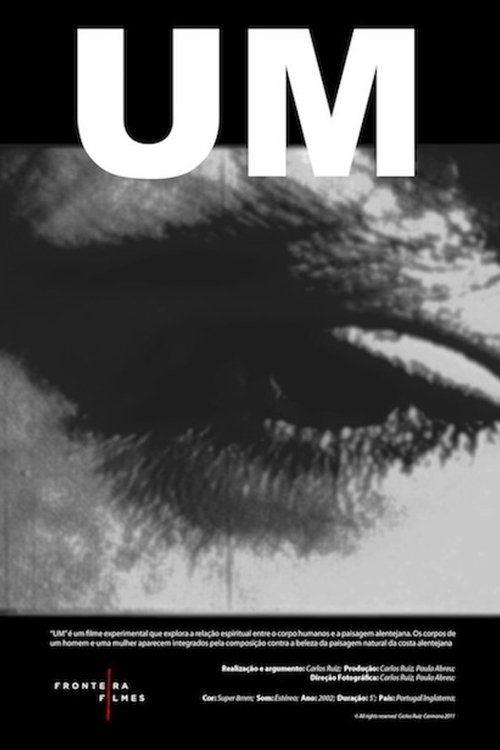
Experimental film that explores the spiritual and physical relation between the human body and the landscape.