
Carlo Fruttero
Writing
Biography
Carlo Fruttero (19 September 1926 – 15 January 2012) was an Italian writer, journalist, translator and editor of anthologies. Fruttero was born in Turin. He is mostly known for his joint work with Franco Lucentini, especially as authors of crime novels. The duo were also editors of the science-fiction series Urania from the 1960s to the 1980s, and of the comic-strip magazine Il Mago. Fruttero died in Roccamare, Castiglione della Pescaia in 2012, aged 85. Source: Article "Carlo Fruttero" from Wikipedia in English, licensed under CC-BY-SA 3.0.
Known For
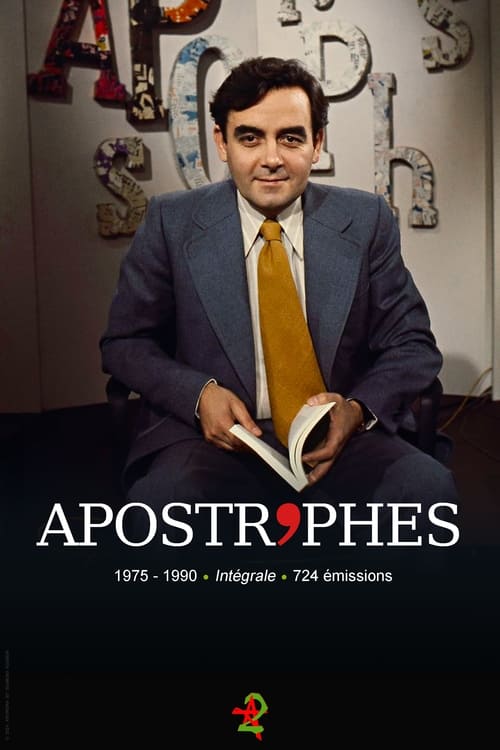
Apostrophes was a live, weekly, literary, prime-time, talk show on French television created and hosted by Bernard Pivot. It ran for fifteen years (724 episodes) from January 10, 1975, to June 22, 1990, and was one of the most watched shows on French television (around 6 million regular viewers). It was broadcast on Friday nights on the channel France 2 (which was called "Antenne 2" from 1975 to 1992). The hourlong show was devoted to books, authors and literature. The format varied between one-on-one interviews with a single author and open discussions between four or five authors.
Apostrophes
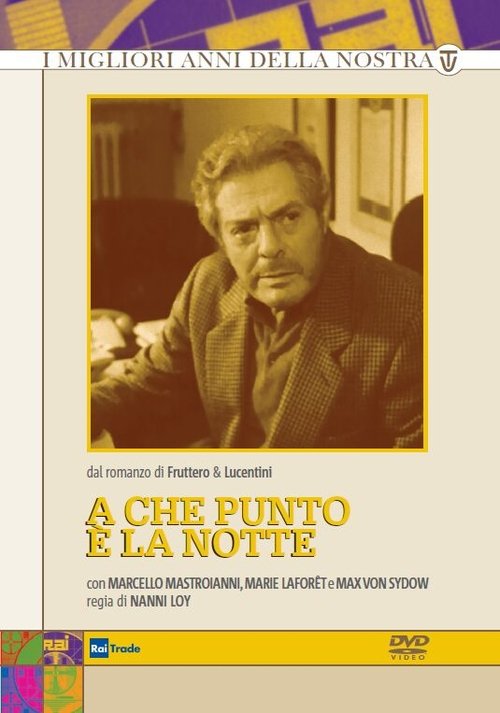
In Turin, a priest is killed by the explosion of a candle and Commissioner Santamaria has to unravel the problem.
A che punto è la notte
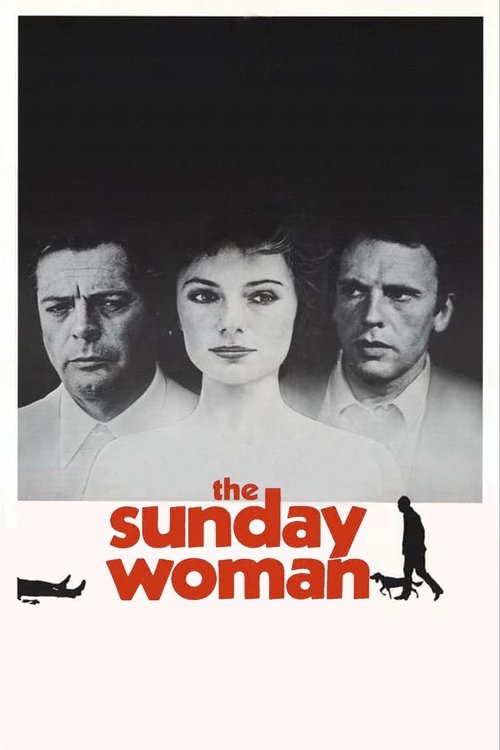
Police commissioner Santamaria is investigating the murder of the ambiguous architect Mr. Garrone. The investigations soon drive him into the Torino's high society. Santamaria suspect Anna Carla and at the same time falls in love for her. Lello is the lover of Massimo, Anna Carla’s gay friend. He is following another direction in order to find out the truth, and his results are confusing the Policeman. But another murder happens...
The Sunday Woman
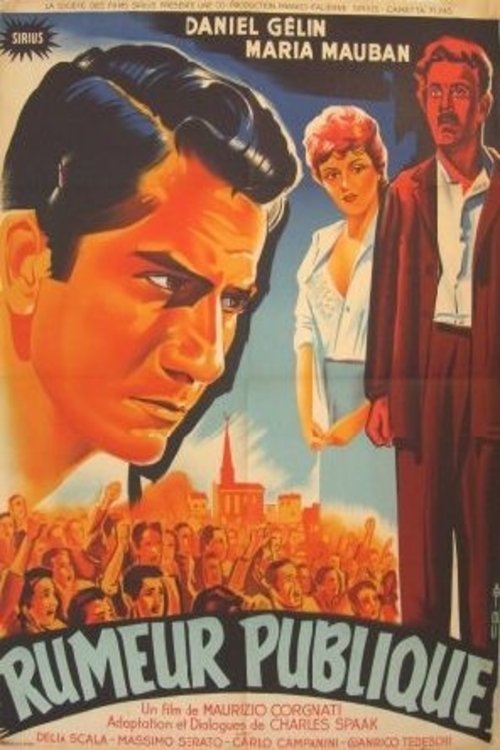
Following the death of his wife in unclear circumstances, the mechanic Egisto Bianchi is accused of auxoricide. A journalist begins to take care of the case and ignites public interest with a successful press campaign. The accused is acquitted for lack of evidence, but the reporter thinks he can still take advantage of the case by making a film of it. He then convinces some filmmakers to draw from the episode the subject of a film in which Bianchi himself will be the protagonist. During the filming, the reporter discovers that Bianchi's wife was cheating on her husband. So he then decides to modify the film script, including adultery, and to be able to shoot without problems he makes Bianchi go away. But he returns and, unseen, witnesses the new scenes of the film in the cinema of the country. Bianchi convinced that adultery is an invention, protests for the change, but the journalist reveals the truth to him, bringing the story to a dramatic ending.
Public Opinion
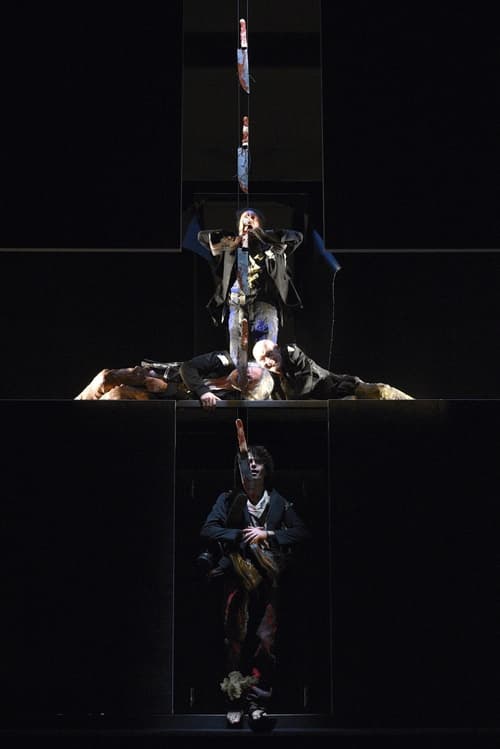
One of the most famous and mysterious literary and theatrical texts of the 1900s. Theodoros Terzopoulos, greek maestro of the international scene, transforms Waiting for Godot into a lens through which is possible to identify "the other". An engaging drama which leads us to wonder about our own concept of humanity.