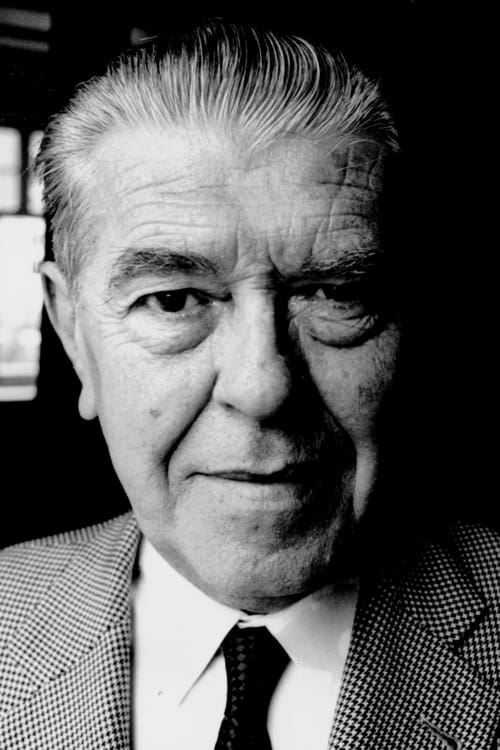
René Magritte
Acting
Known For
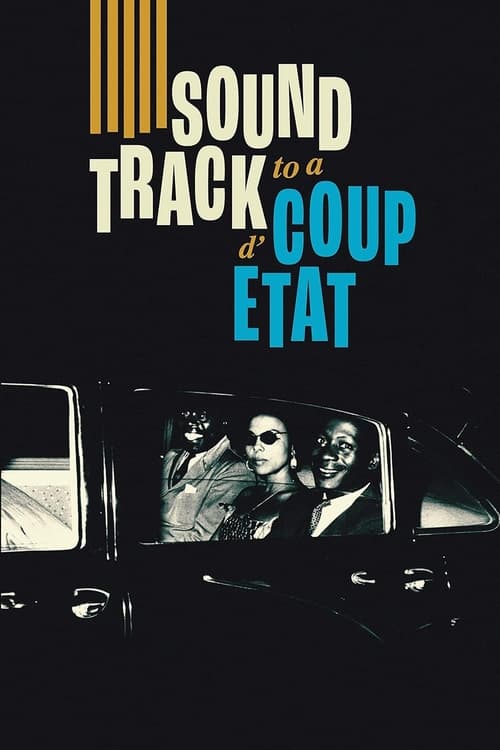
Jazz and decolonization are intertwined in a powerful narrative that recounts one of the tensest episodes of the Cold War.
Soundtrack to a Coup d'Etat
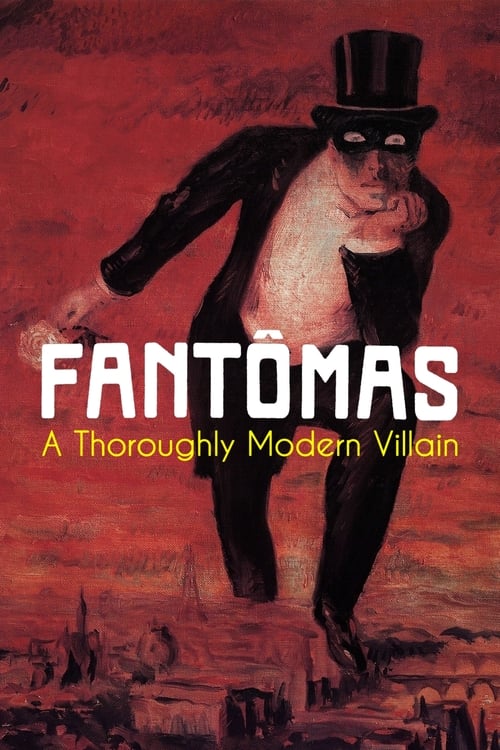
The story of Fantômas, the first villain of modernity, from his birth in 1911 as a novel character to his contemporary vicissitudes, passing through Louis Feuillade, André Hunebelle, surrealism and Moscow.
Fantômas: A Thoroughly Modern Villain
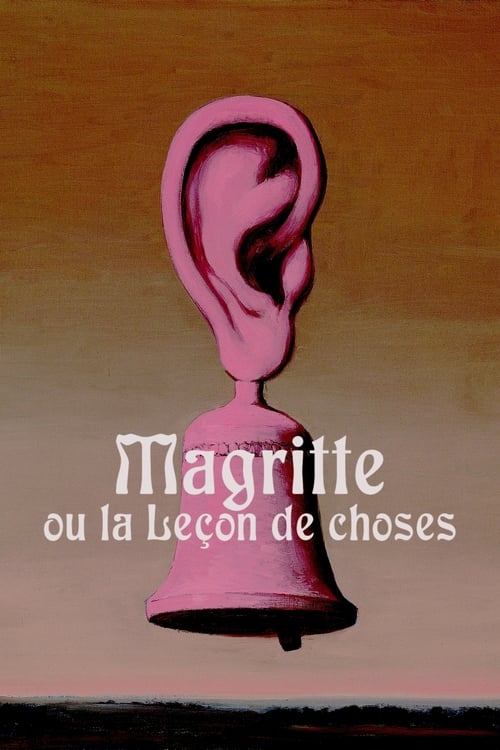
The surrealist painter René Magritte questions the objective reality and emphasizes the arbitrariness of the relationship between an object, its image and its name: the evocation of mystery consists of images of familiar things gathered or transformed in such a way that they no longer conform to our ideas, whether naive or wise.
Magritte or the Object Lesson
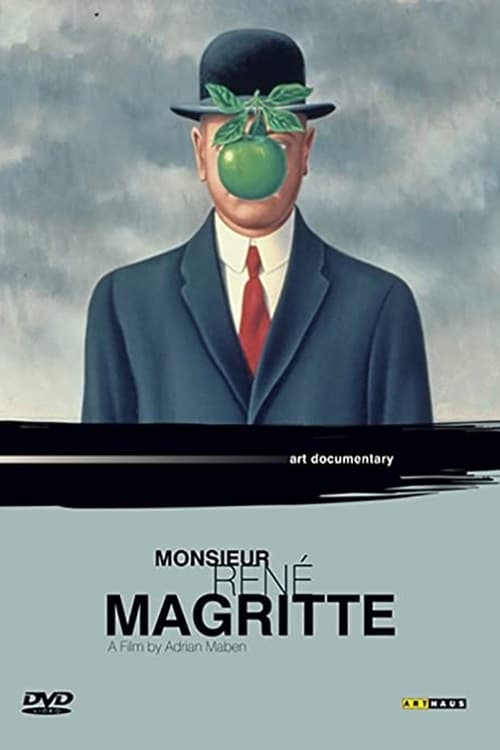
Documentary about the Belgian surrealist artist who died in 1967.
Monsieur René Magritte
Introduces the world of painter René Magritte through an assemblage of the painter's images. Includes statements by Magritte about his intentions and anecdotes from his friends Mesens and Scutenaire.
Magritte: The False Mirror
With the help of his friends and wife, Magritte films sketches without any narrative coherence, a series of filmed installations (sometimes involving the painter's favorite iconography) that revel in the burlesque spontaneity of the shoot. “'Cinema for intellectuals' never amuses me and I expect nothing from cinema other than amusement, futile if you will, but which few films manage to arouse” --René Magritte
La Fidélité des images
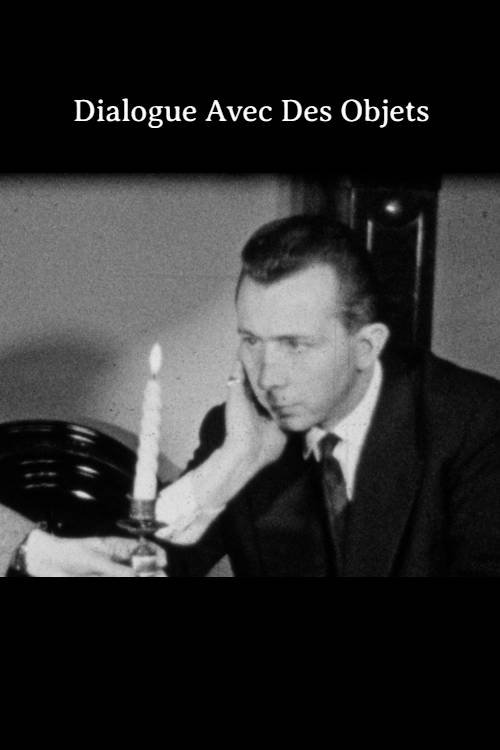
Short by René Magritte
Dialogue Avec Des Objets
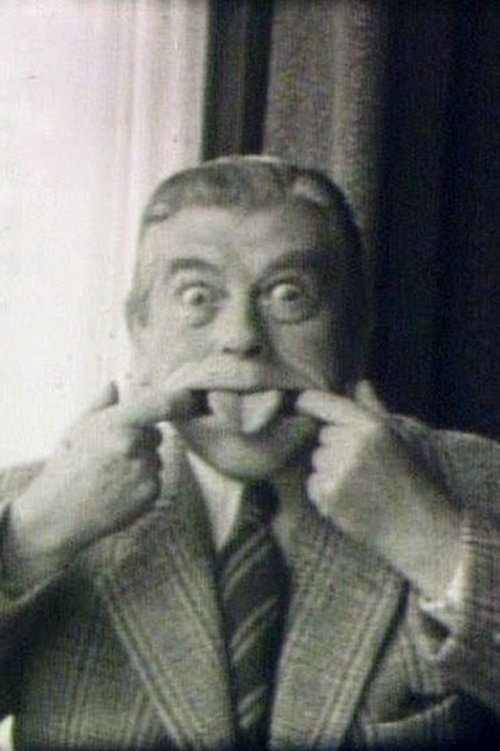
The first part of a Magritte portrait, mainly compiled from fragments of staged enactments of situations, which Magritte recorded with, among others, Georgette Magritte, Paul Colinet, Irène Hamoir and Scutenaire, playfully described by the latter as "une histoire érotico-fantastico-iconoclaste".
Un Week-end avec Monsieur Magritte : Tome 1, Samedi

In 1956, Magritte purchased a movie camera and, in the following years, made numerous short films featuring himself, his wife, their friends, and even their dog. Magritte’s home movies were sometimes scripted, but rarely had discernible plots, instead stringing together a series of strange and unrelated actions. Bringing Magritte’s iconic imagery to life, the films feature actors mischievously substituting real apples for their painted counterparts or reenacting entire compositions. These snippets of Surrealist collaboration showcase Magritte’s playfulness, prompting his friend Louis Scutenaire to observe, “Perhaps he was never more happy than when handling the camera.”