Acting
Polizeiruf 110 is a long-running German language detective television series. The first episode was broadcast 27 June 1971 in the German Democratic Republic, and after the dissolution of Fernsehen der DDR the series was picked up by ARD. It was originally created as a counterpart to the West German series Tatort, and quickly became a public favorite.
Der Staatsanwalt hat das Wort was an East German television series.
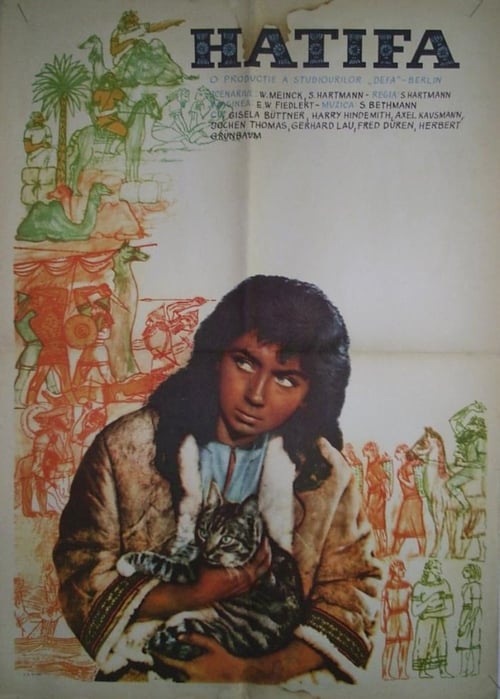
Hatifa is tired of her difficult fate and escapes from the place of her enslavement, a quarry in the desert. There she wanders around in freedom, but ultimately helpless, without water or food. Shortly before dying of thirst, she is saved by the sage Simsal, who is traveling with a caravan of the merchant Ganem. Hatifa quickly makes many friends, including the young servant Hodja. Only to him she confides her secret. The girl had to keep the fact that she was a slave to herself. After all, anyone who helps escaped slaves is mercilessly threatened with the death penalty. Out of consideration for the caravan, they both flee, but are soon picked up by Ganem. When he realizes that he can make a lot of money with Hatifa, he sells her again to a quarry.
Four-part miniseries about the theologian Thomas Müntzer, who became a revolutionary and opponent of Luther during the Peasant War in 1525.
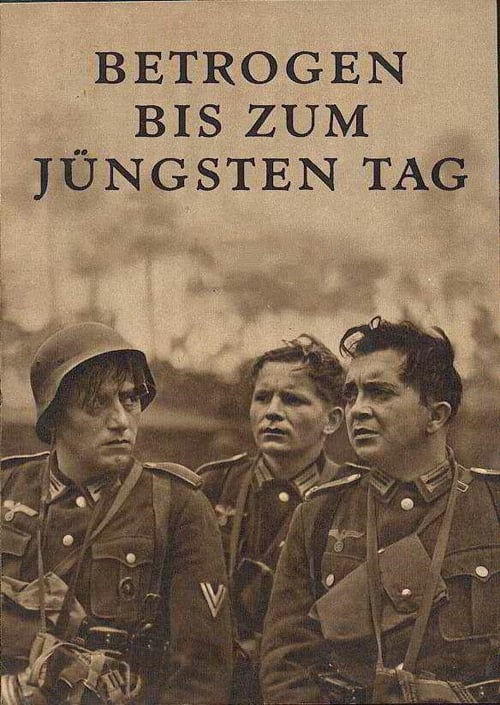
East Germany's contribution to the 1957 Cannes Film Festival was the wartime melodrama Betrogen bis zum Juengsten Tag. Had the film been released in the U.S., the title would probably have translated to Duped Till the Last. The film condemns the Nazi mindset by concentrating on a particularly odious cover-up. When his son is involved in the accidental killing of a girl, a Gestapo general pulls strings to save the boy from prosecution. The general manages to pin the blame for the killing on a group of Russians, whereupon he gives the men under his command carte blanche to round up and execute as many innocent Russians as they wish. This act of brutality is contrasted with the pangs of guilt suffered by the son and his co-conspirators.
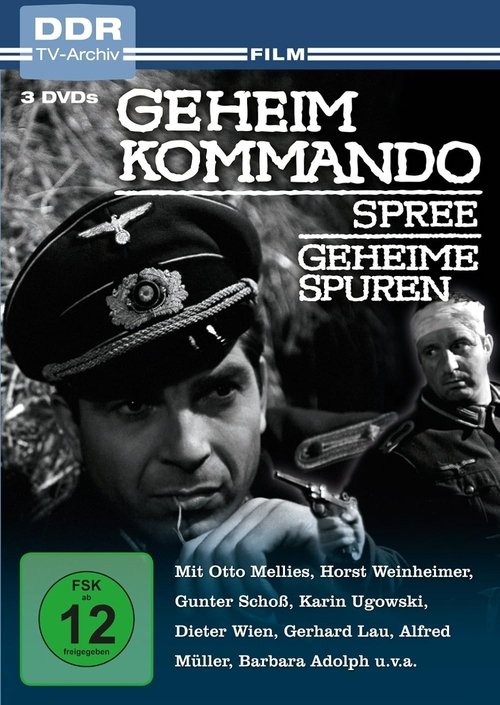
Three members of the National Committee Free Germany form a secret commando that comes to Berlin from Minsk to take up the fight against the SS in the last days before the end of the war.
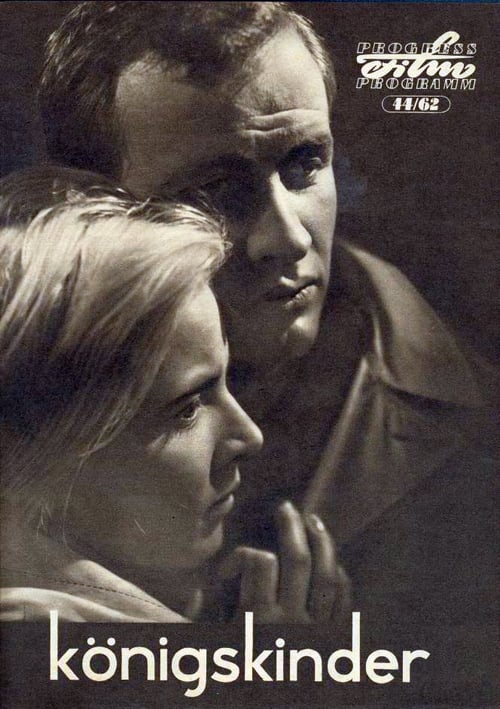
Magdalena and Michael have loved each other since they were children. But when the Nazis come to power, Michael rebels against the regime and is sentenced to fifteen years in a concentration camp. Magdalena, meanwhile, goes underground with the help of a friend and later immigrates to the Soviet Union. Michael, who has joined the Red Army, discovers on the way to Moscow that Magdalena is staying there. But when his plane lands, she is already on her way back to Germany. Michael hopes that one day, he and Magdalena will be reunited.
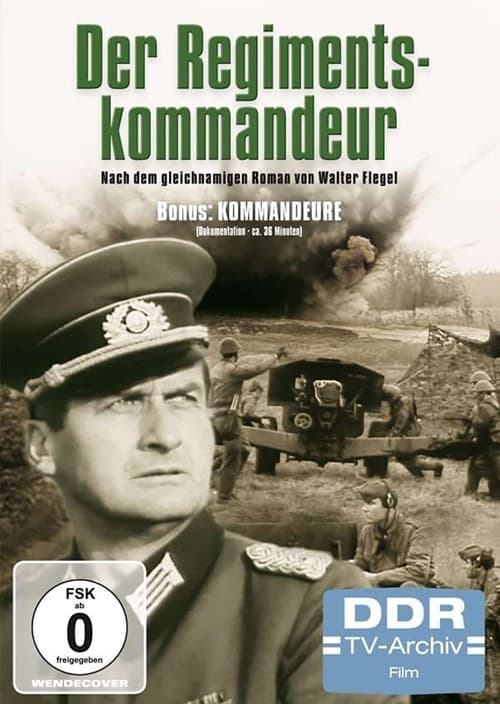
Major Bert Harkus takes over the artillery regiment in Jesnack after graduating from the military academy. The troop proudly presents itself during an exercise. But apart from some good results in shooting, Harkus soon realizes that there are a few problems. As he does not believe that constant combat readiness is guaranteed, he orders far-reaching changes and does not only make friends. Only gradually do the troops pull themselves together.
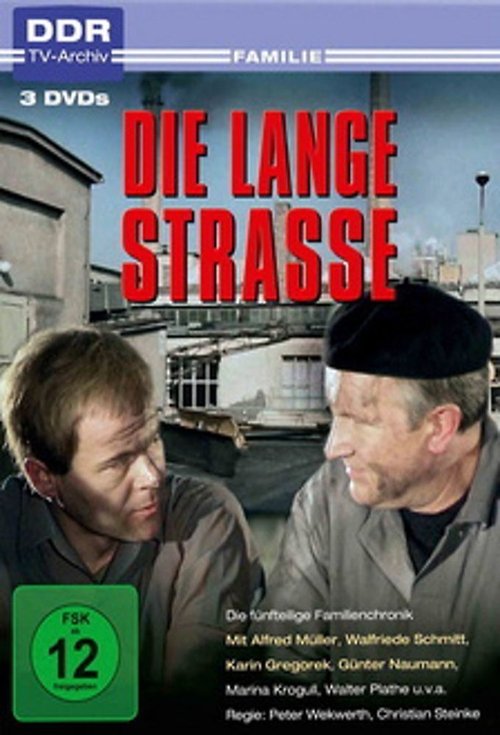
1949. Grafenberg in Brandenburg shortly before the foundation of the GDR. Here lives Michel Hollmann and works in roadmaking. His purpose in life are his wife Lotte and the two children Gerda and Heinz, for whom he is reconstructing a summerhouse into a “nest”. In Grafenberg, his siblings are living as well: His brother Karl, the mayor, and sister-in-law Edith, who works in a textile factory, with their son Jürgen. Edeltraut, his sister, has married the lamp fabricant Berthold Bennert and leads a well-off life. They as well have a son: Harald. Part of the family are further sister Hanna and brother-in-law Hermann, who is a fisherman on one of the local lakes and conducts a tenacious private war against old Stegewald and his presumptive prince-electoral rights. They are living their lives with their large and small conflicts, with different intentions, and yet remain connected always.
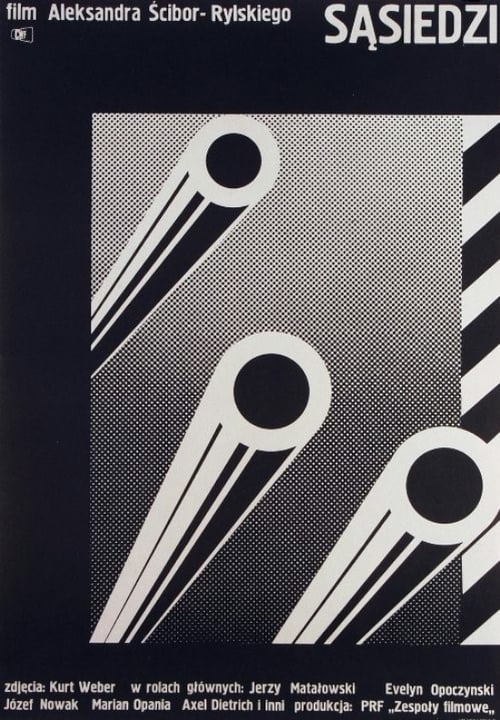
A day before the beginning of the Second World War, a young resident of Bydgoszcz falls in love with a German teenager.
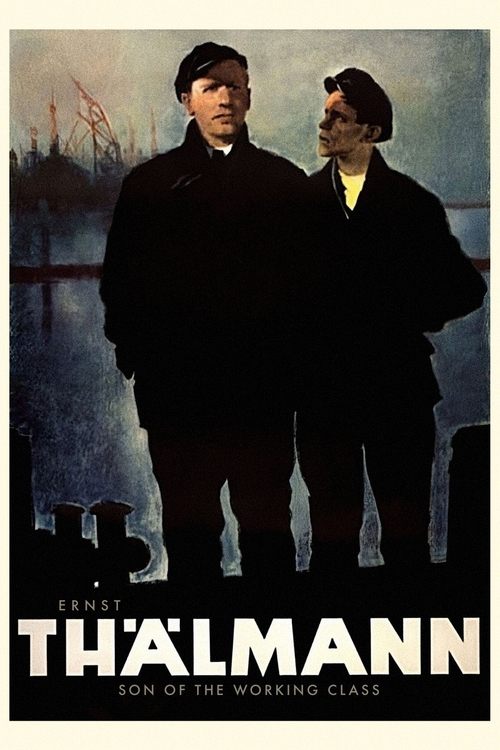
This film is the first of a two-part historical and biographical portrait of the communist politician and anti-fascist Ernst Thälmann. In early November 1918, Ernst Thälmann is an unwilling soldier serving on the western front. As the revolutionary movement at home is threatened by the betrayal of the Social Democrats and fissures in the working class, Thälmann calls on his fellow soldiers to put down their weapons and unite with the workers in the communist struggle at home. Thälmann’s qualms about which side he is fighting on continue, but when the local police attempt to prevent a shipment of provisions and supplies from reaching the people in Petrograd, he intervenes and the ship is unloaded. With this moment of clarity, Thälmann continues to follow his political convictions and joins the workers at the Hamburg uprising in October 1923.
East Berlin, early 1970s: the funny, somewhat eccentric repair mechanic Roland and the cashier Christel quickly become a couple. After some back and forth, they get married and their first child is soon on the way. But the young couple's everyday life is not always free of conflict: Christel has taken an evening course to get ahead professionally, while Roland takes care of the child and household after work. Will their love withstand the strain? In "Standesamt - Eintritt frei", director Manfred Mosblech tells a subtle and cheerful everyday GDR story about two young people who are searching for the right path for themselves between professional life, friendships and marriage.
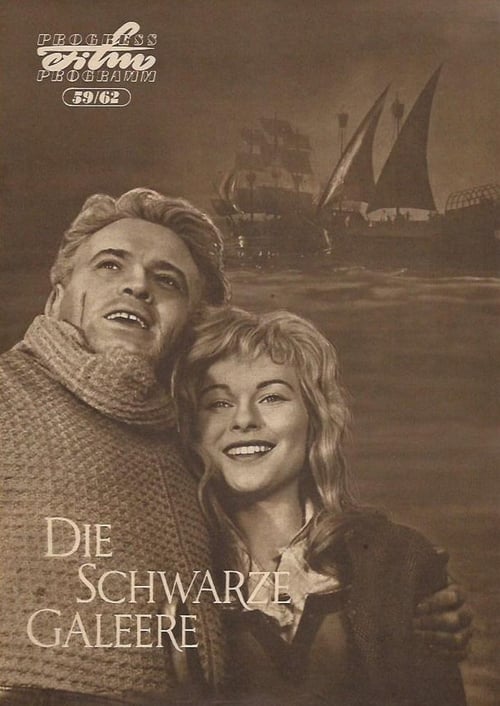
Antwerp at the end of the 16th century. For the second time, the city falls into the hands of the plundering and murdering Spaniards. Jan and Myga are just ten years old. While Myga's father tries to come to terms with the Spaniards, Jan leaves the occupied country with his father. When Jan has grown into a young man, he joins the Geusen and is entrusted with the best ship as helmsman, the "Black Galley". He survives numerous battles and dangers, but one day he is captured by the Spanish. He frees not only himself but also his beloved Myga from the hands of the enemy. In 1609, the Spaniards are forced to finally recognize the independence of the northern provinces.
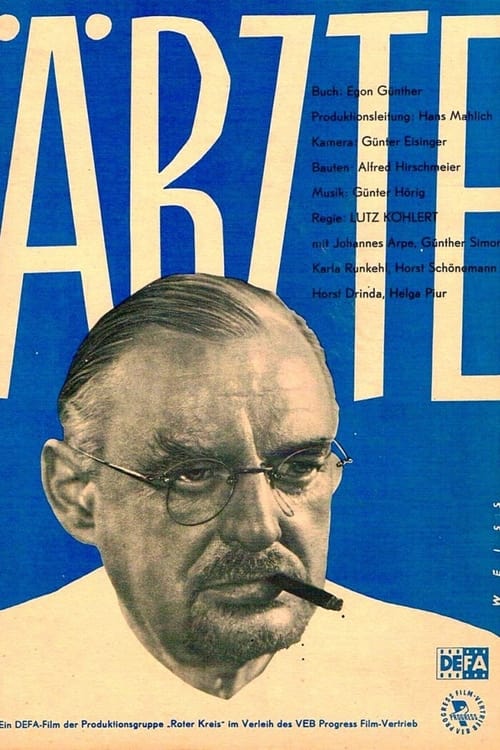
Professor Heger's son was shot by the Gestapo during the war. Dr. Bram was also responsible for his death. After the war, working in Heger's clinic, Bram tells the professor about his guilt. Considering Bram a traitor, Heger refuses to work with him. Bram flees to West Germany. Soon the professor, who has decided in his heart to stay in the FRG forever, leaves for Munich for the congress. But his meeting with Bram in Munich and the reality surrounding them dispelled his illusions, and they both return to their homeland.
Factory workers Yvonne and Evchen have their nose full of married men who appeal to them again and again in their home for a short adventure. In short, they decide to profit from this state: Evchen goes to her home with the willing men and puts her in a clear situation of which the then suddenly emerging Yvonne takes a photo. Then it says: 5000 marks or your wife learns about this failed side jump. So far, so profitable! But when the two women encounter the art hehler Domski in their bar, things get out of control...
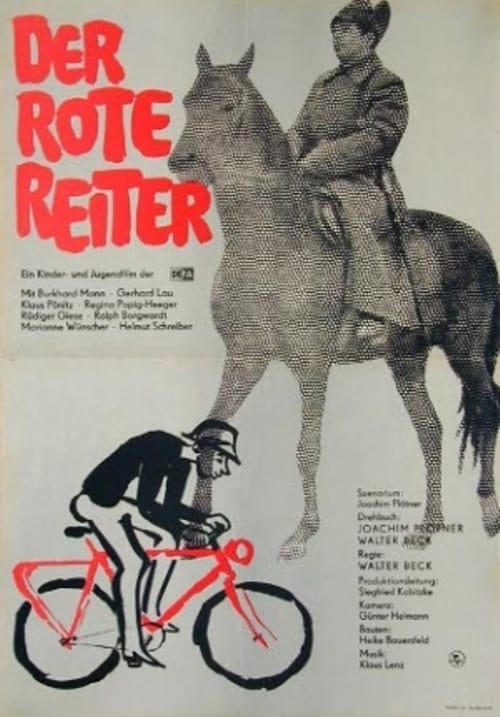
In 1920, Michael, the son of a German laboring man, decides to travel to Russia. As "red horseman" he wants to support the socialist revolution and fight for the welfare of the working class. The journey towards the east turns out to be both a big adventure and a severe ethical test for the young man. He has to escape the German Armed Forces and ends up at a traveling circus where he falls in love with Fanny, a dressage rider. He overcomes the temptation to stay with her at the circus and - after briefly joining a gang of teenage thieves - he eventually boards a ship heading east. Aboard the ship he finds out that the seamen are transporting weapons for the hostile members of the White Army.
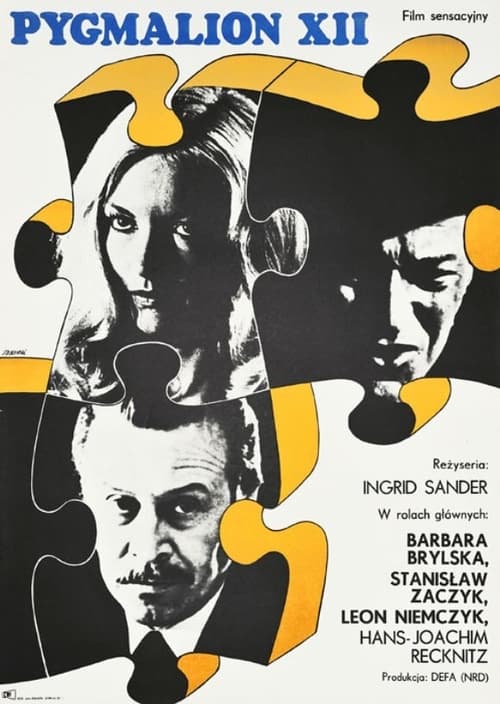
In Frankfurt am Main, a red sports car crashes into a wall and bursts into flames along with the driver. Erika Bongert, the owner, was not in the car and is not questioned by the police. Her boyfriend is CIA agent Jack Treets, who is able to keep her out of everything. He is soon in trouble himself, as Erika puts him under pressure ... Another car races across a road, this time on the transit highway to West Berlin. Erika Bongert dies as a result. The Ministry for State Security soon realizes that the American secret service is involved.
For her husband, who has become famous as an actor, Angelika is the go-to girl. For years, she stands in his shadow. The only things they do together are premiere parties and receptions. Angelika, who is becoming increasingly frustrated, finally wants a satisfying occupation with which she can gain recognition. But this is where the problems really begin for the couple.
Russian soldier Grisha escapes from a German prisoner-of-war camp in the spring of 1917. He is caught and is to be shot as a spy. This decision is controversial. The dispute continues. Grisha is executed on the orders of the army high command.
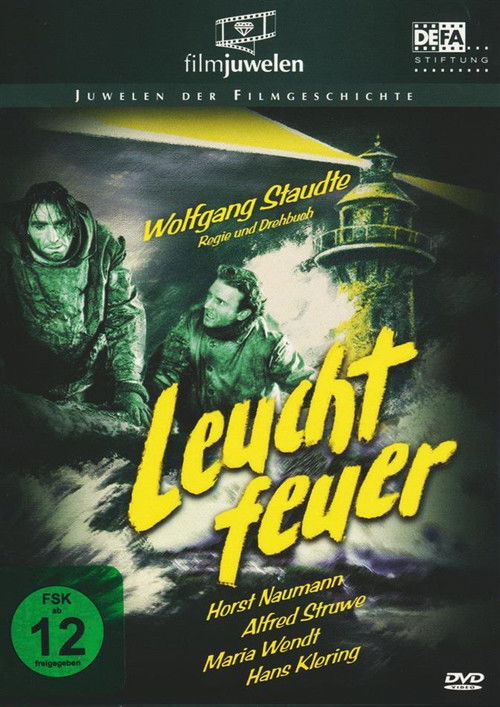
On a barren and stormy island, fishing families eke out a meager existence on what they can catch during summer, and what washes ashore during winter. But little has been washing ashore of late, and their situation worsens. Elders recall how twenty years ago, when the lighthouse keeper’s beacon went dark, a cargo ship broke apart on the cliffs. It proved a bountiful accident for the fishermen. Today people on the island view the conscientious lighthouse keepers with evil hungry eyes...