Ferdinand Pečenka
Camera
Known For
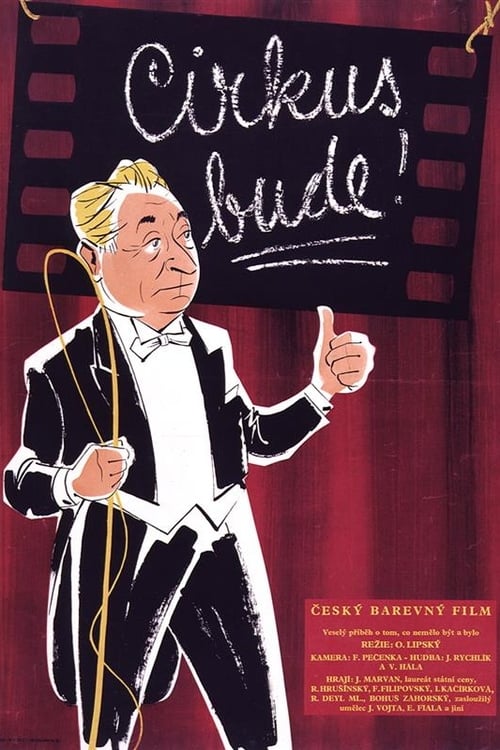
A few bus-loads of holidaymakers from the agricultural cooperative on a day trip arrive to see the show at the Slavia Circus. But, they have bad luck. It is Monday, the day on which the employees have their extra day off.
The Circus Will Be
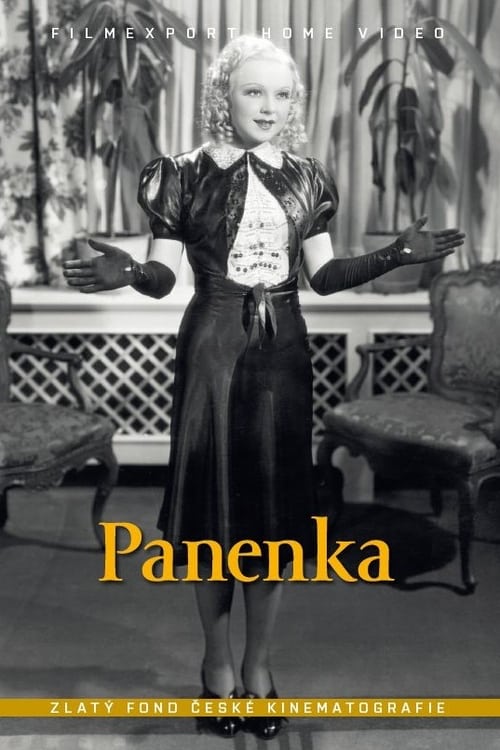
Věra accepts the offer of her friend Kajetán, who arranges a position for her in Dominik's puppet factory. The spirited girl impresses her employer, Antonín Dominik, so much that he falls in love with her. Dominik's mother notices her son's interest in Věra and immediately fires her. Kajetán, who works in the studio of sculptor Výr, who is engaged in the production of mechanical puppets that can be used to advertise goods, asks Věra for help...
Panenka
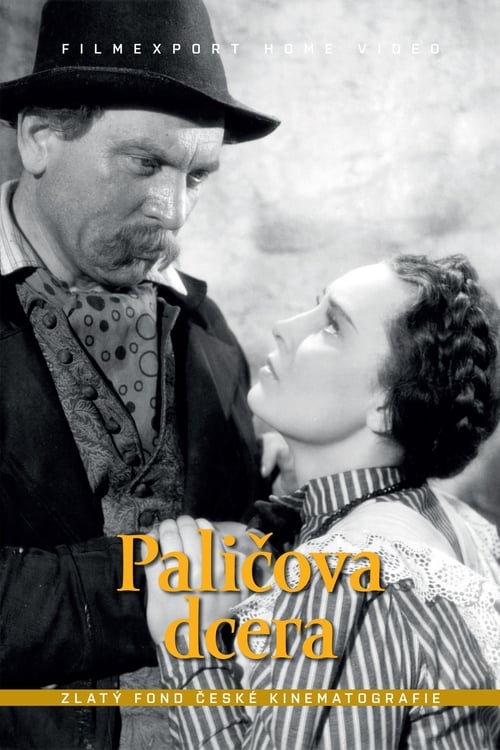
The fiddler Valenta has troubled his wife with his drinking and disorderly life. His daughter Rozárka and her younger sisters go to their aunt's in Prague, and their father sets fire to the abandoned house. Rozárka is suspected...
The Incendiary's Daughter
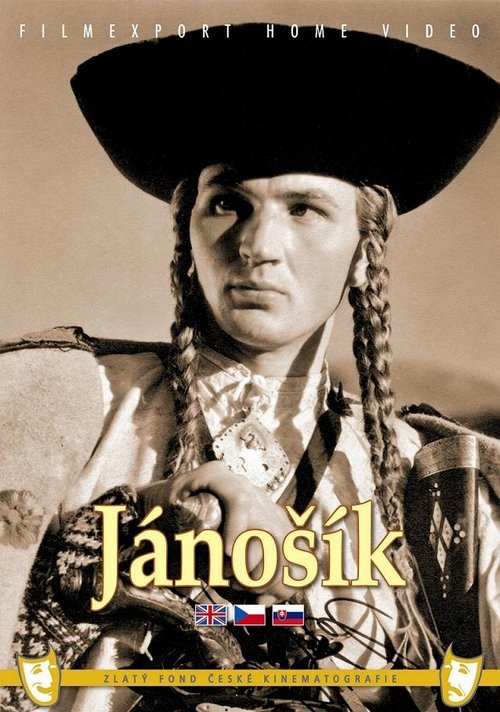
Jánošík has been topic of many Slovak and Polish legends, books and films. According to the legend, he robbed nobles and gave the loot to the poor. The legend were also known in neighboring Silesia, the Margraviate of Moravia and later spread to the Kingdom of Bohemia. The actual robber had little to do with the modern legend, whose content partly reflects the ubiquitous folk myths of a hero taking from the rich and giving to the poor. However, the legend was also shaped in important ways by the activists and writers in the 19th century when Jánošík became the key highwayman character in stories that spread in the north counties of the Kingdom of Hungary (present Slovakia) and among the local Gorals and Polish tourists in the Podhale region north of the Tatras.
Jánošík
An old peasant from Chodský, Záhor, claims to the young Podestát that he returned three hundred gold pieces to his father before the old Podestát died. Out of greed, Záhor even decides to perjure himself in court. The indignant creditor warns him of God's wrath. Záhor's sons, Matěj and Vondra, are vying for the same girl - the daughter of a blacksmith, Nana.
Boží mlýny
No description available.
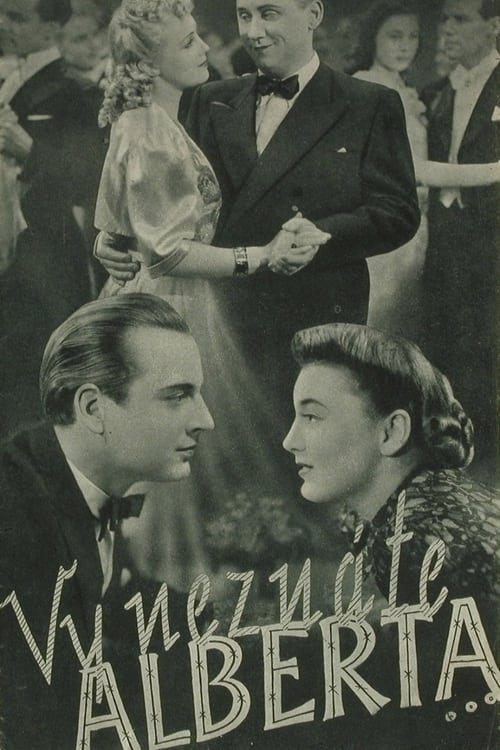
Vy neznáte Alberta
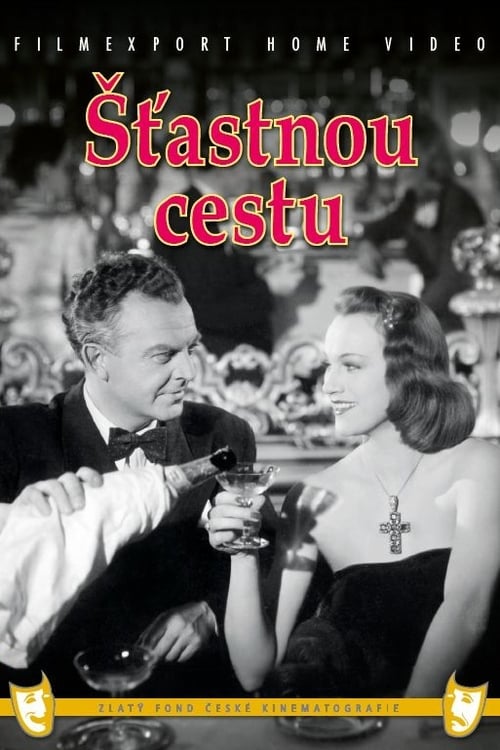
Filmed during the Nazi occupation, this panoramic drama set in a Prague department store follows the divergent destinies of four female coworkers, each of whom seeks happiness in a different way.
Happy Journey
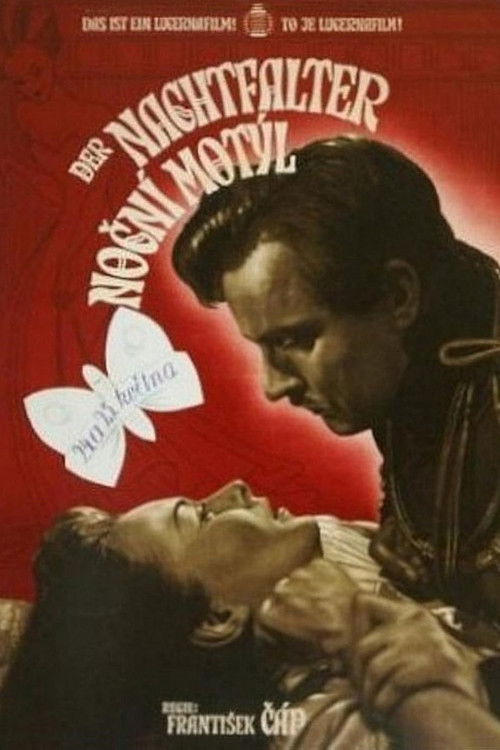
Marta Dekasová works as a governess in a garrison town. The beautiful girl is the center of attention of many men, but she only desires Lieutenant Varga, who is married and rejects her. Desperate, Marta throws herself into the arms of the most intrusive of her suitors, and is then dismissed in disgrace. She goes to Prague to live with her friend Kiki, becomes a bar singer, and continues her journey down the sloping surface. Hope for a new life dawns on her when a young student falls in love with her, but just then Varga appears in the bar and rekindles her unquenched feelings...
Nocturnal Butterfly
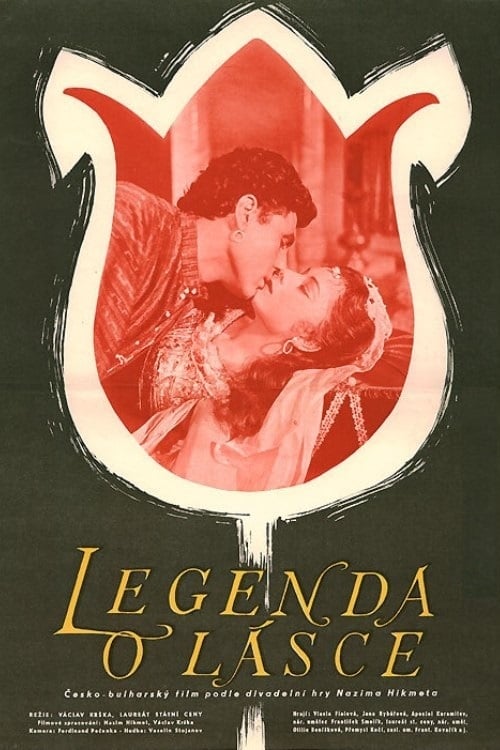
A spring is hidden in the Iron Mountain but the people of Arzen cannot get to it and they are suffering from thirst.
Legend of Love
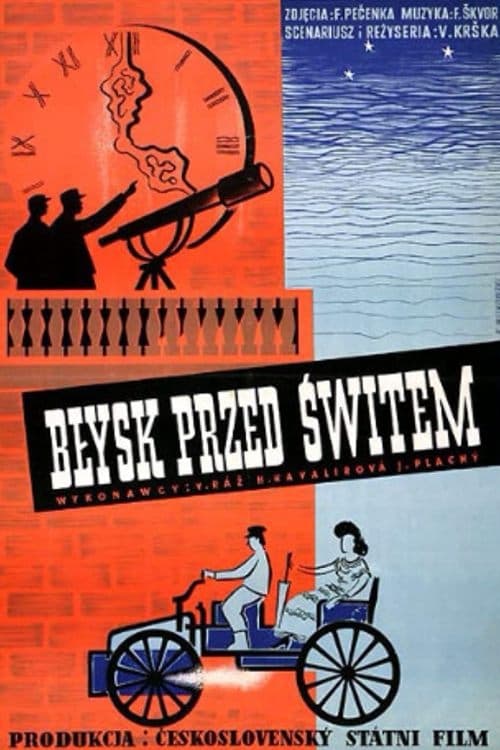
A biographical film about a Czech mechanic and designer who was the first in the Czech lands to construct a steam car.
Posel úsvitu
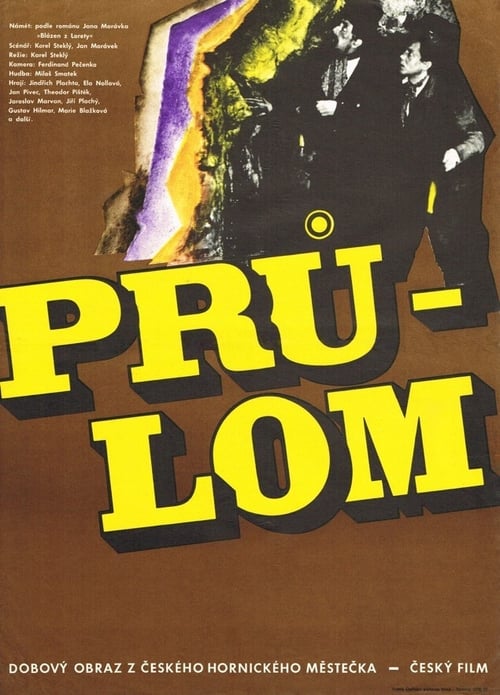
A small Czech town in the 1860s. The townspeople once made a fortune from the proceeds of gold mines that are now flooded. However, they do not want to invest in draining them, as they are convinced that it is not worth it. However, the cessation of mining has plunged the miners' family into poverty. After vain requests for help in the town and the governor's office, the miners decide to take action themselves...
Průlom
Věra Donátová has graduated from law school and wants to open a law firm. However, she is financially dependent on her parents. Her emancipated mother supports her efforts, but her father gives Věra money on the condition that if her practice is not successful within a year, she will marry the son of Consul Raboch. Věra has no clients. The first case is assigned to her ex officio. Věra visits her client Petr Kučera, known as Tygr, in a prison cell and achieves his release against his will. In an attempt to reform him, she offers him a position as a butler in his office. Tygr invites her to a pub to get acquainted with the mentality of the underworld. Věra likes his sovereign behavior. The one-year deadline has passed and Father Donát is throwing a feast. He wants Věra to choose from several invited suitors. Věra ridicules all the suitors, including Consul Raboch's son...
Advokátka Věra
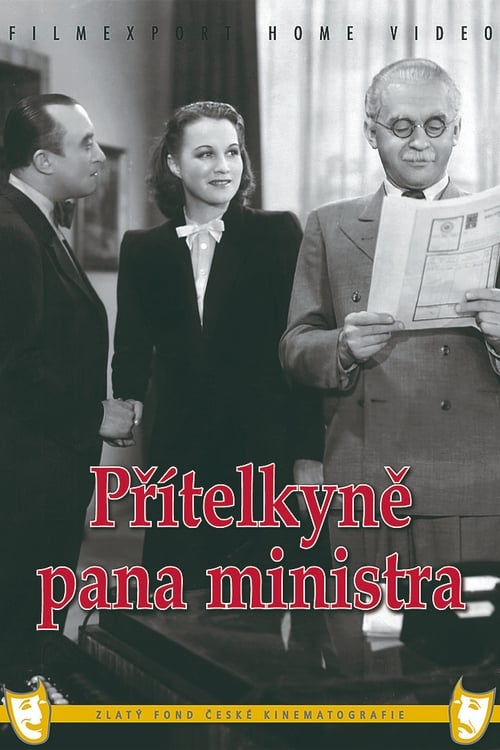
The main character of the funny story is an ordinary typist Julinka Svobodová, who works for the established business firm Hrubý a syn and lives in a sublet with the seamstress Mrs. Pokorná. Although she is poor and sometimes manages to be late, she is still cheerful and pleasant. However, a small coincidence is enough and everything changes. That is when she takes an elevator ride with the Minister of Trade, Dr. Horák, who coincidentally lives in the same building. Mrs. Pokorná, in good faith, hints to the inquisitive landlady that Julinka is the Minister's girlfriend. From the talkative woman, an innocent rumor spreads like wildfire and, surprisingly, it helps the girl in every way...
Přítelkyně pana ministra
A documentary about the 11th All-Sokol Rally in Prague in 1948, focusing in the first part on performances by schoolchildren, youth days, and their parade.
Píseň o sletu – I. část – Mládí
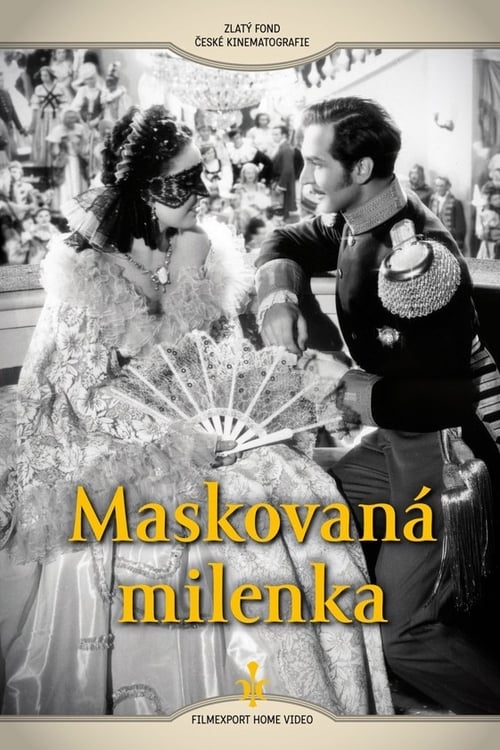
A romantic story of a noble lady who wanted to live without the bonds of marriage, but her desire for a child led her - carefully disguised - into the arms of a young nobleman. Only years later did she believe in his love and make herself known.
The Masked Lover
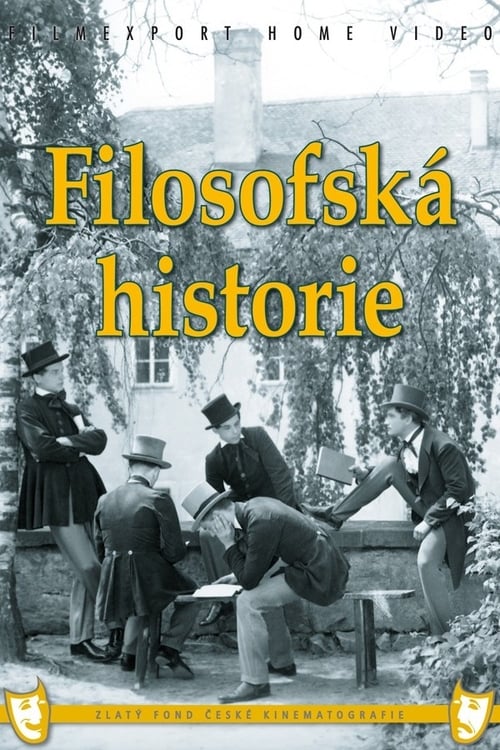
A student rebellion precedes revolutionary events in Prague.
History of Philosophy
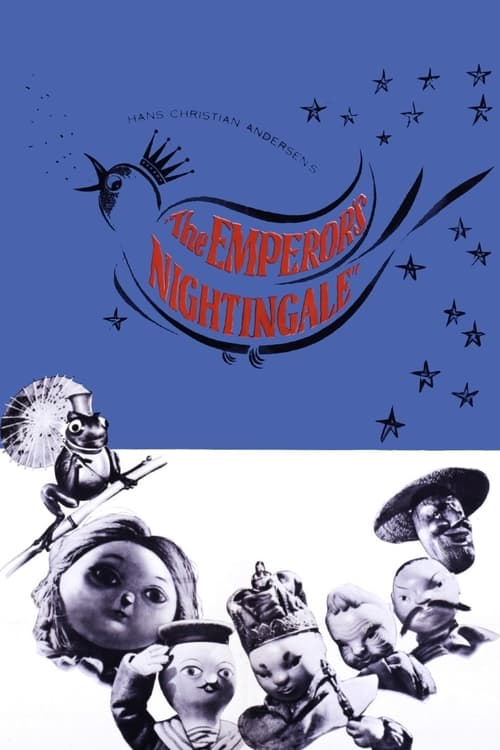
Adaptation of a fairy tale by Hans Christian Andersen, about an emperor who prefers the tinkling of a bejeweled mechanical bird to the song of a real nightingale. When the Emperor is near death, the nightingale's song restores his health.
The Emperor's Nightingale
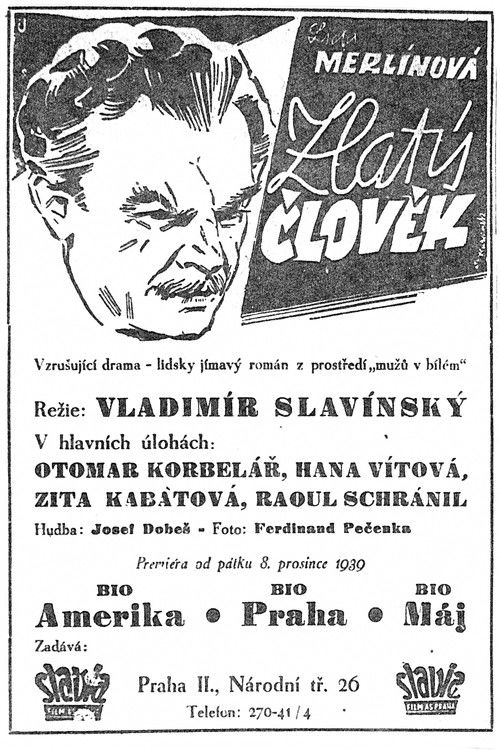
No description available.
Zlatý člověk
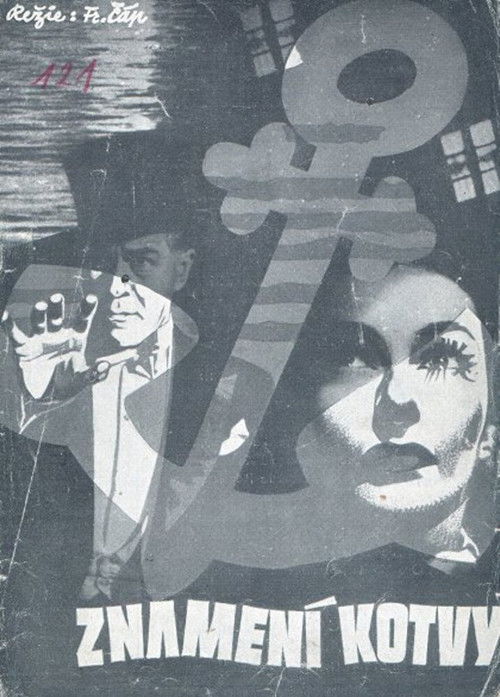
The mysterious story of a young girl Pavla, who mysteriously disappeared from her mother five years ago, takes place in the dark corners of the Bratislava port. The girl was kidnapped by the hypnotist Lascani, who performs in a variety show and has just arrived in Pavla's hometown on his travels. He completely controls his victim and Pavla doesn't remember anything. She has to act as his "medium" with Lascani and even has to be his lover. However, a young boatman, Franta, falls in love with the girl and tries to free her...
Sign of the Anchor
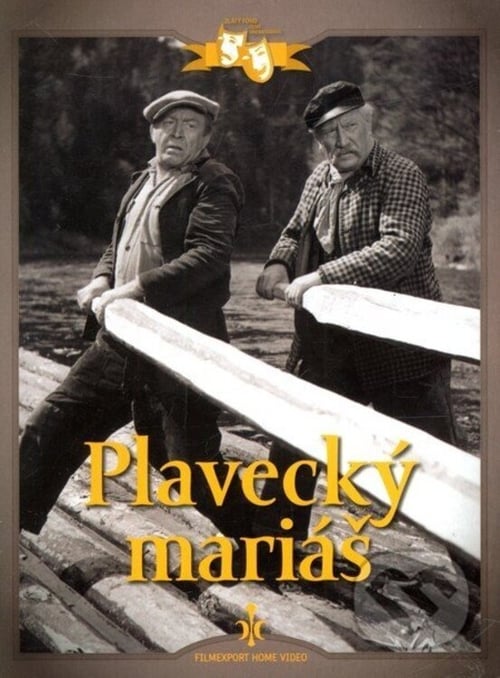
In the past, most of the wood from the mountain forests was transported to the sawmills by river. The rafters were gradually replaced by trucks and railways, but they still remember the days of their glory and the romance of water travel. Two experienced old swimmers, Váň and Šindelář, managed to push for a return to the old way, at least for one trip. They got a group of like-minded enthusiasts and rafts made of logs can set off down the river...