Acting
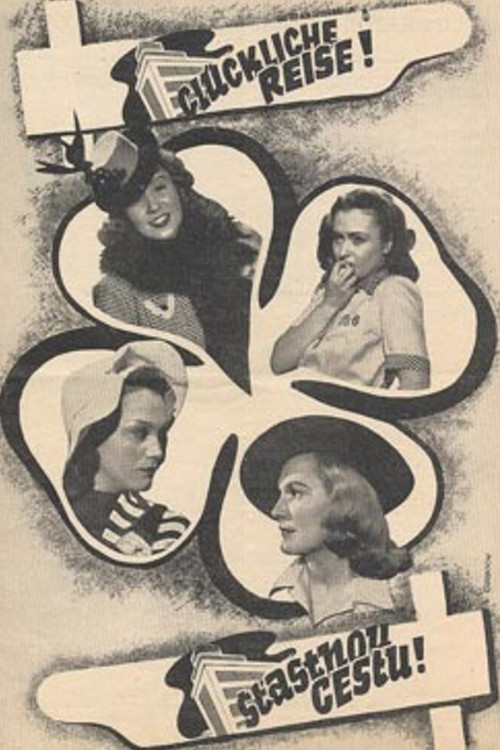
Filmed during the Nazi occupation, this panoramic drama set in a Prague department store follows the divergent destinies of four female coworkers, each of whom seeks happiness in a different way.
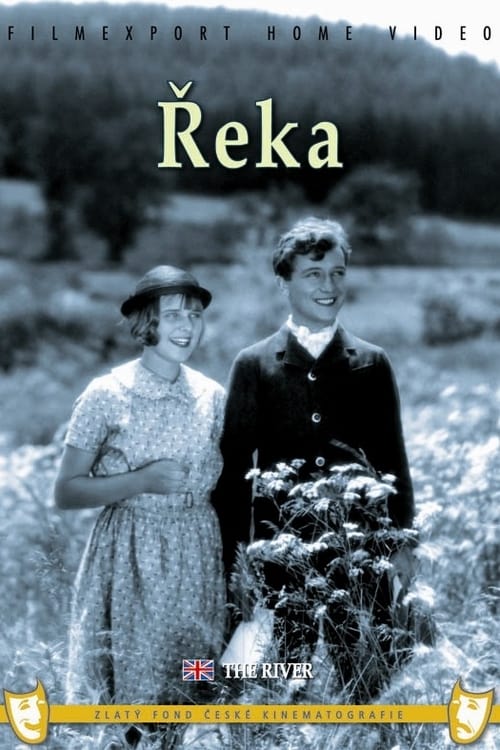
The story of love, between a sturdy village boy and a gentle country girl, filmed with a movingly genuine charm.
No description available.
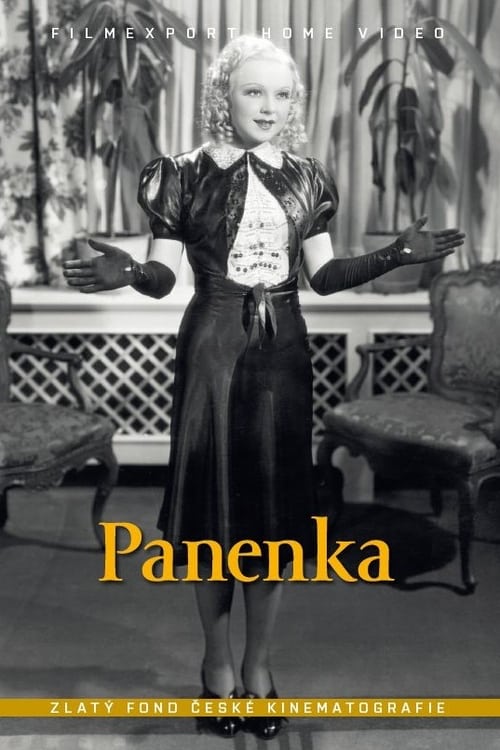
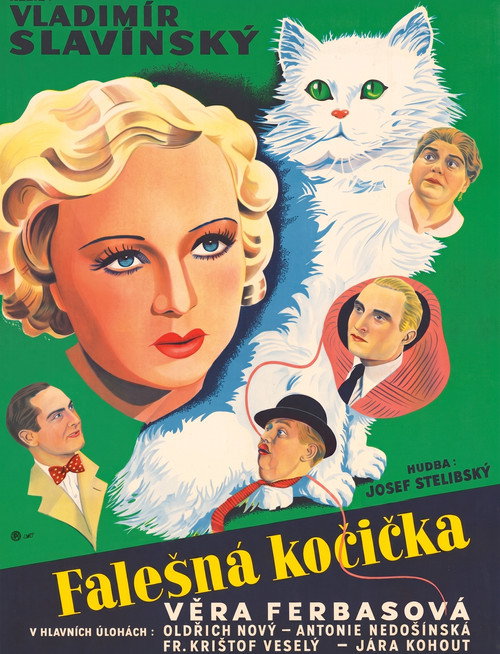
The likeable and charming Vanda Karhanová has problems in every job because of her appearance. So when she is about to start a new job, she decides to decisively prevent similar problems. She adjusts and dresses in a way that men do not notice her and do not pay attention to her. She has no idea that she will cause even more problems for herself, and not only because she now bears an uncanny resemblance to the millionaire Czech-American Ruth Baretová, who ran away from home to avoid getting married. First, Vanda is mistakenly arrested and ends up in the police station, so she cannot return to work. At the factory, they suspect her of having disappeared with a large sum of money that they had entrusted to her to deposit in the bank. Then the whole situation is complicated by the arrival of the real Miss Baretová.
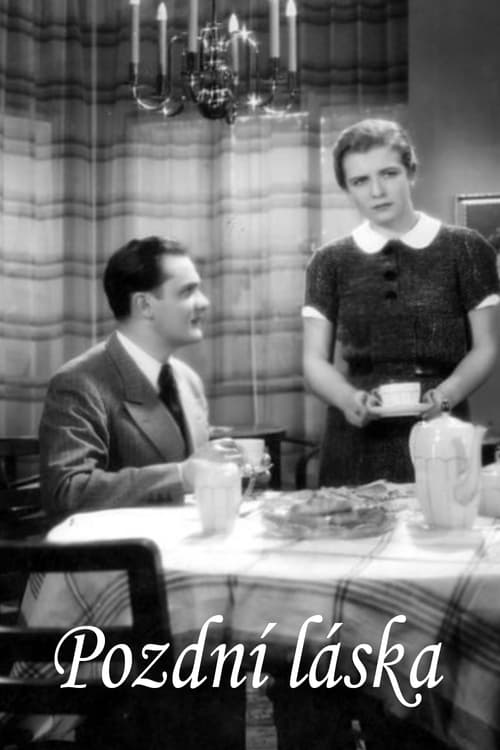
Gabriela Tuzarová still loves her husband Petr very much, even though he has cooled off towards her. Petr is an accountant in a printing house. He secretly speculates on the stock market and maintains a relationship with the owner of the company, Šeborová. He speculated on Gabriela's dowry and thirty thousand crowns, which he borrowed from the company treasury. The famous conductor Štěpán Tuzar, Petr's brother, arrives in Prague. Štěpán is enchanted by Gabriela...
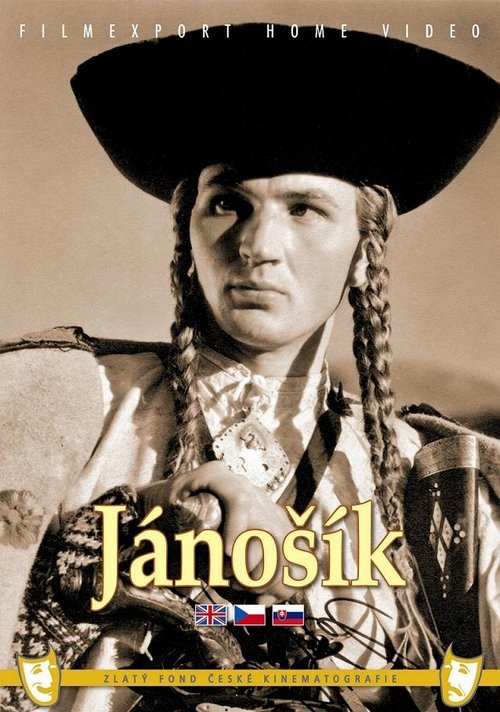
Jánošík has been topic of many Slovak and Polish legends, books and films. According to the legend, he robbed nobles and gave the loot to the poor. The legend were also known in neighboring Silesia, the Margraviate of Moravia and later spread to the Kingdom of Bohemia. The actual robber had little to do with the modern legend, whose content partly reflects the ubiquitous folk myths of a hero taking from the rich and giving to the poor. However, the legend was also shaped in important ways by the activists and writers in the 19th century when Jánošík became the key highwayman character in stories that spread in the north counties of the Kingdom of Hungary (present Slovakia) and among the local Gorals and Polish tourists in the Podhale region north of the Tatras.
Věra accepts the offer of her friend Kajetán, who arranges a position for her in Dominik's puppet factory. The spirited girl impresses her employer, Antonín Dominik, so much that he falls in love with her. Dominik's mother notices her son's interest in Věra and immediately fires her. Kajetán, who works in the studio of sculptor Výr, who is engaged in the production of mechanical puppets that can be used to advertise goods, asks Věra for help...
Adam Kavalír returns from abroad to take over the family factory from his father. But as a consequence of his father's bohemian lifestyle the business is so far in debt that the Kavalírs even lose their villa and must find a place to sublet. Mrs. Trojanová is no longer up to managing her pension, the co-owner of which is none other than her peevish daughter Eva, and she is looking for a capable manager. Adam applies for the position and is accepted.
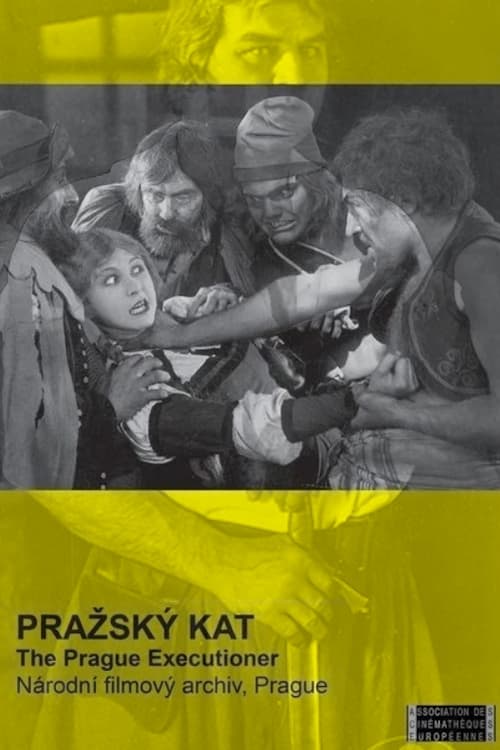
Rudolf Měšťák’s silent film The Prague Executioner, based on the novel of the same name by Josef Svátek, is a historical tale of love, betrayal and revenge.
After her mother's death, Jana is forced to leave her native village because her house has been sold. She searches in vain for work in the surrounding area. A young farmer named Michael finds the exhausted girl in the woods and takes her to the farm he runs with his older brother, Petr. Jana soon recovers and stays on as the housekeeper. The carefree Michael seduces her, and she falls in love with him. Michael is called up for military service in Prague, where he gives himself over to a dissolute lifestyle.
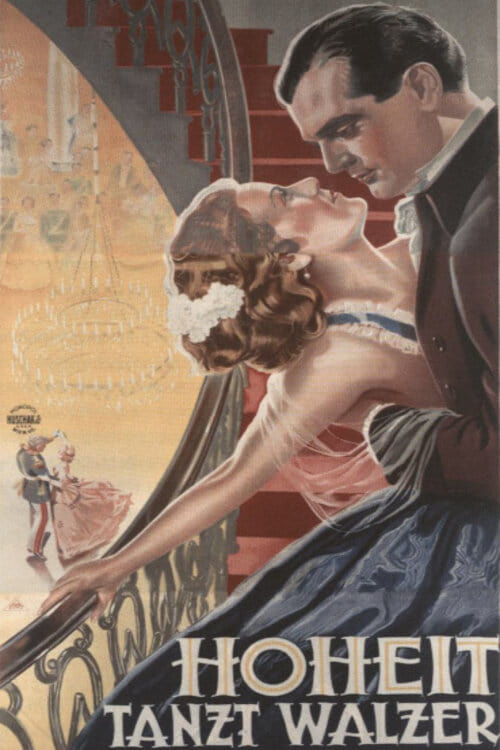
The young musician and composer Josef lives with Beethoven's music copyist in Grinzing. In the evenings, he plays for dances in the Prater, often his own melodies, although he doesn't make much effort to spread them, as they're almost all waltzes, a dance not well-regarded in high society because they're too sweaty. When one evening a lively princess—fresh from the convent—mingles incognito with the Prater crowd and falls in love with the dashing conductor Josef, an entire cultural system of values begins to crumble.
A fortune teller predicts that Dr. Přelouč will marry the third poor girl he meets. Míla, the daughter of factory owner Janota, likes the doctor and, with the help of his housekeeper Amálka, sneaks into his home disguised as a poor shoelace saleswoman. She first prepares for her role by exploring the outskirts, where she meets Vendelín Pleticha, who becomes her guide to the local pubs and her teacher of the vernacular. Dr. Přelouč is enthusiastic about the poor, uneducated girl and tries to teach her the basics of social behavior and standard language. All this until he discovers that Míla has deceived him and that Pleticha is not her father, as she had claimed...
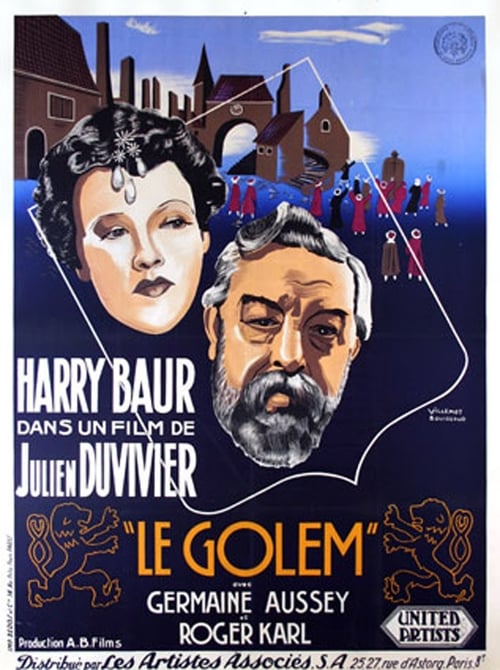
The Golem, a giant creature created out of clay by a rabbi, comes to life in a time of trouble to protect the Jews of Prague from persecution.