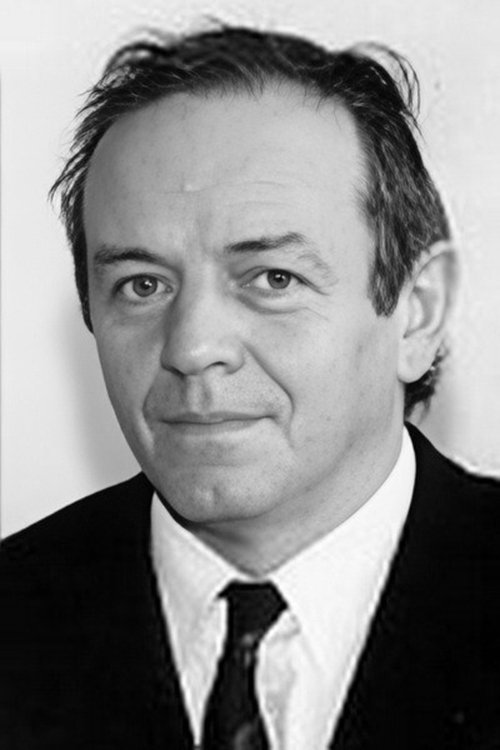
Jerzy Fedorowicz
Acting
Known For
The Ten Commandments, exact and uncompromising, literally cast in stone, continues to provide a source of moral conflict in contemporary society. In the ten part epic masterpiece, The Decalogue, Krzysztof Kieslowski examines the dilemma of fundamental sin in the lives of ordinary Warsaw citizens.
Dekalog
The year is 1940 and Nazi Germany is at the height of its military prowess, having captured most of Europe and eyeing the Soviet Union to the East. The Russian military command suspects hostile intent from Germany and so arranges for its spies to infiltrate ranks of the German military and the SS. Alexander Belov is a Russian spy, who travels from Soviet-held Latvia to Nazi Germany under an alias of Johann Weiss. His mastery of the German language, steel nerves and an ability to manipulate others help him to use his connections in the SS to ascend the ladder of the German intelligence. He uses his position to identify sympathetic Germans, who help him to procure vital intelligence, and to help local resistance movements in their collective fight against Nazism.
The Shield and the Sword
Ekipa is a Polish political drama TV series created and directed by Agnieszka Holland, aired from 13 September 2007 until 6 December 2007 on Polsat. Ekipa is the second Polish political fiction series after the 1980s miniseries The Career of Nicodemus Dyzma.
Ekipa
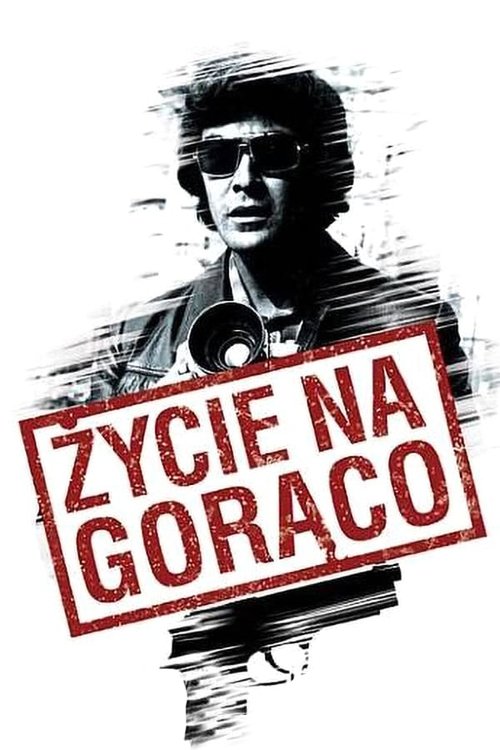
No description available.
Życie na gorąco
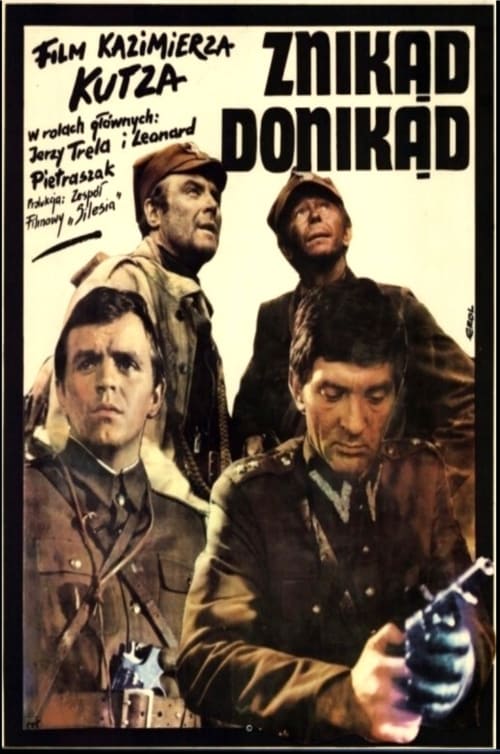
The Home Army's battles against the communist authorities in the Żywiec region.
Znikąd donikąd
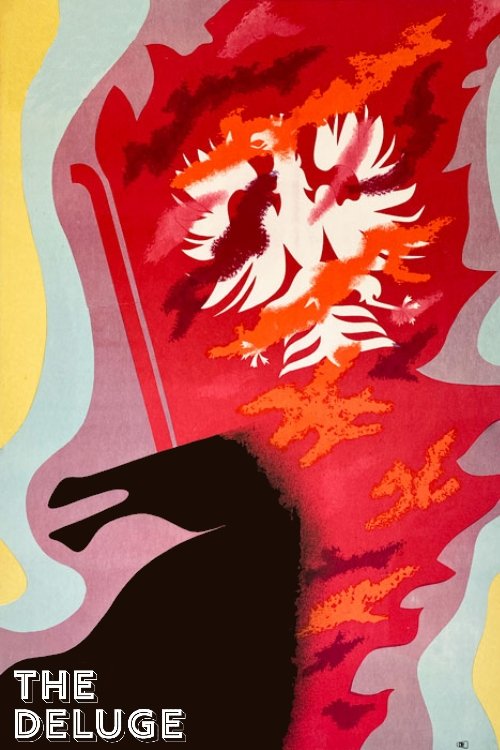
During the Swedish invasion of Poland, the brave warrior Andrzej Kmicic, considered a traitor to the nation, fights for a country, redemption and love across the 17th-century Polish territories.
The Deluge

Dorota Geller, a married woman, faces a dilemma involving her sick husband's prognosis. Her husband's doctor, who believes in God, sweared about it in vain.
Decalogue II

Despite the anti-Semitic campaign launched by the Polish People's Government in the late 1960s, director Jerzy Hoffman finishes working on the film Pan Wołodyjowski. It becomes the ticket to the production of Potop, the most expensive film in the history of Polish cinematography. During his work, the director not only has to deal with mounting production problems, the distrust of the People's Government, but also with the expectations of millions of Poles.
The Deluge: Postscriptum
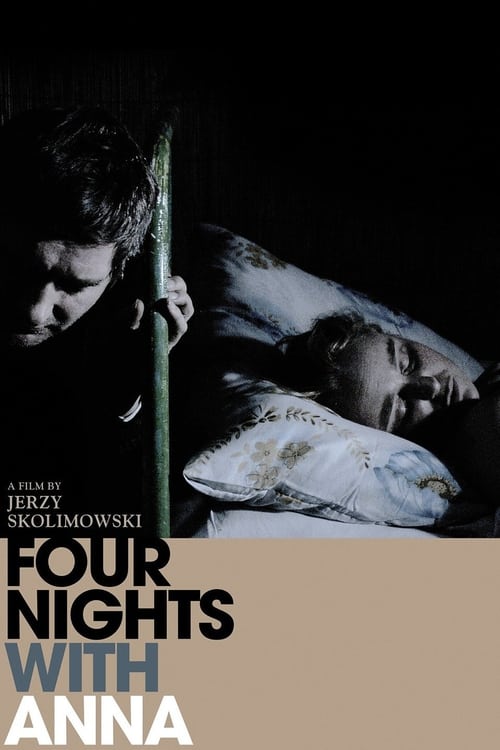
Leon falls in love with a nurse and obsessively tries to get close to her.
Four Nights with Anna
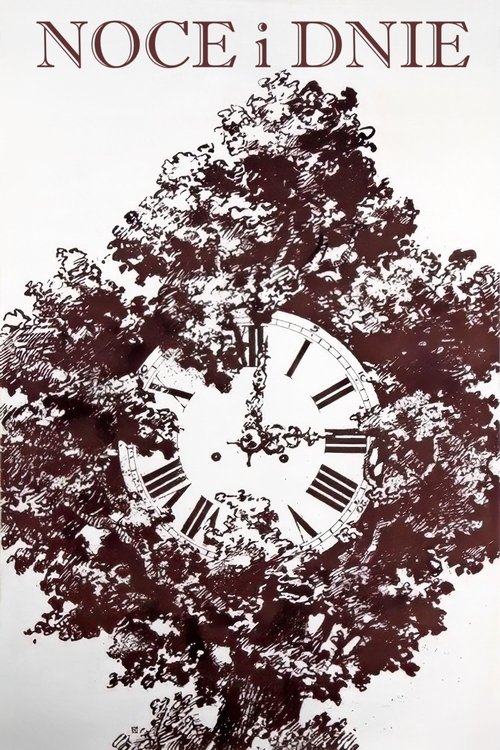
A family saga of Barbara Ostrzeńska-Niechcic and Bogumił Niechcic against the backdrop of the January Uprising of 1863 and World War I. The film is a rather straightforward and faithful adaptation of a novel by Maria Dabrowska with the same title. The plot is woven around the changing fortunes of a noble (upper-class) Niechcic family in the pre-WWI Poland. There are two main crossing threads: a social history one and an existential one.
Nights and Days
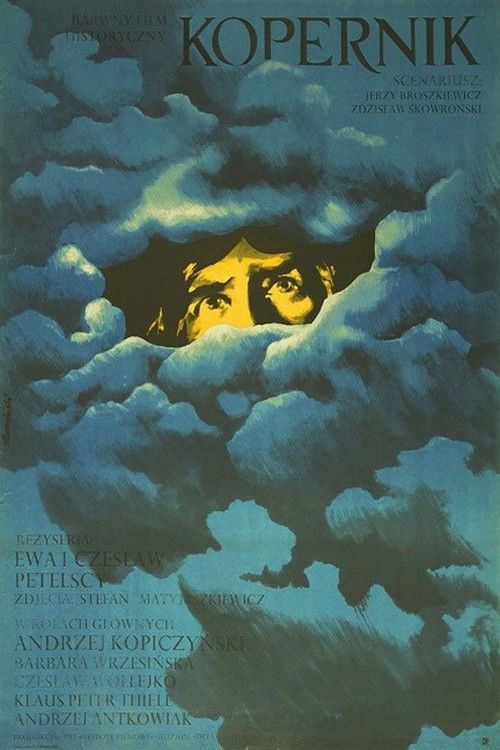
A biography of Nicholas Copernicus covering 50 years of the astronomer's life - from his studies in Europe to his theological work all the way to the creation of his magnum opus, On the Revolutions of the Celestial Spheres.
Copernicus
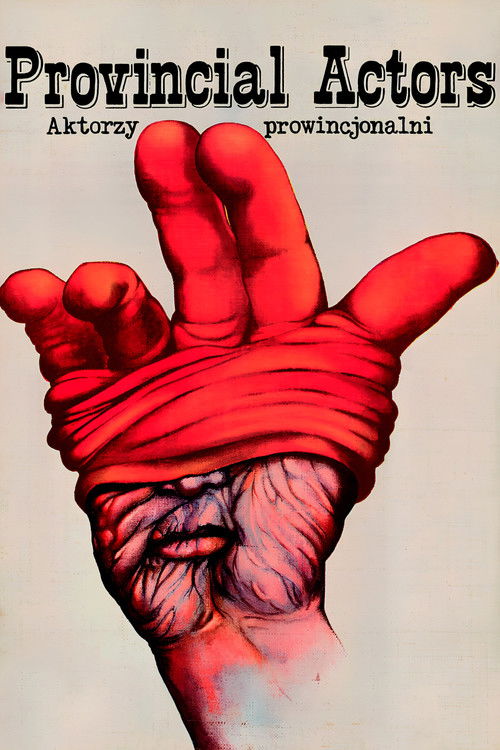
The film is set in a small town near Warsaw, to which a young and coming director comes to produce a classic play (Wyspianski "Wyzwolenie") with a modern vein. Everyone in the production gets his usual stereotypical role, but the aging idol of the ensemble senses opportunity to give the performance of his life. For young director everything is already set. The leading man, however, is not giving up and is trying to restore the role according to his view. His wife listens to his fears, complaints and frustrations, while resigning herself to a fading career in a puppet theatre.
Provincial Actors
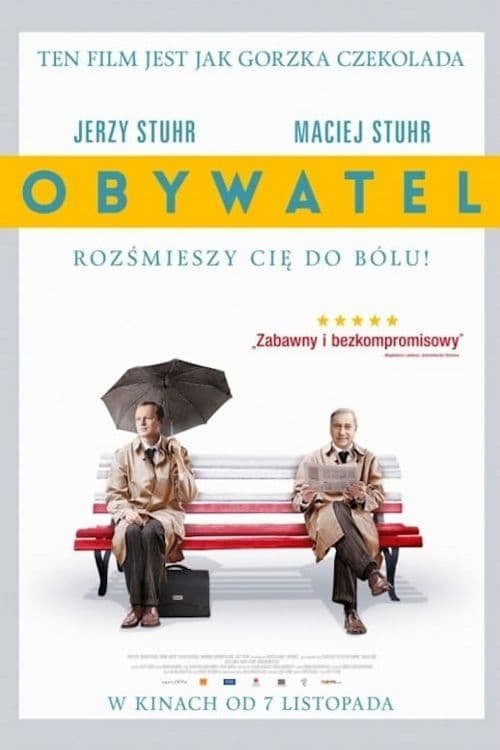
An attempt at depicting the life of a generation born and raised in communist Poland; a generation that lived through all the stages of that system and made it to democracy. Throughout his life, the film's protagonist has always tried to be active, but something always got in his way, either through an absurd coincidence, as a result of his own lack of ability, or due to the unpredictable nature of certain events in our recent history.
Citizen
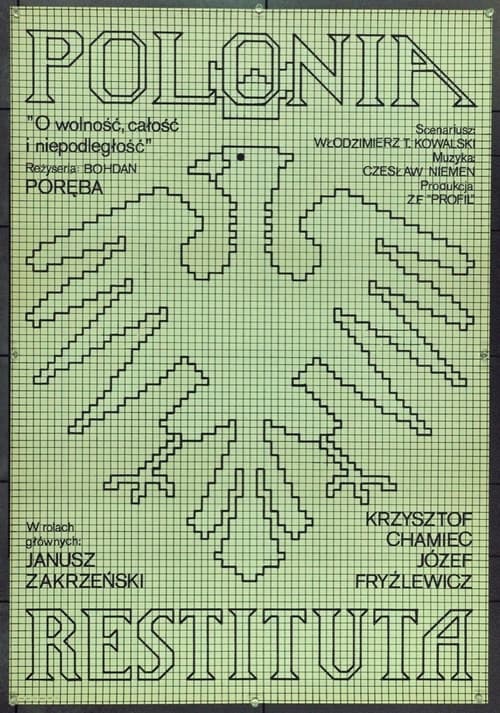
A two-part historical film covering the years of the First World War and the post-war period up to 1919 - until the signing of the peace treaty in Versailles near Paris. An attempt to show the great and complicated process of regaining an independent existence by a nation within its own state. The screen shows characters from history textbooks: Józef Piłsudski, Ignacy Paderewski, Roman Dmowski, Wojciech Korfanty as well as representatives of the world political scene, incl. David Lloyd George, Woodrow Wilson, Georges Clemenceau, Vladimir Lenin and others.
Polonia Restituta
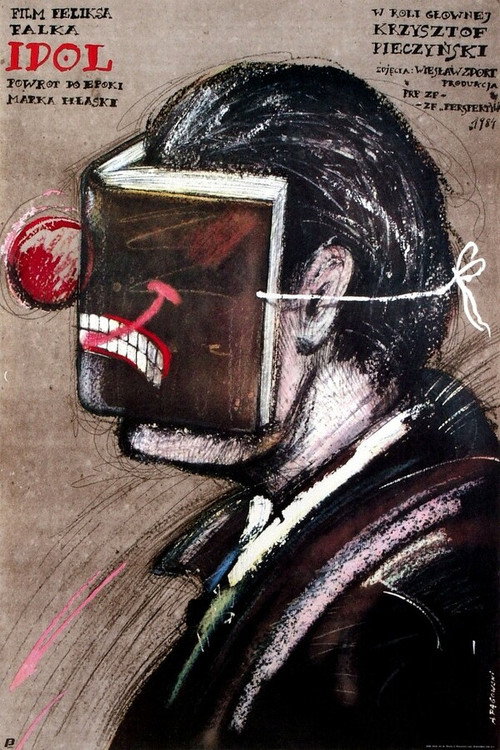
In 1969 a young writer decides to write an essay on a well known Polish writer, who had to leave the country in the 50's, later living, working and dying in exile. He slowly assembles the character and even the exterior appearances of his idol until his own identity tragically disappears.
Idol
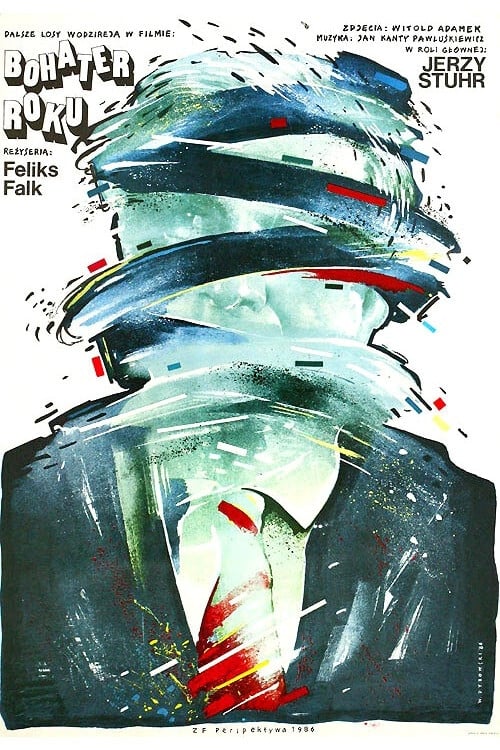
The early 1980s. A former entertainment industry star is now selling leather goods. One day, he watches a TV interview with a department store employee who smelled gas leaking and prevented a tragedy in time. This gives him an idea. With the support of his journalist friend Lutek Danielak, he begins to organize a series of meetings with the "hero of the year" across the country. He hopes that this will help him make a comeback in the industry. The meetings gain momentum. Lutek accepts the offer to host the final "Miss Polonia" contest.
Hero of the Year
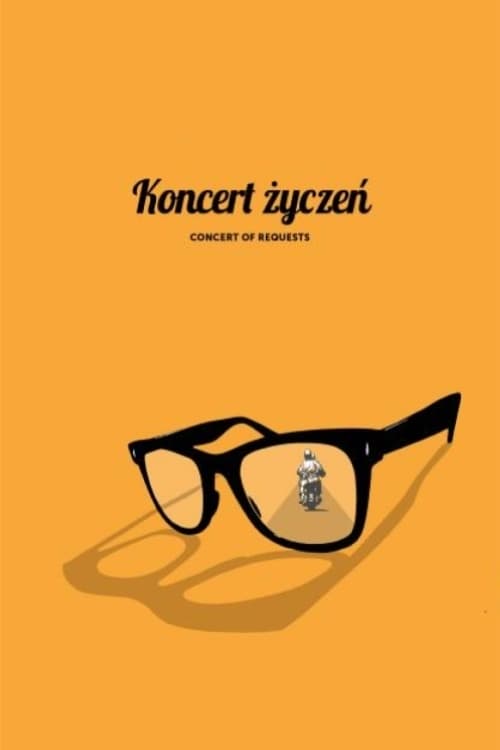
A young couple leave a lake campsite on motorbike at the same time as a bus full of youths. The boy accidently loses a tent along the road which is picked up by those in the bus who offer a trade of the tent for his girl.
Concert of Requests
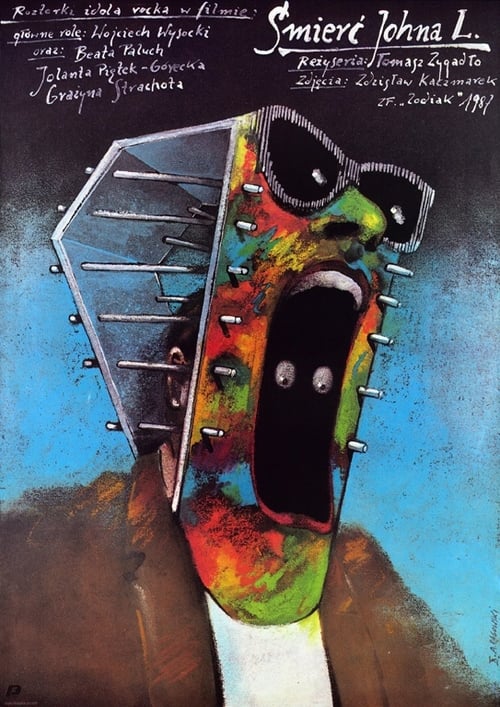
Zbigniew Gąsior, a thirty year old singer, is a youth idol. Despite fame, money and success with women he can't neglect the emptiness in his life.
The Death of John L.
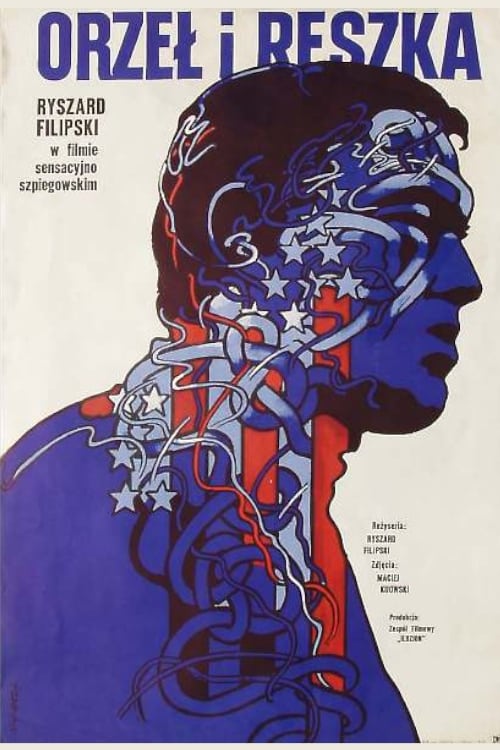
In spring of 1954, thanks to amnesty, Marcin Nowak - a political prisoner - get released from prison and tries turn his life back to normal
Heads and Tails
After graduating from vocational school, Rafał Michalski tries to pass to a technical school, which fails. Takes a job in a car factory - in a locksmith shop. The shy boy becomes the object of his friends' jokes. She also finds no support in the family - her mother is busy running the house, her sister is preparing for her exams for studies, and her father has an absorbing job. At work, Rafał meets the nice Hanka. Maybe friendship with her will turn into a deeper feeling?