Emil Hegetschweiler
Acting
Known For

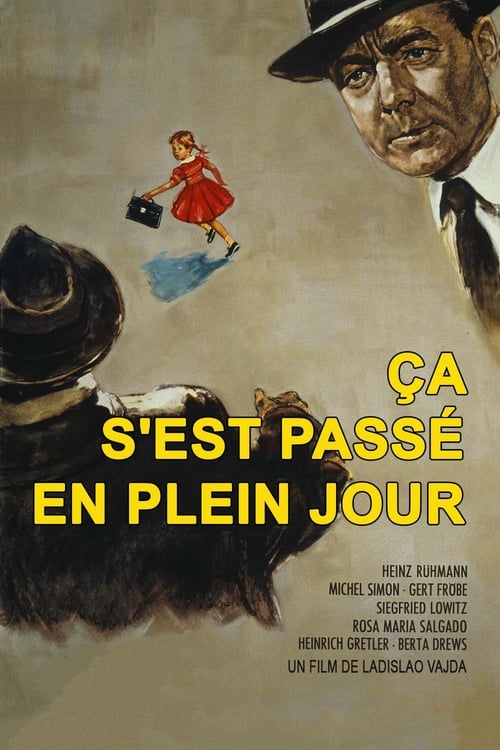
The search for a child murderer drags a once-respected detective into an all-consuming obsession.
It Happened in Broad Daylight

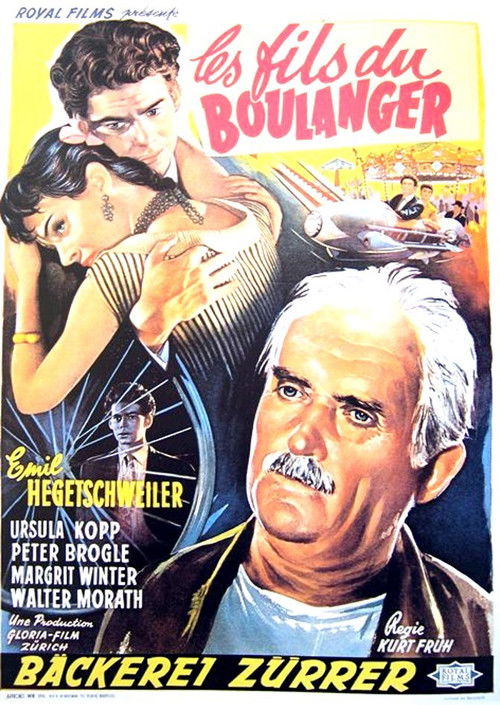
Widowed baker ZĂĽrrer has to raise his three children, who all turn out to be disappointments to him in various ways.
The ZĂĽrrer Bakery

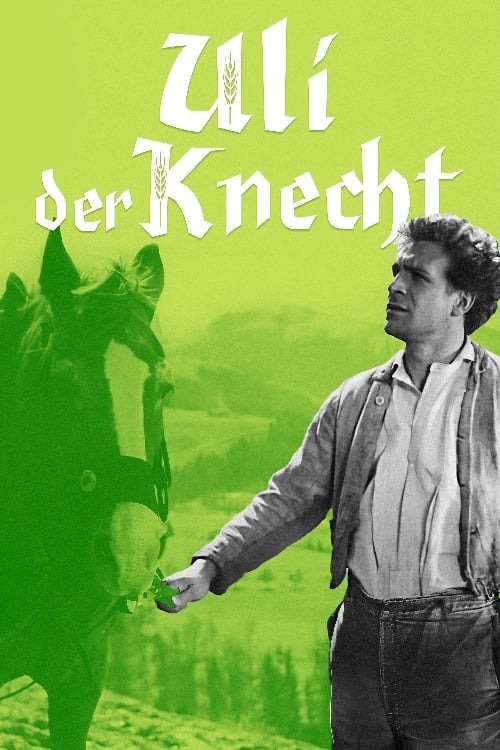
The film traces Uli's progress from his humble peasant surroundings to the homes of the wealthy and prominent. The characterizations are convincing, and the comic interludes surprisingly subtle and believable for a Swiss film. The no-star cast doomed Uli Der Knecht from the start so far as American distribution was concerned. It was another matter in Switzerland, where the film was one of the year's top moneymakers. Uli der Knecht was based on a novel by Jeremias Gottbelf.
Uli der Knecht
The story revolves around the confusion that arises when a supposed gold discovery in Valais divides the village community. The plot combines elements of a cultural film about old customs in the Lötschental valley with a naive storyline that achieves a strangely powerful effect through its simple realism.
Wie d'Warret wĂĽrkt

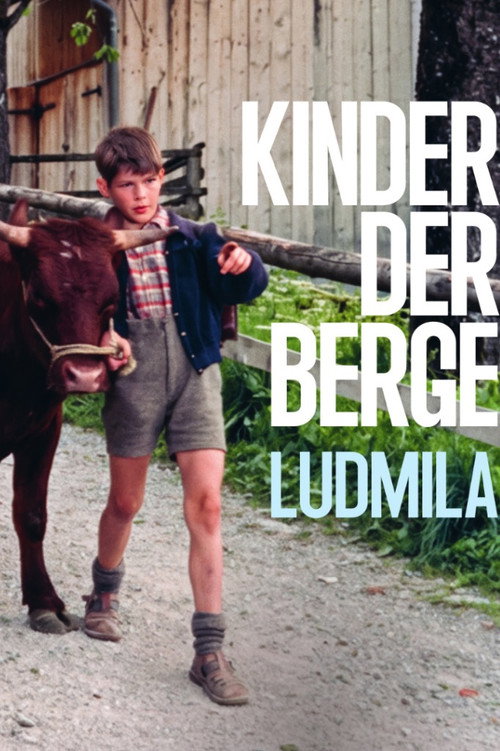
Josef Rainer is a road worker in a mountain village in Liechtenstein. His wife Marianne works as a waitress in a restaurant to improve the meager housekeeping money. Some people ask themselves why she has married that poor devil since she could have married into money. But she stays to the keen wood carver. He works out fantastic objects of tree roots, but villagers jeer at him. The family dreams to get a cow of their own to be more independent. One day Josef scrapes together all savings and goes to the cattle market. Due to lack of money, a clever farmer palms a skinny, sick cow off on him. The children Hansli and his friend Ludmila take the cow to their heart. Ludmila even lends her name to the animal. Some time later Josef falls from a mountain and is unable to work for a long time. So a decision is made that cow Ludmila which produces no milk has to be slaughtered.
Children of the Mountains

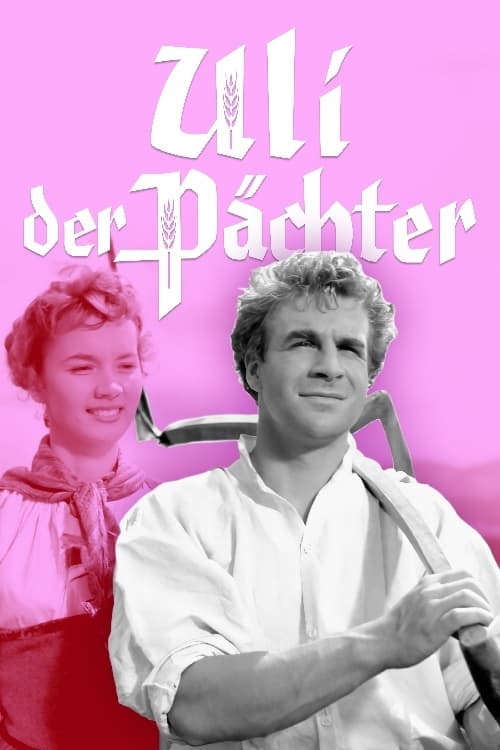
Uli has been the tenant of the "Glunggen-farm" for two years. His wife Vreneli gave him two children and the couple is happy. But this year, the harvest looks bad and his landlord calls in the rent, as the old man urgently needs money to satisfy the demands of his son and stepson. Desperate to make ends meet, Uli fraudulently sells a cow knowing that she does not produce any milk. He is pursued in court but is acquitted. But then, the buyer curses him... and disaster promptly strikes.
Uli the Tenant

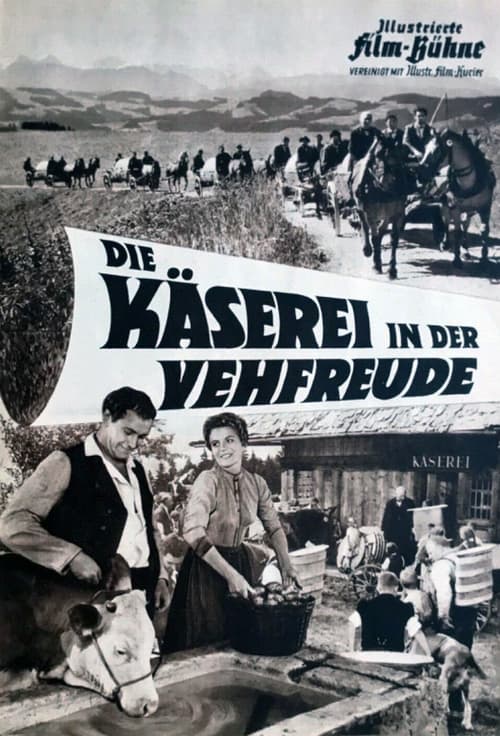
The farmers of a village decide to postpone the construction of a new school in profit of a concentration to cheese production. From a novel by Jeremias Gotthelf.
The Cheese Factory in the Hamlet

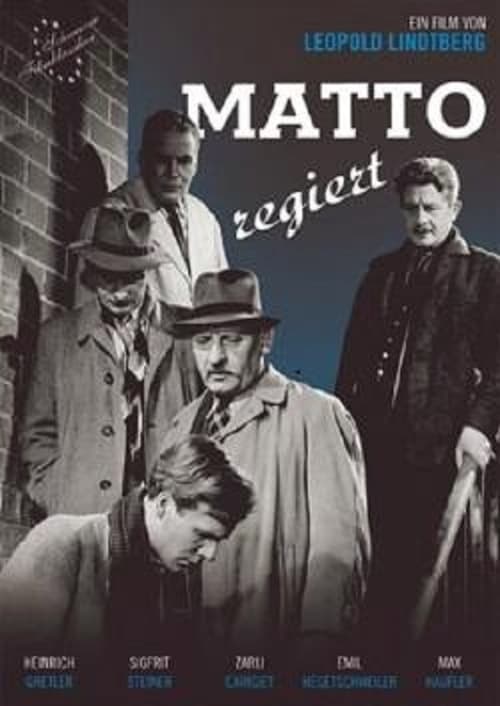
If any one man is responsible for the rejuvenation of the postwar Swiss film industry, that man was director Leopold Lindtberg. Matto Regiert (Madness Rules) was co-adapted for the screen by Lindtberg from a novel by Friedrich Glauser. Heinrich Gretler stars as Police Constable Studer, the hero of several of Glauser's most popular works. This time, Studer must solve the murder of the director of an insane asylum -- and it's not (surprise, surprise) the most likely suspect, manic-depressive patient Herbert Caplaun. For box-office purposes, Matto Regiert stresses a romantic subplot involving Caplaun and nurse Irma Wasem.
Madness Rules

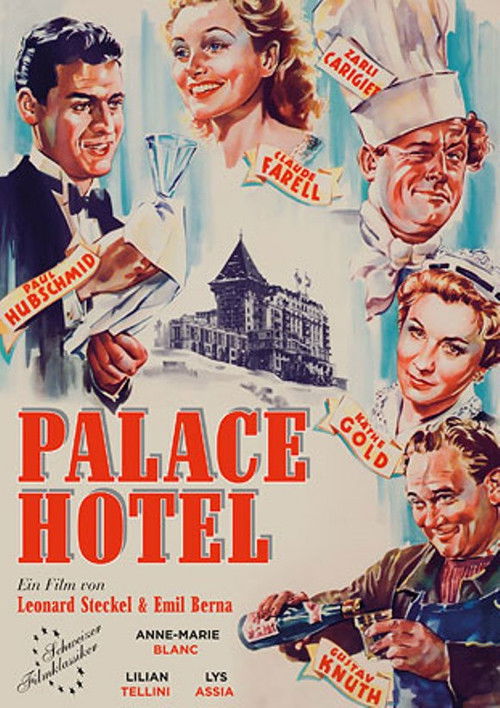
The paths of guests and employees cross at the Palace Hotel in St. Moritz: A chambermaid experiences financial difficulties. A guest has been robbed. A thief is caught. An assistant cook is promoted to waiter. And there’s no shortage of love in this small world of the great Hotel Palace. Keeping an orderly eye over proceedings is the hotel’s beautiful patron, whose heart is in the right place.
Palace Hotel

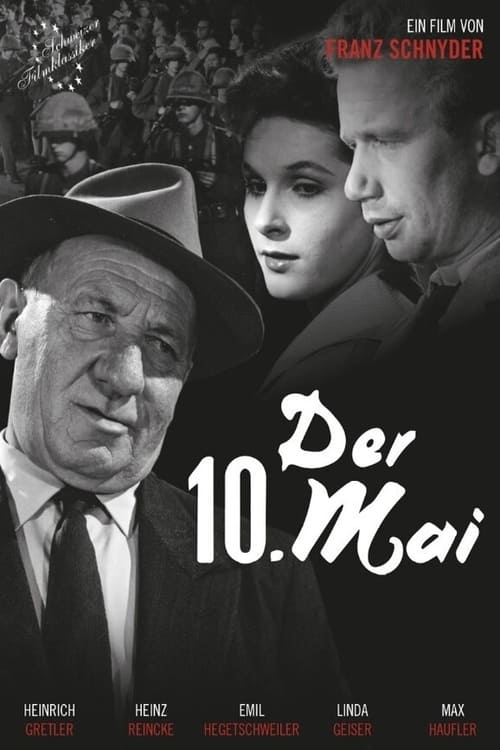
Der 10. Mai (The Tenth of May) was the date in 1940 that Hitler invaded the Low Countries: Belgium, Holland and Luxembourg. Neutral Switzerland, which hadn't experienced a war since the 14th century, hurriedly fortified its borders with battalions of inexperienced soldiers. The panic, confusion and isolated acts of courage which occurred on that fateful day are re-created in this Swiss docudrama. The story is "personalized" by concentrating on a fugitive German soldier (Heinz Reincke) who falls in love with the Swiss girl (Linda Geiser) who shelters him. Produced on a bare-minimum budget, Der 10. Mai is impressive more for its sincerity and raw energy than for its actual cinematic merits.
Der 10. Mai

In Bern above Junkerngasse 54 the caretaker has died - the old Hutzli. On the day on which he was buried, it's started again, this howling in the middle of the night - scary. Since then, no one dares to live there.
Das Gespensterhaus

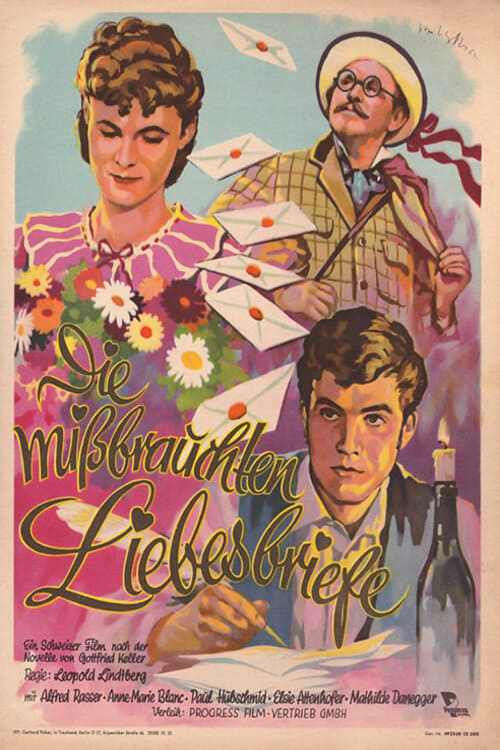
While on a longer business trip, a wannabe poet urges his beautiful but more simple wife to answer his overly swollen love letters. With no idea how to respond she forwards the letters to a new young school teacher to use his answers instead...
The Abused Love Letters

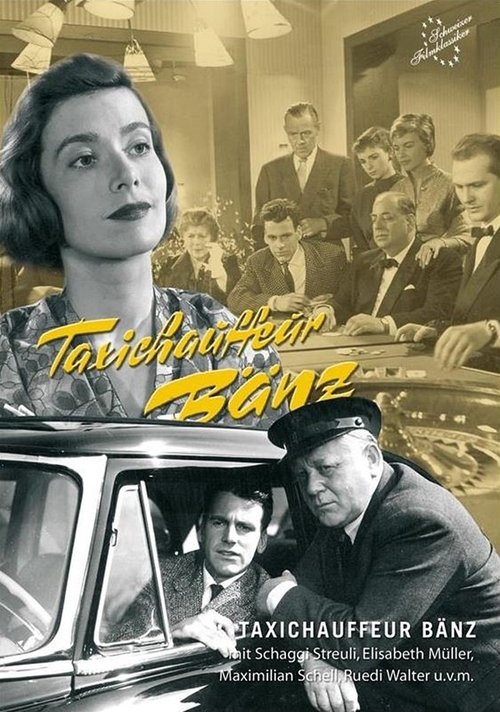
Oscar Bänz is a solid, middle-class taxi driver and widower. He loves his daughter Irma with all his heart. In order to provide for her, he has not remarried. Irma, a quiet, intelligent young woman, is studying medicine. To finance her education, Bänz rents a room to Toni Schellenberg, a young man from the countryside with a promising future as a soccer player. But the big city, easy money, and superficial friends cause Toni to neglect his training and evening classes, and eventually his employer fires him. Irma, who has fallen in love with the handsome athlete, asks her father for help. He is finally able to find Toni a job as a taxi driver. But when Irma attends a student party and also agrees to a date with the senior physician Dr. Zbinden, Toni feels neglected.
Taxichauffeur Bänz

A hairdresser is being recruited during World War I by the Swiss military where they turn this soft civilian into a 'real man'.
FĂĽsilier Wipf

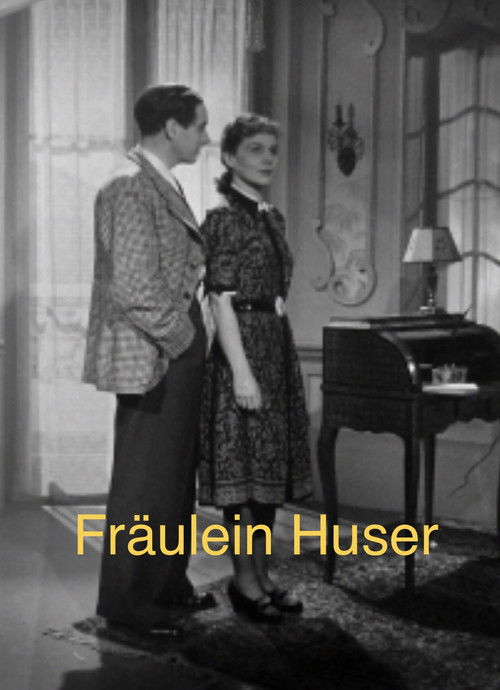
No description available.
Fräulein Huser

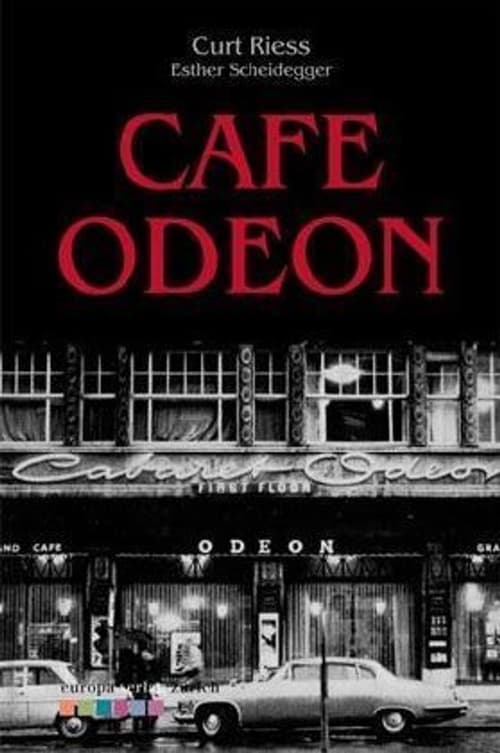
A "milieustudie" about a girl going to the famous Cafe Odeon and trying to make ends meet.
Café Odeon

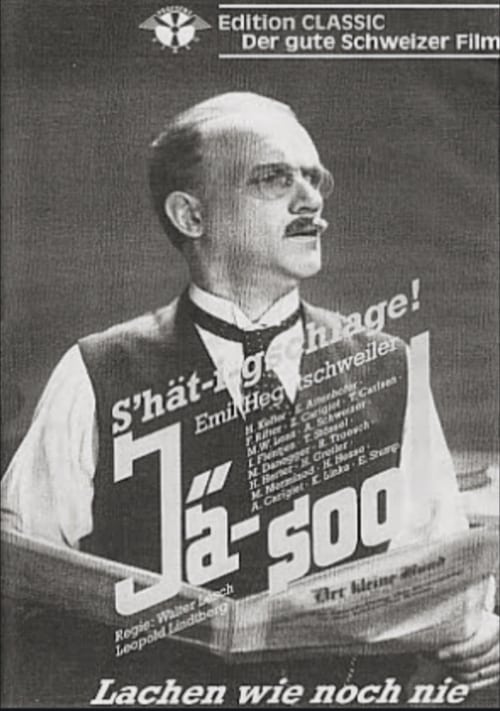
Provincial shop owner Jakob Stäubli and his wife Frieda are looking forward to celebrating Christmas together with their daughter Nelly. But Nelly doesn't come. She prefers to celebrate in the city in the company of her new boyfriend André, a "better gentleman." The saddened Stäublis decide to sell their shop and move to Zurich as well. As they explore the city together after the move, the two country bumpkins find themselves in all sorts of turbulent situations. Father Stäubli is also exposed to erotic temptations when his daughter's lover sends a woman after him to get money out of him.
Jä-soo!

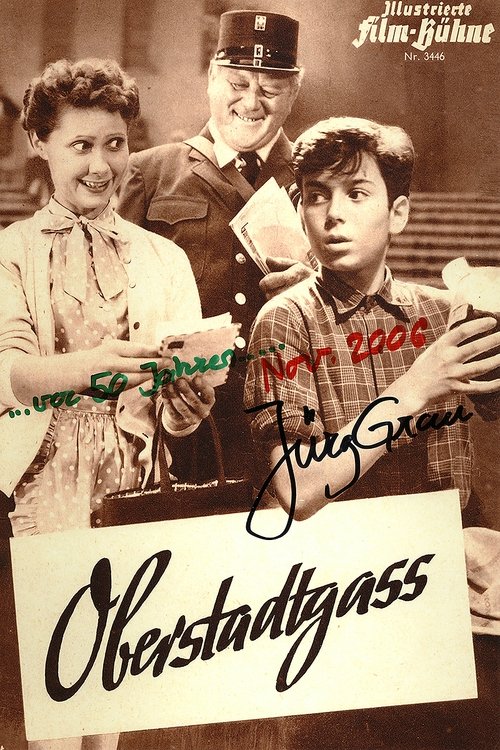
Realist melodrama set in Zurich. In the old town district, people are concerned about Mäni, the child of a toilet attendant, who is growing up without a father. Postman Jucker appeals to the boy's conscience and protects him from unjustified accusations. After Mäni's mother dies, Jucker, who has become the child's guardian, takes Mäni into his home. Mrs. Jucker does not accept the boy and accuses Jucker of forgetting their own deceased child. Mrs. Jucker flees to her sister's house. Mäni also runs away.
Oberstadtgass

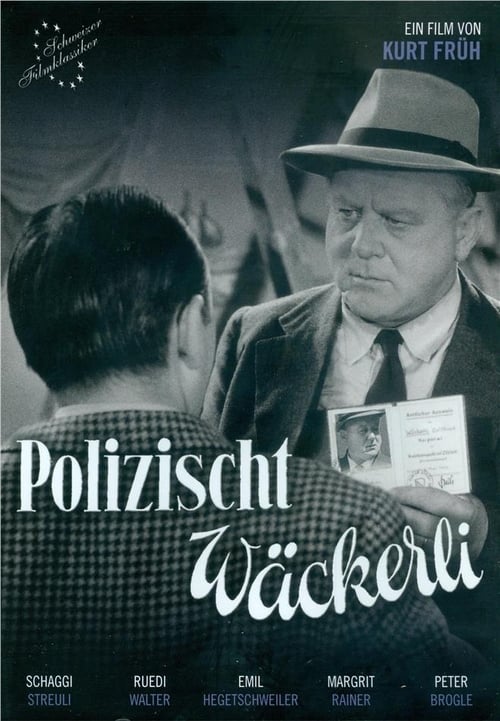
Wäckerli, policeman in the small Swiss village of Allenwil, is in trouble. His son Ruedi is unhappy in his apprenticeship and spends way too much money. And now 10'000 francs have been stolen from the bourough's community fund...
Polizischt Wäckerli
A mountain film set around the popular ski pass in the 1930s.