Claude Lanzmann
Directing
Biography
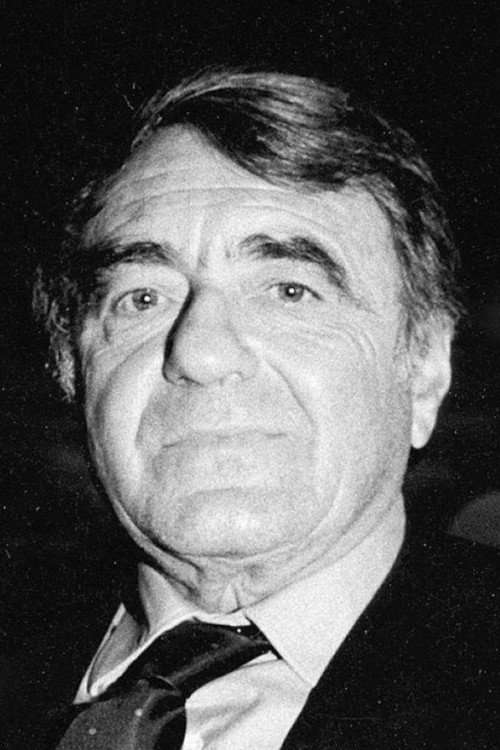
Claude Lanzmann (27 November 1925 – 5 July 2018) was a French filmmaker known for the Holocaust documentary film Shoah (1985). Lanzmann was born on 27 November 1925 in Paris, France, the son of Paulette (née Grobermann) and Armand Lanzmann. His family was Jewish, and had immigrated to France from The Russian Empire. He was the brother of writer Jacques Lanzmann. Lanzmann attended the Lycée Blaise-Pascal in Clermont-Ferrand. While his family disguised their identity and went into hiding during World War II, he joined the French resistance at the age of 17, along with his father and brother, and fought in Auvergne. Lanzmann opposed the French war in Algeria and signed the 1960 antiwar petition Manifesto of the 121. Lanzmann was the chief editor of the journal Les Temps Modernes, founded by Jean-Paul Sartre and Simone de Beauvoir, and lecturer at the European Graduate School in Saas-Fee, Switzerland. In 2009 he published his memoirs under the title Le lièvre de Patagonie ("The Patagonian Hare"). Lanzmann's most renowned work, Shoah (1985), is a nine-and-a-half-hour oral history of the Holocaust. Shoah is made without the use of any historical footage, and uses only first-person testimony from perpetrators and victims, and contemporary footage of Holocaust-related sites. Interviewees include the Polish resistance fighter Jan Karski and the American Holocaust historian Raul Hilberg. When the film was released, the director also published the complete text, including in English translation, with introductions by Lanzmann and Simone de Beauvoir. Lanzmann disagreed, sometimes angrily, with attempts to understand the why of Hitler, stating that the evil of Hitler cannot or should not be explained and that to do so is immoral and an obscenity. Lanzmann also oftentimes pushed his subjects to extreme emotional limits to bring out the most authentic reactions for his audience. The interview with barber Abraham Bomba is a staple of a Claude Lanzmann interview. A compilation of "Shoah: Unseen Interviews" was released in 2012 that included interviews filmed at the time of the original production but never made it into the film. On 4 July 2018, his last work, Les Quatre Soeurs (Shoah: Four Sisters) was released, featuring testimonials from four Holocaust survivors not included in his Shoah. Lanzmann died the following day. From 1952 to 1959, he lived with Simone de Beauvoir. In 1963 he married French actress Judith Magre. They divorced in 1971, and he later married Angelika Schrobsdorff, a German-Jewish writer. He divorced a second time, and was the father of Angélique Lanzmann and Félix Lanzmann. Claude Lanzmann died on 5 July 2018 at his Paris home, after having been ill for several days. He was 92. Source: Article "Claude Lanzmann" from Wikipedia in English, licensed under CC-BY-SA 3.0.
Known For

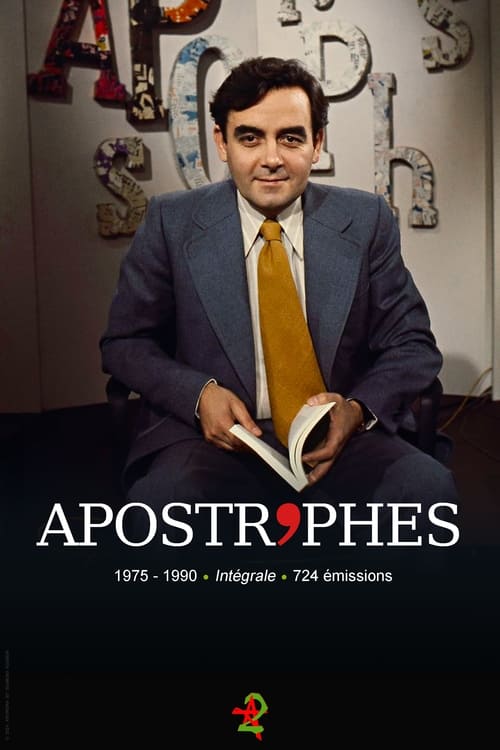
Apostrophes was a live, weekly, literary, prime-time, talk show on French television created and hosted by Bernard Pivot. It ran for fifteen years (724 episodes) from January 10, 1975, to June 22, 1990, and was one of the most watched shows on French television (around 6 million regular viewers). It was broadcast on Friday nights on the channel France 2 (which was called "Antenne 2" from 1975 to 1992). The hourlong show was devoted to books, authors and literature. The format varied between one-on-one interviews with a single author and open discussions between four or five authors.
Apostrophes

No description available.
Kulturplatz
Annual awarding of the Grimme Awards.
Grimme Award

No description available.
28 minutes
No description available.
NDR Kultur – Das Journal

Director Claude Lanzmann spent 11 years on this sprawling documentary about the Holocaust, conducting his own interviews and refusing to use a single frame of archival footage. Dividing Holocaust witnesses into three categories – survivors, bystanders, and perpetrators – Lanzmann presents testimonies from survivors of the Chelmno concentration camp, an Auschwitz escapee, and witnesses of the Warsaw Ghetto Uprising, as well as a chilling report of gas chambers from an SS officer at Treblinka.
Shoah

Forty years after the release of Claude Lanzmann’s monumental film Shoah, Guillaume Ribot reveals the director’s relentless pursuit to tell the untold, using only Lanzmann’s words and unseen footage from the masterpiece.
All I Had Was Nothingness

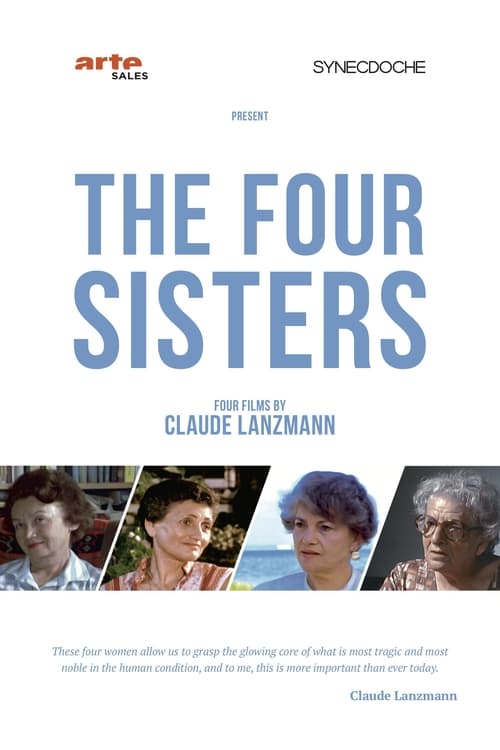
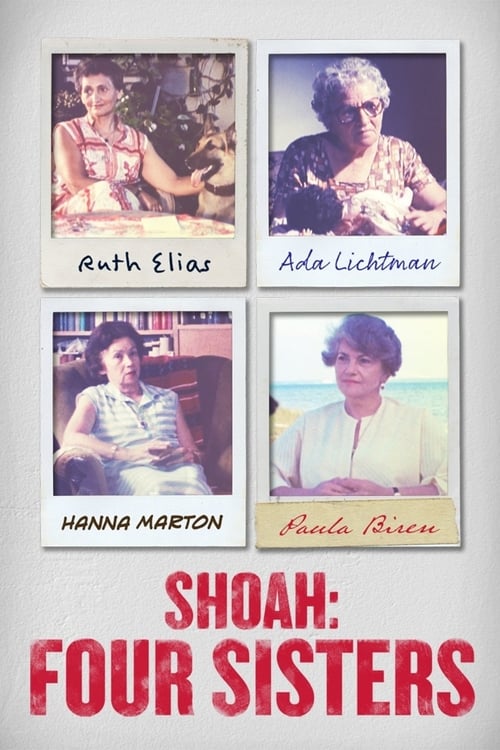
Paula Biren, Ruth Elias, Ada Lichtman, Hanna Marton: Four Jewish women, witnesses and survivors of the most insane and pitiless barbarism, and who, for that reason alone, but for many others also, deserve to be inscribed forever into the memory of humankind. What they have in common, beside the specific horrors to which each of them were subjected, is a searingly sharp, almost-physical intelligence, which rejects all pretence or faulty reasoning. In a word, idealism.
Shoah: Four Sisters

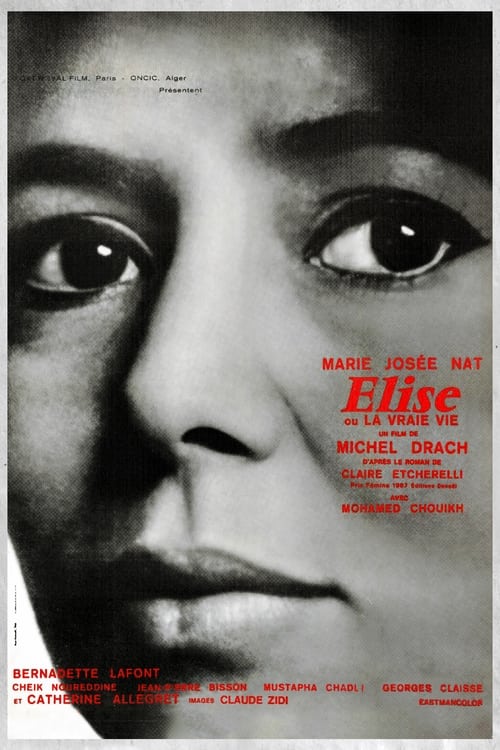
In the middle of the Algerian war, Elise, from Bordeaux, “goes” to Paris to join her brother to earn her living in an automobile factory. There she meets Arezki, an Algerian nationalist activist with whom she falls in love. A chronicle of working life at the time and which highlights the extent of police repression against Algerians.
Elise, or Real Life

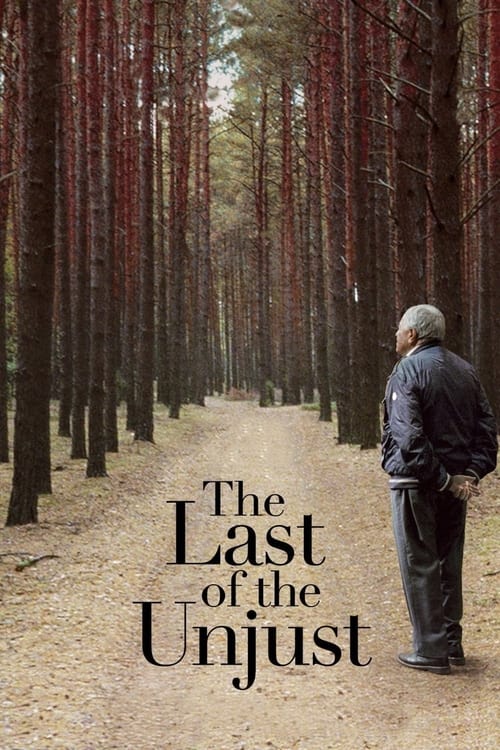
A place: Theresienstadt. A unique place of propaganda which Adolf Eichmann called the "model ghetto", designed to mislead the world and Jewish people regarding its real nature, to be the last step before the gas chamber. A man: Benjamin Murmelstein, last president of the Theresienstadt Jewish Council, a fallen hero condemned to exile, who was forced to negotiate day after day from 1938 until the end of the war with Eichmann, to whose trial Murmelstein wasn't even called to testify. Even though he was without a doubt the one who knew the Nazi executioner best. More than twenty-five years after Shoah, Claude Lanzmann's new film reveals a little-known yet fundamental aspect of the Holocaust, and sheds light on the origins of the "Final Solution" like never before.
The Last of the Unjust

Marcel Ophuls' riveting film details the heinous legacy of the Gestapo head dubbed "The Butcher of Lyon." Responsible for over 4,000 deaths in occupied France during World War II, Barbie would escape—with U.S. help—to South America in 1951, where he lived until a global manhunt led to his 1983 arrest and subsequent trial.
Hôtel Terminus: The Life and Times of Klaus Barbie

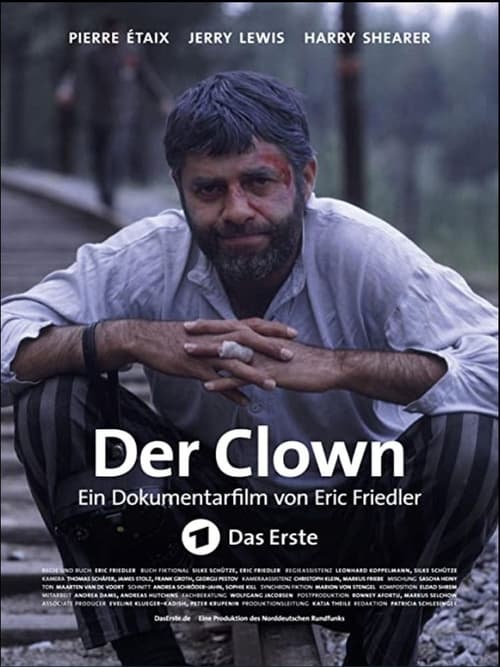
A documentary about Jerry Lewis' never-released movie "The Day the Clown Cried".
The Clown

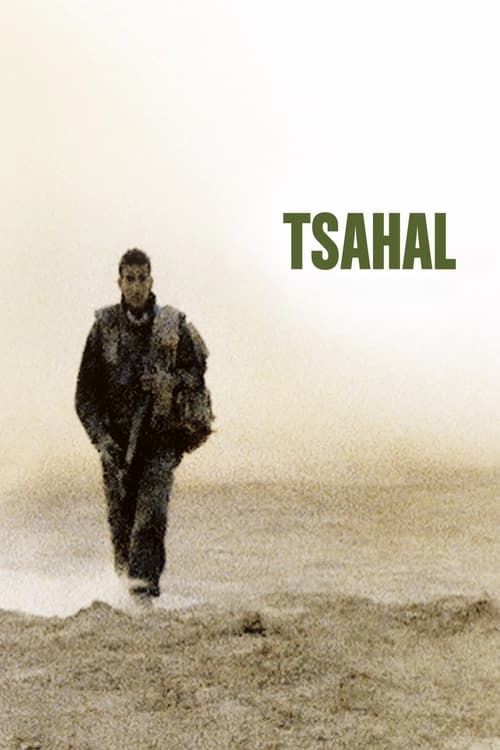
The ideologies underlying the foundation of modern Israel are explored in this documentary, the third of a trilogy (created over a twenty year span) exploring the Jewish experience. The two earlier documentaries, "Porquoi Israel," and "Shoah," have had great effect on the ways documentaries are produced. "Tsahal" zeroes in on the crucial role of the military in Israeli society and politics. The film uses many in-depth interviews to present the many feelings and thoughts about the Israeli military.
Tsahal

Napalm is the story of the breathtaking and brief encounter, in 1958, between a French member of the first Western European delegation officially invited to North Korea after the devastating Korean war and a nurse working for the Korean Red Cross hospital, in Pyongyang, capital of the Democratic People’s Republic of Korea.
Napalm

Since 1999, Claude Lanzmann has made several films that could be considered satellites of Shoah, comprised of interviews conducted in the 1970s that didn’t make it into the final, monumental work. He has just completed a series of four new films, built around four women from four different areas of Eastern Europe with four different destinies, each finding herself unexpectedly and improbably alive after war’s end.
Shoah: Four Sisters

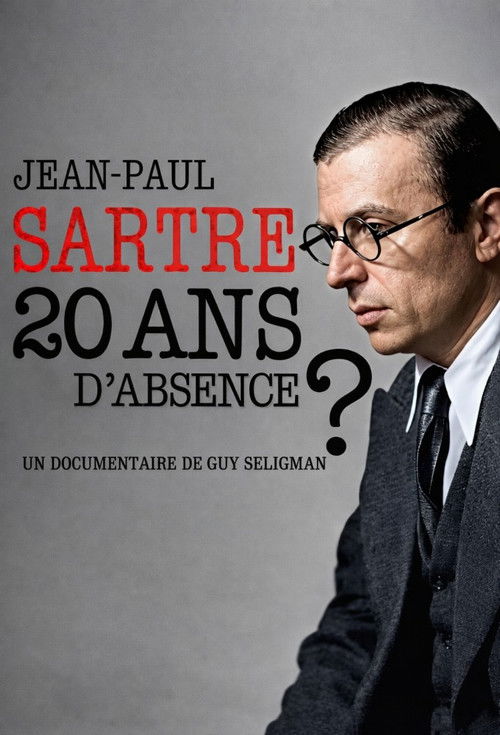
This historic documentary highlights the basis of Jean-Paul Sartre's thoughts in all its forms: novel, theater, philosophy, political commitments. Surrounded by Claude Lanzmann, Michel Contat, JB Pontalis, Jean Toussaint Desanti and Bernard Henri Levy, Sartre expresses himself at length in this rare film. Features rare on-camera interview film footage of Sartre giving his thoughts on the following subjects: Sartre on Philosophy Sartre on Intellectualism Sartre on Literature Sartre on the Theater Sartre on Literary Activism Sartre on Discussions Sartre on his novel, "Nausea" Sartre on the Review, "Les Temps Modernes"
Jean-Paul Sartre - A 20 Year Absence?

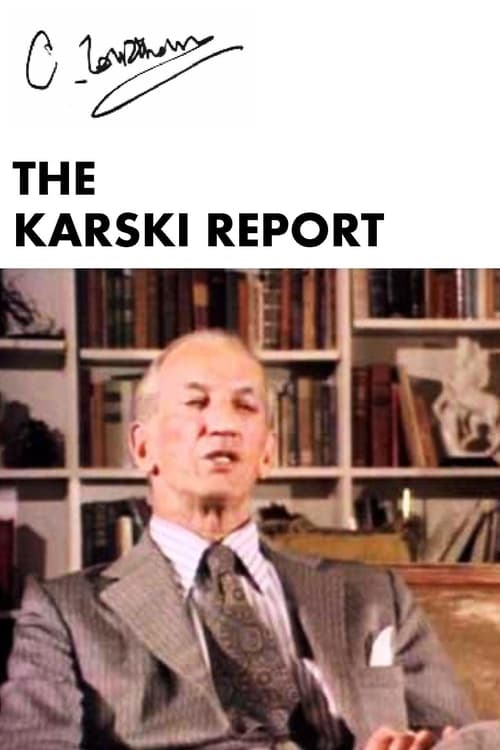
A powerful new film about Jan Karski, the Polish resistance figure who attempted to expose the Warsaw Ghetto and Belzec, and met with President Franklin D. Roosevelt and Supreme Court Justice Felix Frankfurter.
The Karski Report

Using interviews and other footage shot especially for this documentary, French director Claude Lanzmann investigates the state of Israel in 1972. This movie concentrates on Israelis going about their business of everyday living.
Israel, Why
Serge Toubiana, director of the Cinémathèque française, sat down with director Claude Lanzmann in his office in Paris in January 2013 to discuss the making of his epic work. Their conversation, presented here, was recorded exclusively for the Criterion Collection.
Claude Lanzmann "On Shoah": A Conversation with Serge Toubiana

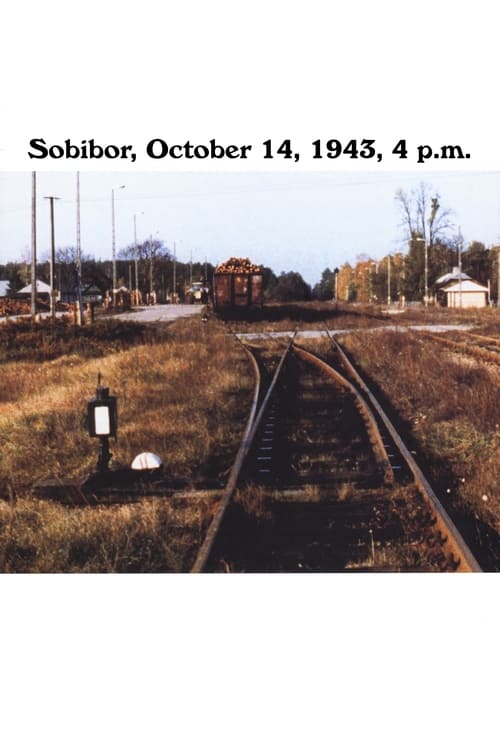
Documentary interview with Yehuda Lerner, who at 17 participated in a prisoner revolt at the Nazi-run Sobibor extermination camp. Originally filmed for inclusion in Lanzmann's 1985 documentary Shoah.