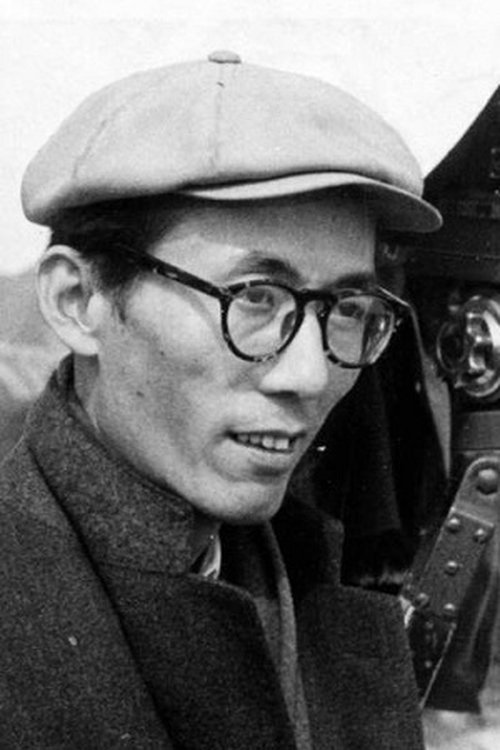
Directing
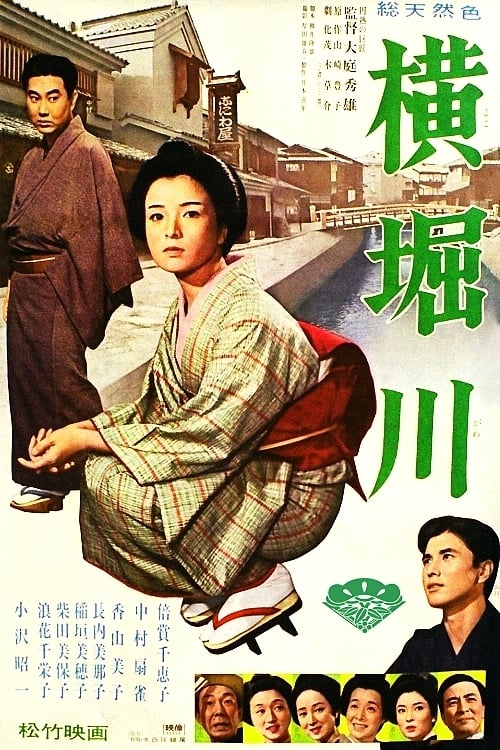
Taka, the daughter of Naniwa-ya, a longtime Osaka store owner, married Kichisaburo Kawashima-ya, the son of a kimono wholesaler. Her husband just tried to play with her like a sweet candy, but Taka fell in love with him. One day, the father-in-law suddenly dies, and the Kawashima-ya family fortune is rapidly changing. However, the depravity of Kichisaburo does not subside...
Based on the novel of the same name by Seichô Matsumoto.
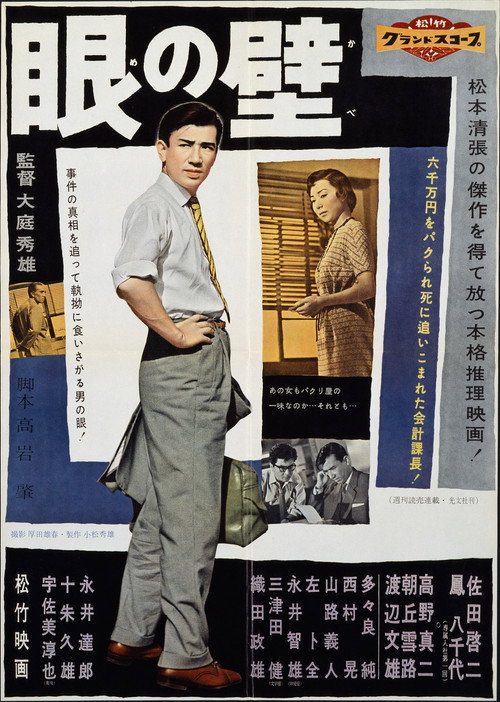
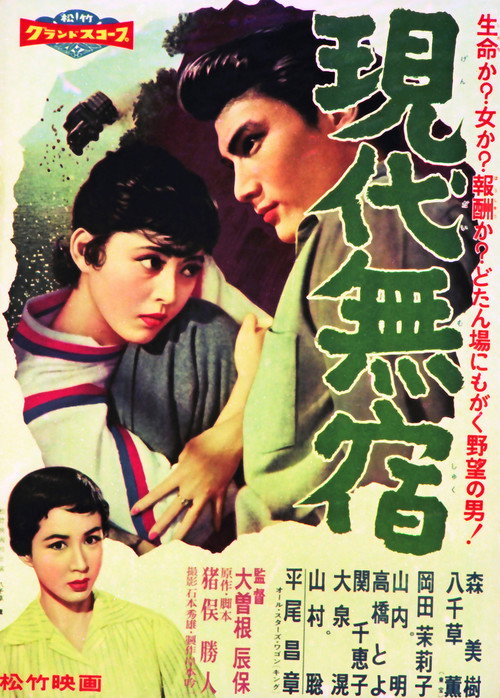
Four unlucky pirates head to a weather tracking station set on a remote island with the intention of holding the weather trackers as hostages and assaulting their next incoming supply ship; but at the station they are told that a serious typhoon is on the way, so the ship will be delayed.
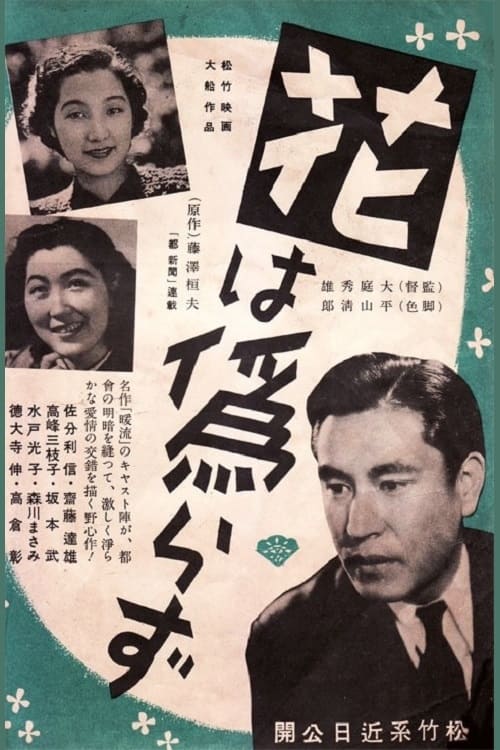
Hana wa itsuwarazu (1941) is the second directorial work by Shochiku's Oba Hideo. Oba had previously worked as an assistant director to Shimizu Hiroshi and penned films for Shimazu Yasujiro. In this early effort, he is not stylistically very far from either, but then again all Shochiku directors resemble each other to a point. The film is an everyday romance for younger audiences, full of clean, ideal human beings.
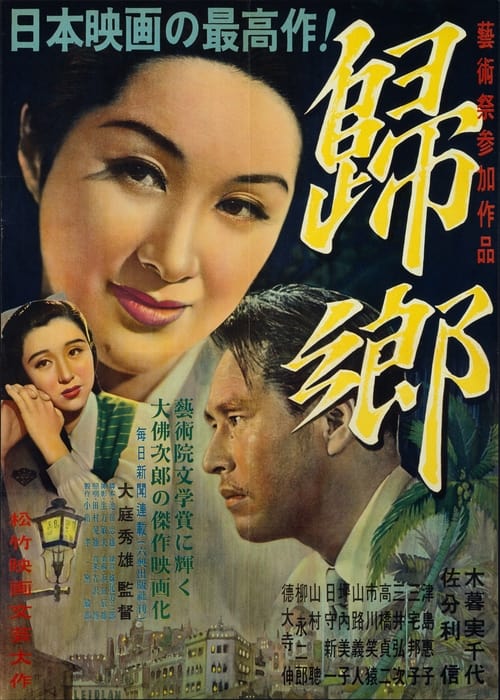
A former naval officer returns to Japan after the Second World War ends, encounters the former mistress who ratted him out, and reconnects with his daughter.
No description available.
A promising dancer asks her professor to write a libretto for a Nō play. He then introduces her to a student of classical literature, but also a classical theatre student in the hope that the latter will marry Senya..
1963 Japanese movie
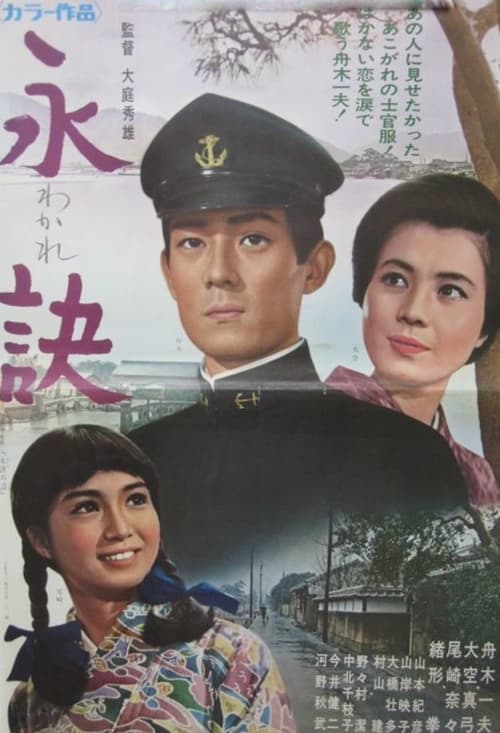
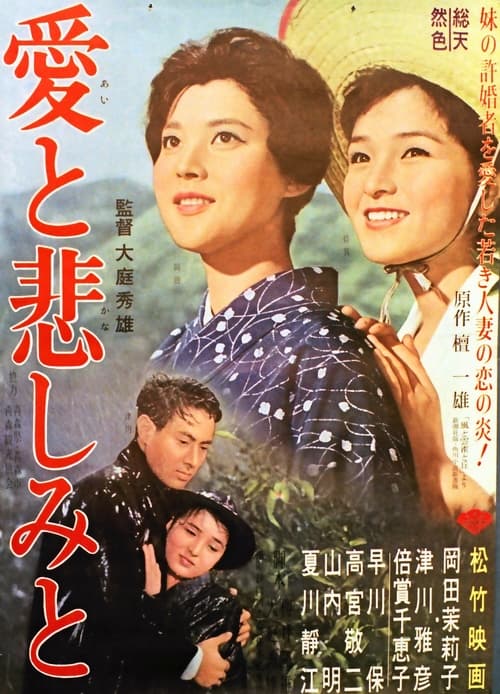
During the early days of the war a young student, Makito (Kazuo Funaki), falls in love with Yuko (Mayumi Ozora), the widow of a naval officer. She, however, is living with the memories of her husband and it is her younger sister, Yumiko (Nana Ozaki), who grows fond of the student. Then, one day, a young naval officer, Tadayuki (Ken Ogata), a friend of her late husband, comes to see the widow and she becomes attracted to him. Though Makito is inspired to study for the navy, he is much upset when he learns that Yuko and Tadayuki are to marry.
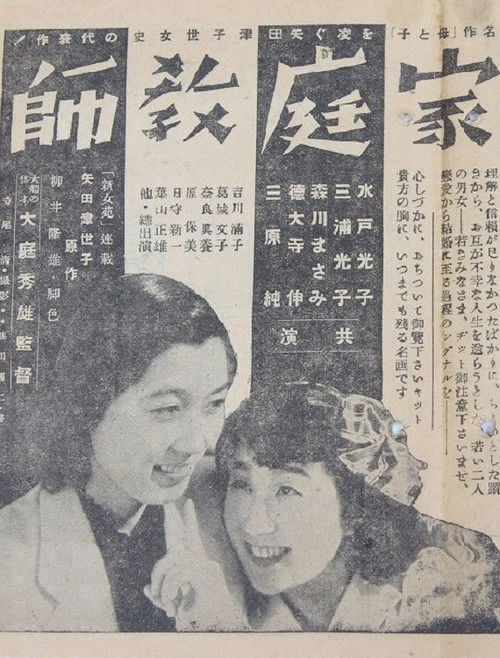
Motoko Fujikawa works in the Seisen Church as an assistant to pastor Maki Inokichi. Motoko falls in love with Inokichi's virtuous character and devotes herself to the rehabilitation of a delinquent girl, gradually finding her job at the institution more worthwhile than the marriage recommended by her parents. Meanwhile, inside Inokichi's heart a flame of unknowing love for the single-minded Motoko begins to burn...
1962 Japanese movie
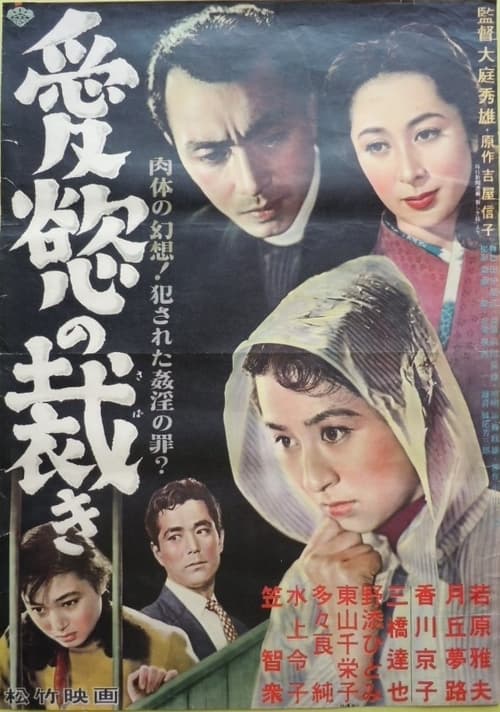
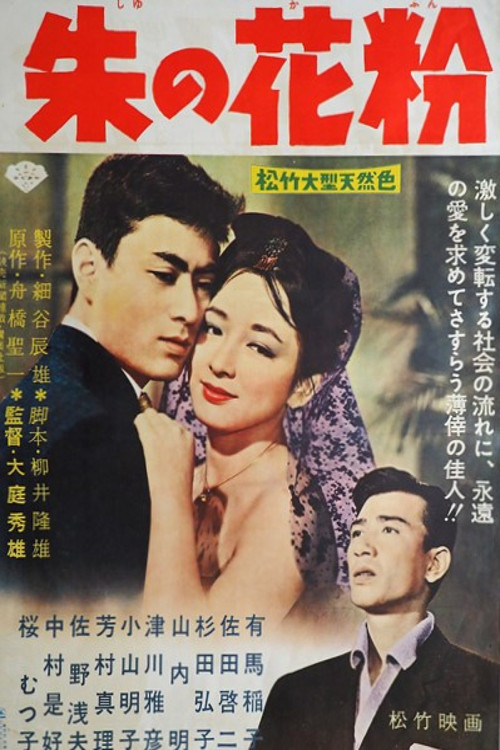
A short time after the war in Tokyo. Hamana, who was formerly a military police officer, had fallen into the role of a black market broker and had brought his former lover, Kameko, into his home, constantly clashing harshly with his wife, Kikue. Kikue could no longer endure such days and decided to run away with her young son, Kikofu. Learning of this, her brother-in-law, Itaro, tried to support Kikue. However, the pillar of Kikue's heart was the shadow of Takenaka, her former teacher from girl's school days, whom she had deeply admired.
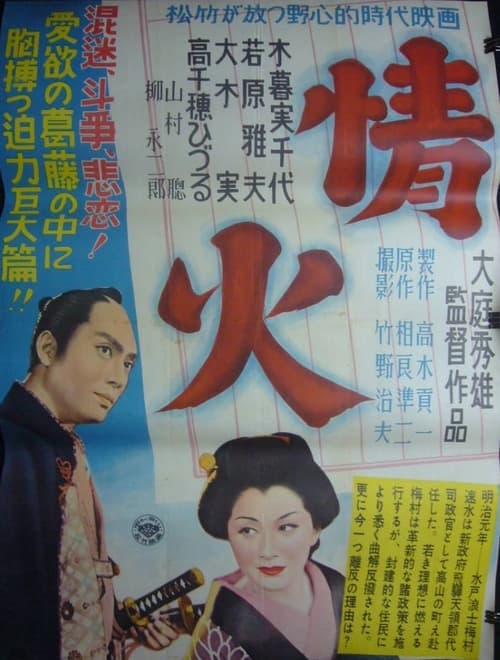
The time was the first year of Keio (1865). Upon hearing the news that the Imperial Army was approaching Hida Takayama, the district head Shimizu Uzen fled to Edo. Local officials like Yoshida Bunsuke and Yoshizumi Hironoshin showed their allegiance by welcoming them. The commander at the time, Umemura Hayami, was a former member of the Tengu Party and had previously been pursued in the town. He took refuge in a restaurant named Kabuya, and owing to a tip-off from a woman named Oraku, he was almost captured for her lover, Yoshizumi. Oraku and Yoshizumi probably feared revenge from that previous encounter, but Umemura had come back to Hida because he couldn't forget Oraku.
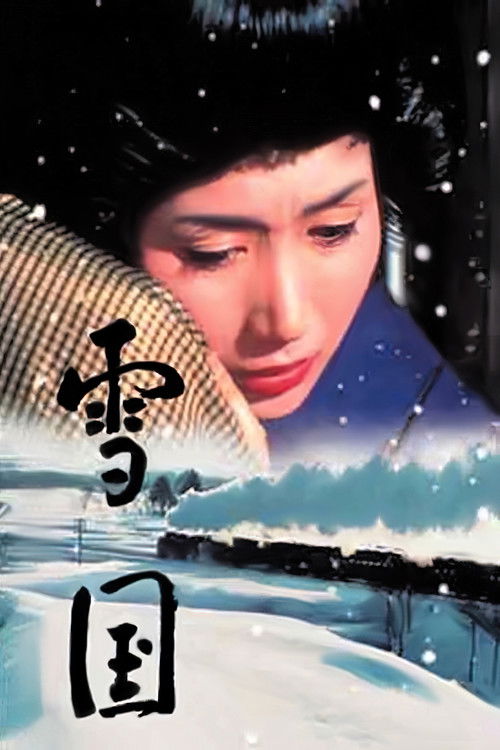
This movie is based on an immortal literary work "The Snow Country," a story about a life of geisha Komako who lives in a region with heavy snowfalls.
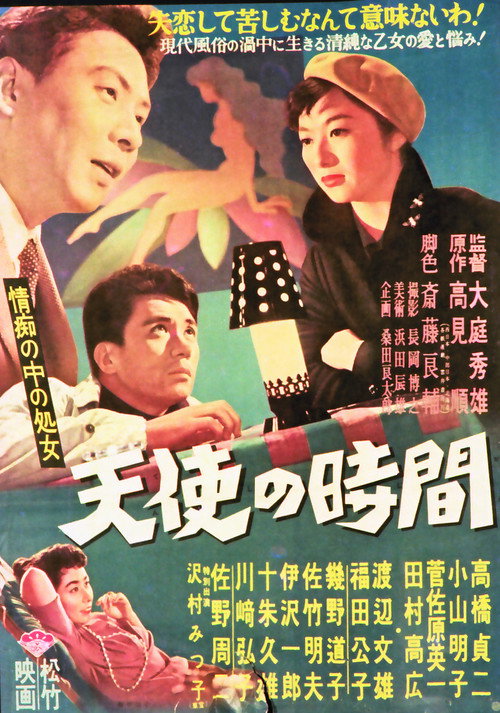
Film about the life of a bitter female reporter with a pure heart.
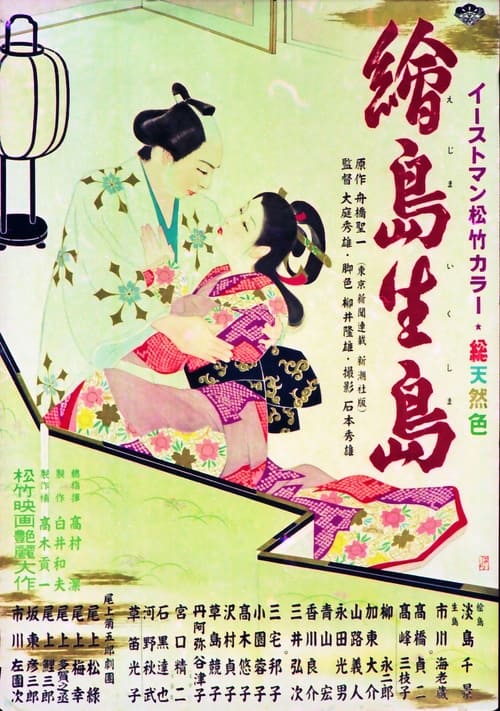
This period film is inspired by one of the most notorious scandals to have taken place in Edo-period Japan. The heroine, Ejima, was a lady of the Ooku, the harem of Edo Castle in which the Shogun’s mother, wife and concubines resided, forbidden from contact with any other man except in the presence of the Shogun. The institution played a key role in the Byzantine world of Japanese court politics during the Edo era. In 1714, Lady Ejima was sent to pay her respects at a Buddhist temple in the city, and chose to pay an unauthorised visit to the kabuki theatre – a violation of protocol that was to have tragic consequences.
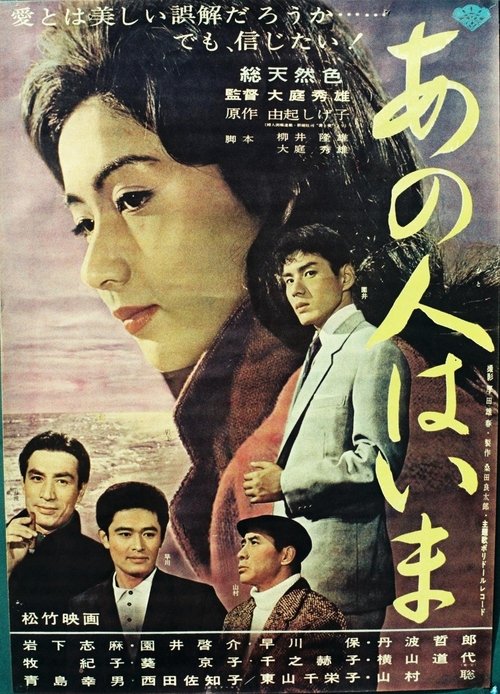
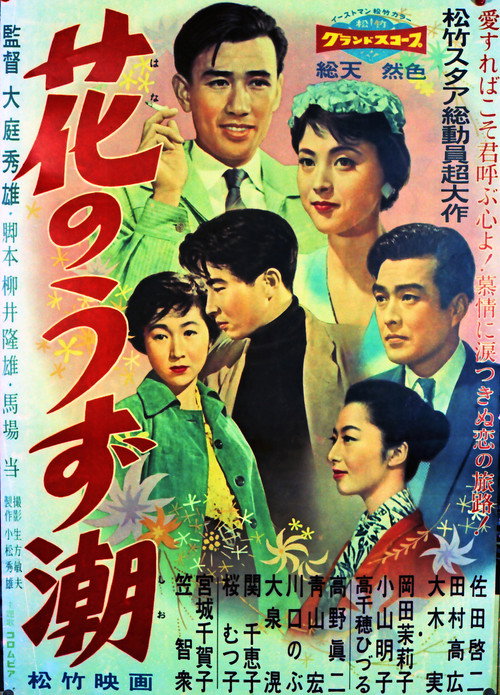
Shigeo is an aspiring writer living with his girl friend Minako and hoping for success and a better tomorrow every day. Both live on what Minako earns from working in a café. Shigeo is not happy with the situation and neither is his family who do not approve of Minako. Especially his uncle tries to convince him to leave Minako, even using his influence behind the scenes. Things start to change when Shigeo's sister pays the young couple a visit, being the first member of Shigeo's family to actually get to know Minako in person.