Writing
No description available.
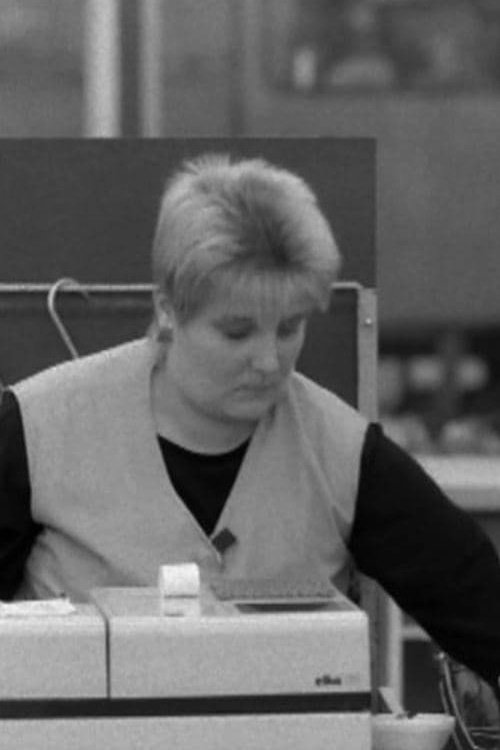
Sketches from a store cashier's everyday life.
The documentary reports on the goings-on at the only GDR racecourse in Berlin-Karlshorst. Pensioner Herta Rogau, who has been in charge of a betting counter for 15 years, tells how she came to this work and why she never dared to gamble herself. Her assessment of betting, gambling addicts, losers and winners enriches the footage shown of people at the betting counters, in the grandstand and of the exciting battles of the sulky drivers on the track.
When the lease on the "BAIZ" culture and pub in Berlin Prenzlauer Berg is not renewed by new owners, support and protest grow on the small stage of the pub and in the streets around it. As events unfold, the film becomes a moving story about the "power of solidarity". With a kilometer-long human chain, they move into the new store that they bought together.
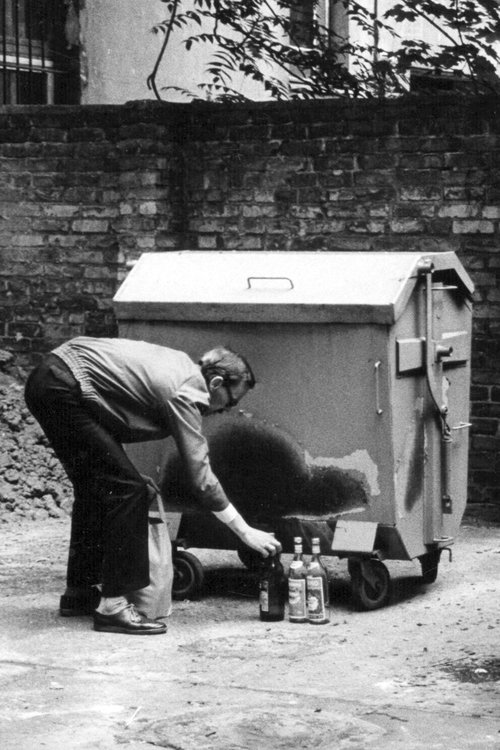
A portrait of three friends from the GDR. Dieter, a painter, spent ten years in prison on account of his "aversion to work". Alfred, promoted to the position of deputy executive editor, ends up in prison and receiving psychiatric help as a result of a catch-22 situation involving protests and alcoholism. Michael, who had studied foreign trade in Moscow, was kicked out of the Academy and now earns a living crafting lamps.
"The Free Orchestra" is a group of young people who have various careers, and get together in their free time to make music. Improvisation and original hand made instruments mark the group's style. The individual members of the band are filmed at their daily work life and at one of their concerts. A collage of sounds arises, which conveys their life feelings and experiences, in a satirical and grotesque language.
The Prenzlauer Berg district in the former East Berlin was a particularly intense example of the "short summer of anarchy" on the heels of the fall of the Wall. This merry, teary swan song is a pastiche of dancing seniors, revelling bohemians, transvestites from the West, and Balkan musicians. On a more serious note, we hear from women in positions of responsibility – workers at a state-run textile factory, as well as the owner of a clothing store fear for their financial future, while the lady boss at Konnopke's snack bar eagerly accepts her first payment in West German marks.
The filmmaker tells the story of her own grandmother, who died in a home, full of longing for her granddaughter. Being forgotten by sons and daughters, by the young, the beautiful and the successful is the fate of the elderly in this era.
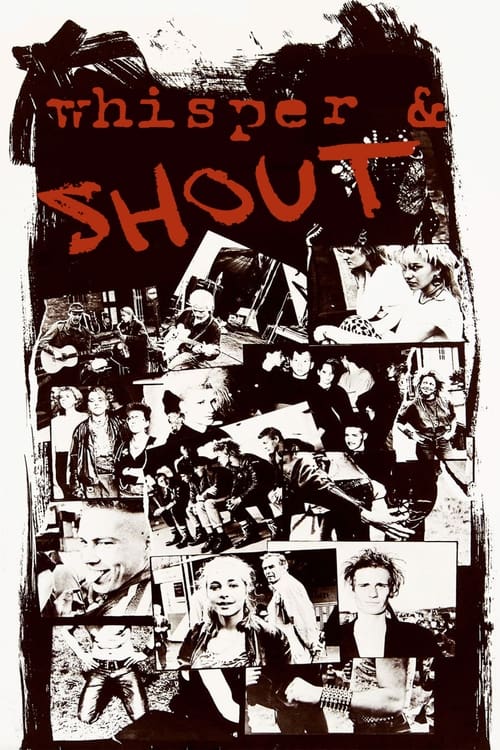
Documents important parts of the East German rock music scene of the late 1980s, from well-established bands like Silly, to underground rock bands like Feeling B. This road movie features young people using music to express their take on life, opposition to their parents' generation and opinions on the social and political climate in East Germany. It includes clips from concerts and interviews with fans and members of various bands, such as Feeling B's Christian Lorenz and Paul Landers, now members of Rammstein.