Cyril Collard
Directing
Biography
Cyril Collard (19 December 1957, Paris − 5 March 1993, Versailles) was a French author, filmmaker, composer, musician and actor. He is known for his unapologetic portrayals of bisexuality and HIV in art, particularly his autobiographical novel and film Les Nuits fauves (Savage Nights). Openly bisexual, Collard was also one of the first French artists to speak openly about his HIV-positive status. Collard was born into a liberal, middle-class family in France. He attended Lycée Hoche in Versailles, and pursued an engineering degree at Institut Industriel du Nord in Villeneuve d'Ascq, later known as École centrale de Lille before deciding to drop out. The semi-autobiographical Savage Nights (Les Nuits fauves), finished in 1992, was Collard's first and only feature film. It won four Césars (best editing, best film, best first work, and most promising actress) in 1993. Unfortunately, Collard did not live to accept his award; he had died three days earlier. Early in his career, Collard assisted fellow director Maurice Pialat and directed six music videos, as well as several television programs. Among the music videos he directed were those of French-Algerian band Carte de Séjour, whose lead singer Rachid Taha was one of the most famous rock-ethnic musicians in France. Collard's own experiences with AIDS undoubtedly influenced his work. He died of AIDS-related illness aged 35. Source: Article "Cyril Collard" from Wikipedia in English, licensed under CC-BY-SA.
Known For

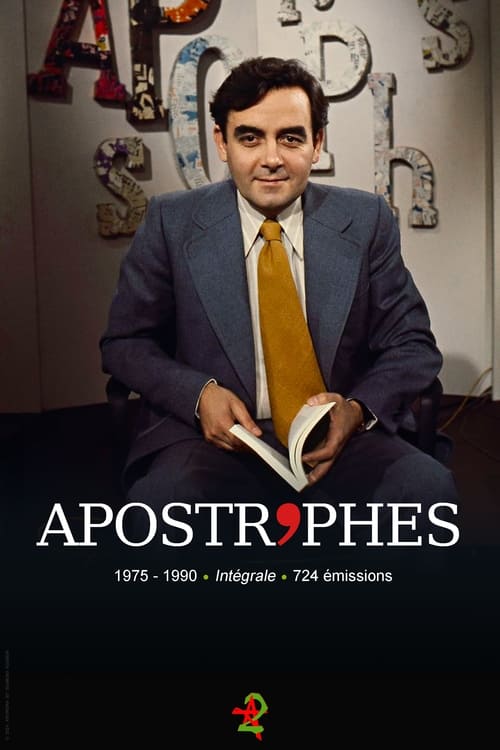
Apostrophes was a live, weekly, literary, prime-time, talk show on French television created and hosted by Bernard Pivot. It ran for fifteen years (724 episodes) from January 10, 1975, to June 22, 1990, and was one of the most watched shows on French television (around 6 million regular viewers). It was broadcast on Friday nights on the channel France 2 (which was called "Antenne 2" from 1975 to 1992). The hourlong show was devoted to books, authors and literature. The format varied between one-on-one interviews with a single author and open discussions between four or five authors.
Apostrophes

Marcello Mastroianni, Isabelle Adjani, Alain Delon, Martin Scorsese, Woody Allen... the biggest stars in cinema were welcomed by Christian Defaye on his show Spécial cinéma. Between intimate confessions from actors and immersion in the world of the greatest filmmakers, Christian Defaye took viewers on a journey into the fascinating world of cinema for nearly thirty years.
Spécial cinéma

A bored wife leaves her husband for an unemployed, petty criminal.
Loulou

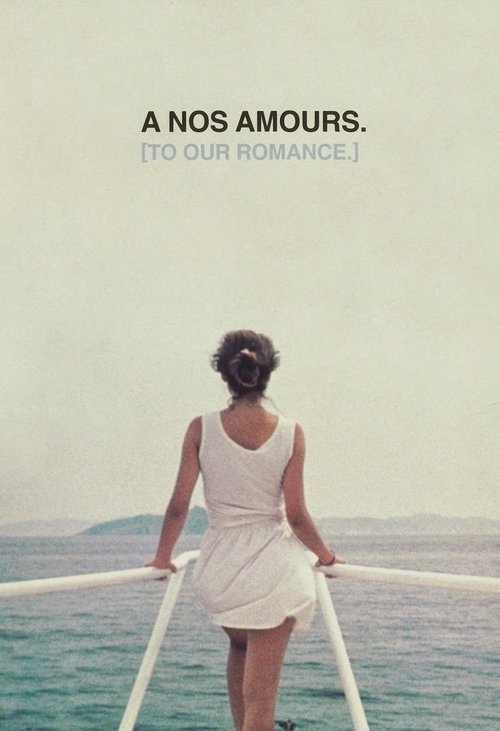
Fifteen-year-old Suzanne seeks refuge from a disintegrating family in a series of impulsive, promiscuous affairs. Her fulsome sexuality further ratchets up the suppressed passions of her narcissistic brother, insecure mother and brooding, authoritarian father.
A Nos Amours

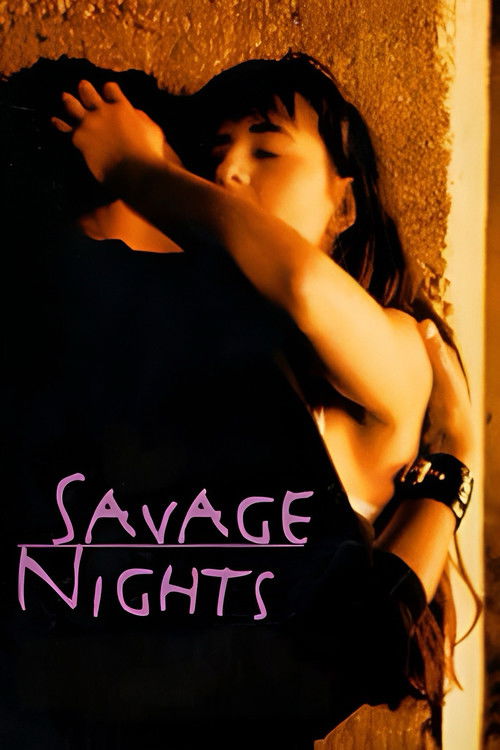
Jean is young, gay, and promiscuous. Only after he meets one or two women, including Laura, does he come to realize his bisexuality. Jean has to overcome a personal crisis and a tough choice between Laura and his male lover Samy.
Savage Nights

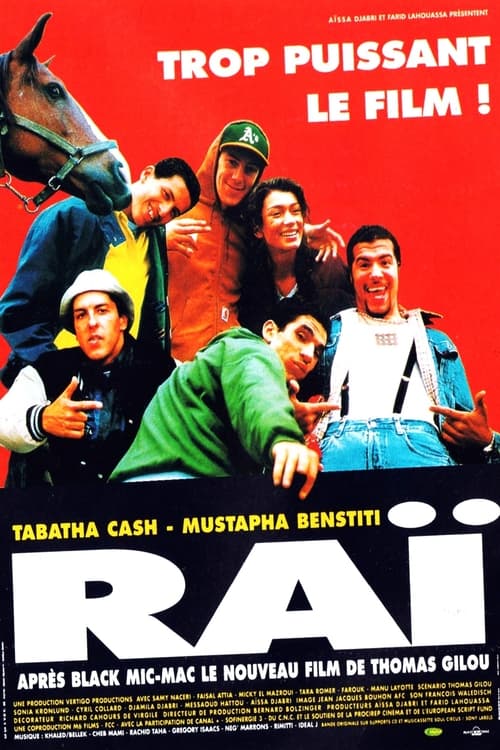
Raï is about a gang of youths in a Parisian suburb.This is the multicultural environment in which Mezz, Aziz, Laurent, Nordine, Poisson and the others have grown up. There is no future in Garges-les-Gonesses. Unemployment is high, drugs and violence are a part of everyday life. The opportunity to escape seems nonexistent.
Rai

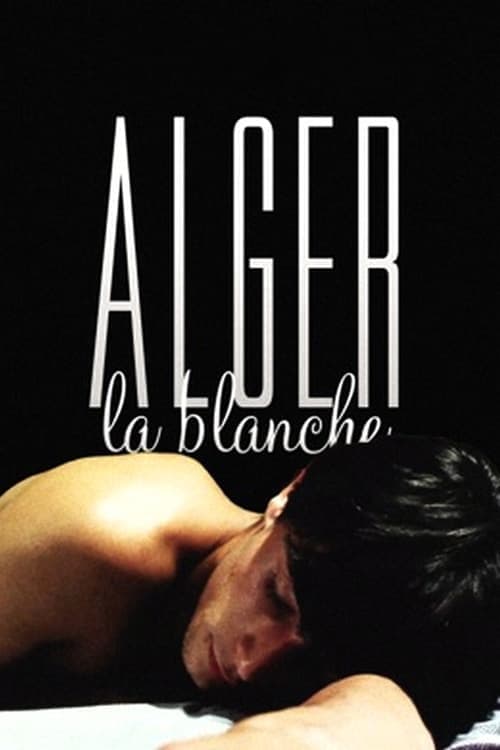
Farid, a teenager of Algerian descent, spends his free time hanging out with the wrong crowds in the suburbs south of Paris while maintaining a secret relationship with illustrator Jean. Both Jean and Farid are unsure about the future of their relationship - Farid wants Jean to move to Algiers with him, but Jean doesn't want to continue being Farid's secret. But when Farid becomes embroiled in a police matter, both his passionate private life and conservative family life hurtle towards one another, with explosive results.
Alger la blanche

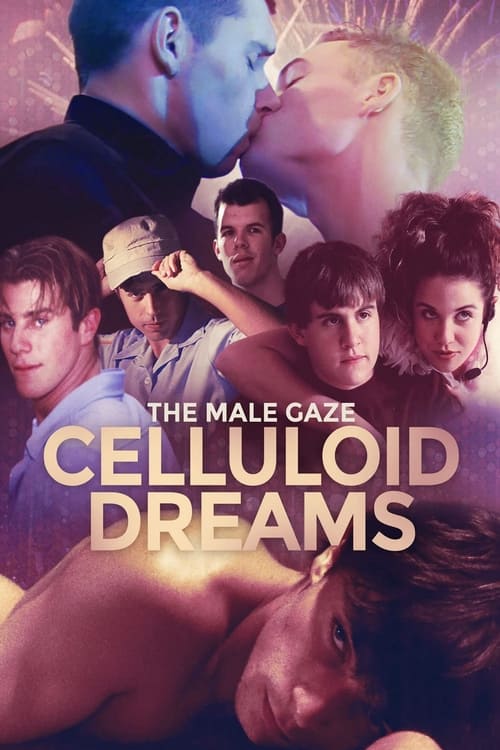
Embark on a journey through celluloid from 1985 to present day in these freshly digitized cinematic pearls from around the world that explore an array of gay encounters from years gone by. The 7 short films are: Just Out of Reach (1998); Toto Forever (2010); Men Don't Cry [Οι άντρες δεν κλαίνε] (2001); Alger la blanche (1986); Unconfessions [Inconfissões] (2018); Same Difference (2002); Boychick (2001).
The Male Gaze: Celluloid Dreams

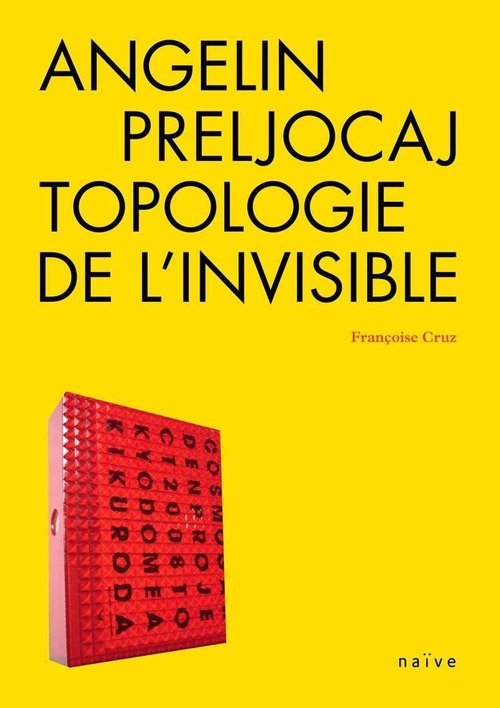
"Angelin Preljocaj, Topologie de l'invisible" offers 3 films corresponding to 3 choreographies. 1.- Annonciation (2003), directed by Angelin Preljocaj. Annonciation dances the encounter between the Angel Gabriel and Mary, when the angel announces that she is God’s chosen one – an essential scene of conception, of the birth of faith and culture. 2.- Les Raboteurs (1988), directed by Cyril Collard. A contemporary couple in an empty room in a Parisian. They talk of love, vision, points of view and illusion. Is what these three dancers on the wooden have frozen in space with their choreographed movements and the positions of the three workers in Gustave Caillebotte’s painting The Floor Scrapers? 3.- Un trait d'union (1992), directed by Angelin Preljocaj. Adaptation of La Chambre by Jean-Paul Sartre. A story of a woman who has married and her second husband has turned insane. Her whole surrounding urges her to let the man be transported into an asylum, yet she refuses.
Topologie de l'invisible
An Arab cop is caught up in a conflict involving two gangs of young graffiti artists.
Taggers

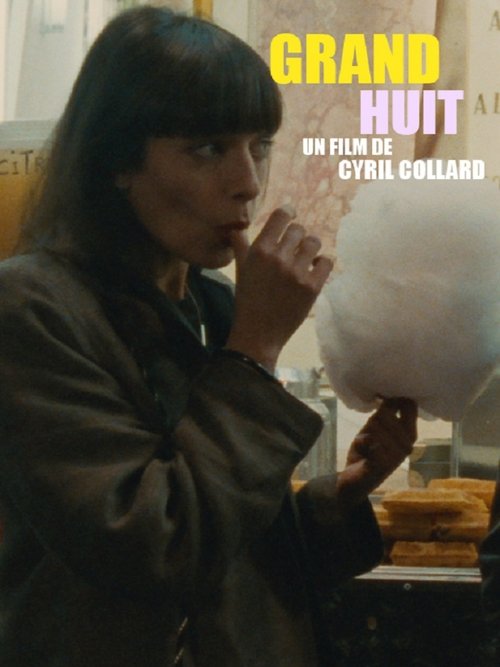
Laurent meets Sylvia on a spring night, under the neon lights of the fun fair. A ray of sunlight shines in the life of a kid who rises up against the nasty influence of their educator Serge, who has an eye on him and his pals. But SyIvia gives him one night as a gift, and nothing more.
Grand huit

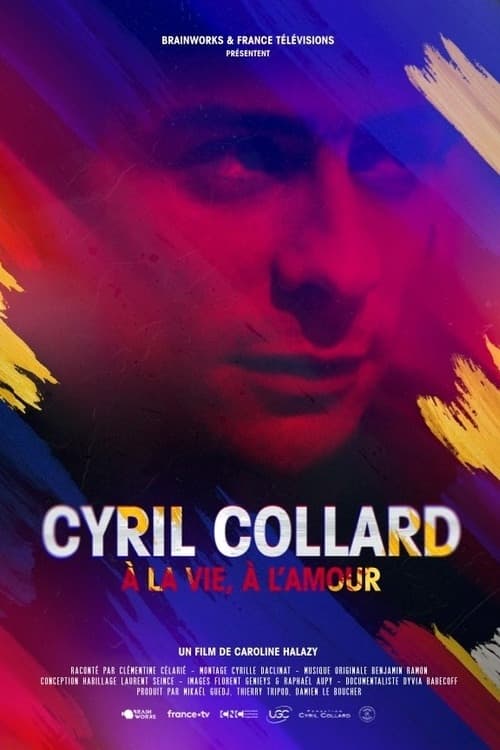
It's a tale of two shocks. 1992, Les Nuits fauves hits theaters. 1993, Cyril Collard dies of AIDS. The artist and his film caused a scandal in 90s France, which suddenly realized the violence of the epidemic and the upheaval it would bring for its children... Collard's work still resonates today, through its depiction of the rage of life and sexual freedom, and the courage it takes to face up to the inevitability of the virus. This documentary is supported by powerful archive footage, allowing us to rediscover the destiny of a striking artist. It is also based on the testimonies of those who knew him and agreed to talk about who he was, the driving forces behind his rebellion and his way of creating. The film is also punctuated by readings from some of the thousands of letters sent to Cyril Collard, revealing what it was about his work that struck a chord with viewers, especially younger ones.
Cyril Collard : À la vie, à l'amour

Based on a painting by Gustave Caillebotte.