FEEL IT.STREAM
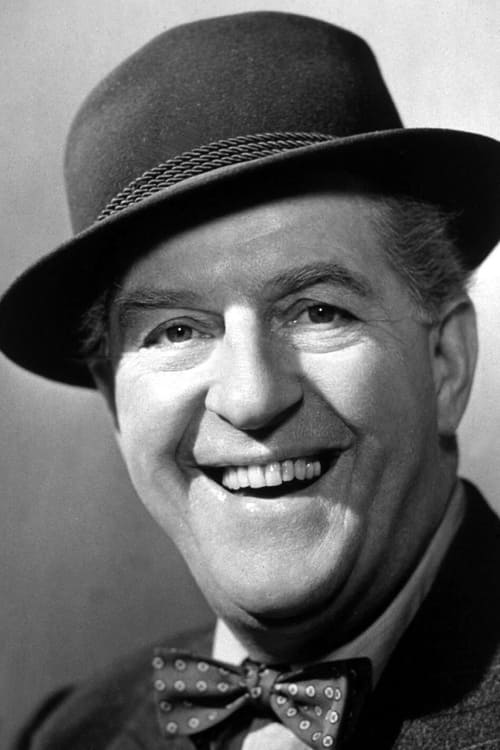
Stanley Holloway

Stanley Holloway

Acting

Biography

Stanley Augustus Holloway, OBE (1 October 1890 – 30 January 1982) was an English stage and film actor, comedian, singer, poet and monologist. He was famous for his comic and character roles on stage and screen, especially that of Alfred P. Doolittle in My Fair Lady. He was also renowned for his recordings of comic monologues and songs, which he performed throughout most of his 70-year career. Born in London, in his early years Holloway pursued a career as a clerk. He made early stage appearances before infantry service in the First World War. After the war he joined a concert party, "The Co-Optimists", and his career began to flourish. At first he was chiefly employed as a singer, but his skills as an actor and reciter of comic monologues were soon recognised. Characters from his monologues such as Sam Small, invented by Holloway, and Albert Ramsbottom, created for him by Marriott Edgar, were absorbed into popular British culture. By the 1930s, he was in demand to star in music hall, pantomime and musical comedy. In the 1940s and early 1950s, Holloway moved from the musical stage to acting in plays and films. He made well-received stage and film appearances in Shakespeare, and in a series of films for Ealing Studios. In 1956 he was cast as the irresponsible Alfred P. Doolittle in My Fair Lady, a role that he played on Broadway, in the West End and later on film, which brought him international fame. In his later years, Holloway appeared in television series in the U.S. and the UK, toured in revue, appeared in stage plays in Britain, Canada, Australia and the U.S., and continued to make films into his eighties. Description above from the Wikipedia article Stanley Holloway, licensed under CC-BY-SA, full list of contributors on Wikipedia.
Known For

Tony Awards
N/A

The Antoinette Perry Award for Excellence in Theatre, more commonly known as a Tony Award, recognizes achievement in live Broadway theatre. The awards are presented by the American Theatre Wing and The Broadway League at an annual ceremony in New York City. The awards are given for Broadway productions and performances, and an award is given for regional theatre.

Tony Awards

1956
The Ed Sullivan Show
6.8

The Ed Sullivan Show is an American TV variety show that originally ran on CBS from Sunday June 20, 1948 to Sunday June 6, 1971, and was hosted by New York entertainment columnist Ed Sullivan. It was replaced in September 1971 by the CBS Sunday Night Movie, which ran only one season and was eventually replaced by other shows. In 2002, The Ed Sullivan Show was ranked #15 on TV Guide's 50 Greatest TV Shows of All Time.

The Ed Sullivan Show

1948
No image
7.5

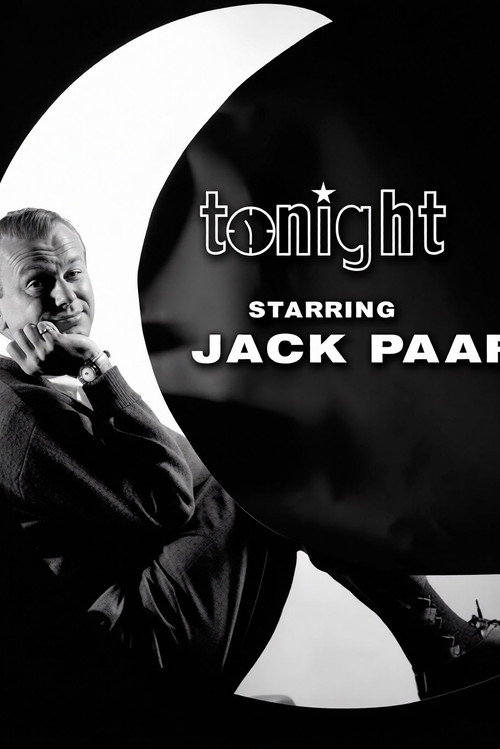
Tonight Starring Jack Paar is an American talk show hosted by Jack Paar under The Tonight Show franchise from 1957 to 1962. It originally aired during late-night. During most of its run it was broadcast from Studio 6B inside the RCA Building. The same studio would also host early episodes of The Tonight Show Starring Johnny Carson, and Late Night with Jimmy Fallon. Its theme song was an instrumental version of "Everything's Coming Up Roses", and the closing theme was "So Until I See You" by Al Lerner.

Tonight Starring Jack Paar

1957
The Danny Kaye Show
7.0

The Danny Kaye Show is an American variety show hosted by Danny Kaye that aired on CBS from 1963 to 1967 on Wednesday nights. Directed by Robert Scheerer, the show premiered in black-and-white, but later switched to color broadcasts. At the time, Kaye was at the height of his popularity, having starred in a string of successful films in the 1940s and '50's, made successful personal appearances at such venues as the London Palladium, and appeared many times on television. His most recent films had been considered disappointing, but the television specials he starred in were triumphant, leading to this series. Prior to his television and film career, Kaye had made a name for himself with his own radio show, and numerous other guest appearances on other shows.

The Danny Kaye Show

1963
The Bell Telephone Hour
8.0

“The Bell Telephone Hour” was a musical variety show that aired on “NBC” TV from 12 January 1959 to 14 June 1968 that showcased the best in Broadway, Classical, Concert, Jazz and Popular music each week. The series had its’ own house band appropriately named the “Bell Telephone Orchestra”. The show also had its’ own theme song being the “Bell Waltz” composed by “Donald Voorhees” who was also the show's Orchestra conductor. Some of the greatest violinists of the 1960’s performed on this show that aired in the old “Black & White” format. Some of these great violinists included “Erica Mornin”, “Isaac Stern", "Michael Rabin", "Ruggiero Ricci", "Yehudi Menuhin" and "Zino Francesacatti". From time to time some of the great singers and bandleaders of the 1960’s would perform on the show as well. Some of these were “Bing Crosby”, “Gordon MacRae”, “John Gary”, “Leslie Uggams”, “Mary Martin”, “Nelson Eddy”, “Patti Page” and “Roy Rogers”. The TV show followed on the heels of its’ predecessor with the same name on “NBC” radio that aired from 29 April 1940 to 1958 on Monday nights at 8 PM. The name of the show was derived from its’ Major sponsor “Bell Telephone Laboratories”. The TV version began airing on Friday nights at 8:30 PM once a month. It later was given it’s same time slot now airing every other week alternating with another show on the other weeks such as News shows and specials. The show time slot changed quite often over the years. In September 1960 it aired at 9 PM and in September 1961 it moved to 9:30 PM. In October 1963 it moved to Tuesday nights at 10 PM, September 1965 it moved to Sunday night at 6:30 PM and in September 1967 it made its' final move back to Friday night at 10 PM.

The Bell Telephone Hour

1959
DuPont Show of the Month
7.4

DuPont Show of the Month is an acclaimed 90-minute television anthology series that aired monthly on CBS from 1957 to 1961. The DuPont Company also sponsored a weekly half-hour anthology drama series hosted by June Allyson, The DuPont Show with June Allyson. During the Golden Age of Television, DuPont Show of the Month was one of numerous anthology series telecast between 1949 and 1962. Superficially, it resembled Playhouse 90 and other anthologies, but DuPont Show of the Month focused less on contemporary dramas and more on adaptations of literary classics, including Oliver Twist, The Prince and the Pauper, Billy Budd, The Prisoner of Zenda, A Tale of Two Cities and The Count of Monte Cristo.

DuPont Show of the Month

1957
Hallmark Hall of Fame
8.8

Long-running anthology program sponsored by Hallmark Cards. Beginning in 1951 and continuing into 2019, the series received 80 Emmy Awards, 24 Christopher Awards, 11 Peabody Awards, 9 Golden Globes, and 4 Humanitas Prizes. Early seasons were a weekly live drama, eventually transitioning to videotaped and then filmed productions broadcast as occasional specials.

Hallmark Hall of Fame

1951
My Fair Lady
7.5

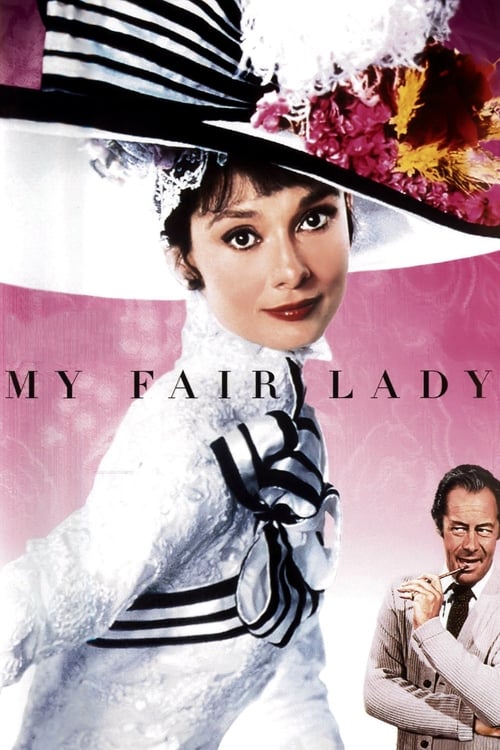
A snobbish phonetics professor agrees to a wager that he can take a flower girl and make her presentable in high society.

My Fair Lady

1964
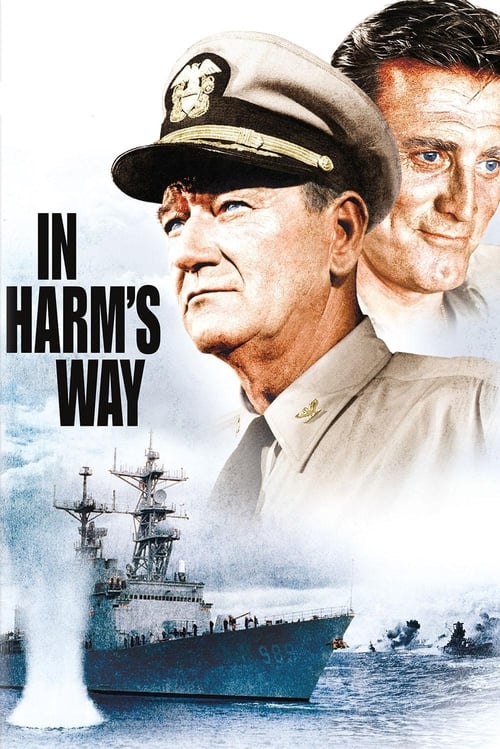
In Harm's Way
6.6

A Naval officer, reprimanded after Pearl Harbor, is later promoted to Rear Admiral and gets a second chance to prove himself against the Japanese.

In Harm's Way

1965
Armchair Theatre
6.0

Armchair Theatre is a British television drama anthology series of single plays that ran on the ITV network from 1956 to 1974. It was originally produced by Associated British Corporation, and later by Thames Television from mid-1968.

Armchair Theatre

1956
No image
N/A

The World of Wodehouse was a comedy television series, based on the Blandings Castle and Ukridge comedy stories by P. G. Wodehouse. The series, which followed The World of Wooster, was shown on BBC Television during 1967 and 1968. Apart from one or more extracts from a solitary episode of Blandings Castle broadcast in February 1967, all episodes of both series are lost.

The World of Wodehouse

1967
Brief Encounter
7.7

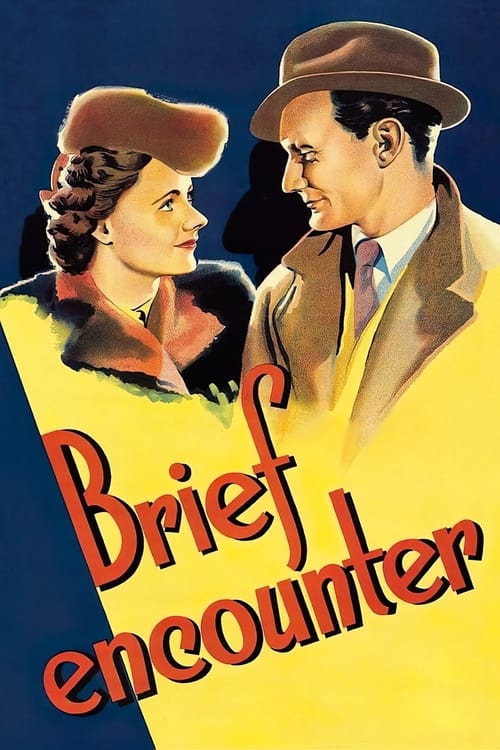
Returning home from a shopping trip to a nearby town, bored suburban housewife Laura Jesson is thrown by happenstance into an acquaintance with virtuous doctor Alec Harvey. Their casual friendship soon develops during their weekly visits into something more emotionally fulfilling than either expected, and they must wrestle with the potential havoc their deepening relationship would have on their lives and the lives of those they love.

Brief Encounter

1945
Hamlet
7.4

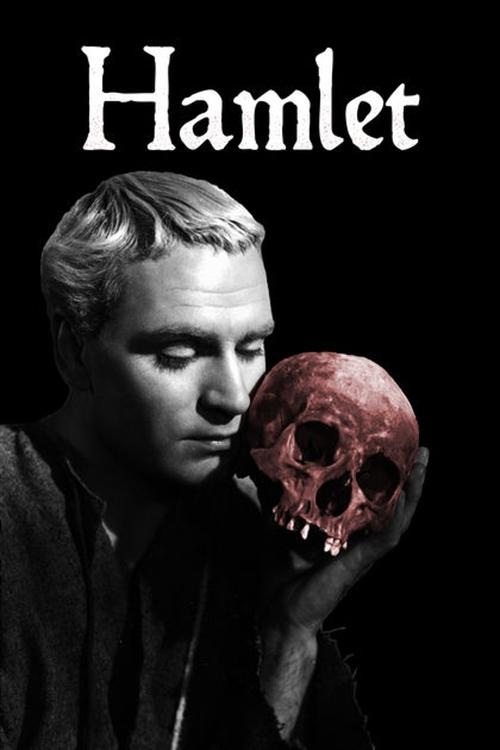
Winner of four Academy Awards, including Best Picture and Best Actor, Sir Laurence Olivier’s Hamlet continues to be the most compelling version of Shakespeare’s beloved tragedy. Olivier is at his most inspired—both as director and as the melancholy Dane himself—as he breathes new life into the words of one of the world’s greatest dramatists.

Hamlet

1948
The Private Life of Sherlock Holmes
6.8

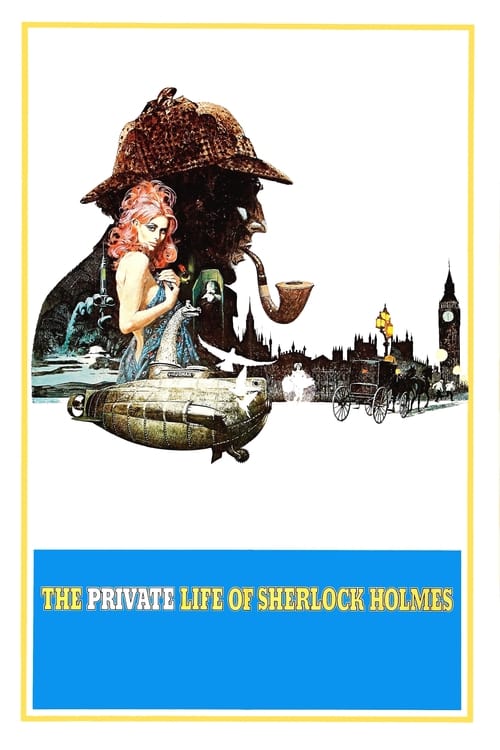
When a bored Sherlock eagerly takes the case of Gabrielle Valladon following an attempt on her life, the search for her missing husband leads to Loch Ness and the legendary monster.

The Private Life of Sherlock Holmes

1970
No image
7.5

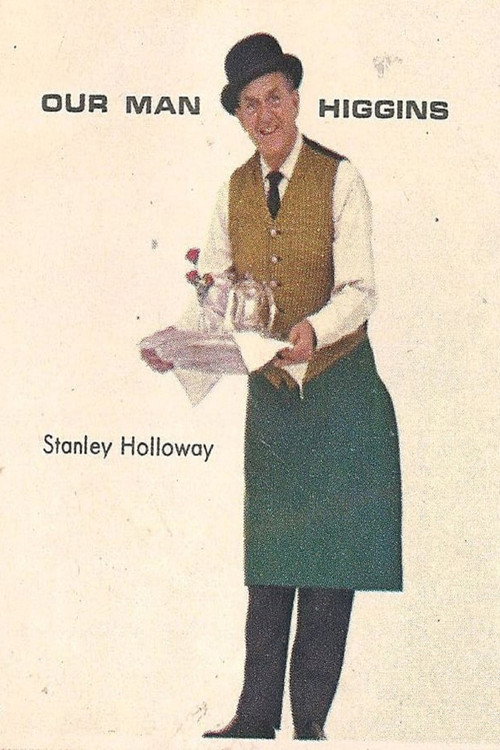
Our Man Higgins is an American situation comedy that aired on ABC from October 3, 1962, to May 17, 1963.

Our Man Higgins

1962
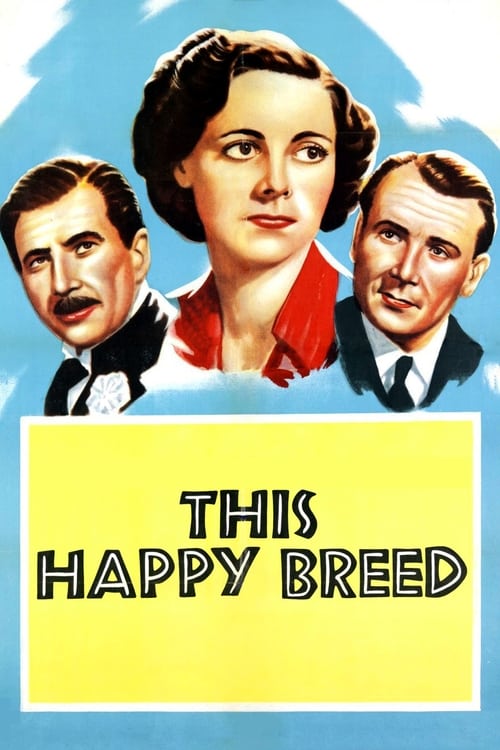
This Happy Breed
7.1

A chronicle of the lives of the Gibbons family, from shortly after the end of the First World War to the beginning of the Second.

This Happy Breed

1944
The Life and Adventures of Nicholas Nickleby
6.7

A fatherless boy tries to make his fortune despite interference from his rich uncle.

The Life and Adventures of Nicholas Nickleby

1947
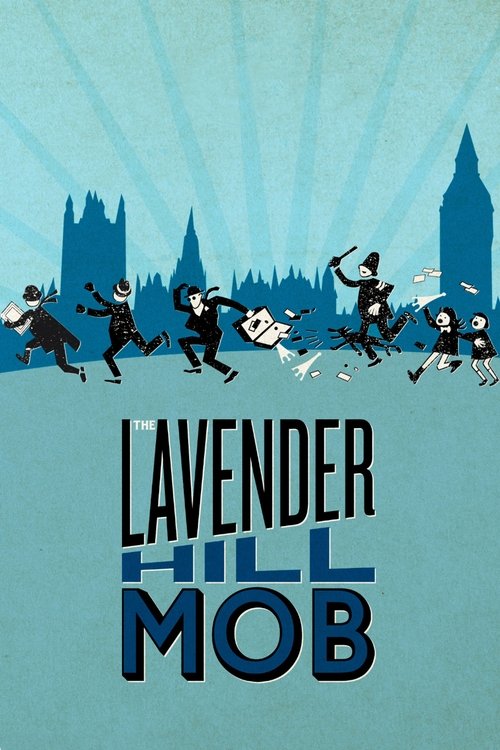
The Lavender Hill Mob
7.2

A meek bank clerk who oversees the shipments of bullion joins with an eccentric neighbor to steal gold bars and smuggle them out of the country.

The Lavender Hill Mob

1951
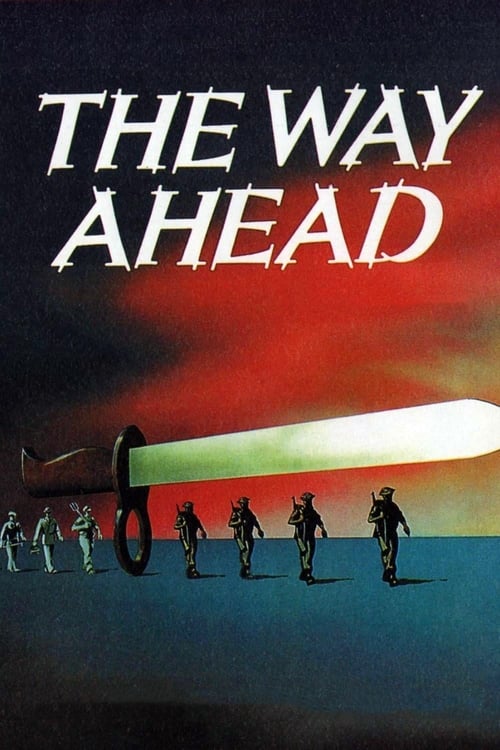
The Way Ahead
6.6

A mismatched collection of conscripted civilians find training tough under Lieutenant Jim Perry and Sergeant Ned Fletcher when they are called up to replace an infantry battalion that had suffered casualties at Dunkirk.

The Way Ahead

1944
The Titfield Thunderbolt
7.0

When British Railways announce the closure of the Titfield to Mallingford branch line a group of local residents make a bid to run it themselves, backed by a monied member of the community who is attracted by the complete lack of licensing hours on trains. Unfortunately the local bus company starts to use methods that can hardly be seen as fair competition.

The Titfield Thunderbolt

1953