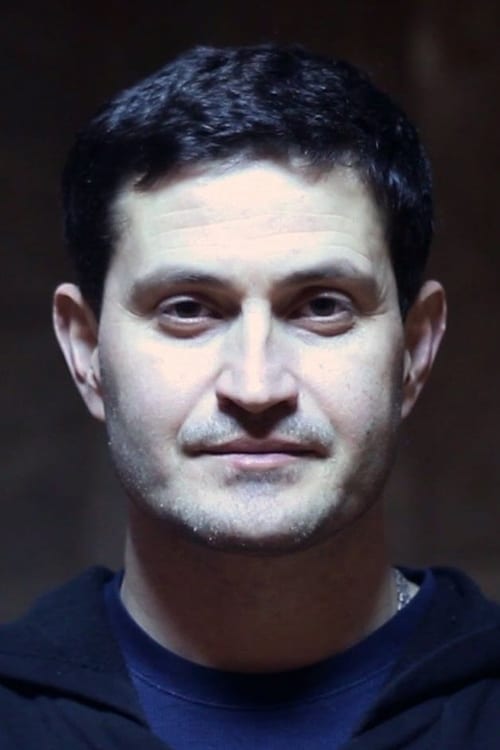
Akhtem Seitablaiev
Directing
Biography
Crimean Tatar filmmaker. Akhtem Shevketovych Seitablayev, born 11 December 1972, is a Ukrainian actor, screenwriter and film director of the Crimean Tatars origin. He is the director of several high-profile films, including Haytarma in 2013 and Another's Prayer in 2017. He has expressed opposition to the annexation of Crimea by the Russian Federation and his films about the fate of several prominent Crimean Tatars have been praised throughout the former Soviet Union but criticized by hardline Russian nationalists. Seitablaiev was born in 1972 in Yangiyo‘l, then part of the Uzbek SSR. During the Stalinist period, his parents were deported by the Soviet authorities to Uzbekistan in the Sürgün since Crimean Tatars were one of the several ethnic groups to experience universal exile in the Stalin era. He attended school in Uzbekistan and remained in there with his family until they moved back to Crimea during the Perestroika era in 1989, where he began his film career in 1992 after graduating from the Crimean Cultural Enlightenment School. From 1992 to 2004 he worked at the Simferopol State Crimean Tatar Theater, where he directed several plays including works of Alexander Pushkin. In 2005 he began working at the Kyiv Academic Theatre of Drama and Comedy on the left-bank of Dnieper. In 2009 he directed his first film, Quartet for Two. In 2013 he directed the movie Haytarma (English: Return) based on the real life of Amet-khan Sultan, a Crimean Tatar flying ace and twice Hero of the Soviet Union who witnessed the Sürgün but managed to avoid deportation due to his father's Lak ancestry and the intervention of Timofey Khryukin, commander of the 8th Air Army. The film was praised by the Kyiv Post as "must-see for history enthusiasts" and criticized by Komsomolskaya Pravda for depicting the NKVD officers doing the deportation as violent while portraying the deported women and children in a much more sympathetic light. Russian consul in Crimea Vladimir Andreev said the film was "distorting the truth", and attacked the movie for being made by Crimean Tatars, who he said deserved to be deported, but he admitted that he did not actually watch the film, and based his opinion that the movie was inaccurate only because it was made by Crimean Tatars. However, Andreev's orders telling Russians invited to the film to not attend resulted in several Russian generals invited to the premiere cancelling, though some still saw it. Andreev's comments sparked a huge backlash that led to his resignation, while Seitablayev jokingly thanked Andreev for giving the movie free advertising.
Known For
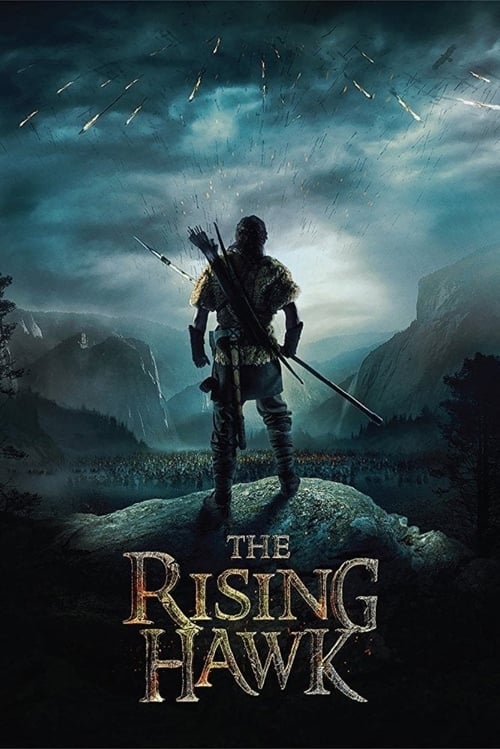
During the 13th century, a small village fights for freedom in the frontier landscape of the Carpathian Mountains against Mongolian invaders.
The Rising Hawk
No description available.
На линии жизни
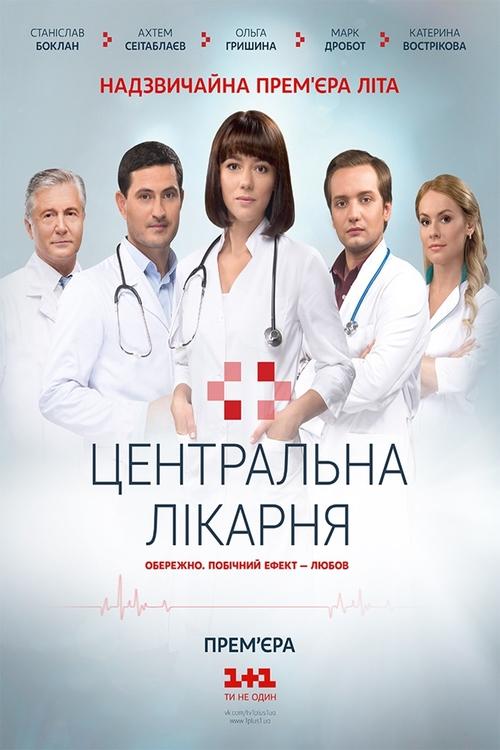
The protagonist Rustam's new job brings him to the central hospital of a provincial town where his former lover works. Their relationship explodes with a new impulse of passion. However, she already has an admirer who has no intention of giving up.
Central Hospital
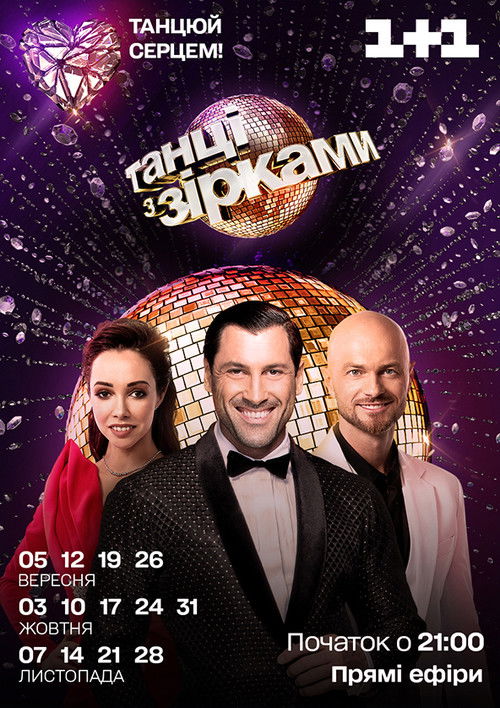
No description available.
Dancing with the Stars
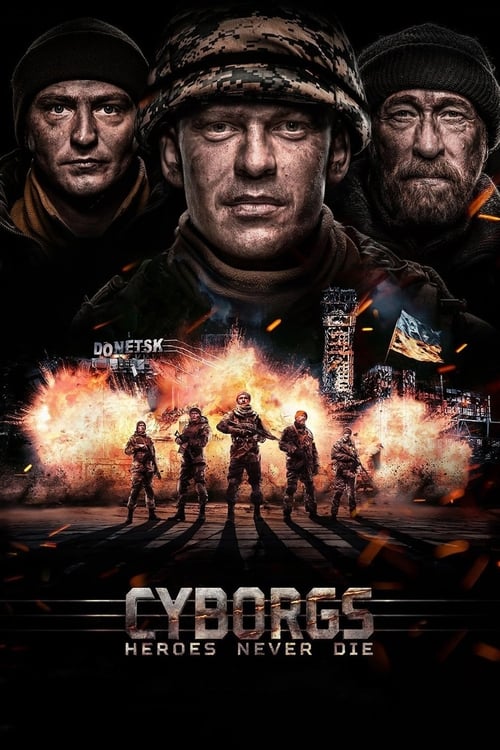
‘The Cyborgs’ is re-telling the recent history of Ukraine – the legendary fight for Donetsk Airport in 2014 during Russian invasion. The freedom fighters from various divisions of Ukrainian army and volunteer battalions took a 242-days stand against the Russian backed militants until the complete destruction of the airport’s terminal.
Cyborgs
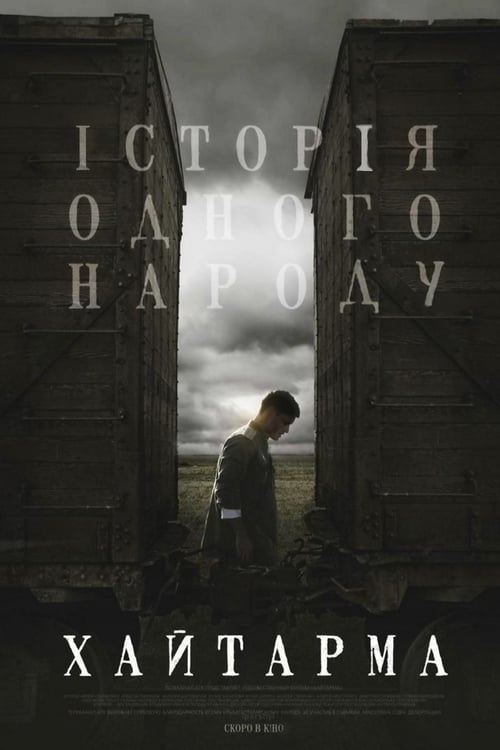
The film tells about the tragic date in the history of the Crimean Tatar people — May 18, 1944 — Stalin’s deportation of the Crimean Tatars. The plot of the film — a pilot, twice Hero of the Soviet Union, Amethan Sultan. In May, 1944, a year after liberation of Sevastopol Amethan goes on vacation to his native town Alupka. On May 18 his eyes witness begining of deportation of the Crimean Tatars.
Khaytarma
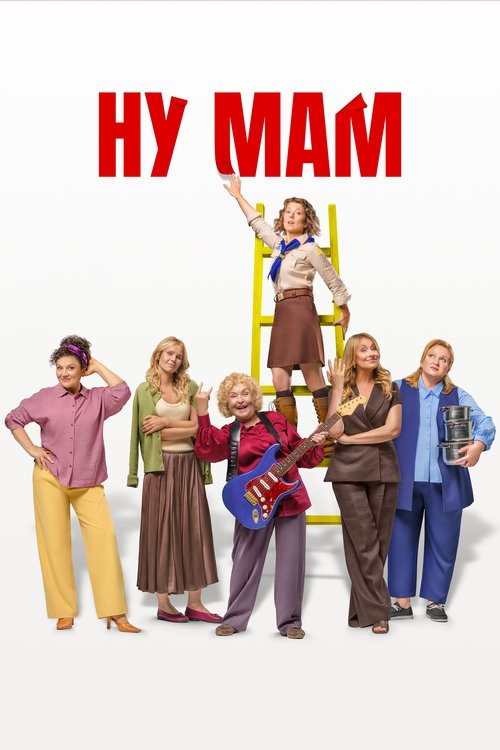
How much is contained in these two words—irritation, tenderness, laughter, love. And a little shame, when she knows everything about you. Even what you yourself have forgotten. This film is about all mothers and for all of us. About those moments when you say, “Mooom, don’t start”—and she starts. About the calls with the question, “Have you eaten?” when you are in a courtroom or on a date. About superpowers that work even thousands of kilometers away.
Oh Mom!
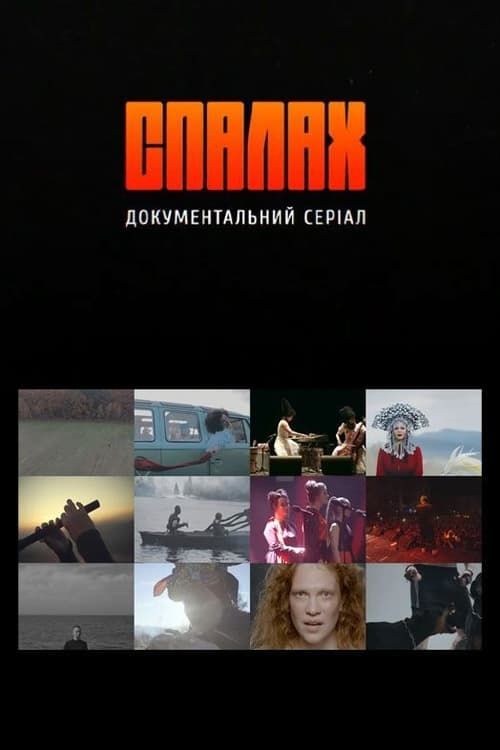
A series about the evolution of various spheres of Ukrainian culture and its modern heroes. This is the result of 100+ interviews and stories about how whole layers of culture were created in Ukraine. It is an attempt to capture the outbreak that is happening today and that we are waiting for tomorrow, to understand the strengths and weaknesses, identify trends and find answers to questions that concern. Each episode reveals an important topic: from the phenomenon of Ukrainian pop music and clipmaking to movies, comedy, street art and local clothing brands.
Flash
No description available.
8 Countries 8 Directors & Sinan
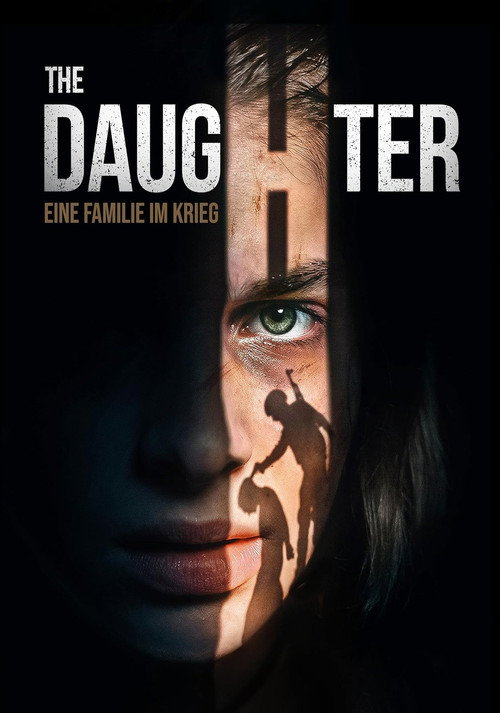
Seventeen-year-old hearing-impaired Olga, along with her father Roman, stepmother Maryna and younger brother Sashko, is about to embark on a dangerous journey to the west of the country to escape the advancing Russian forces. However, their house is suddenly occupied by enemy soldiers.
The Daughter
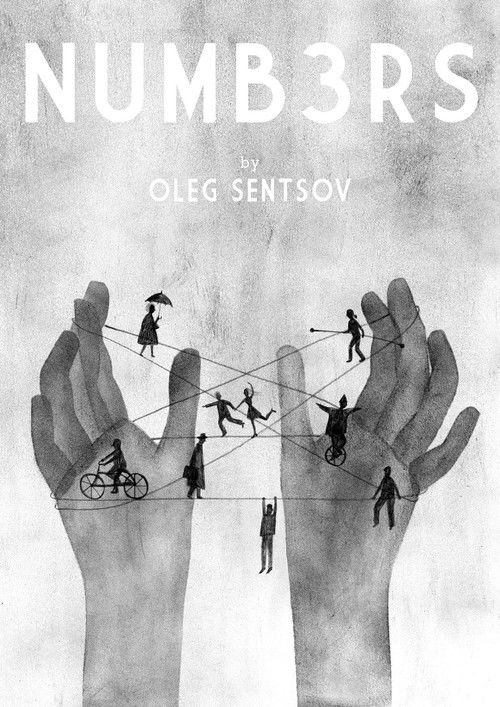
Ten figures walk around in a circle. All they have is a number. The “Great Zero” monitors them. Based on a dystopian parable by Oleg Sentsov, this film was created between Kyiv and the Siberian penal colony where Sentsov spent five years as a political prisoner.
Numbers

Film tells an exciting story of a confrontation between talented boxer and criminal patrons of mixed fights MMA.
The Fight Rules
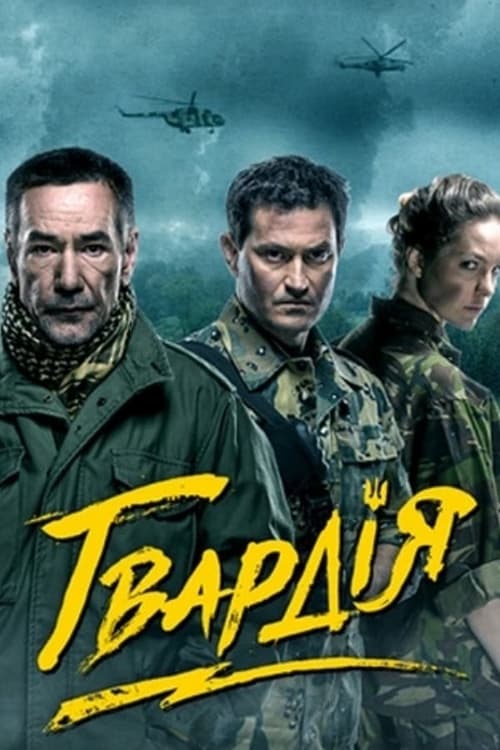
The events begin during the Euromaidan, where the heroes find themselves on different sides of the barricades: one of them is an officer of the internal troops, others are protesters. When the Russian intervention in Ukraine begins, the former opponents turn up in the National Guard. Different and sometimes conflicting young people have to go through the school of a real fighter. Will the military and recruits, who were "enemies" yesterday, be able to become the only team capable of defending their country?
Guard

The story of trust and its absence against the background of events unfolding in Eastern Ukraine in early 2014. The main topic is revealed through the prism of the Luhansk border base, whose fighters the separatists and Russian special services tried unsuccessfully force to betray their country.
Myrnyi-21
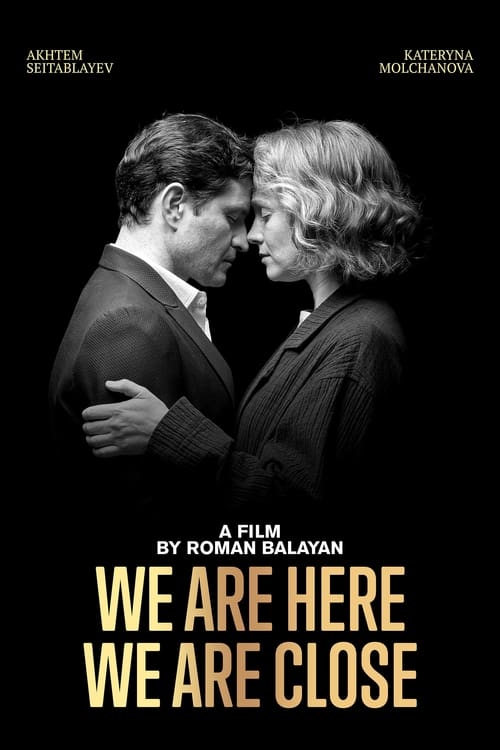
Alex, an experienced surgeon, makes a mistake in the diagnosis of his seven-year-old godson. The boy dies on the operating table. Stunned, the man tenders his resignation. One autumn morning he is sitting on the riverbank in a favourite place where he used to fish with his godson. Suddenly he notices the figure of a shapely semi-naked girl emerging from the fog. She is shivering with cold. Alex spontaneously offers his help, and thus becomes part of an incredible adventure story.
We Are Here. We Are Close
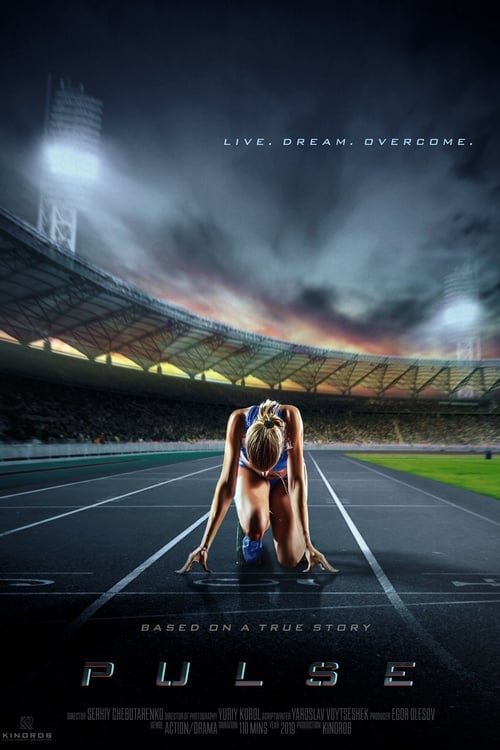
As a result of a terrible car accident, young Ukrainian athlete Oksana Boturchuk suffers several serious injuries, almost losing her eyesight. However, after long rehabilitation and a returning to incredible training, she is able to conquer a gold medal at the Paralympic Games in Beijing.
Pulse
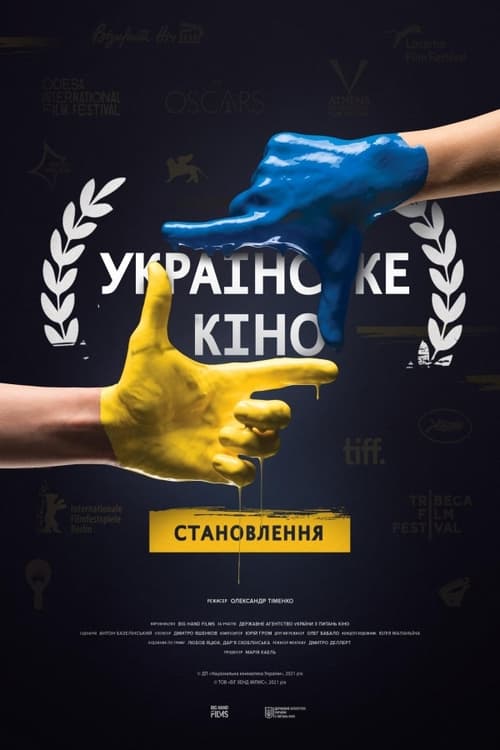
A documentary film about the rise of Ukrainian cinema both at the national level and on the international stage.
Ukrainian Cinema. The Rise
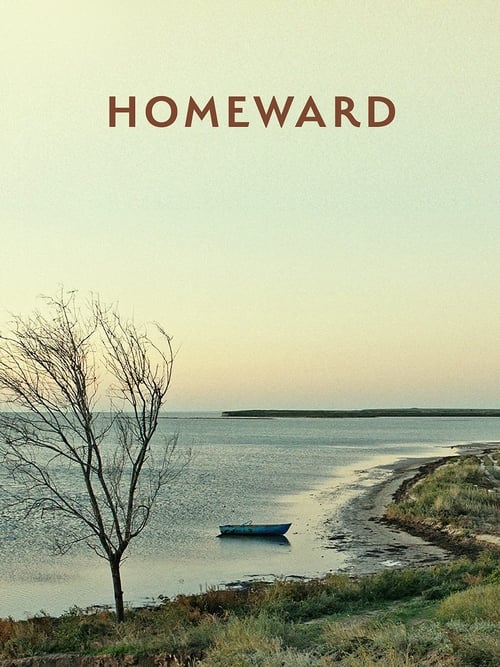
Having lost his oldest son in the war between Russia and Ukraine, Mustafa resolves to bring the boy’s body to the land of his birth: Crimea. Together, he and his younger son set out on a journey that will profoundly mark their relationship.
Homeward
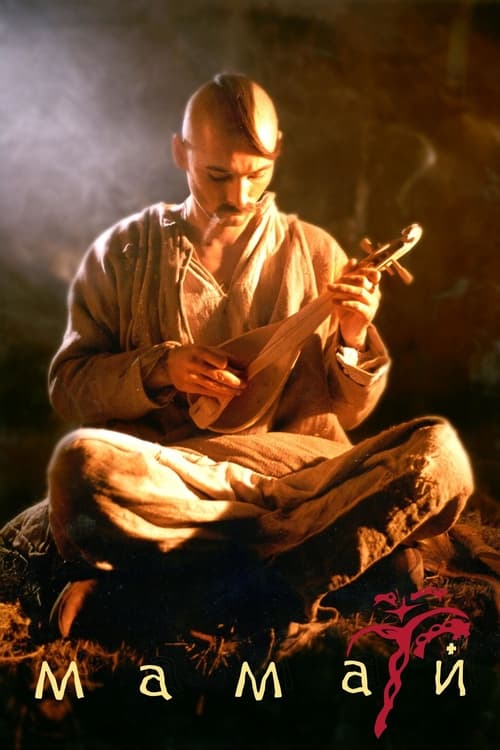
Mamay draws on traditional Ukranian and Tatar folktales for its Romeo and Juliet-like love story and parable about chivalry and the struggle for freedom. Hundreds of years ago, in the wild steppes of Crimea that form an uneasy border between East and West, Europe and Asia, nomad and farmer, the proud Cossack Mamay falls in love with the Tatar beauty Omai. The title, like the storyline, holds a variety of different meanings taken from different cultures. In Turkic languages, it means "no one," but it was also the name of a famous Mongol conqueror, the great grandson of Ghengis-Khan. In Persian legends, mamay literally means "the spirit of the steppes. "
Mamay
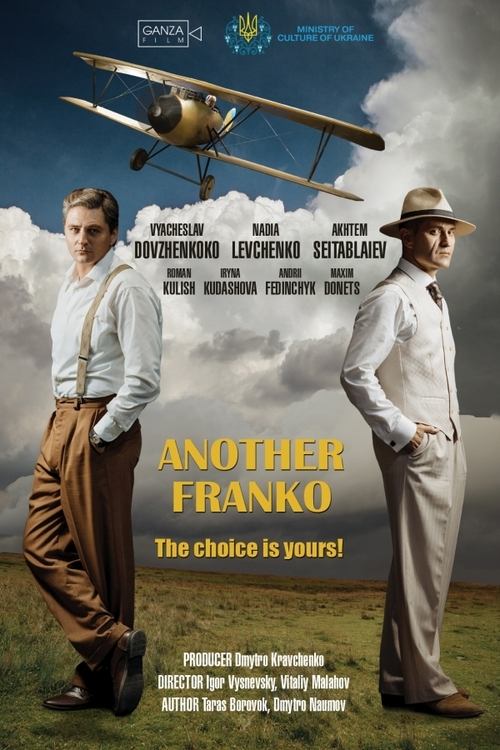
A historical drama dedicated to Ivan Franko's son Peter, who lived a life full of achievements and adventures.