Hanne Hiob
Acting
Known For
No description available.
3 nach 9

Der Kommissar is a German television series about a group of detectives of the Munich homicide squad. All 97 episodes, which were shot in black-and-white and first broadcast between 1969 and 1976, were written by Herbert Reinecker and starred Erik Ode as Kommissar Herbert Keller. Keller's assistants were Walter Grabert, Robert Heines, and Harry Klein who, in 1974, was replaced by his younger brother Erwin Klein.
The Commissioner
No description available.
Wortwechsel

No description available.
Zeugen des Jahrhunderts
Berlin's theatre crowd is excited about the new operetta "Frau Luna". But for the head of the city's vice police, who was invited to the dress rehearsal, the costumes for the ladies onstage are a bit too revealing. He demands the show be cancelled as offensive. The president of the Thusneldenbund has taken it upon himself to alert everyone about the growth of immorality in the capital. The theatre director Knopp has come up with an idea to convince these "fine" gentlemen to let the operetta go onstage again: He intends to win over the friendship of the moral police and then nothing will stand in the way of "Frau Luna" once more being performed.
Mistress Moon
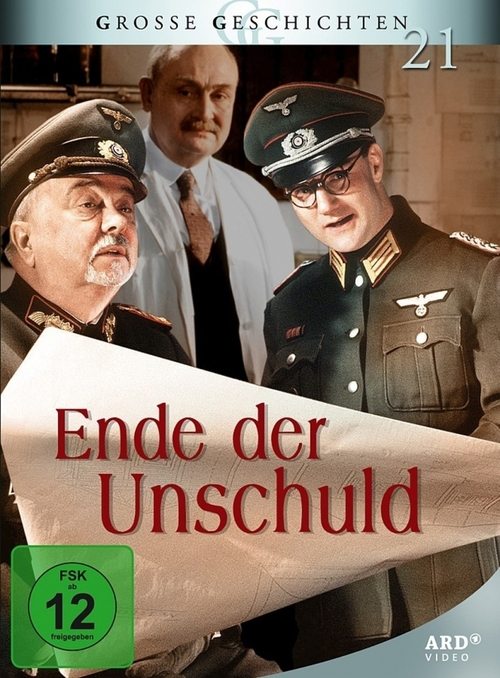
End of Innocence is a two-part television film that focuses on the work of the German Uranium Association during World War II. At Farm Hall in England, the ten German nuclear scientists interned there as part of Operation Epsilon learn of the dropping of the first atomic bomb on Hiroshima in August 1945. In flashbacks, the development of the German uranium project is recapitulated chronologically from the discovery of nuclear fission by Otto Hahn to the work of Kurt Diebner at the Heereswaffenamt to the experiments of the Kaiser Wilhelm Institute for Physics under Werner Heisenberg and Carl Friedrich von Weizsäcker at the Haigerloch research reactor in spring 1945.
End of Innocence
No description available.
Die Physiker
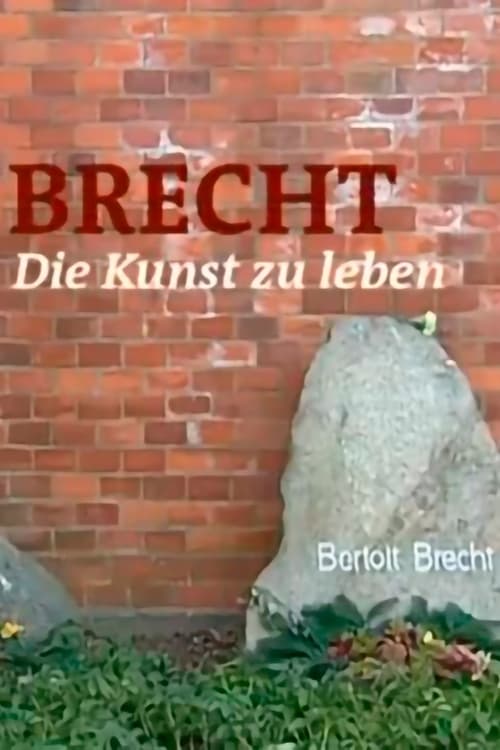
He wanted to revolutionize theater practice and at the same time social awareness: Today Brecht, who was born in Augsburg in 1898 and died in East Berlin in 1956, is one of the most important playwrights of the 20th century.
Brecht - Die Kunst zu leben
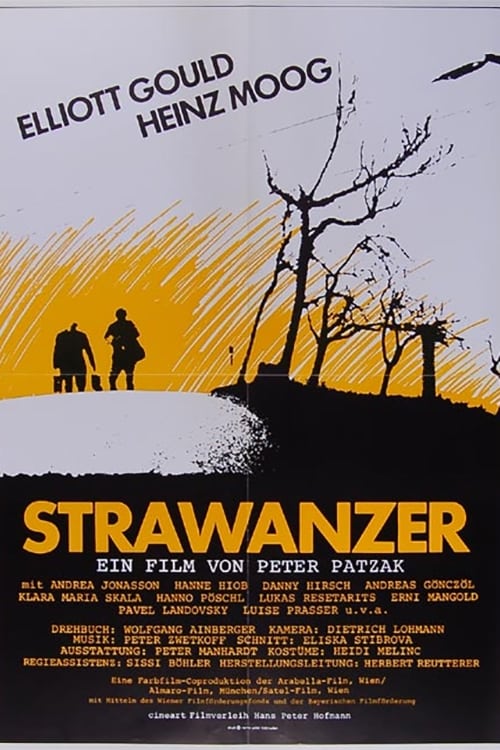
The intellectual Willie flees from his bourgeois-academic environment, leaving behind his wife, child, and job to lead a vagabond life. In Vienna, he meets the retired laborer Josef, who becomes his closest friend. Together, they drink and roam the city. Willie makes one last attempt to visit his ex-wife in Salzburg, but she turns him away. Secretly, he takes his son Tommi with him, putting him in danger when they encounter a sinister motorcycle gang.
Tramps
No description available.
Haben
No description available.
Die Gewehre der Frau Carrar
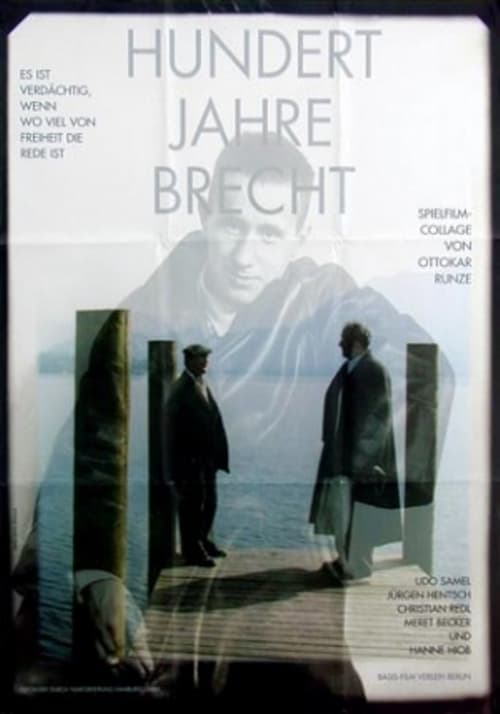
No description available.
Hundert Jahre Brecht
No description available.
Regentropfen
No description available.
Nebeneinander
Wassa Schelesnowa, a manipulative matriarch who will stop at nothing to keep her business afloat and her family together. Infanticide, forgery, murder, blackmail, adultery, exile, and plain old-fashioned greed are the order of the day as Wassa's colorful clan tries to scheme its way out of the house and into financial independence.
Wassa Schelesnowa
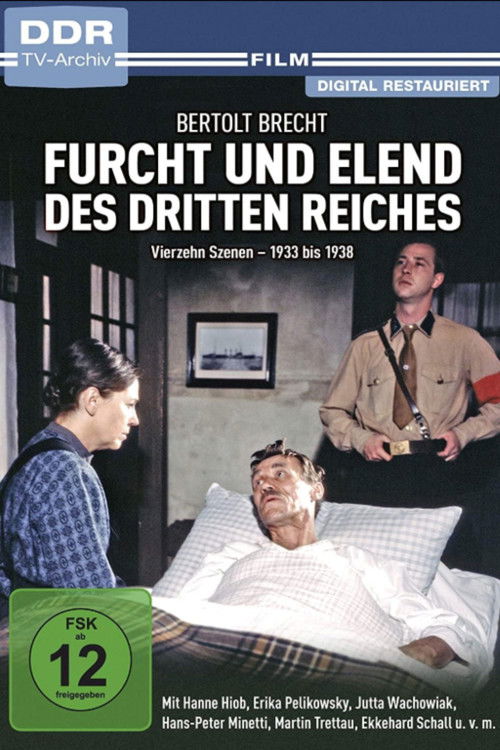
Film adaptation of Berthold Brecht's play of the same name, in which he depicts everyday life in Nazi Germany in loosely connected scenes.
Fear and Misery of the Third Reich
The Investigation (1965) is TV version of a play by German playwright Peter Weiss that depicts the Frankfurt Auschwitz Trials of 1963–1965.
The Investigation
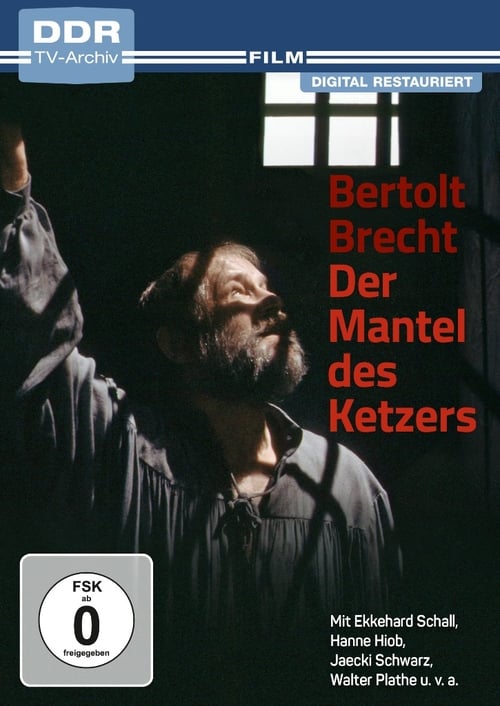
Based on a novella by Bertolt Brecht.
Der Mantel des Ketzers
No description available.