Jerry Shields
Directing
Known For
An Aesop's Fables Studio cartoon.
Barnyard Artists
In Happy-Go-Luckies a pair of ukulele-strumming railroad hoboes fake their way into a dog show and make off with the prize loot. “Two heads are better than one” is the moral. To modern eyes, our trickster duo may look like two dogs—in the show they pretend to be one long dog—but audiences of the ’20s would have recognized a dog-and-cat team. The black body, white face, and sharp ears would have been most familiar from the greatest jazz-era trickster cat, Felix. Dogs and cats—much easier to animate than humans—were everywhere in silent cartoons. Terry, like most early film animators, had begun as a newspaper cartoonist, and his first strip, working with his brother as a teenager for the San Francisco Call, was about the adventures of a dog named Alonzo.
Happy Go Luckies
It's the mice versus the cats in a football stadium.
Pigskin Capers
Farmer Al Falfa is playing poker with an ostrich down in Africa, while a robotic mouse frightens off a robotic elephant in this technocratic nightmare from Paul Terry's Aesop's Fables studio.
High Stakes
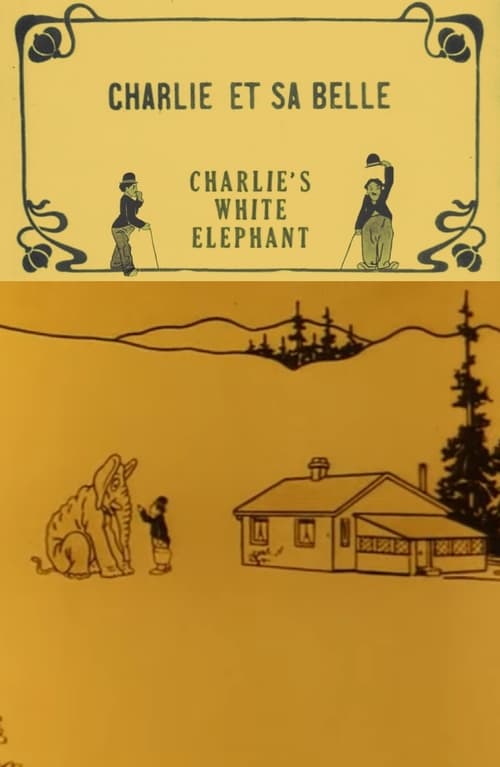
A cartoon based on Charlie Chaplin's "Little Tramp", with Chaplin himself supplying some gags.
Charlie's White Elephant
Silent cartoon.
White Elephant
Unofficial Charlie Chaplin cartoon produced for Movca Film by S. J. Sangretti and animated by John C. Terry, G. A. Bronstrup, and Hugh Shields.
Charlie on the Windmill
Silent cartoon.
Rats in His Garret
Various anthropomorphic animals flock to the stadium to watch a horse race. Released November 16, 1930
Scotch Highball
An Aesop’s Film Fables short.
In the Rough
Al Falfa and the cat have a traveling medicine show. They stop and the cat plays some banjo music, and then Al sells his miracle cure: ends lumbago, whatever that is! Grows hair! Improves your bowling score!
Kill or Cure
Aesop's Fables cartoon.
Pests
An Aesop’s Film Fables cartoon featuring Waffles the Cat.
Outnumbered
An Aesop’s Film Fables cartoon.