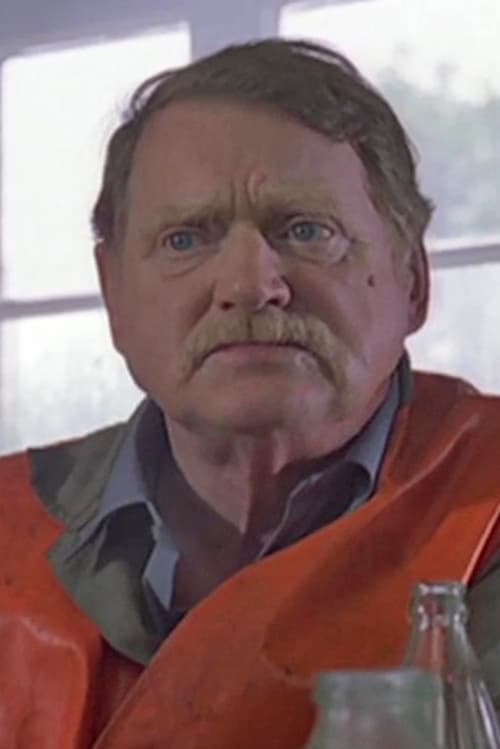
Edgar Külow
Acting
Known For
Polizeiruf 110 is a long-running German language detective television series. The first episode was broadcast 27 June 1971 in the German Democratic Republic, and after the dissolution of Fernsehen der DDR the series was picked up by ARD. It was originally created as a counterpart to the West German series Tatort, and quickly became a public favorite.
Polizeiruf 110
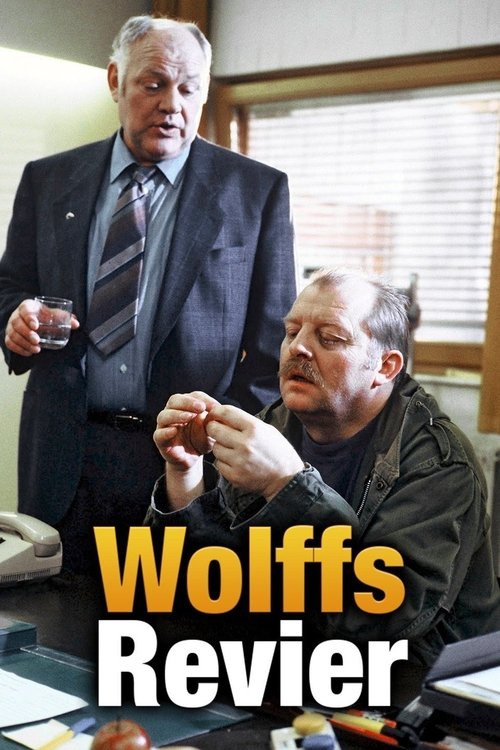
Wolffs Revier is a German television series.
Wolffs Revier
Der Staatsanwalt hat das Wort was an East German television series.
Der Staatsanwalt hat das Wort
No description available.
Lebensläufe
The show was meant to compete with those on West German television. To this end it was fairly successful even attracting a following in parts of West Germany which could receive Eastern TV. Its production values were high. Apart from song and dance numbers and appearances from East German celebrities, almost every broadcast featured well-known stars from the west, often after their popularity had peaked in their home countries.
Ein Kessel Buntes

Salto Kommunale is a German television series.
Salto Kommunale
No description available.
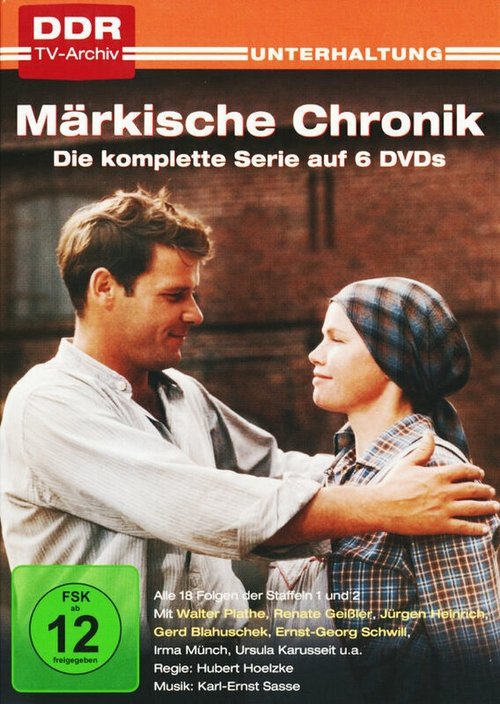
Märkische Chronik
No description available.
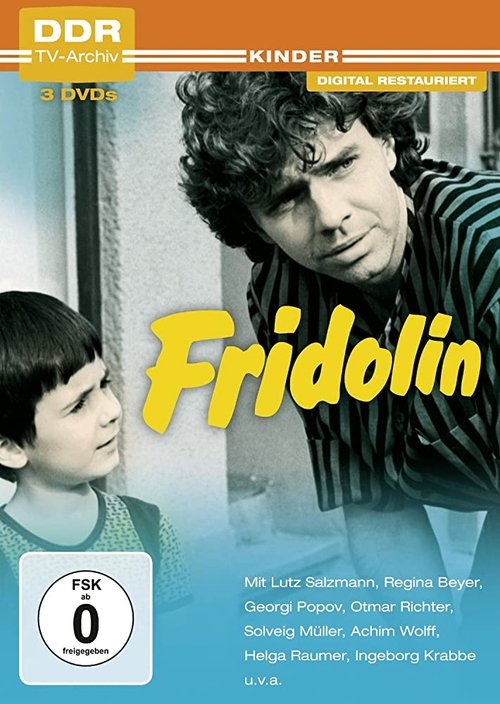
Fridolin
Ein Mann am Zug is a German television series.
Ein Mann am Zug

The two computer specialists Frank and Kamminke are not the type of citizens the party likes. Thus they are sent to the landscape where they still find enough stuff to do: They repair the software of a western type factory which is currently not working.
Two Strange Characters
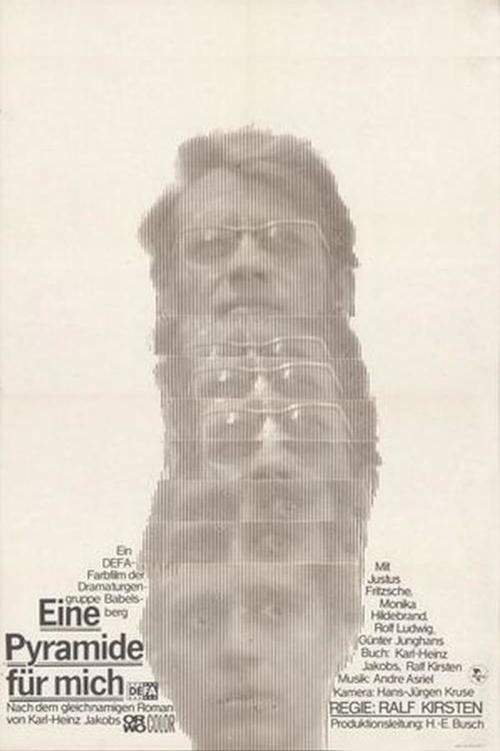
A conference is to be held once again to discuss the construction of a new dam, which Professor Paul Satie rejects. During a train journey, he spontaneously leaves the train. Here in Wolfsgrün, from 1948 to 1950, he helped build the old, now far too small dam as a youth brigadier. He and the others who helped build it have erected a monument to this. A monument with his name on it. Is that perhaps why he is against the new dam?
Eine Pyramide für mich

Paul and Paula have had bad experiences with love: Paul is financially well off but has lost all affection for his wife, and Paula leads a troublesome life raising two children on her own. They meet and discover a strong passion for each other. Life seems like a dream when they're together - but their short flights from the burdens of reality are once and again interrupted by Paul's ties to family and career.
The Legend of Paul and Paula
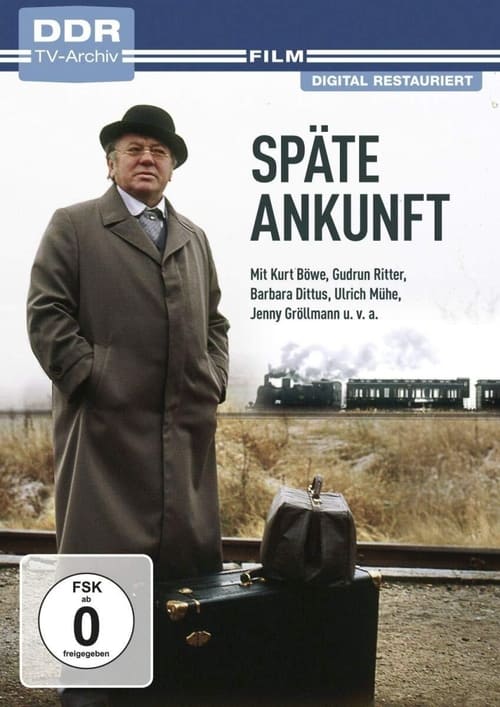
In 1896 the Berlin noble doctor Dr. Wilhelm Holtfreter takes over his well-to-do wife Mathilde and takes over the country doctor's office in the Prussian district of Westprignitz from the late Dr. Tochtenhagen. His decision was met with incomprehension everywhere.
Späte Ankunft
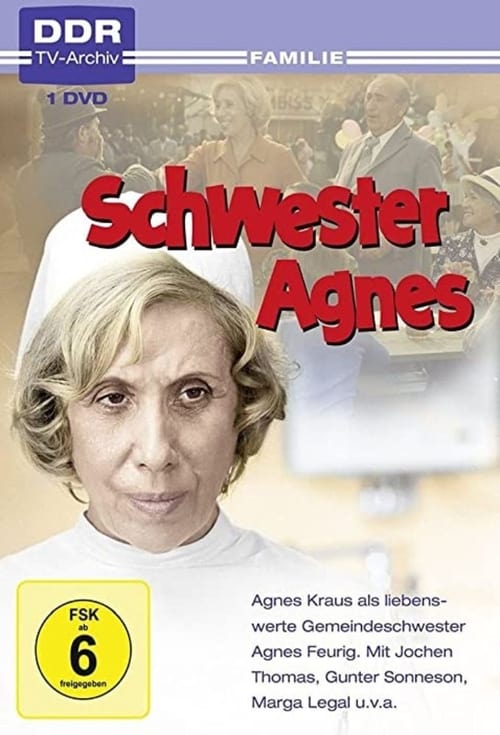
Sister Agnes helps in all situations and does not only make friends. She has just fallen out with the new mayor. The consequences leave an entire community upside down.
Schwester Agnes
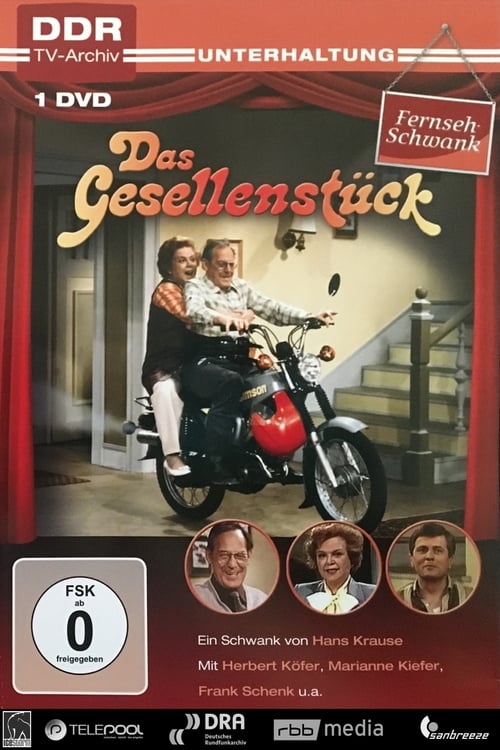
Otto Kimmel had a long career as a confectioner. Now he is a pensioner and primarily a grandpa. In his house, where three generations live under one roof, Otto is the restless soul; this sometimes causes problems, but also brings a lot of joy. For his grandchildren, Grandpa Otto is a "fragrant buddy" because he is up for a lot of fun and initiates the craziest things. To Martha's chagrin, however, he sometimes oversteps his grandfatherly "sphere of competence". Amusing events and entanglements unfold over 75 minutes, and the "Gesellenstück" (journeyman's play) finally results in something that even Grandpa Kimmel is more than surprised by.
Das Gesellenstück
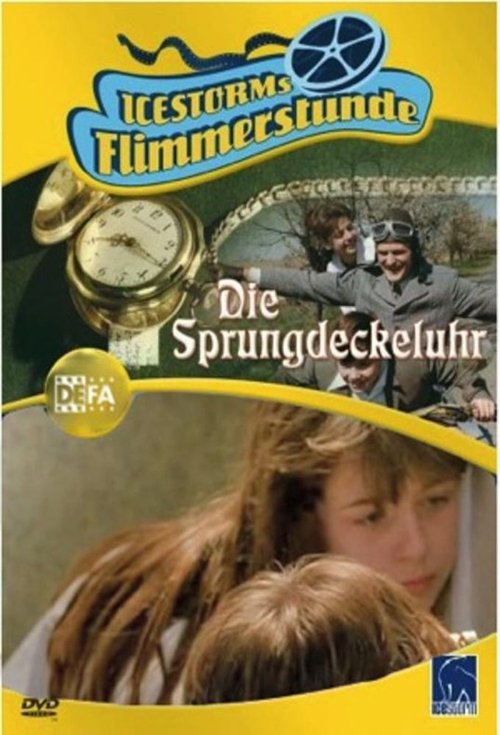
After the Nazis take over political power in Germany, the father of Rosi and Hansi, a member of the communist party, must hide from the police. One thing he left behind is a watch which might contain a message.
The Pocket Watch
Stefan's mother is interviewed by a television crew at her home. On the subject of how a single mother, who is actively involved in the work process, copes, the son, who is present, only gives snotty answers. Stefan works as an apprentice bricklayer and helps to build the French Cathedral on Berliner Platz der Akademie. On the day of his 18th birthday, he tells his mother that he is moving out. In his new surroundings, Stefan meets Christel, a telegram messenger, with whom he falls in love. An attempt to spend a night together in his mother's spare apartment fails, as Christel immediately wants to tie him down. Stefan's mother also arrives earlier than expected. She still hasn't given up on her son. There is a lot of trouble when she catches him working as a toilet attendant in a pub.
Ab heute erwachsen
No description available.
Kleeblatt grüßt Kaktus
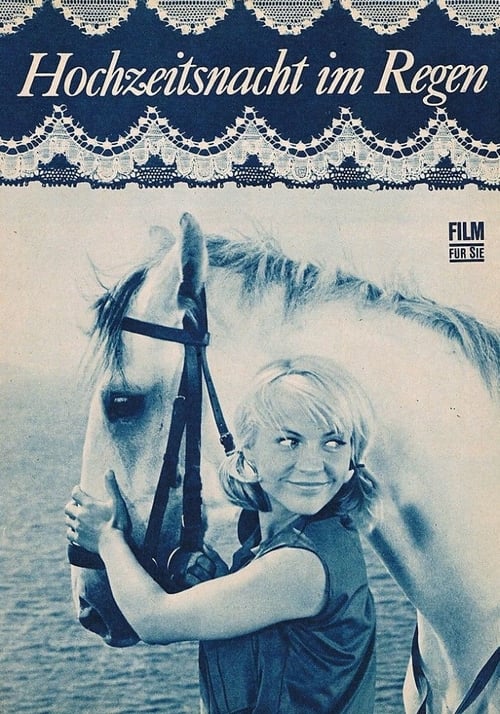
This comedic musical tells the story of Gabi, a young hairdresser from the Baltic coast who desperately wants to be a jockey. One day, she packs her bags, drives to Hoppegarten, and is soundly rejected by the head coach. Gabi doesn't want to give up, and in order to at least have a roof over her head, she rushes into a marriage with the seemingly nice Freddie. However, this marriage soon proves to be her second rejection, as Freddie openly dislikes the fact that she wants to be a jockey.
Wedding Night In The Drizzle
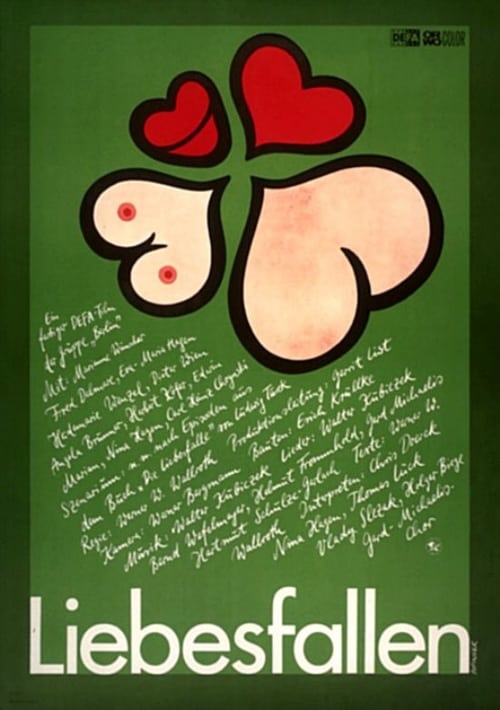
This episodic comedy explores love in all its varieties.