Acting
Polizeiruf 110 is a long-running German language detective television series. The first episode was broadcast 27 June 1971 in the German Democratic Republic, and after the dissolution of Fernsehen der DDR the series was picked up by ARD. It was originally created as a counterpart to the West German series Tatort, and quickly became a public favorite.
Der Staatsanwalt hat das Wort was an East German television series.
The story of a philanderer behind the wheel of a cab, who gets into a series of hilarious but also adventurous situations, was based on the actual experiences of Berlin cab drivers. It is an entertaining portrayal of how the main protagonist, Eddy, is to be cleverly dissuaded from his dashing bachelor life. Gaby and her grandpa come up with a few ideas. This is necessary, because Eddy may be a proper cab driver, but in his private life he knows no rules when it comes to winning over pretty girls.
Maja Wegner is in her late thirties and a single mother of a teenage daughter. To give her stale life a new direction, she decides to start all over again in the big city. She sells her house in the countryside, quits her job, and moves with her daughter to Berlin. There, she finds a job as a conductor for the railroad company. Although Maja soon finds new friends in her apartment building, the search for a new life partner does not come off so easily.
Tambari - it's a name of an old boat which children of a small village on a Baltic sea shore got from an old fisherman Luden. But not all the village adults were ready to approve it...
Kerstin, daughter of a Stasi officer, escaped East Berlin life but is pulled back when her father secretly manipulates her career. After the Wall falls, she and former West programmer Reginald use forged documents and hidden cash to build new identities and jobs, but old loyalties, secret pasts, and resurging temptations threaten their fresh start.
No description available.
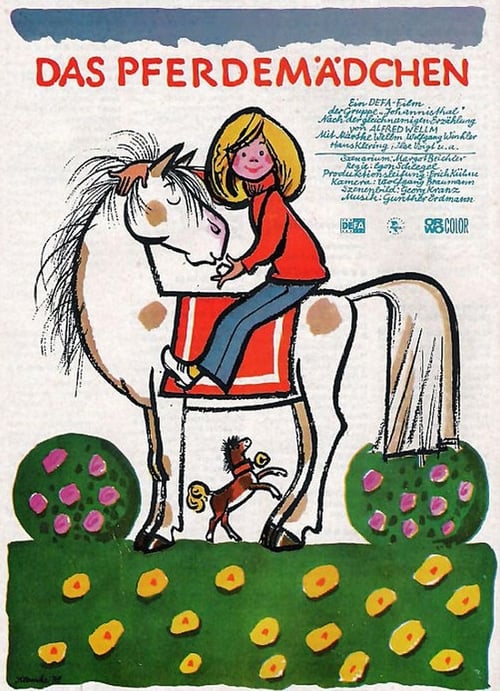
Irka and Raya are best friends, one always knows immediately what the other wants. Irka is young, lively and a girl, Raya is old, blind and a proud mare who had great times as a show horse. The two are inseparable. But when Raya has a foal, Irka turns her attention to the small, helpless and cute animal. Her father had actually promised that she could keep both horses. One day, however, he tells her that she has to part with one of the horses. Irka has to decide for herself: The cute foal or the old mare?
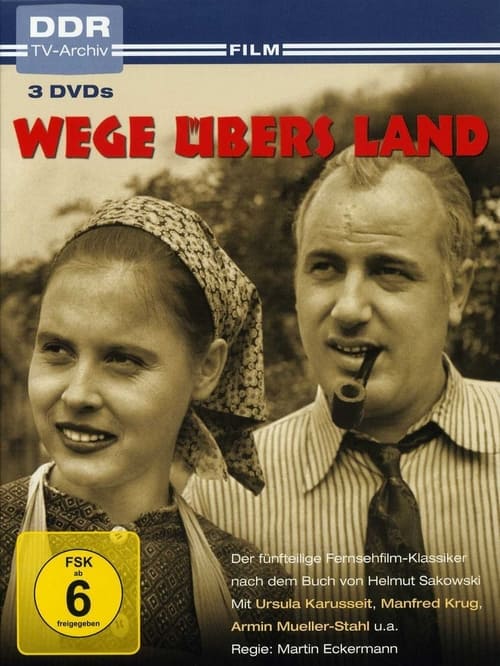
East German TV miniseries about the young maid Gertrud Habersaat, who marries, moves from Mecklenburg to Poland in the early 1940s, has to come back to Mecklenburg as a refugee during World War II and finally finds her place during the 1950s.
The two computer specialists Frank and Kamminke are not the type of citizens the party likes. Thus they are sent to the landscape where they still find enough stuff to do: They repair the software of a western type factory which is currently not working.
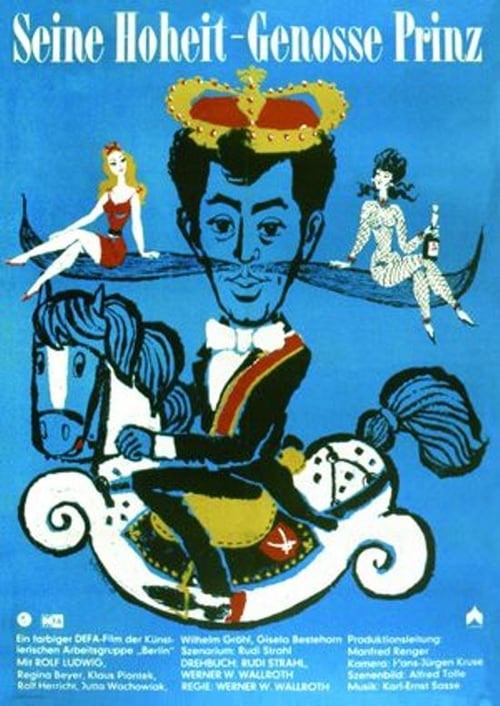
Kasper Mai, an export merchant and comrade with a “clean” record, discovers he is the prince of Hohenlohe-Liebenstein. His royal grandmother designates him as the heir to her estate. A private trip to her reveals that she does not want a NATO airbase built on her land. The GDR and his grandmother thus find a common interest, and a clever lawyer from the East works against other family members looking to settle their debts with the estate money.
The young Walter Retzlow, drafted into the guard team of a foreign labor factory in the last year of the war, receives the papers of a murdered anti-fascist by chance. He adopts the new identity, which promises him security.
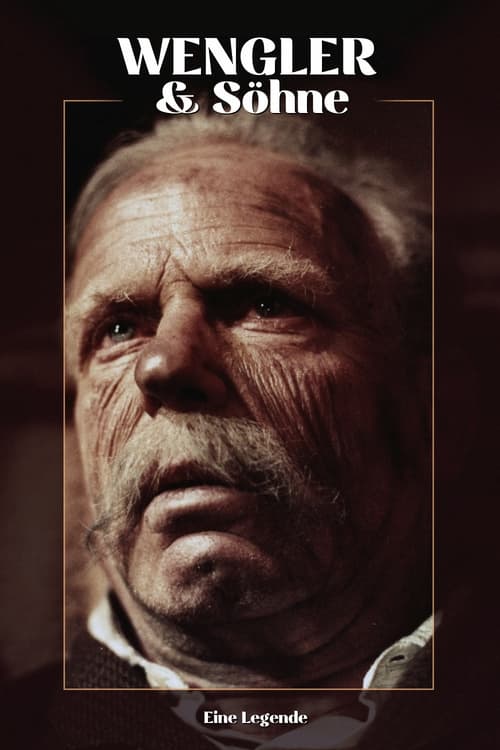
A story spanning three generations, from 1871 to 1945. When Gustav Wengler, a farmer’s son, returns from the Franco-German war in 1871, he goes to work for a precision mechanics and optical company, where he soon becomes a master craftsman. Wengler loyally promises the owner on his deathbed that his sons and grandsons will also stand by the company.
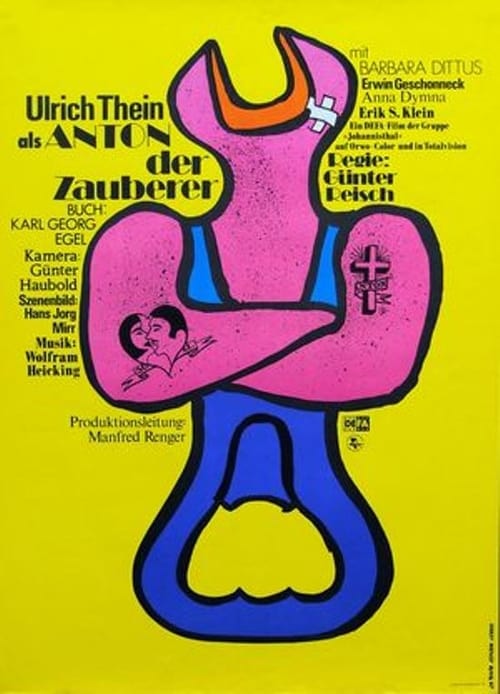
A flamboyant comedy about love, work and money—revealing that the "planned" economy produced some unconventional entrepreneurial methods.
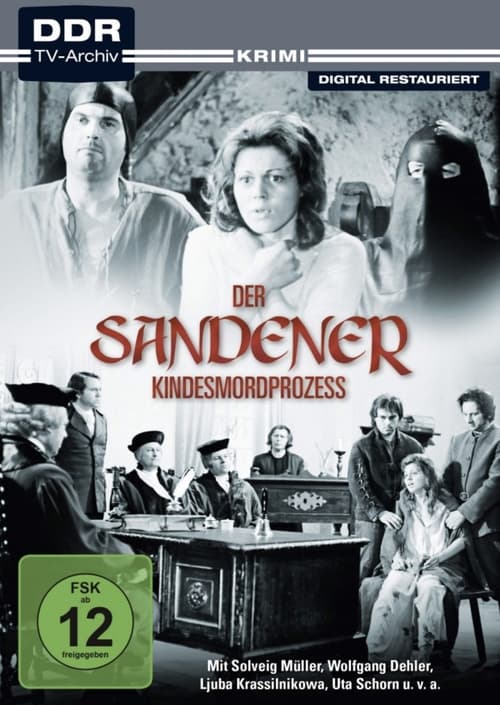
Young Anna Hallbauer, daughter of a blind trumpeter, is suspected of infanticide. In the winter of 1802, children playing in a pond near the village of Sanden found the body of a newborn baby. Heinz Schirmer, a geographer appointed by Baron von Droste, has enough evidence to bring Hallbauer to trial. In the course of the proceedings, in which he believes he is serving absolute, infallible justice, he suddenly finds himself entangled in the crime...
This story of the miller Florian, who gave all his money to the war against Napoleon, is loosely based on a true story. After the war, Florian's reimbursement is challenged, and he must also pay taxes on his destroyed mill. He resists the tax collectors and takes off to Vienna, where he intends to defend his rights. On the way, he rescues the Duchess of Guastalla from assault. She also wants to go to Vienna, as His Majesty Franz II is trying to contest an heir in her favor. With cunning, luck, and dagger, Florian fights his way through a slew of nobility and their secret police.
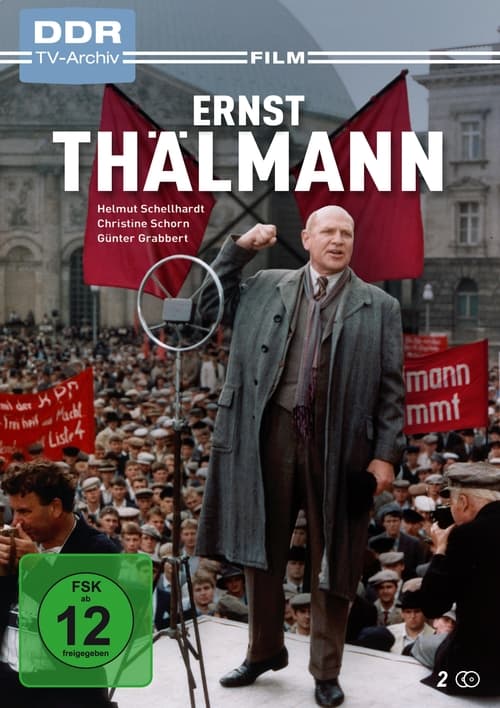
This elaborate two-part television film features a section from the life of communist worker leader Ernst Thälmann. It begins with the bloody riots on May 1, 1929 in Berlin, in which police officers shot at demonstrating workers, and ends with February 7, 1933, when Thälmann appeared as a speaker at the illegal meeting of the Central Committee of the Communist Party of Germany in goat neck. This period was marked by the struggle of the Communists against the ever stronger National Socialists and the rise of Adolf Hitler.