Directing
French mannequins showcase French fashion and explore Helsinki's attractions.
Ruins of St. Olav's Monastery in Turku, paintings revealed under the plaster. Paintings by artist Nikolai Kaario. Yläne Manor, pictures found in the manor.
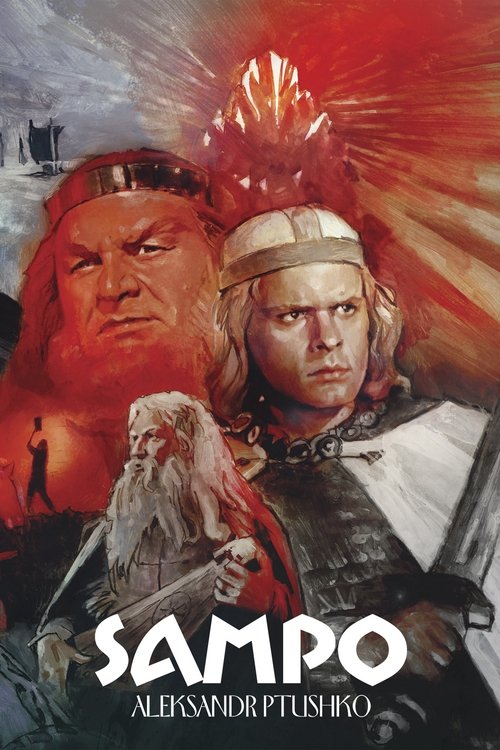
Based on Finnish mythology; Lemminkäinen woos the fair Annikki and battles the evil witch Louhi. Louhi kidnaps Annikki to compel her brother to build for her a Sampo, a magical device that creates salt, grain, and gold. When Lemminkäinen fails to recover the Sampo, Louhi steals the sun, plunging the world into frozen darkness.
Christmas sign homes were special shelters for newborns whose mothers had contracted tuberculosis. The film presents the operation of a Christmas sign home.
Fertilizer factory operations, agriculture.
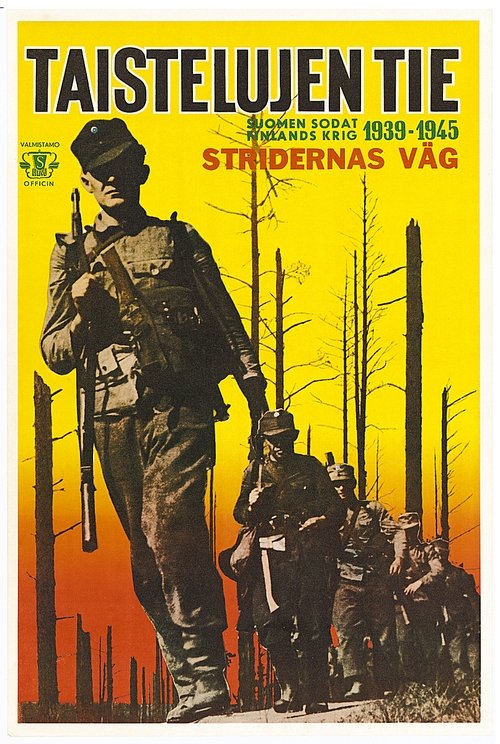
The film depicts Finland's actions in the Winter War and Continuation War using a compilation of material collected from narrators, map images, and TK photographers.
Master composer Jean Sibelius turned 80 on December 8, 1945. He was not an easy case for filmmakers, as his world had long been closed to outsiders. He was associated with prestige, age and respect. However, Sibelius agreed to make a film in the autumn of 1945. Jean and Aino Sibelius are only seen briefly in the film.
This Finlandia Survey compilation ranges from 1949 to 1961, and in it we get to see glimpses of news from both local matches and early international matches. The brave Finns play against the infamous Soviet Red Machine, Canada, and a team of journalists.
War reparations industry. Schooner manufacturing in Rauma at Holming Oy's shipyard.
The morning program begins with a good day greeting from the film's narrator, Count Baron Carl-Erik Creutz. After this, commentators Pekka Tiilikainen and Eero Leväluoma and announcers Matti Tamminen and Kaisu Puuska, among others, join the campaign. "Uncle Markus" Rautio and parliamentary reporter Leo Meller also testify to the breadth of the program. The film moves from the room of program director Jussi Koskiluoma to the studios and workshops, until the camera has to face the director general at a session of the program council. The popular "Mini Parliament" gets a place when the "Radio Discussion Club", which has been meeting since the summer of 1945, lets its candidates elected by parliamentary power be heard by all the people, led by SKDL's Hella Wuolijoki.
Fishing, rafting, floating, log cabins.
Reconstruction and war damage after the Lapland War.
The schooner Uljas on its final voyage
A touching documentary directed by Holger Harrivirta (1915-86) about Finnish children, about 70,000 of whom were sent to Sweden during the war years. The film's train of war children arrives from the Karelian Isthmus in the summer of 1944, travels via Kuopio and Haparanda to Stockholm. In Haparanda, there is a sauna and a medical examination, as well as a check of the surrender papers. Another batch of Karelian war children travels via Helsinki and Vaasa to Umeå in the summer of 1944.
An educational film about the dangers of moving on ice, rescue methods and first aid.
Pictures from Central Ostrobothnia from cultural and economic perspectives.
A travel film introducing Finland, domestic tourist destinations and vacation opportunities through the eyes of frame narrators, "foreign tourists".
The Coalition's election film. Episodes of a grandfather and a young man discussing the ideas and politics of the time on a "Sunday walk" are shown as a frame story. In addition, a speech by the chairman of the Coalition's parliamentary group, Arvo Salminen, about the party's goals.
An introductory film about an Ostrobothnian city.
A short film about the work and private life of the Prime Minister, made in honor of J. K. Paasikivi's 75th birthday.