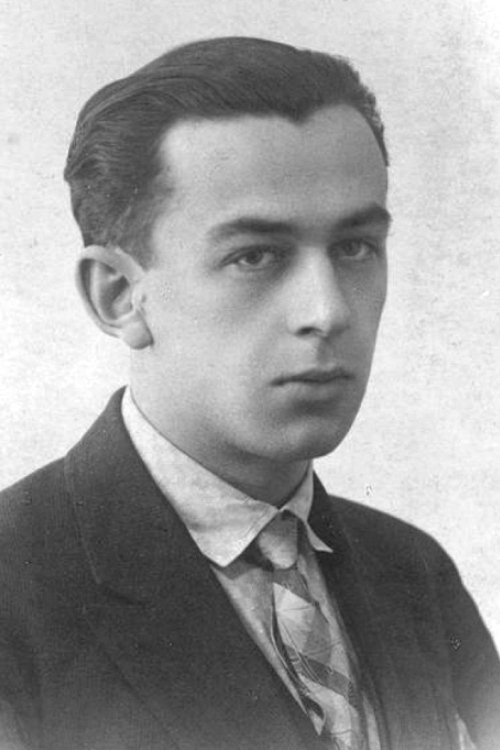
Eugeniusz Cekalski
Directing
Known For
An Oscar-nominated British documentary about the Polish people who escaped Poland and were living in the UK during World War II, both civilians and soldiers.
The White Eagle
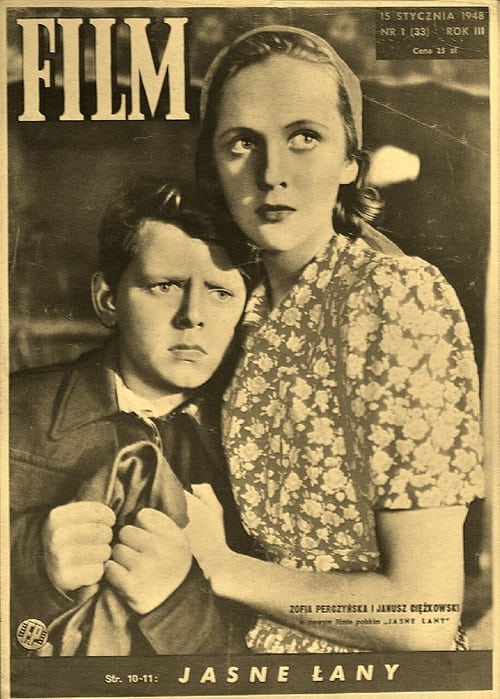
A young teacher educates the peasants and electrifies the village, which the local miller does not like.
Jasne łany
In the film, used the chronicles of war, fragments preserved in London prewar Polish films (landscape, architecture, industry), Allied supplies from Narvik, chronicles from France and material participation of Polish troops in the Battle of Britain. The film consists of two parts. The first part presents the image of Polish pre-war - an idyllic landscape, folklore, rich culture, growing industry. Part two represents the Nazi aggression, the heroic Polish soldier fighting on different fronts.
This Is Poland
The son of a poor shoemaker dreams of the titular accordion. He is ready to give up his shoes, jacket, and savings in order to get the instrument displayed in an antique shop.
Accordion
A social drama that depicts a conflict between a young factory collective and a sympathetic but backward old specialist.
Two Brigades
Propaganda short showing how London is coping with World War II.
London Scrapbook
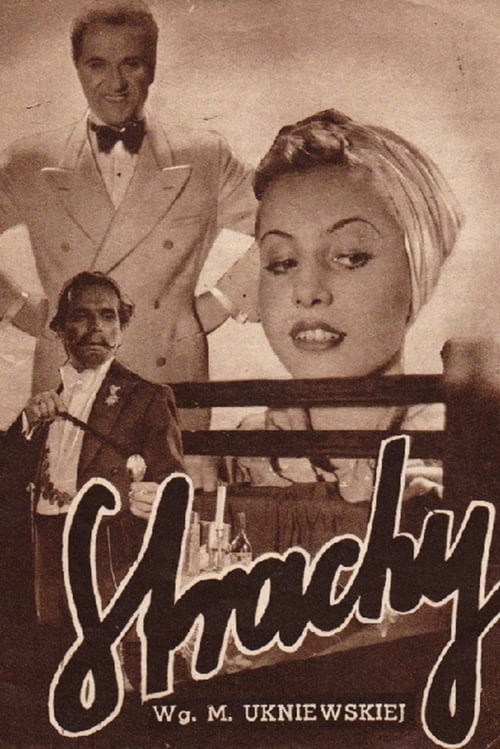
A look at show-business through the lives of cabaret dancing girls Teresa and Linka. When their theatre is closed down, they have to move to a small town. But it turns out that one of them is pregnant and the baby's father is her ex-boss.
Strachy
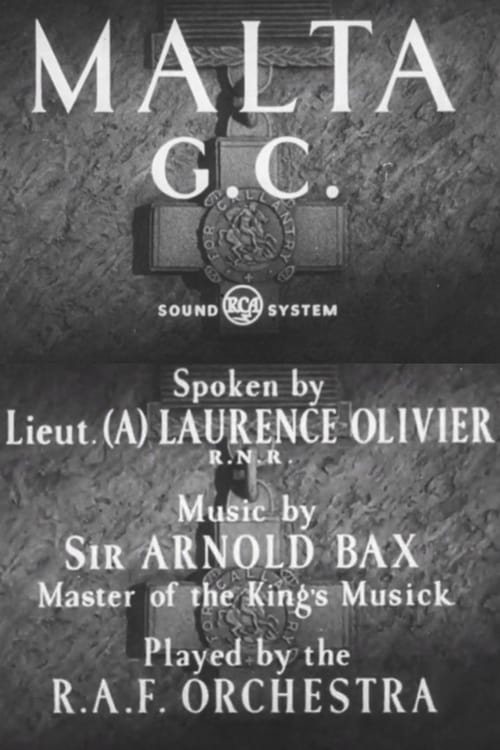
Short WW II documentary
Malta G.C.
War and ballet in Polish/British unison.
Scottish Mazurka
A film depicting traditional highland dances and the charm of the Podhale landscape. The filmmaker, Eugeniusz Cękalski, was associated with the environment of the film avant-garde, hence the use of treatments unusual for a documentary film. "Highland Dances" is not only a recording of folk dancing, but above all an artistic reportage, showing dancers from different perspectives, using close-ups showing the beauty of regional costumes neatly interspersed with views of the Tatra outdoors. The film featured the Dance Ensemble of the Folk Theater Association.
Mountaineer Dances
WWII documentary film on helping child victims of war.
Children in Refuge
An American girl tells her classmates about her visit to her grandmother's farm in a Polish Village. She tells them about vilage life, farming, schools, church, a wedding, and briefly about some of the cities: Lowicz, Krakov, Zakopane, Gdvina.
Mary Visits Poland
In the midst of picturesque rural settings, a troupe of dancers in regional costumes dance the kujawiak. The filmmaker, Eugeniusz Cękalski, was associated with the environment of the film avant-garde, hence the use of treatments unusual for a documentary film. "Kujawiak" is not only a recording of a folk dance, but above all an artistic reportage, showing the dancers from different perspectives in a rural setting, using close-ups and slow-motion shots. The film featured the Folk Theater Association's Dance Ensemble. "Kujawiak" is one of the films comprising the famous "Polish Dances" series (along with "Highland Dances," "Cracow Dances" and "Silesian Dances"). The entire series made its way to Great Britain before the war (for foreign distribution it was prepared in an English-language version), thanks to which it has been preserved until our times.
Kuyaviak
In 1936, Eugeniusz Cękalski produced a series of art reportages called Tańce polskie (Polish Dances), which consisted of four films: "Kujawiak", "Highland Dances", "Cracow Dances" and "Silesian Dances". The entire series made its way to Great Britain before the war (it was prepared in an English-language version for foreign distribution), thanks to which it has been preserved to our times. "Polish Dances" are rejects and working materials for these films.
Polish Dances
The director transferred three pieces of the great composer to the screen, each with a different stylistic setting: the romantic nocturne was illustrated with images of nature; the exuberant Mazurka F minor, with a folk dance performed by Russian Ballet artists. The most interesting conception of the Revolutionary Etude had elements of abstract interplay of shapes and lights interspersed with takes of explosions, shouting faces distorted with a grimace, planes, and flames burning down symbolic icons of Polishness. Color Studies of Chopin was a propaganda film to lift the spirits and hearts of Poles in exile and at the same time to win over other nations’ sympathy for the Polish cause. To this end Cękalski roped in Olin Downes, a popular radio presenter and music critic, who overdubbed the beginning with a preface.
Color Studies of Chopin
A film depicting traditional Silesian dances, the beauty of folk costumes and the charm of the Silesian landscape. The filmmaker, Eugeniusz Cękalski, was associated with the environment of the film avant-garde, hence the use of treatments unusual for a documentary film. "Silesian Dances" is not only a recording of folk dancing, but above all an artistic reportage, showing dancers from different perspectives, using close-ups and slow-motion shots. The film featured the Dance Ensemble of the Folk Theater Association.
Silesian Dances
A film depicting traditional Krakow dances and the charm of the landscape of the Krakow area. The filmmaker, Eugeniusz Cękalski, was associated with the environment of the film avant-garde, hence the use of treatments unusual for a documentary film. "Krakow Dances" is not only a recording of folk dancing, but above all an artistic reportage, showing dancing couples from different perspectives, using close-ups and slow-motion shots, which allowed to expose the dynamics of movement and the beauty of regional costumes. The film featured the Folk Theater Association's Dance Ensemble.