Acting
No description available.
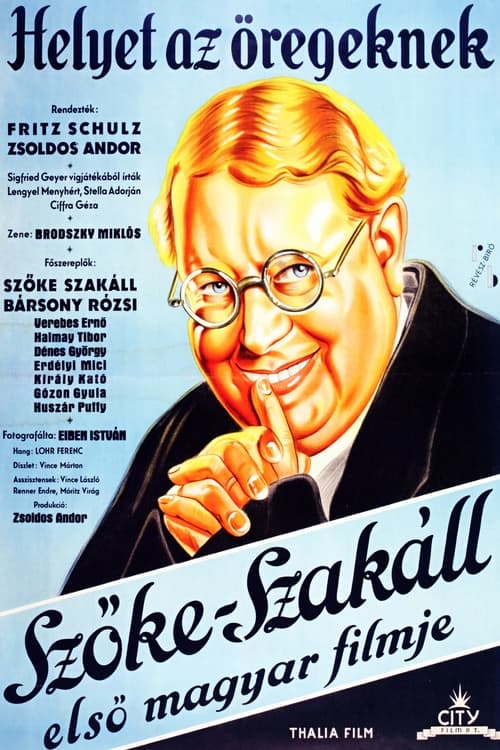
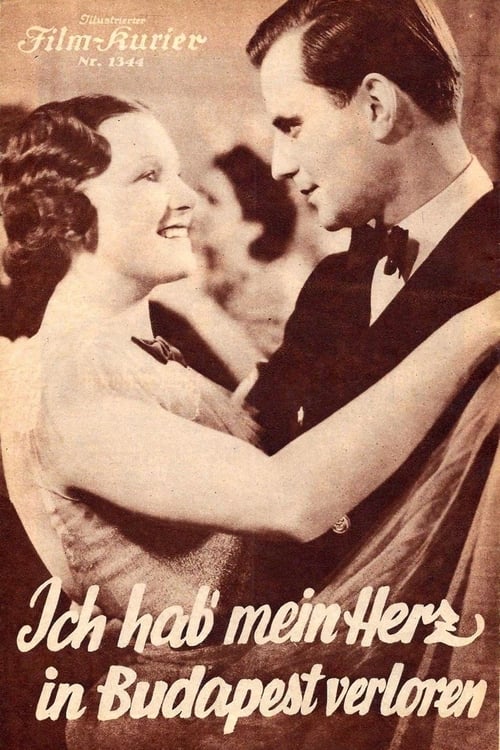
Mr. Polgár is a provincial paper dealer. His sons, Viktor and Feri, are managers in a big factory in the capital, spending their money lavishly, living their lives in a careless, irresponsible way. Viktor is to marry a baroness and feels rather too uneasy about his father's small business. He persuades his old man into selling the business he had so long cherished and to move to their place in Pest.
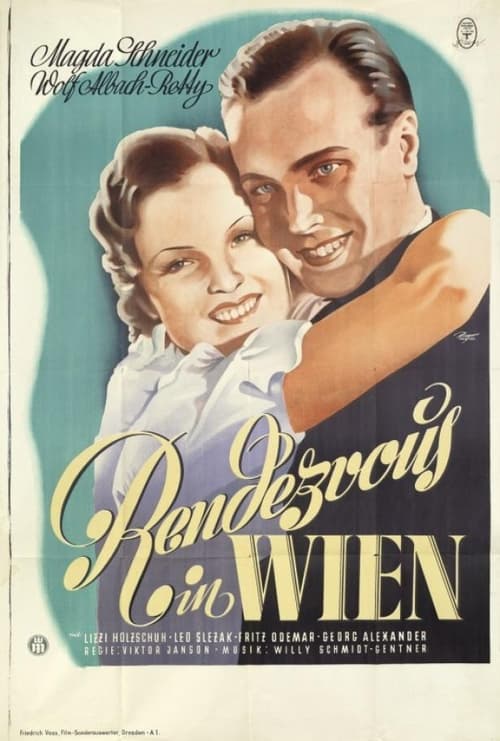
This Hungarian musical comedy (English title: Spring Parade) was produced by Joseph Pasternak, who later remade the picture in Hollywood as a Deanna Durbin vehicle. The original 1934 version stars Franciska Gaal as a Hungarian serving girl who heads to Vienna to visit a relative. Stopping over at an outdoor carnival, Gaal is told by a fortune teller that she will enjoy a happy marriage with a handsome and wealthy stranger. Later on, she finds herself at a fancy dress ball, where a good-looking aristocrat, assuming that our heroine is a countess masquerading as a peasant, falls in love with her. Delighted that the fortune-teller's prophecy seems to be coming true, Gaal finds herself in a dilemma when she falls in love with poverty-stricken soldier Wolf Albach Retty. But things turn out OK when Retty, the regimental drummer, composes a hit song which brings him fame and fortune, thereby neatly fulfilling that prophecy.
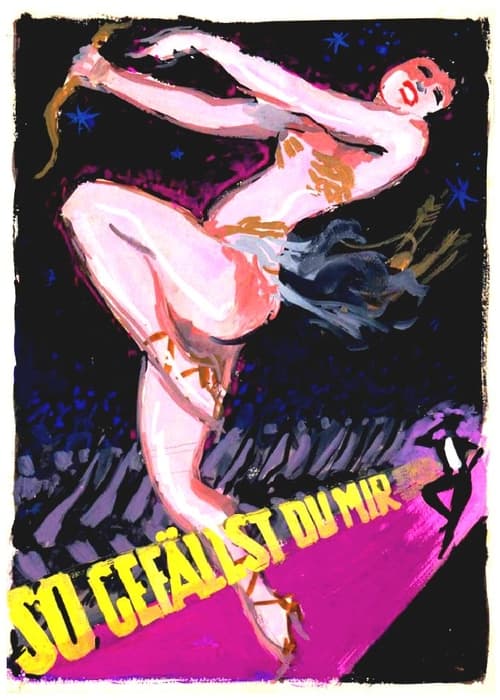
Gifted amateur dancer gets her big break on the Berlin Stage in this wartime romantic comedy.
The carefree squandering of Baron Inokay's wealth, the steward Gáspár Borly - who is called "the old scoundrel" behind his back - is rumored to have been stealing from the Baron's family for years and has amassed a large fortune. Baroness Mária Inokay, who was raised in Vienna and is destined to be Count Balassa, returns home. However, Mária loves her childhood playmate, Gáspár Borly's grandson. Old Borly is eventually convicted of the theft, but his will reveals that he only saved what he could and left all the valuables he had embezzled to Mária. After this, nothing can stand in the way of their previously seemingly hopeless love.
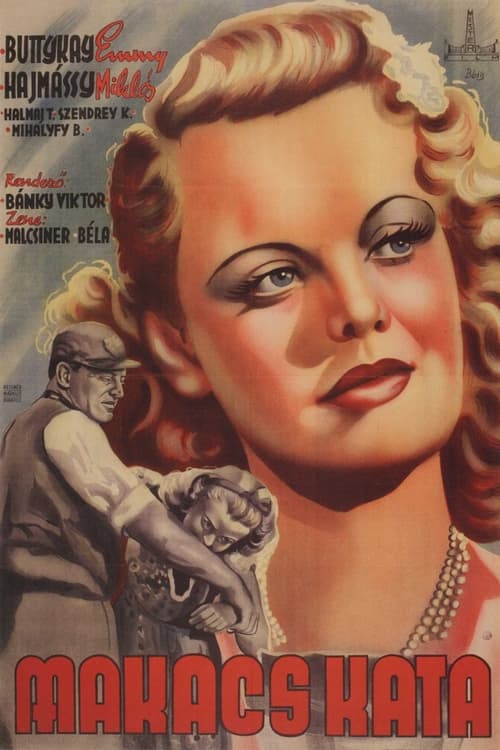
Kata Juhász is the shrew in this updating of Shakespeare's play. Kata's wedding is scheduled but her groom deserts her over her whims. In order to prevent the guests from being disappointed, she hires a tramp from the banks of the Danube to play the role of the groom. The tramp, Chief Engineer Péter Szabó, doesn't bend to her caprices. This leads to confusion and resolution in the Shakespearian fashion.
Film by Jacoby.
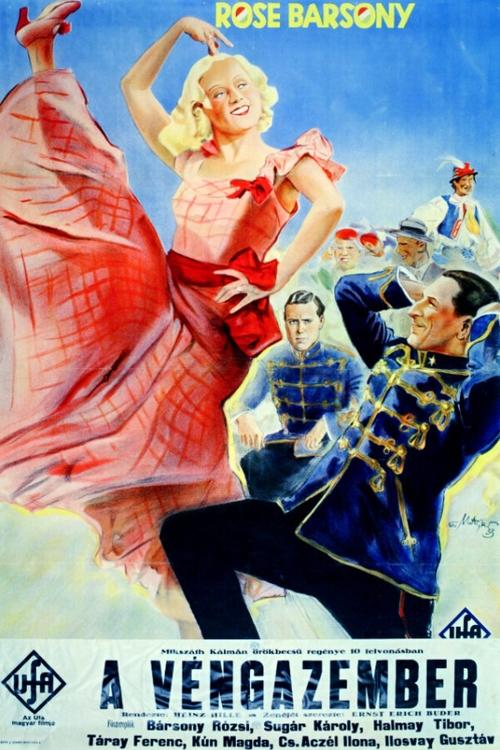
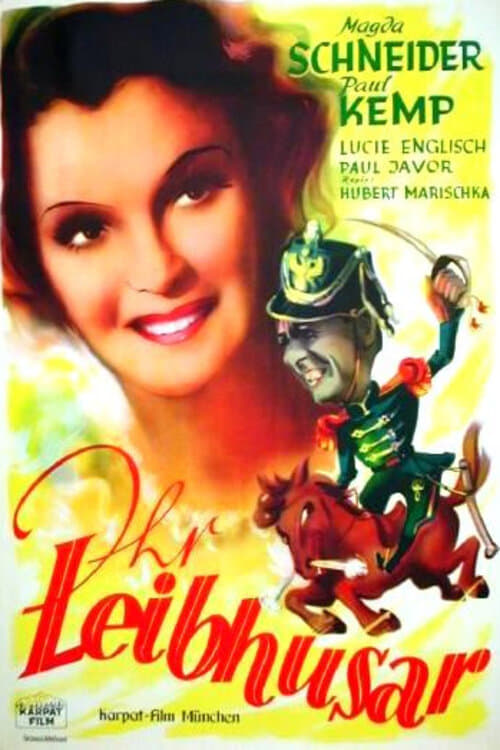
An easy-going hussar officer successfully vies for the love of a millionaire's daughter.
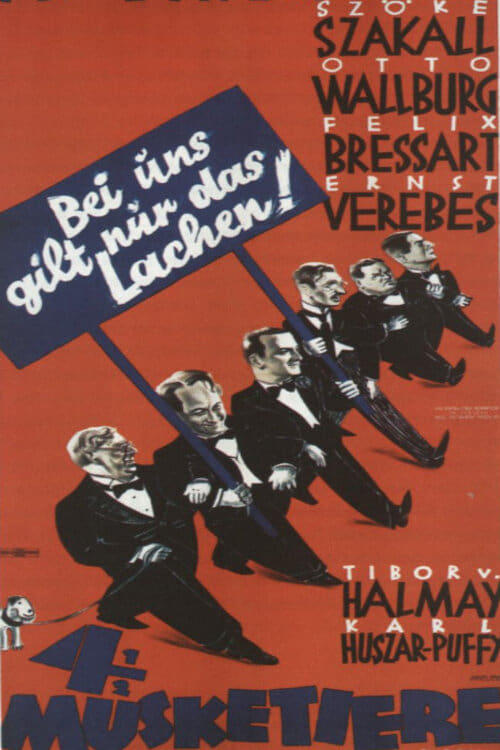
A Hungarian-Austrian comedy and one of the last emigrant films made in Austria before the industry submitted to pressure from Nazi Germany and ceased to employ Jewish filmmakers.
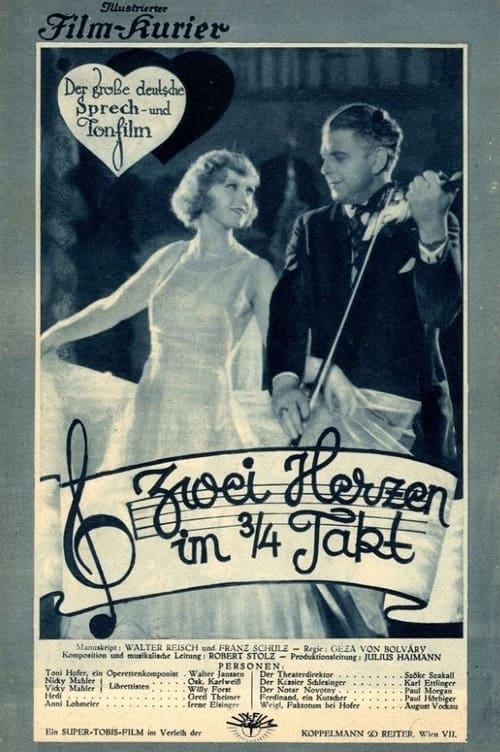
Nicky and Vicky, two librettists who also happen to be brothers, are presently in collaboration with composer Toni. All too aware of Toni's amorous escapades, Nicky and Vicky try to keep the existence of their pretty sister Hedi a secret. Suffering from an acute case of writers' block (he has yet to find an inspiration for his next production), Toni throws a huge party, which is boycotted by his friends and associates so that he'll keep his mind on his work.
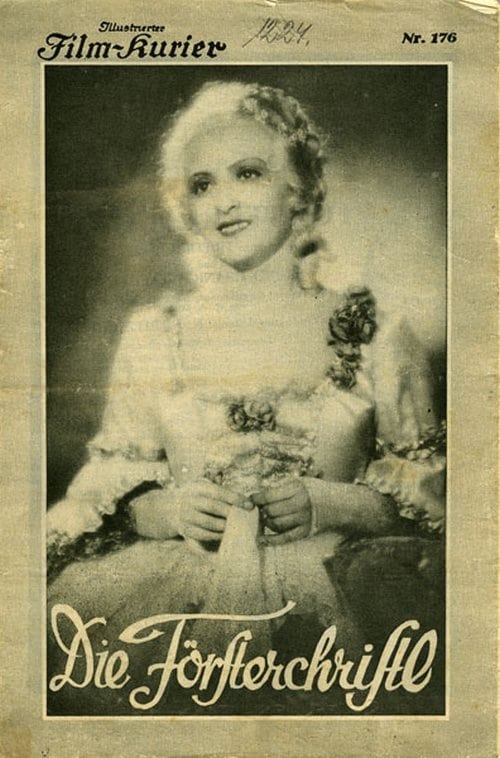
There’s excitement in St. Johann, when the lawyer and notary Dr. Junhnickel from Vienna arrives and brings an offer from a mysterious Brazillian: On the cover of a magazine is a young girl, obviously from the country, and in the background is the village landscape of St. Johann. The Brazilian has fallen in love with the picture and wants to marry the girl. In return for finding her, the village will receive a donation of RM 5,000. Oh boy! The mayor, the shoemaker and the district clerk go off on the search for the girl! They have absolutely no luck in the photo shop, because the photographer is boiling over what he considers unfair intentions and tells them to take a hike. Nevertheless, they find the girl’s address. The model, Christl Wallner is no country girl but rather a ballet dancer, who posed for the photo to earn a litle extra money.
Showstar Csibi's mother Maria has a new suitor. In order to make Maria appear younger Csibi poses as a young brat which backfires when she meets the suitor's gorgeous brother and flirts with him while he treats her like a little child.
Gusti Aigner and Franz Lenhardt are in love, but composer Lenhardt is too shy and bashful to go out and sell his compositions to music publishers. Gusti takes the burden on herself; and while there are complications and humorous situations she runs into.
Tenor Peter Hansen is about to marry for the second time. Just minutes before his wedding to dancer and singer Kitty, he's still busy rehearsing for a new revue directed by Melchior Oberländer. Kitty's uncle Meierhofer, a prompter at the theater, is urging him to leave. However, Melchior is informed that his newly hired female star, Marina Garden, has arrived. She is to sing duets with Peter during an upcoming engagement in Cologne. Marina Garden turns out to be Peter's ex-wife, who has adopted a stage name.
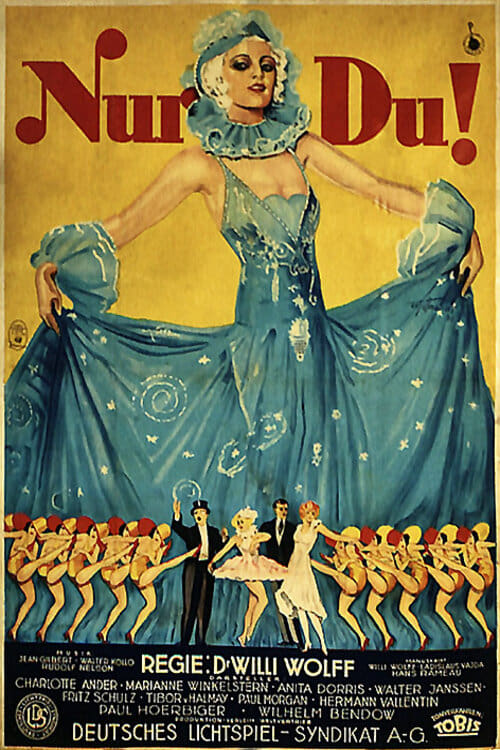
Only You is a 1930 musical by Hermann Feiner and Willi Wolff starring Fritz Schulz and Walter Janssen.
Stefan is the son of the owner of a Bavarian steamship concern, which plies the Danube. During a trip to Budapest, he falls in love with the beautiful Etelka, who, unbeknownst to Stefan, is the daughter of his father's Hungarian competitor. By chance, they lose sight of each other; but as Stefan's father enters into negotiations with Etelka's father about a merger of the two companies, the children find each other once again.
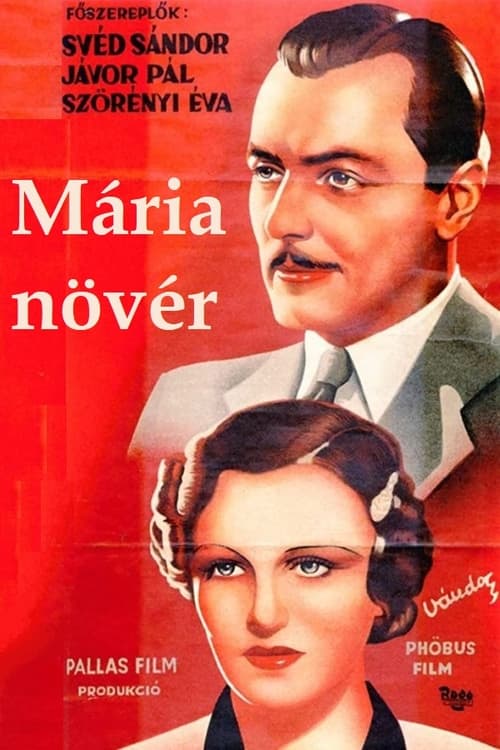
The title character in Maria Nover (Sister Maria) is played by Eva Szorenyi. A convent-bred lass on the verge of taking her final vows, Maria falls in love with a handsome artist, portrayed by popular operatic baritone Sandor Sved. Due to a silly misunderstanding, she walks out on Sved and marries his best friend Paul Javor. The frustrated suitor quits the art world to become a world-famous concert singer. Years later, he returns to reclaim Maria, only to find that she's not only still a wife, but also a mother and a dedicated nurse. Gracefully bowing out of her life, the Pagliacci-like Sved continues his singing career to assuage his broken heart.
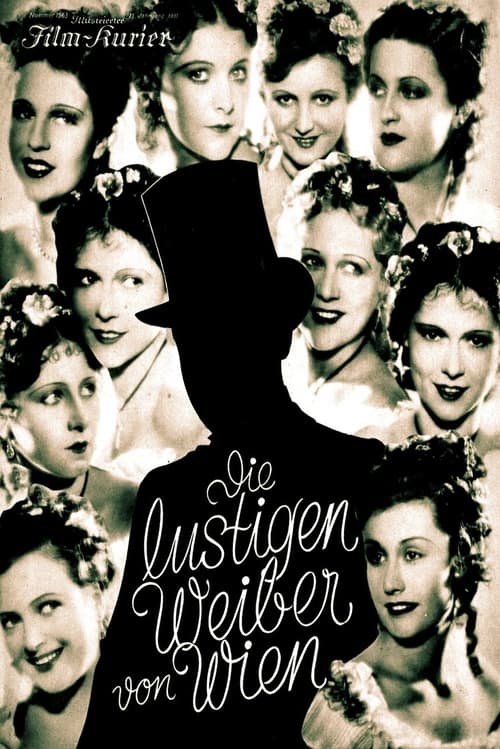
A dance teacher helps his ten well-bred student sisters when they leave home as a protest against their father's intended wedding. They form a café group called Die lustigen Weiber aus Wien (The merry Viennese girls).
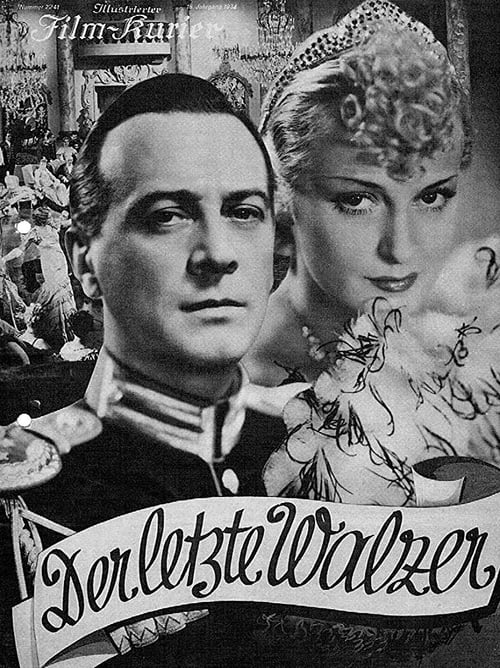
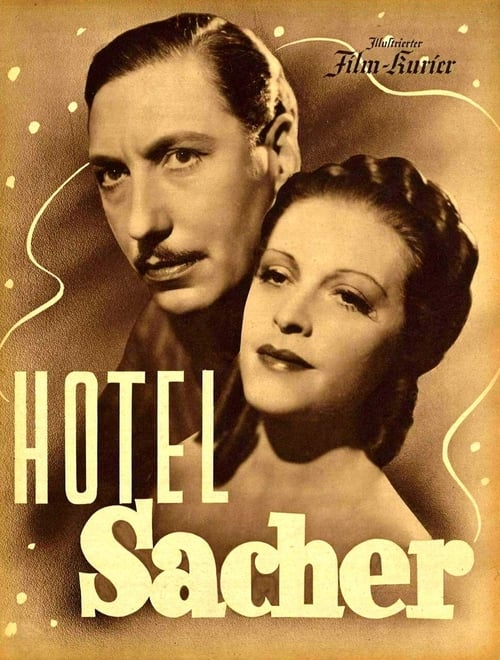
Vienna is celebrating New Year’s Eve 1913/14. It is the year, which will see the outbreak of the First World War. In Hotel Sacher, the mood is excellent; and although the political atmosphere is charged, there’s an undercurrent of hate and intolerance in the air. It is with this background that Nadja, a Russian spy, meets the Austrian civil servant Stefan. He loves her, but comes under suspicion of being an agent because of this love.
Fred von Wellingen is a wealthy industrialist, part of a large family-owned corporation. Fred has fallen for Lia, a comely bartender in the Berlin Cabaret. He proposes to her, much to the horror of his family, which considers Lia and her unsophisticated father far below their caste. The family convinces Fred to give up the girl in exchange for increased position and income in the company. But Fred's lapse is momentary, and he again pursues Lia. But she, by this time, has learned of his erstwhile agreement and has agreed to marry someone else.