Acting
No description available.
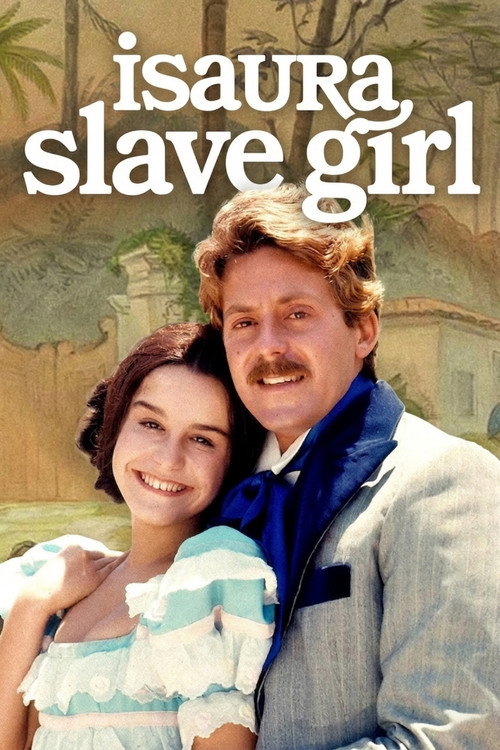
Set in 19th-century Brazil during the waning years of slavery, Escrava Isaura tells the story of Isaura, a white-skinned enslaved woman raised with the manners and education of a noble lady. Though treated with affection by her mistress, Isaura remains legally enslaved and becomes the object of obsessive desire by Leôncio Almeida, the cruel heir to the plantation. After the death of her protector, Isaura falls under Leôncio’s control. Despite his attempts to seduce and dominate her, she resists, determined to preserve her dignity and freedom. Her father, Miguel, helps her escape to Recife, where she adopts a new identity and meets Álvaro, a wealthy and principled abolitionist who falls in love with her. Leôncio eventually tracks her down, leading to dramatic confrontations. In the end, Álvaro rescues Isaura by purchasing Leôncio’s debts, securing her freedom and affirming the story’s central themes of justice, love, and resistance against oppression.
Carlão is a taxi driver who experiences a drama of conscience after fleeing bank robbers leave a suitcase with stolen money in his car: he doesn't know whether to hand it over to the police, running the risk of being accused of being an accomplice in the robbery, or whether to use the money to solve his problems.
After a fall, intelligent young Plácido becomes a little slow. As an adult he works at a bank and his keen intelligence returns when he drinks the soft drink "Super Plá". Other side stories include the love relationship between Baby Stompanato and Joana Martini, and the life of Majô Prado, a neurotic millionairess and prominent personality living in São Paulo.
The routine of the quiet town of Rio Belo changes with the arrival of Carina, a traveling actress determined to discover who her father is. At the same time, a mysterious crime involving the powerful Donana shakes the town.
The soap opera critiques the power struggles among rural politicians in the 1920s. Joaquim is shocked when a doctor reveals that his son, Luís Jerônimo, has a lung lesion. To recover his health, the young man leaves Rio de Janeiro for Colonel Boanerges's farm in Vila da Mata, Espírito Santo. There, he meets Zuca, and the two fall in love. Zuca is the colonel's goddaughter and the fiancée of the fearless cowboy Tobias, who refuses to accept the possibility of losing her to the outsider. Zuca and Luís Jerônimo face numerous obstacles in pursuing their love. Their romance is also threatened by the arrival of Pepa in Vila da Mata; having been in love with Luís Jerônimo back when he lived in Rio, she tries by every means possible to drive the couple apart.
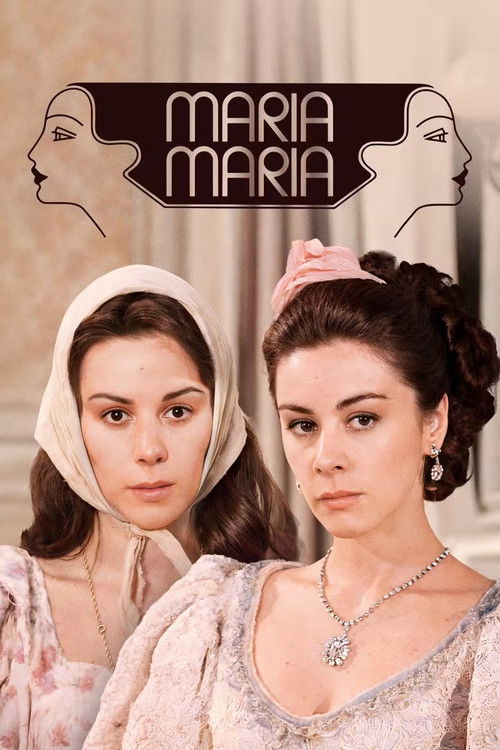
In the backlands, the drover Ricardo marks the destiny of young Maria. Years later, in Xique-Xique, a mistake between two identical women rekindles passions, separations, and an impossible love.
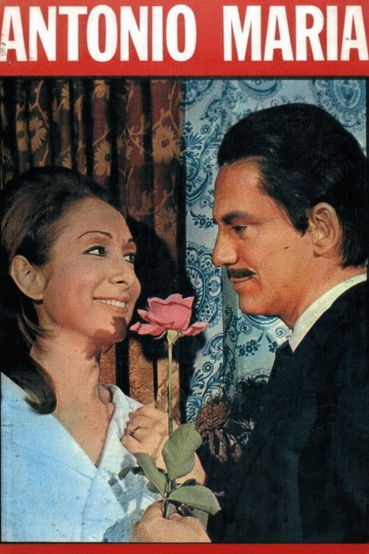
Antônio is on his deathbed after helping a Black man escape his own father's plantation. Before dying, Antônio asks his father, Judge Queiroz Antunes, to raise the young enslaved boy, Bento, as his own son.
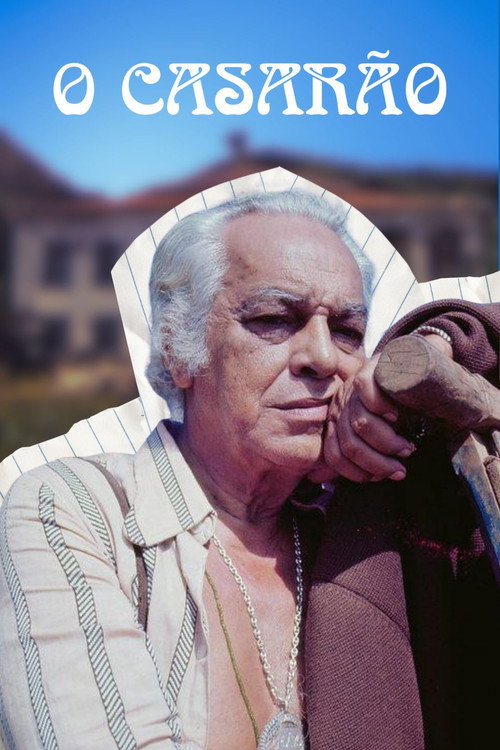
The mining town of São João Del Rei became the setting for a romance set amidst discussions about land division.
Juca Campos Lara dreams of poetry, but pressured by reality, he trades art for the sake of supporting his family. The struggle between making ends meet and his dream unfolds in four significant phases.
Eugênio Fontes is a medical student striving for upward social mobility. His impoverished childhood left him with an inferiority complex that hinders him in both his career and his romantic life; consequently, his struggles and dreams are entirely focused on achieving financial security. Deeply conflicted, he feels unable to love his parents, Alzira and Ângelo, to whom he owes his education. While in medical school, Eugênio meets Olívia Miranda, and the two fall in love. However, he ultimately marries Eunice—a beautiful, wealthy young woman and the daughter of the industrialist Cintra. Through his marriage to Eunice, Eugênio secures a good job and gains influential connections, such as a friendship with Felipe Lobo, a respected architect and associate of his father-in-law. Yet, as time goes by, the young doctor begins to question his marriage.
The soap opera follows the story of young Aurélia Camargo (Norma Blum), a girl who falls in love with the ambitious young journalist Fernando Seixas (Cláudio Marzo), who also falls in love with her, but rejects her when he receives an invitation to marry Adelaide (Fátima Freire), the daughter of Tavares do Amaral (Felipe Wagner), a wealthy banker. Feeling abandoned by her great love, Aurélia dreams of one day having him back. Until, when she turns 18, she is surprised with an inheritance from her grandfather, and becomes a very rich woman, allowing her to create her own rules for her life. However, for the society of the time, it was not good form for a woman to enjoy such independence. For this reason, Aurélia begins to rely on a distant relative, Dona Firmina Mascarenhas (Zilka Sallaberry), to act as her mother, and on the administrator Mr. Lemos (Alberto Perez), to guide her in business. So, she sees a great opportunity to have Fernando in her life again.
In love since childhood, Flô and Arnaldo join forces in the fight for the abolition of slavery. They will have to face challenges and prejudices to be able to live their love.
Mário Fofoca, a bungling detective, moves to Rio and, with the help of a friend, investigates cases—starting with a wife's suspected infidelity.