FEEL IT.STREAM
Volodymyr Lisovskyi

Volodymyr Lisovskyi

Acting

Biography

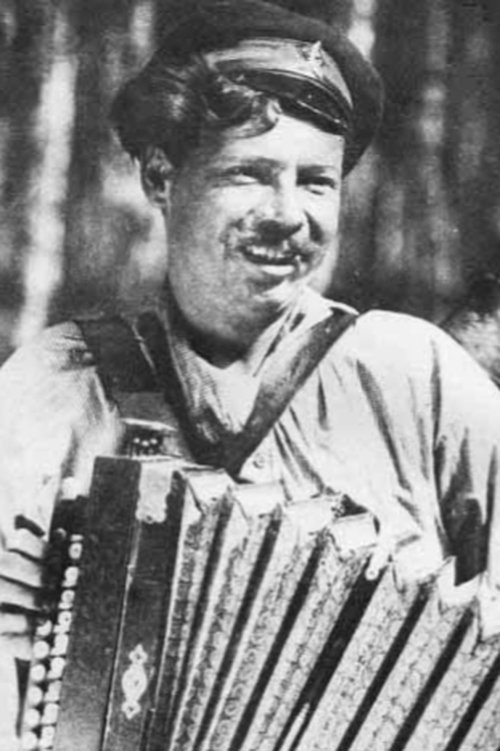
Volodymyr Lisovskyi was a Ukrainian theatre and film actor. Active in films 1924 - 1940. In the early 1920s - actor of the Odesa State Drama Theater, In 1924-1925 - actor of the Kharkiv Drama Theater after Ivan Franko. After world war two - After the war - an actor of the State Theater in Brest.

Known For

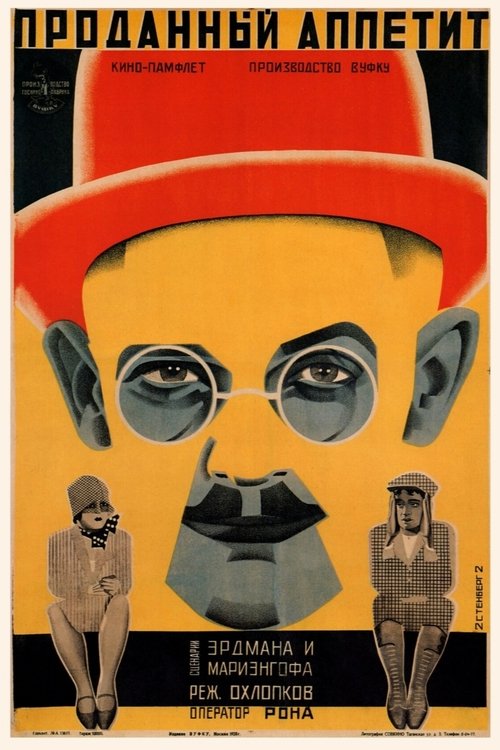
Sold Appetite
10.0

After eating too much, the glutton-millionaire realizes that he has ruined his stomach. The hired scientist, Professor Fuchs, proposes a new surgical treatment that would separate the processes of satiety and digestion. To do this, you need to find a healthy person who agreed to provide the stomach. He is found, and soon the millionaire showed fantastic food absorption abilities. The painful sensations of an overloaded stomach were experienced not by the glutton, but by the unemployed driver, Emil. Lost movie.

Sold Appetite

1928
Mitya
9.0

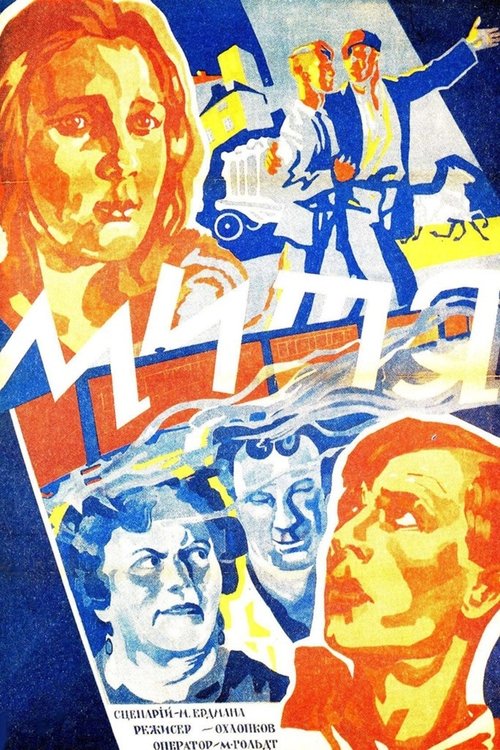
Exposing the customs of provincial philistinism in the years of NEP. Small town. Mitya, going to the party of his bride Shurochka, finds a dying woman with infants. When he comes to visit the child, everyone decides that he was the father - and kicks him out. Mitya decides to drown himself. Unknown saves him and helps to stage his own funeral. During the mourning ceremony, Mitya rise from the grave, thanks the inhabitants petrified by horror, and leaves the city forever. Lost movie.

Mitya

1927
Love's Berries
5.0

Jean, the hairdresser, is flabbergasted: what is that baby his girlfriend Lisa has put in his arms out of the blue? The fruit of love? Out of the question. From that moment on, the reluctant father has but one thought in his head: he must get rid of the cumbersome 'article'. And, take his word for it, all the ways are good.

Love's Berries

1926
Ostap Bandura
9.0

Ukrainian Soviet film about the fate of a young Ukrainian peasant who became a participant in the revolutionary struggle.

Ostap Bandura

1924
Suburban Districts
5.8

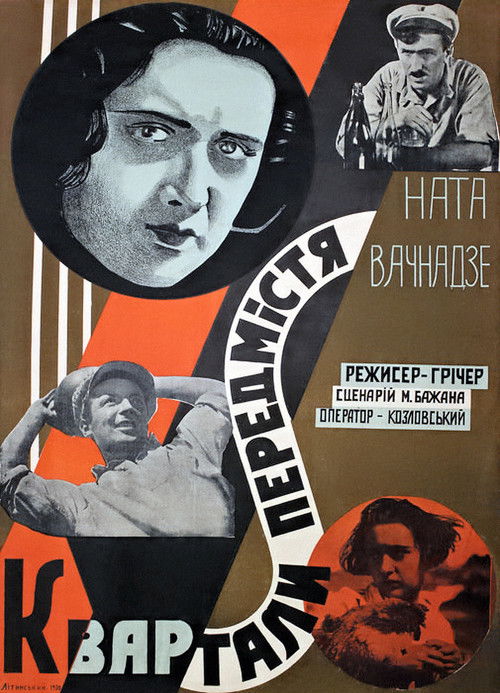
In the late 1920s Jewish girl Dora falls in love with a young Russian Komsomol member. His parents,who are captive to religious superstitions, don't like Dora. She still goes to live with him and will find herself facing those superstitions in her husband home too.

Suburban Districts

1930
Wandering Stars
N/A

The violinist Leva Ratkovich loved the poor girl Rachel, but her father did not allow her to marry a "beggar". Making sure that in tsarist Russia he could not achieve recognition, Leva decided to emigrate. After wandering, he falls into the hands of an impressionario, who made him a celebrity. On tour, Leva met his Rachel, who was also forced to emigrate. The Wandering Stars finally meet.

Wandering Stars

1928
Hamburg
N/A

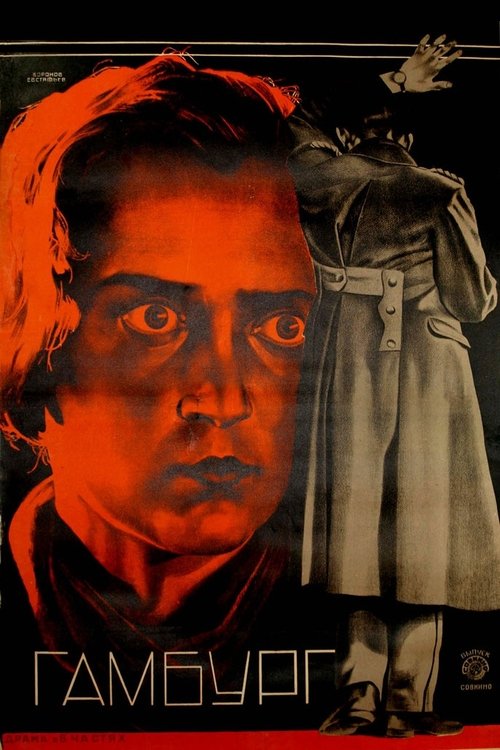
Germany, 1923. Workers, called to the struggle by the communist Niels Unger, seize the arsenal and turn every building into a fortress. The social democrat Buk does not fulfill Unger's order to blow up the bridge over the Elbe, so the Reichswehr troops enter the city. A bloody massacre begins. Nils Unger is arrested. Buk, who is associated with the punitive leader Meins, betrays the rebels during interrogations. A trial is scheduled for the rebels. To avoid political publicity during the trial, Nils Unger is declared insane, but manages to escape from the prison hospital. Once again, his call resounds through the streets of Hamburg: "Save your guns!"

Hamburg

1926
Black Sea Mutiny
8.0

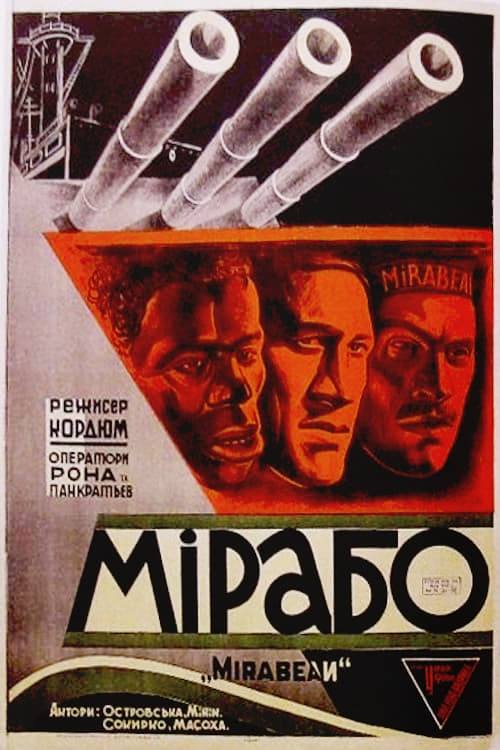
On the proletarian solidarity of the French navy with the revolutionary people of Russia. The action takes place in the early years of Soviet power in the coastal city of Russia. The French cruiser Mirabeau threatens the city from the sea.

Black Sea Mutiny

1930
The Laws of the Storm
N/A

In October 1917, Warrant Officer Shakhov sided with the revolution.Shakhov is disturbed by the thought that once, during the imperialist war, he was arrested for participating in a revolutionary circle and, during interrogation, while in a semi-conscious state, revealed the name of his comrade and teacher, the revolutionary Rayevsky. This offense of Shakhov's was exposed. The Revolutionary Tribunal sentences Shakhov to death. At the last moment, he is saved by Raevsky, who by then had become a significant party figure named Turbin, who tells the court about Shakhov and the circumstances in which he unknowingly became a traitor. The tribunal acquits Shakhov. Based on the novel “Nine Tenths of Fate“ by Veniamin Kaverin.

The Laws of the Storm

1928
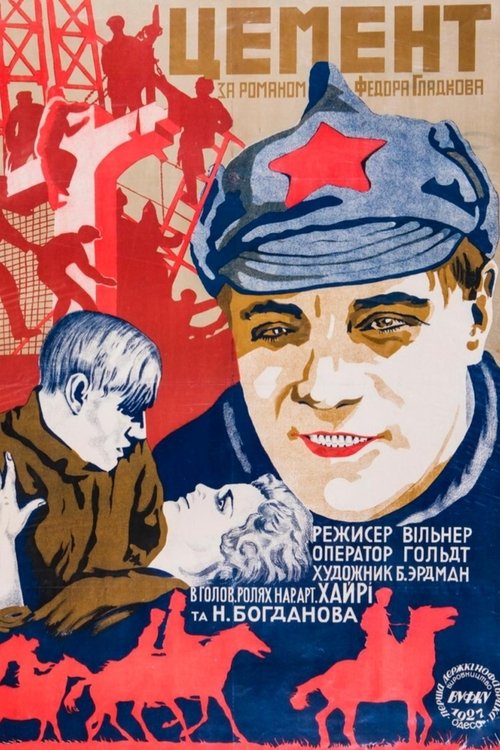
Cement
N/A

A Soviet film about construction workers.

Cement

1927
The Little Shoes
N/A

To justify the fantastic adventures of the blacksmith Vakula, the authors of the film “simplify” Gogol’s plot: Vakula, having drunk too much at Patsiuk’s place, falls asleep. And he sees this dream where the devil takes him to the palace of Catherine II in Saint-Petersburg; and there Vakula takes off the little shoes of the Russian empress to give them to his fiancée Oksana. And, really, drunk Vakula takes off the shoes while sleeping… but from Patsiuk. Later, when Vakula unwraps the package with the “royal slippers” in front of Oksana, he finds only Patsiuk’s dirty shoes there.

The Little Shoes

1928
Taras Shevchenko
N/A

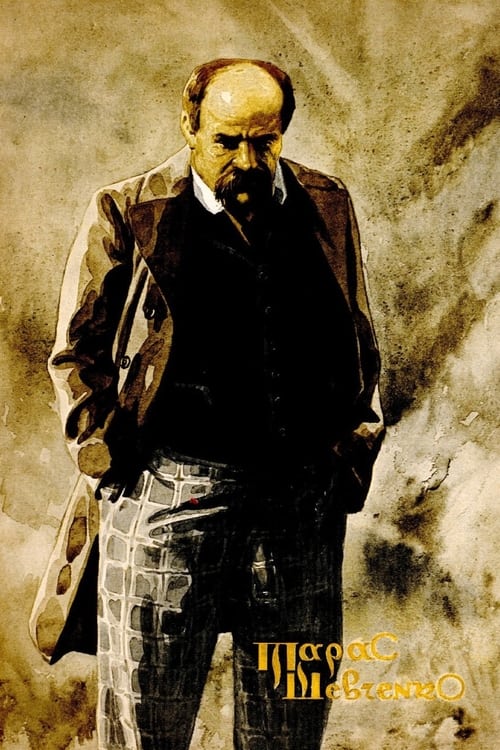
The film adaptation of Taras Shevchenko’s biography of 1925 is the first Ukrainian biopic. At that time, it was one of the most expensive films, as for the first time experts in history, ethnography, and literary studies were involved in pre-production. Consisting of numerous short stories, the film that shows the life of Shevchenko as an adolescent, a soldier, a poet, was successfully demonstrated in Ukraine and abroad and became the most acknowledged cinema project of 1926.

Taras Shevchenko

1926
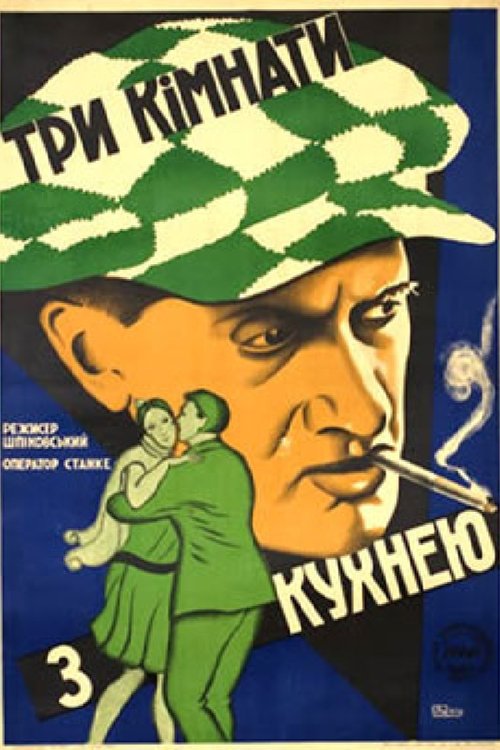
Three Rooms with a Kitchen
N/A

The film uses motifs from V. Mayakovsky's script "Как поживаете?" - about the struggle against philistinism in everyday life.

Three Rooms with a Kitchen

1928
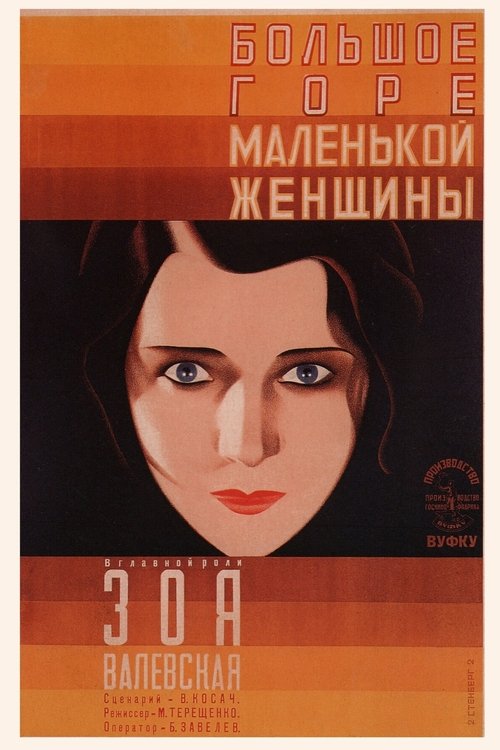
The Big Sorrow of a Small Woman
N/A

Lost movie.

The Big Sorrow of a Small Woman

1929
Mykola Dzheria
N/A

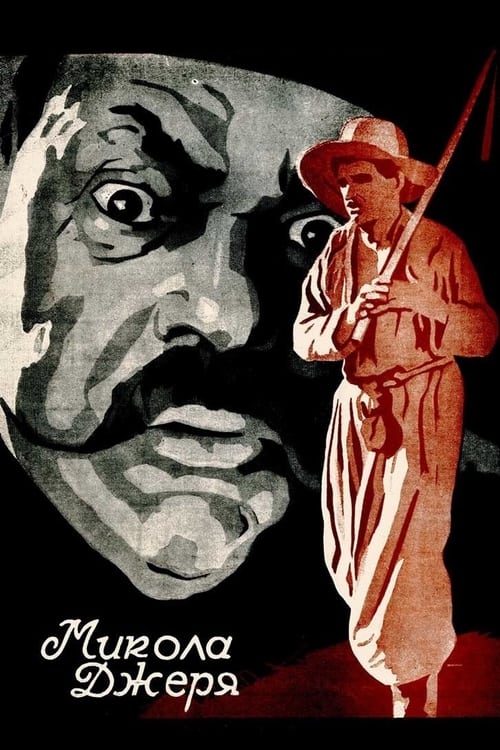
Freedom-loving Mykola Dzheria goes away from the village because of poverty and villainage. He leaves his senior parents, his young wife Nemydora and escapes to the sugar-mill. His friend dies because of slave work. Mykola goes to the Dniester reed beds. Working with other escapees, Mykola falls in love with the daughter of the cooperative leader. The girl also likes the handsome guy. However, their fate is decided by the landlord’s servants; they set the reed beds on fire, shackle Mykola and take him to Verbivka. The film was released on 01 April 1927 in Kyiv and on 24 May 1928 in Moscow. The film is lost.

Mykola Dzheria

1927
A Man Without A Case
N/A

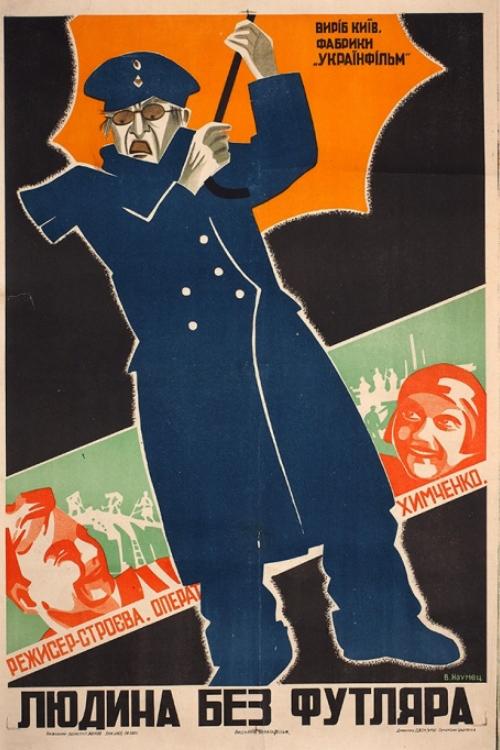
At the school where worker Nikolai Zhikharev studied, students were given a lot of theoretical information, but how to work with machinery was not explained. Therefore, on one of the first working days at the plant Zhikharev made a serious mistake - he let steam out of the boiler. He was transferred to the clerk's office, but even there difficulties awaited the hero. However, Zhikharev did not give up. He decided to change the educational process in schools so that trained and prepared workers would come to the factories.

A Man Without A Case

1932
Life in Your Hands
N/A

The cursed legacy for the young state are drunkards and truants, who have not yet rebuilt their lives in the new social conditions. But life is changing: the inhabitants of the commune dormitory, a huge, cubist-style house, “orderly” run in the morning for exercise, eat in the canteen, which resembles a factory conveyor belt.

Life in Your Hands

1930
Hegemon
N/A

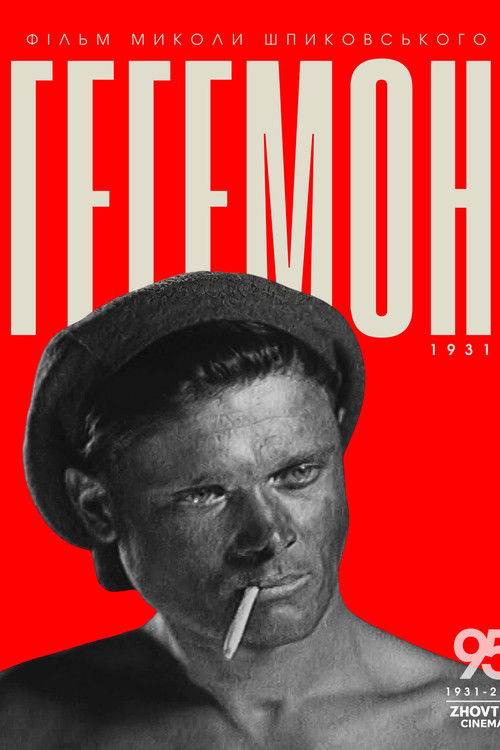
A propaganda piece. On the way home to his wife, a man meets a colleague. Fascinated by the stories about the plant, he decides to get off the train and help the company overcome all extreme situations, prevent the plant from stopping and overfulfill the plan. On January 29, 1931, the Zhovten cinema in Kyiv was first opened with this film.

Hegemon

1931
Makar Nechay
N/A

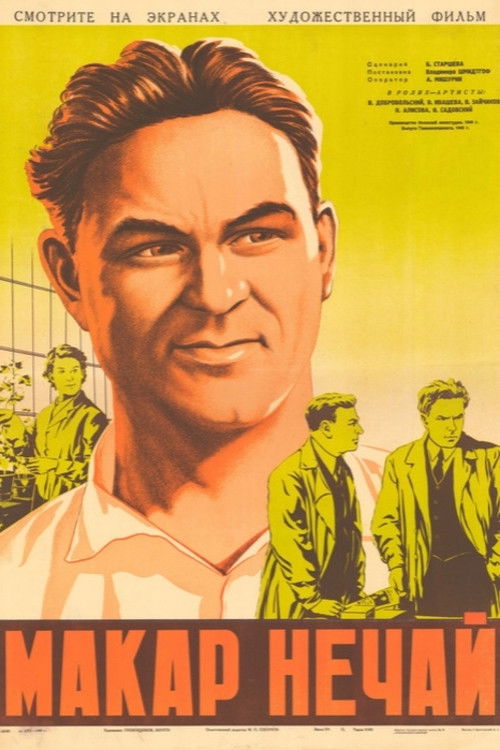
The struggle of an honest, innovative plant breeder against bureaucrats.

Makar Nechay

1940
Intrigan
8.0

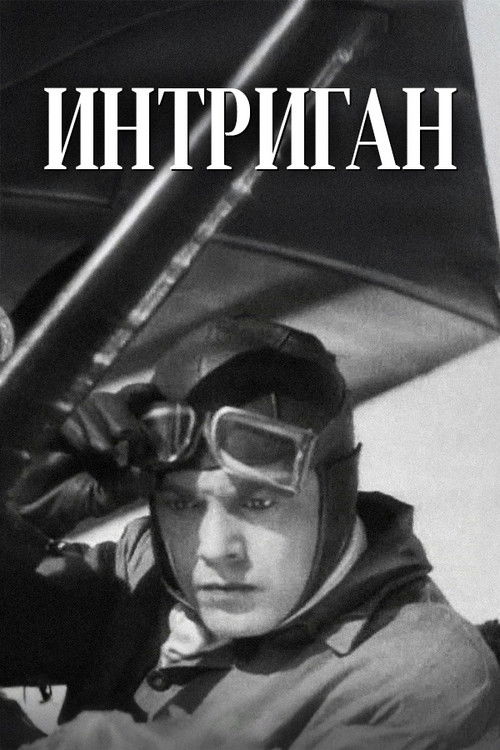
The cadet Vasya Yarochkin and his girlfriend Olya attempt to catch an escaped stallion named "Intriguer".

Intrigan

1935