Claire Atherton
Editing
Known For
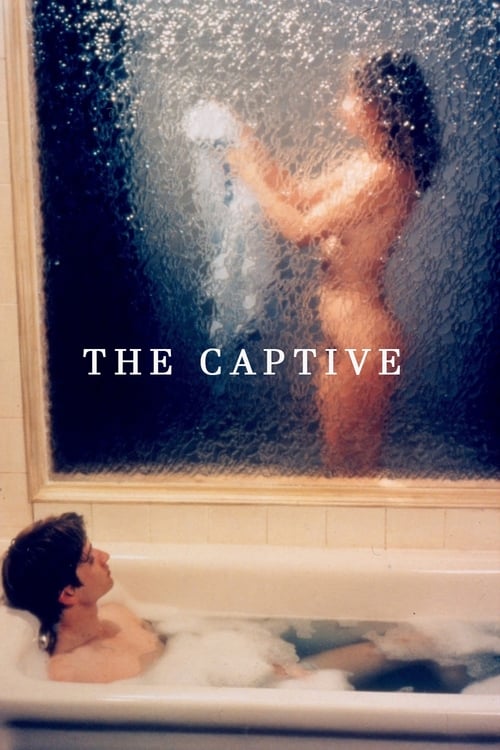
Ariane lives with Simon in his large Paris flat. Simon is obsessed with her: he wants to know everything about her, secretly follows her when she goes out, asks questions all the time, even in the most intimate moments. Ariane seems to take it all in stride, but Simon realises that she's hiding something.
The Captive
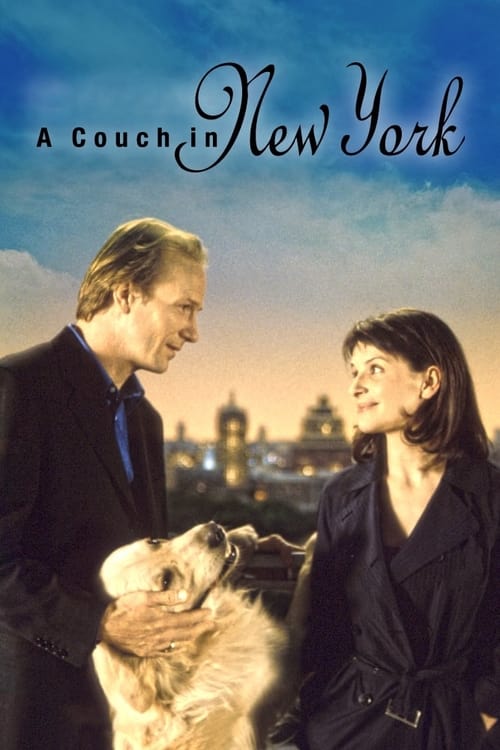
A burnt-out New York psychoanalyst exchanges apartments with a Parisian woman. When his patients arrive, they talk to her and then pay. He returns early and becomes a patient as well.
A Couch in New York
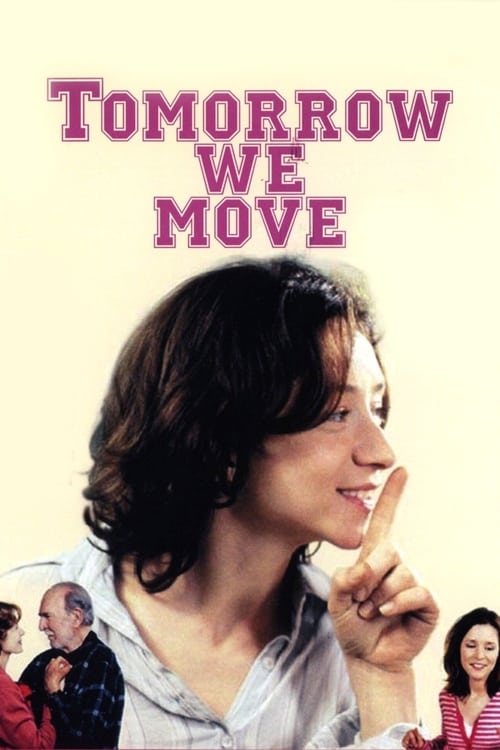
Single woman Charlotte tries to write erotic fiction despite not having any sensual experience.
Tomorrow We Move

I Don’t Belong Anywhere - Le Cinéma de Chantal Akerman, explores some of the Belgian filmmaker’s 40 plus films. From Brussels to Tel-Aviv, from Paris to New-York, this documentary charts the sites of her peregrinations. An experimental filmmaker, a nomad, Chantal Akerman shares her cinematic trajectory, one that has never ceased to interrogate the the meaning of her existence. Thanks in great part to the interventions of her editor, Claire Atherton, she delineates the origins of her film language and her aesthetic stance.
I Don't Belong Anywhere: The Cinema of Chantal Akerman
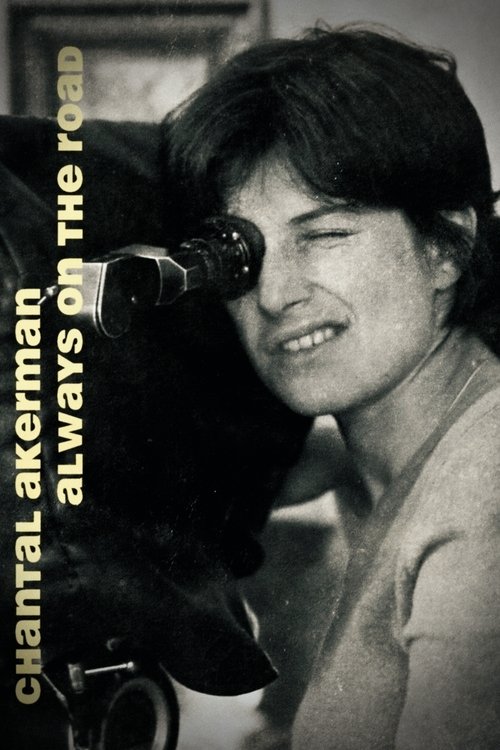
An analysis of the work of Belgian filmmaker Chantal Akerman (1950-2015), an experimental and innovative artist, both in content and form, who has left her mark on cultural memory and on the creations of other artists.
Chantal Akerman: Always on the Road
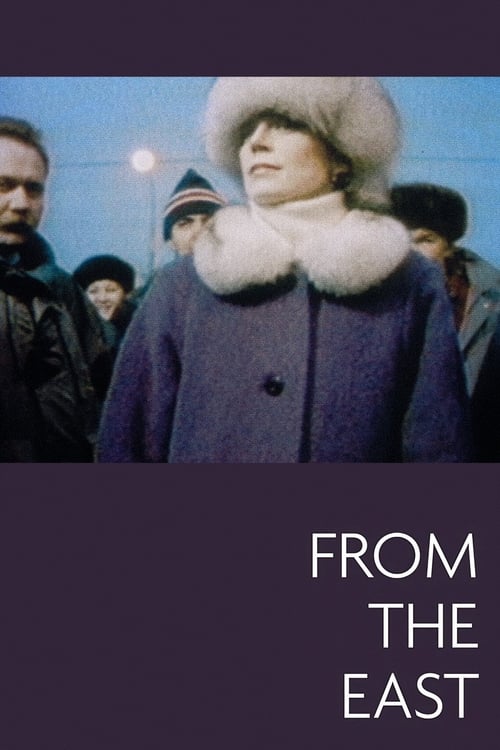
In this incisive dispatch from the newly collapsed Soviet empire, bullet holes from WWII still pockmark the old stone buildings. Akerman journeys from East Germany to Moscow between the late summer and winter of 1993 ('while there’s still time'), chronicling in deliberate tracking shots, circular pans, and domestic tableaux yet another moment of radical upheaval in the 20th-century, the faces and bodies of Poles, Ukrainians, Germans, and Russians weighed down with obedient resignation and uncertainty.
From the East
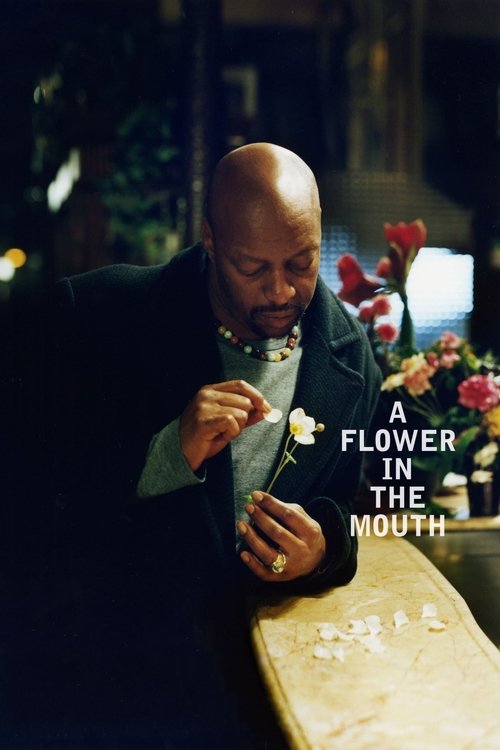
A Flower in the Mouth is a film diptych about time running out and how to live through the days that remain. The first act, filmed as an observational documentary in the world’s largest flower market, follows millions of bouquets transiting through a cavernous refrigerated hangar to be sold at auction, an industrial process at once both beautiful and terrifying. The film transitions to fiction in a second act freely adapted from a Pirandello play. A man with a flower-shaped tumour on his lip accosts a traveller in an all-night café. Their seemingly mundane conversation becomes a metaphysical monologue as the man, feeling death approach, clings to life by scrupulously observing its activity, watching reality in every detail, as if to fill the gap between himself and the rest of the world.
A Flower in the Mouth
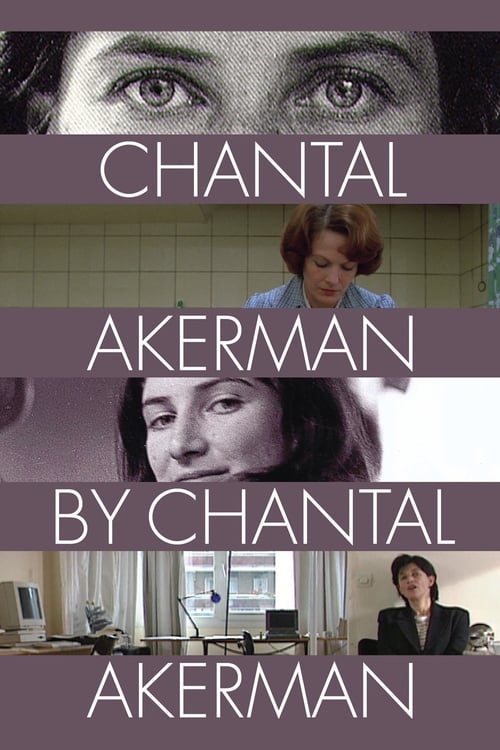
Janine Bazin and André Labarthe approached Chantal Akerman about making a film for the series; eagerly, Akerman proposed a number of filmmakers—but all had already been done. So she suggested…“How about me?” Akerman creates a fascinating self-portrait that takes us through her career, aided by critics Emmanuel Burdeau and Jean Narboni and filmmaker Luc Moullet.
Chantal Akerman by Chantal Akerman
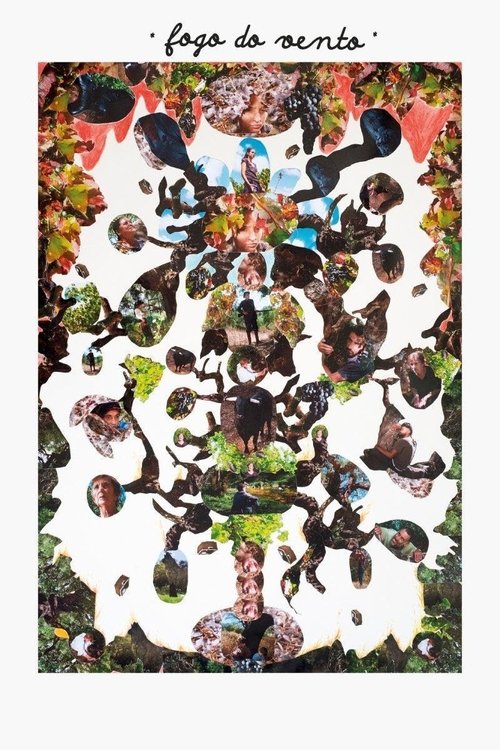
The vine bore fruit, and it's harvest time. Soraia, a young girl, cuts herself. Blood mixes with wine. A black bull is on the loose. Up in the oak trees, time swells, and a community takes shelter. They share bread and wine, memories and dreams, the history of a landscape. We enter a long night, where nature also speaks. The fiery wind that brings the heatwaves, it's burning.
Fire of Wind
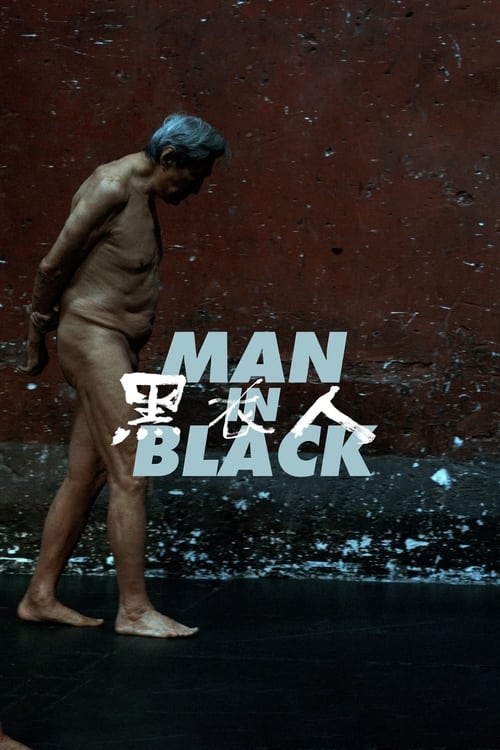
Wang Xilin, 86, is one of China's most important modern classical composers. During the Cultural Revolution he was the target of severe persecution, enduring beatings, imprisonment and torture. With excerpts from his Symphonies, he revisits for this film some of the horrifying events that still live on in his memory as testimony to an era that saw the dehumanization of the entire Chinese nation.
Man in Black
The American military forces has a long tradition of cooperation with the movie industry. Movie studios can save millions of dollars by securing use of military stock footage, equipment and manpower. But there will only be cooperation if the scripts are depicting the armed forces in a favorable way. The most realistic and successful war movies has generally been made without the military's support.
Operation Hollywood
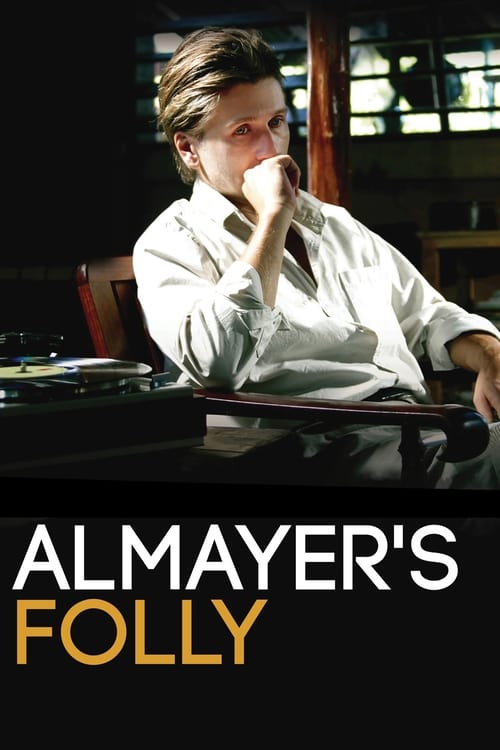
In 1940s Malaysia, European merchant Kaspar Almayer is obsessed with finding a treasure to secure his daughter's future. His dreams fall victim to the pressure of his own greed, which becomes a torment. Compounding this is the oppressive English domination dominating the country – and that which brings ruin to the remote village where he lives.
Almayer's Folly

Northern Portugal. An imposing residence with its garden and magnolia tree. As we know, home is a place that film, this outdoor art, has often used to depict less the joys of family life than a pernicious space. André Gil Mata has made it his stage, with its rooms, its furniture, what plays out there and what has already played out there. From one room to another, from one era to another, the film delves deep into this enclosed space, a kind of suffocating box.
The Flame of a Candle
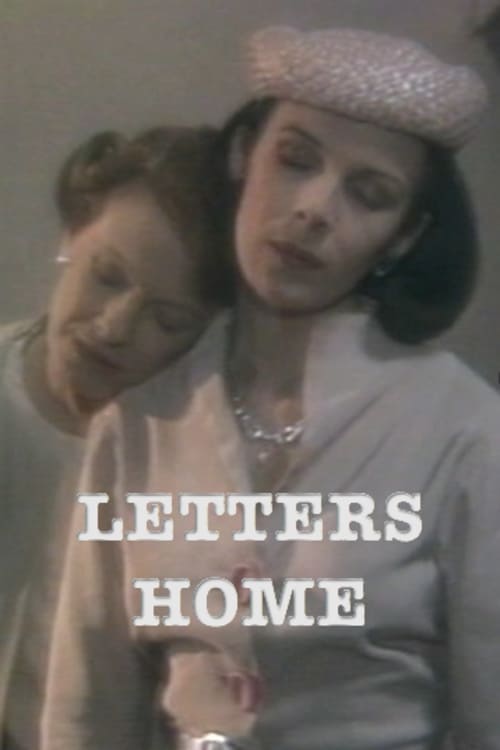
A filmed adaptation of Rose Leiman Goldemberg’s play, based on Sylvia Plath’s intense correspondence with her mother Aurelia, from the time the poet was in university until her suicide. Delphine Seyrig and her niece Coralie Seyrig recite Sylvia and Aurelia’s letters to the audience directly.
Letters Home
Also Known as Jihadi follows the progress of a young man's journey from France to Syria, and back to France, where he is incarcerated for allegedly joining Daesh. Based on real events, and drawn from thousands of pages of judicial documents, the work employs the so-called landscape theory (fukeiron in Japanese). The character's paths to radicalism are rendered purely through a series of landscape shots filmed at the locations traversed by the subject: a biography determined not by what the subject did, but by what the subject saw, and one that questions how these landscapes reflect the social and political structures that are the backdrop for a journey of alienation and return.
Also Known as Jihadi
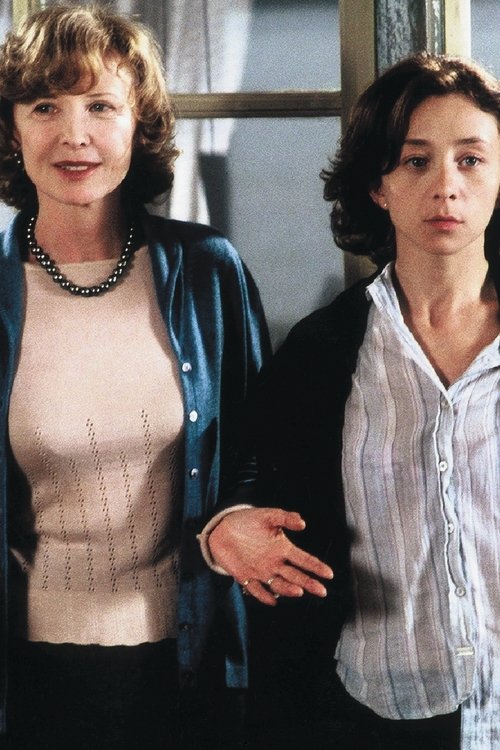
What a revelation and a privilege it is to see Chantal Akerman at work. Its French title a pun, this film offers behind-the-scenes footage from the production of Tomorrow We Move: makeup and costume tests, script readings, scene blocking and rehearsals, and on-set interviews with Aurore Clément and Sylvie Testud, her lead actresses, as well as Akerman herself.
Making of Tomorrow We Move

Exiled from Iran after the ban on her 2009 film about the Green Movement, a filmmaker breaks her family’s decades-long silence about a disappeared cousin, executed during the 1988 purges in political prisons.
The Vanishing Point
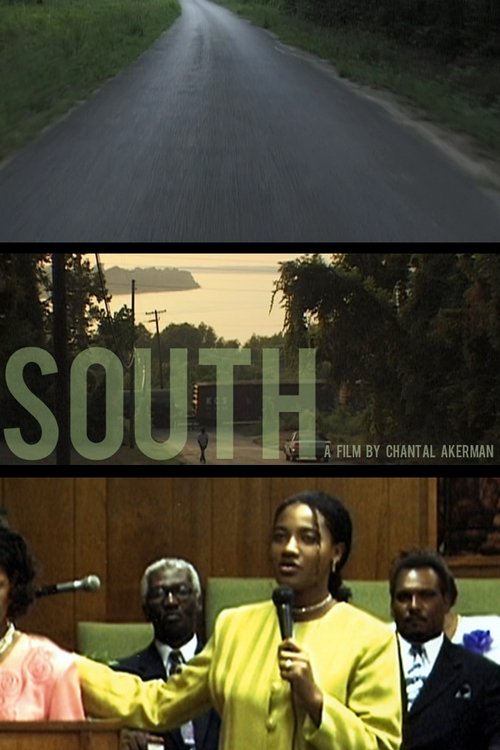
Chantal Akerman investigates the American Deep South through the story of a lynching and grisly murder of an African-American man that took place in Texas in 1998.
South
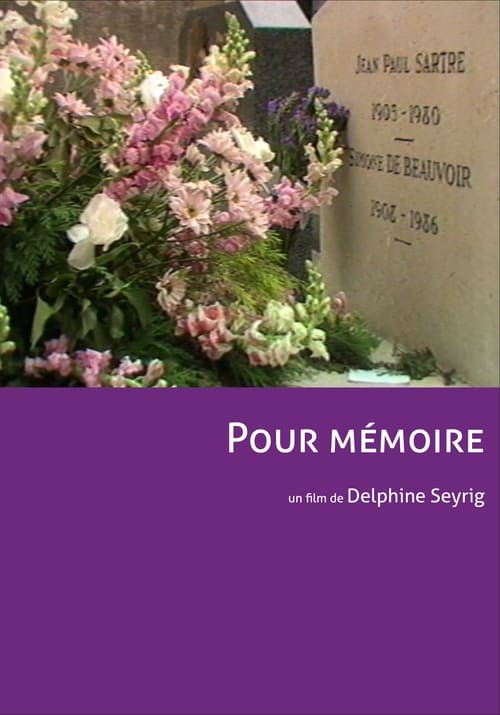
One year after the death of Simone de Beauvoir (14 april 1986) Delphine Seyrig pays homage by visiting her grave. which she finds still covered with flowers and letters from all over the world.
In Memory

The people of the Mafrouza shantytown in Alexandria daily reconstruct themselves and the world around them, but they also question the camera, who answers them and thus becomes a character in the film.